
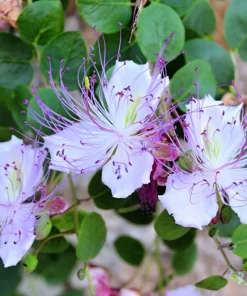

Caper Bush Seeds (20 Seeds) – Edible Capers, Flinders Rose Shrub, Outdoor
Original price was: $36.99.$16.99Current price is: $16.99.
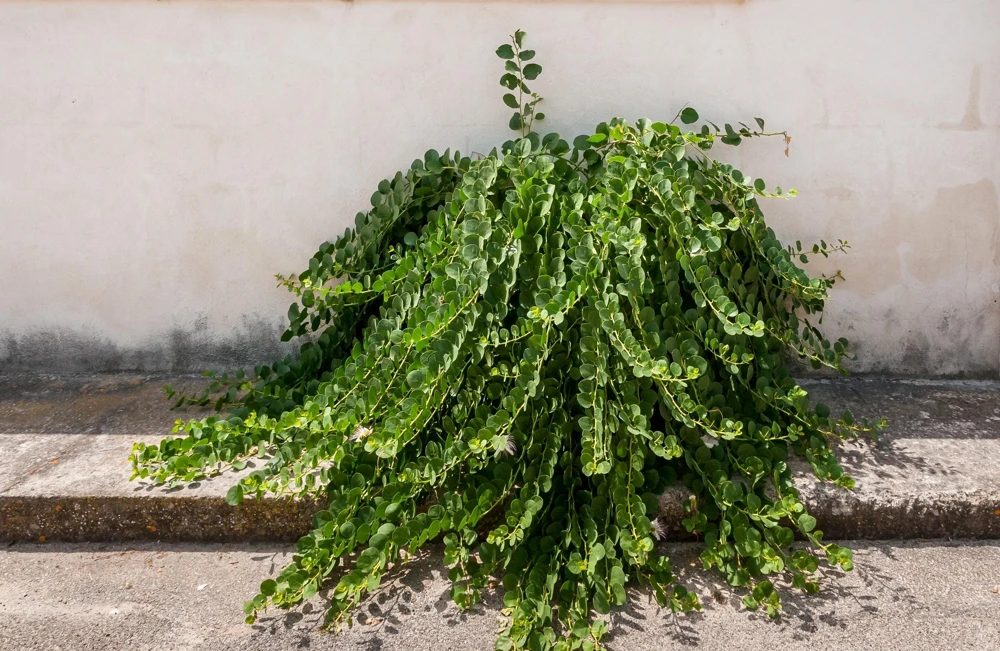
Cultivate your own caper bush seeds for a versatile plant that yields delicious edible capers and fragrant white to light pink flowers. This tough shrub, also known as Flinders Rose, thrives in sunny conditions and is suitable for USDA Zones 8-11, making it a great addition to Mediterranean-style gardens or for container growing.
Estimated arrival
Sep 14
Sep 19 - Sep 21
Sep 24 - Sep 28
Shop With Confidence
30-Day Plant Health Guarantee
Arrives damaged? We’ll replace it free — see our return policy.
Responsive Support
Email us anytime, we reply within 1 business day.
Expert Packaging
Temperature-controlled shipping to protect your plants in transit.
Secure Checkout
Pay safely with Visa, Mastercard, PayPal.
Plant Specifications
-
USDA Hardiness Zone
8 - 11 -
Soil Type
Average, well-draining soil -
Sunlight Exposure
Full sun - Part shade -
Expected Planting Period
Fall sow seeds or cold stratify
Overview
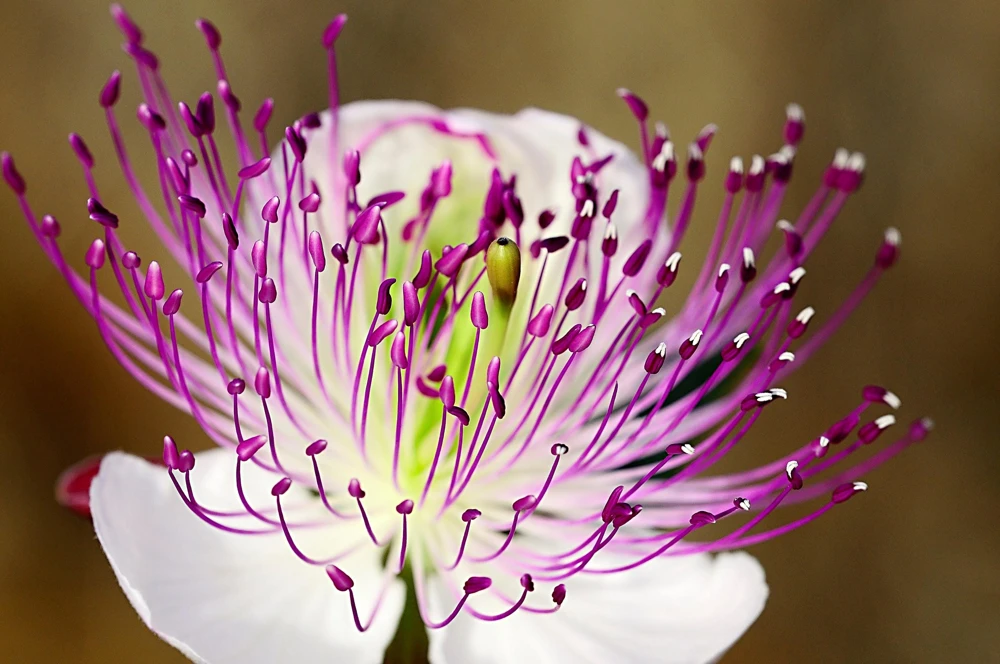
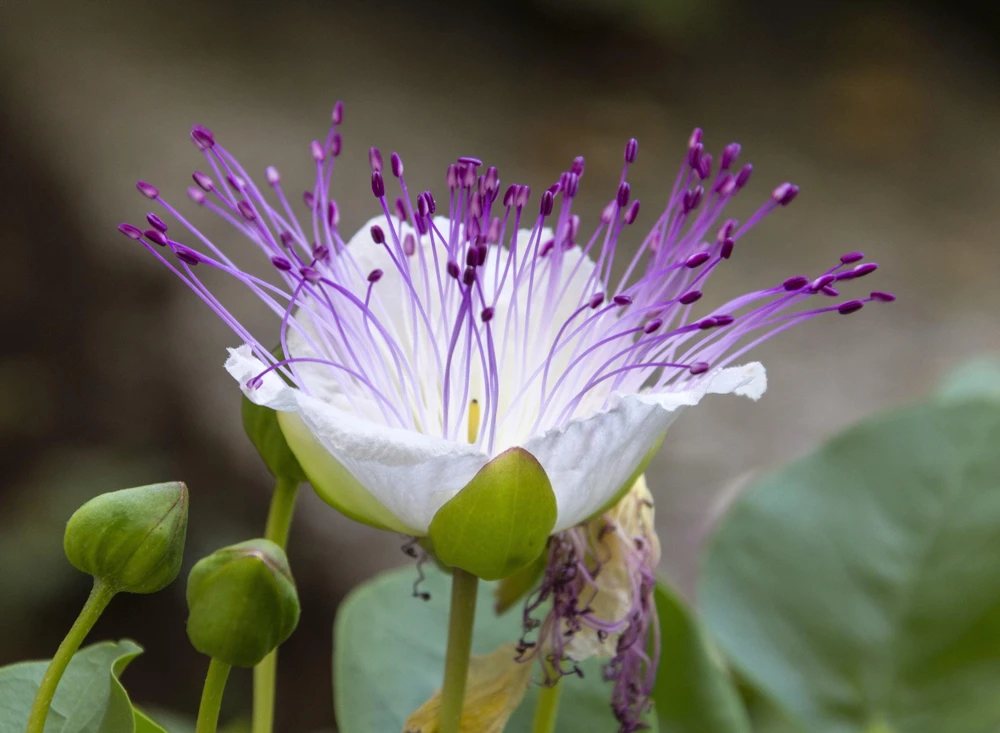
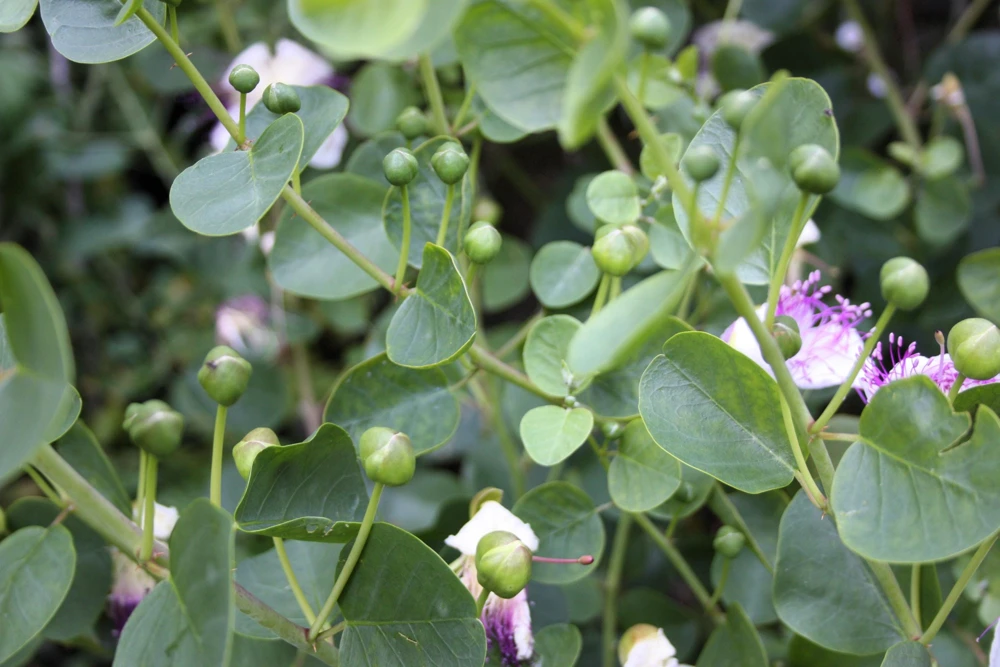
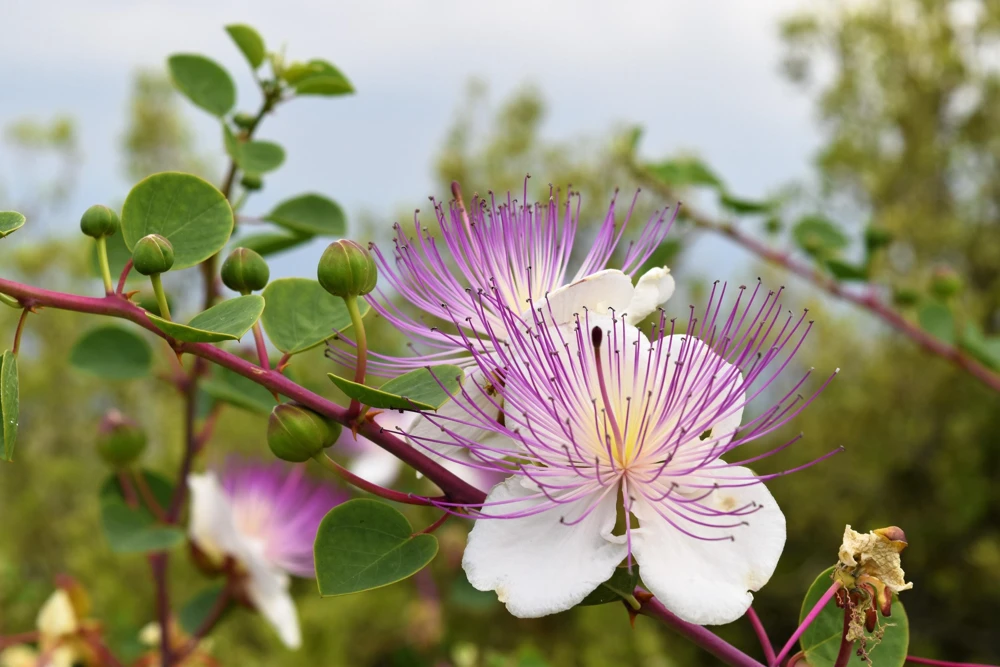
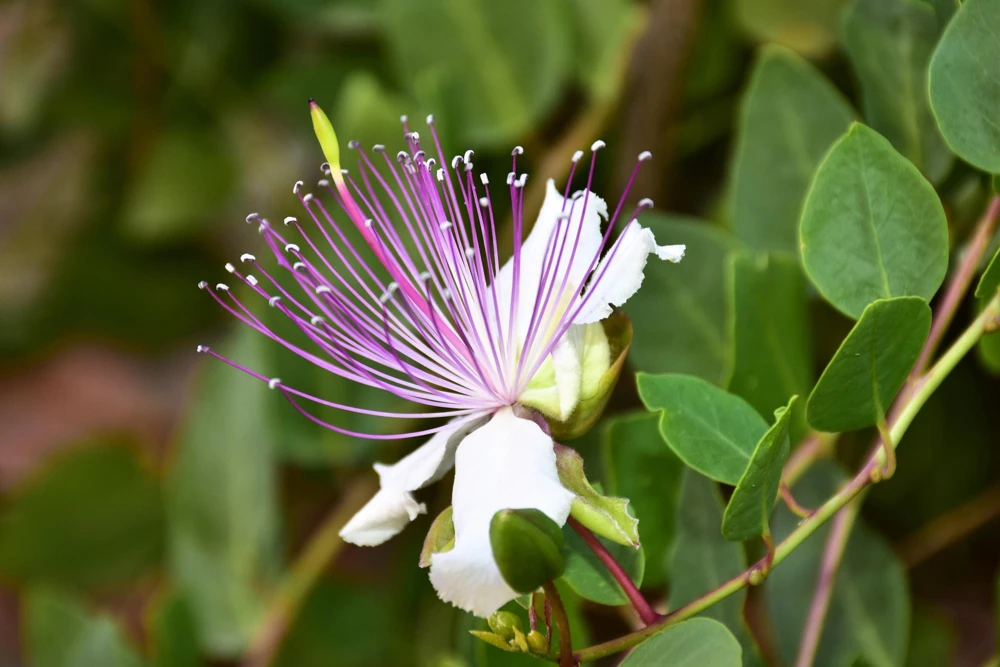
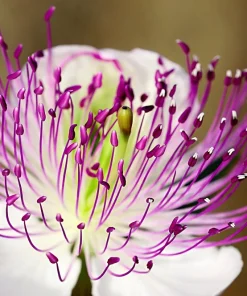
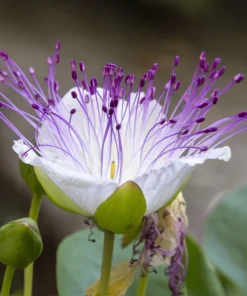
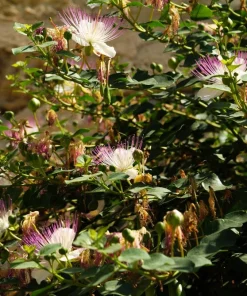
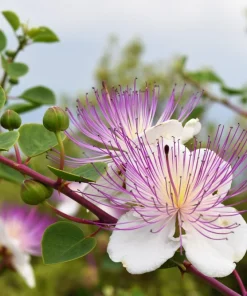
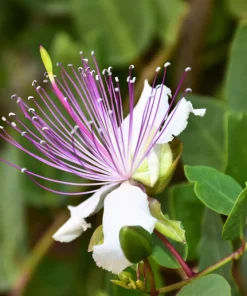
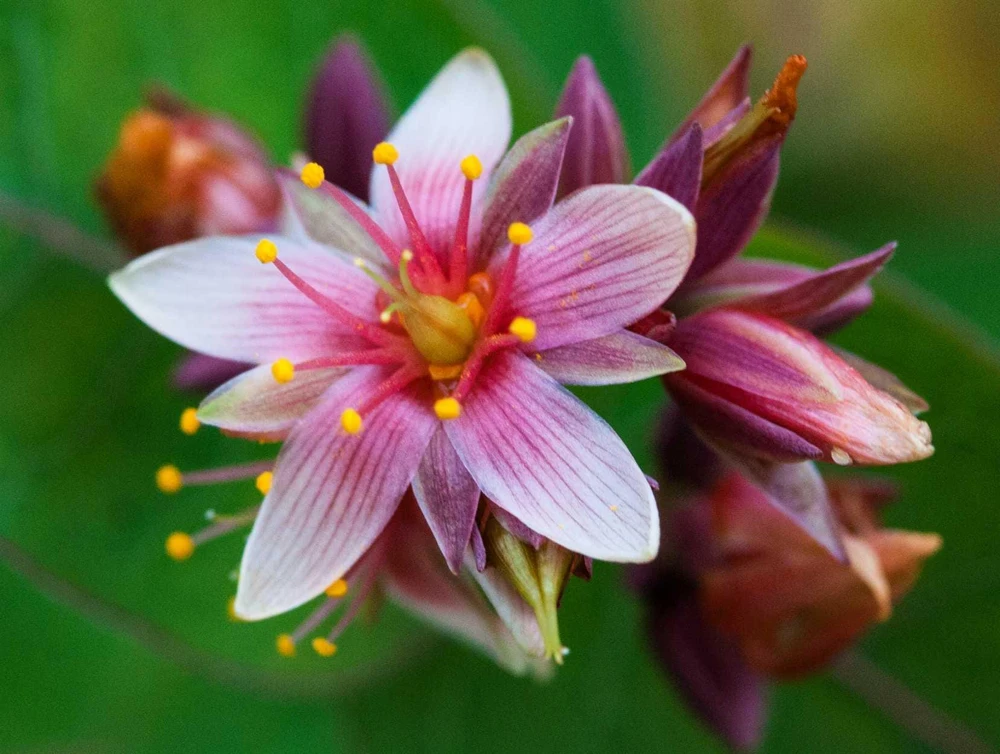
Embark on a rewarding gardening journey by cultivating caper bush seeds, the source of both culinary delights and beautiful ornamental flowers. The caper bush, scientifically known as Capparis Spinosa, is a fascinating evergreen shrub that offers a unique combination of utility and beauty. Known for its edible flower buds, which are pickled to become the capers we love, this plant also produces stunning white to light pink flowers with long violet stamens. Originating from the Mediterranean, the caper bush is remarkably resilient, thriving in challenging environments and offering a distinctive aesthetic to any garden. Whether you’re an experienced gardener or a curious beginner, growing your own caper bush seeds promises a truly engaging experience.
These caper bush seeds allow you to grow a plant that not only contributes to your kitchen but also enhances your outdoor space with its attractive foliage and fragrant blooms. Often referred to as Flinders Rose, this shrub is perfect for those looking to add a touch of the Mediterranean to their landscape. The resulting plants are drought-tolerant and adaptable, making them an excellent choice for various climates and soil types. Discover the joy of harvesting your own capers and caper berries, or simply enjoy the visual appeal of its delicate blossoms.
Key Benefits
Growing your own caper bush seeds offers a multitude of benefits, from culinary rewards to garden aesthetics. This versatile plant is an excellent choice for gardeners seeking both beauty and utility.
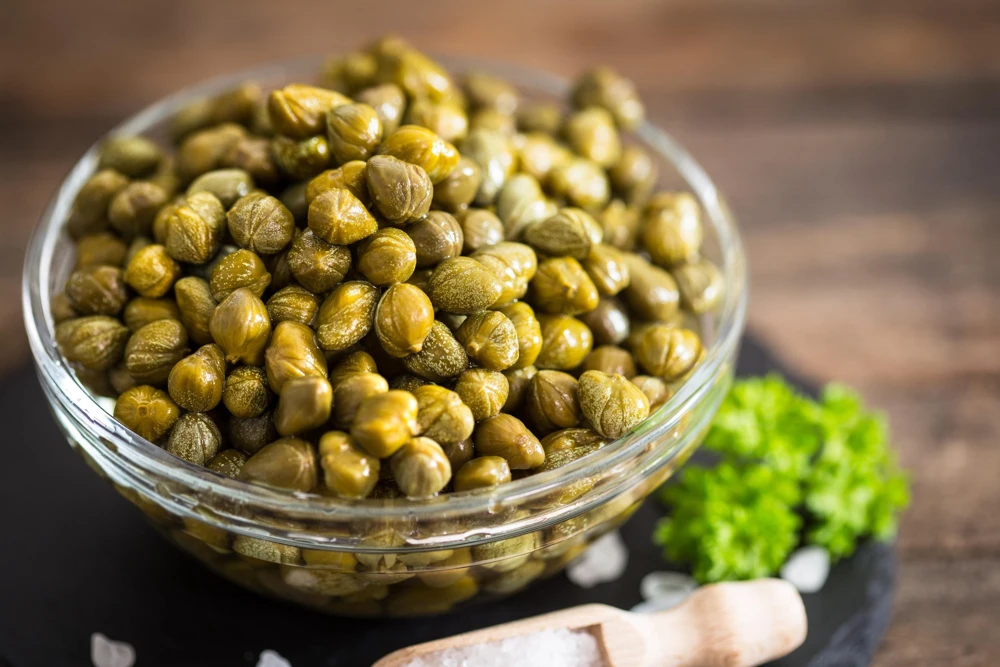
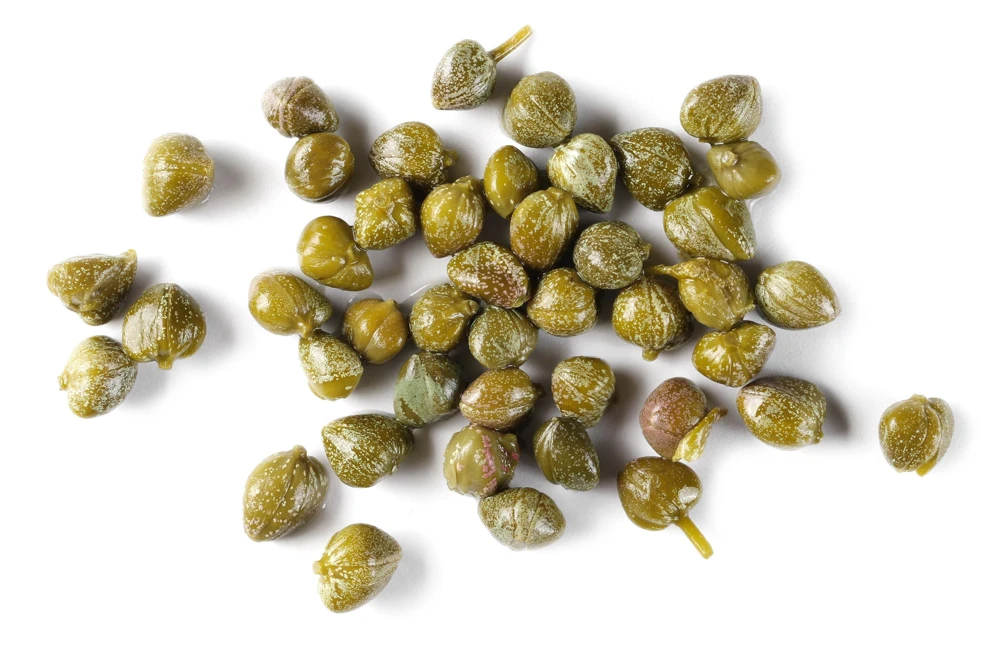
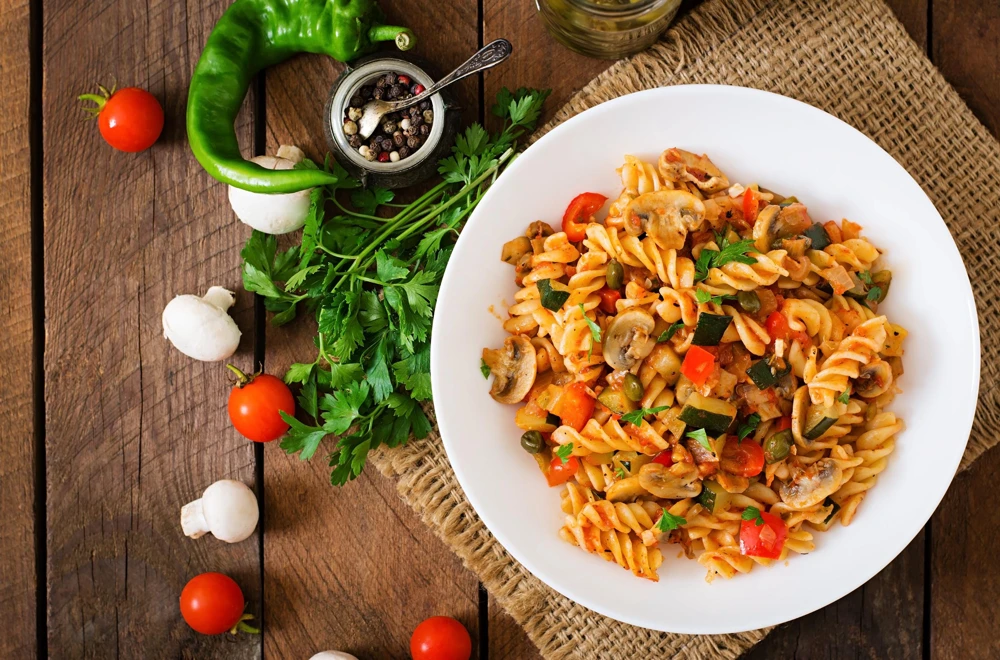
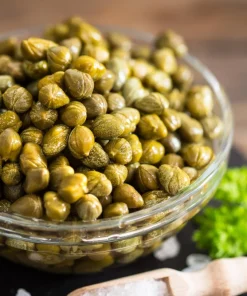
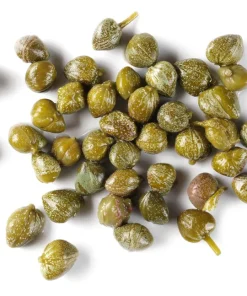
- Culinary Delight: Harvest your own fresh capers, the unopened flower buds, for pickling. These add a tangy, salty flavor to a wide array of dishes, including pasta, fish, and salads. Enjoy the satisfaction of using home-grown ingredients in your Mediterranean and Italian cuisine.
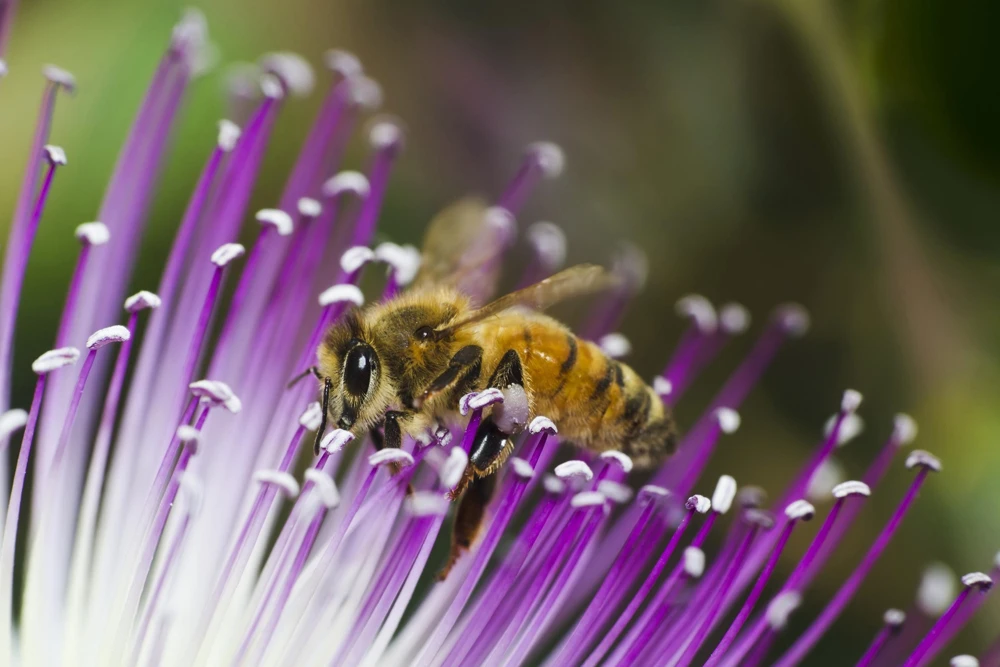
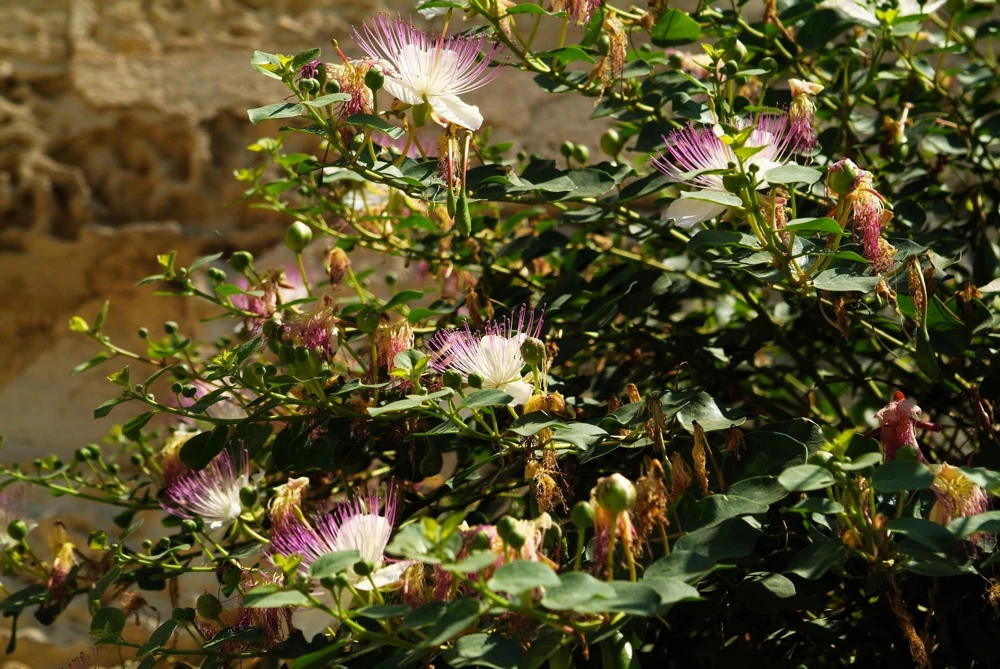
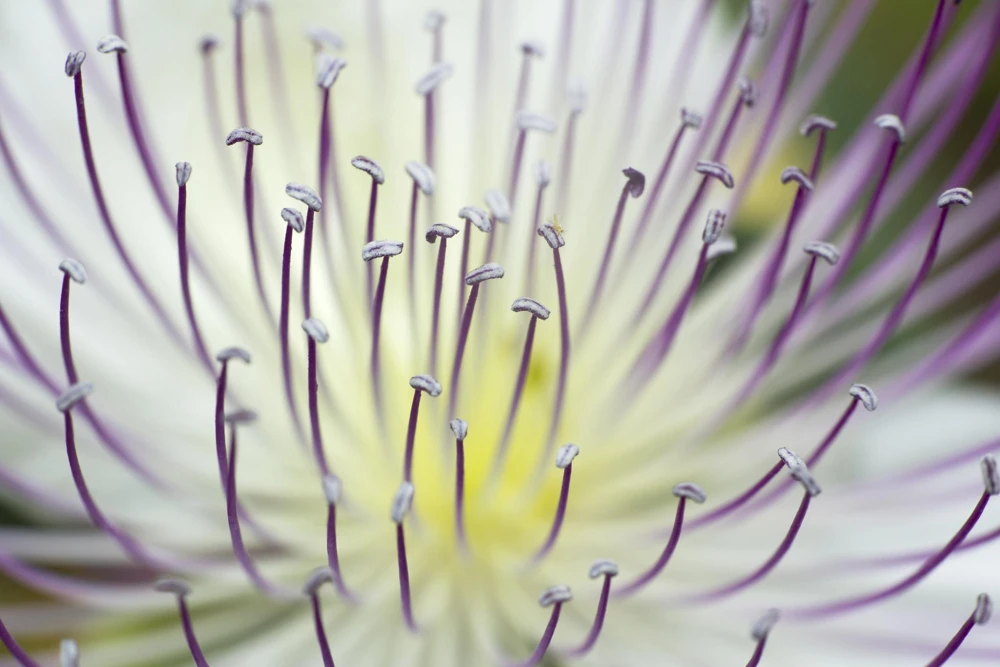
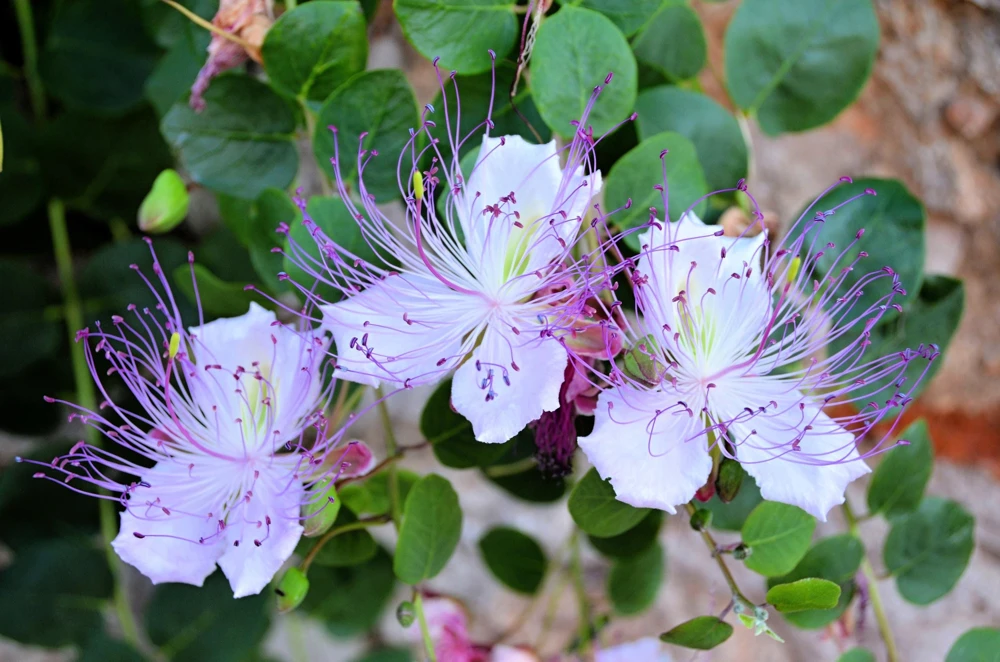
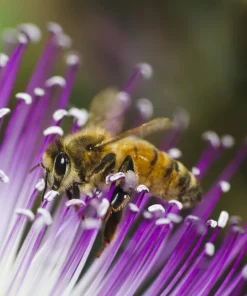
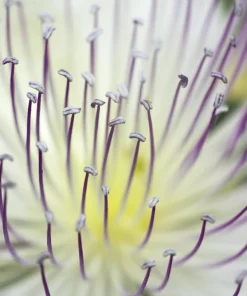
- Beautiful Blooms: If left unharvested, the flower buds will open into large, fragrant white to light pink flowers with striking violet stamens. These delicate blossoms provide a lovely visual and aromatic addition to your garden, attracting pollinators.
- Drought Tolerant & Resilient: The caper bush is known for its hardiness, thriving in arid and semi-arid conditions. It tolerates hot temperatures and poor, rocky soils, making it an ideal choice for low-maintenance landscaping or xeriscaping.
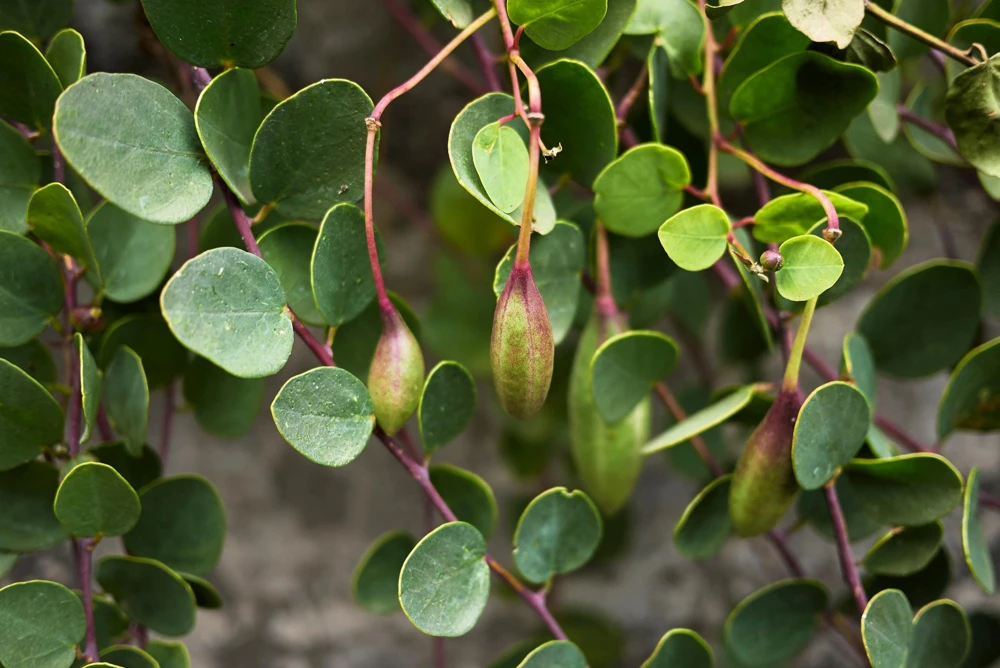
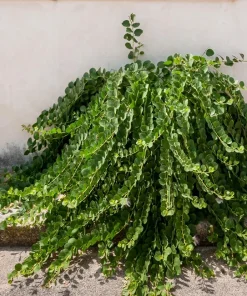
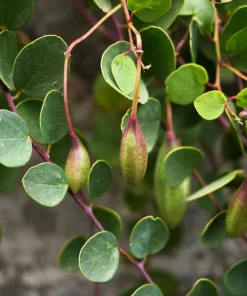
- Evergreen Foliage: This shrub features shiny, thick green leaves, providing year-round interest in warmer climates. Its evergreen nature ensures continuous beauty in your garden.
- Versatile Growing Options: While it flourishes in Mediterranean climates, the caper bush can also be successfully grown in containers in other regions, allowing gardeners in cooler zones to enjoy this unique plant.
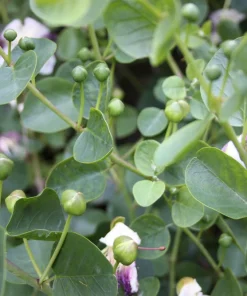
- Edible Caper Berries: After the flowers, the plant produces caper berries, which are also edible when pickled. These offer another gourmet product from your home garden.
- Unique Garden Addition: Add an exotic and functional plant to your garden with caper bush seeds, creating a conversation piece and a source of delicious ingredients.
Plant Care & Growing Tips
Successfully growing caper bush seeds requires attention to specific conditions, but the plant’s inherent resilience makes it a rewarding endeavor. The Caper Bush thrives in warm, sunny environments, mimicking its native Mediterranean habitat. It prefers full sun to partial shade, ideally receiving at least 6-8 hours of direct sunlight daily for optimal growth and flowering. In extremely hot climates, some afternoon shade can be beneficial to prevent scorching. These plants are known to be quite tough, tolerating temperatures exceeding 105°F (41°C) once established. They are best suited for USDA Hardiness Zones 8-11, where they can be grown as perennials. In cooler zones, they can be cultivated in pots and brought indoors during winter or treated as annuals.
When it comes to soil, the caper bush is not particular, thriving in average, well-draining conditions. It can handle rocky, gravelly, or sandy soils with ease, and is often found growing in crevices of walls in the wild. Good drainage is crucial to prevent root rot. While established plants are highly drought-tolerant, young seedlings and container-grown plants will require regular watering until they are well-established. Allow the soil to dry out between waterings. Fertilization is generally not heavily required; a light application of a balanced, slow-release fertilizer in spring can encourage vigorous growth. Pruning can be done in late winter or early spring to maintain shape and encourage new growth for caper production. Watch out for common garden pests, though the caper bush is relatively resistant.
Size & Details
This offering includes 20 caper bush seeds, providing a generous quantity to start your own cultivation. Once mature, the Caper Bush typically reaches a height of 3 to 4 feet and spreads 6 to 8 feet, forming a bushy, evergreen shrub. Its growth rate is moderate, and with proper care, you can expect blooms from early spring through fall, with harvests of capers possible in spring and fall. The seeds are best sown in fall or cold stratified before planting to aid germination. This plant is a fantastic choice for those looking for a resilient, productive, and attractive addition to their garden, capable of yielding delicious edible capers and beautiful flowers for years to come.
Frequently Asked Questions
- Q: How big does this plant get? A: The caper bush typically grows to a height of 3 to 4 feet and can spread 6 to 8 feet wide, forming a dense shrub. Its size can be managed with pruning.
- Q: Is this an indoor or outdoor plant? A: The caper bush is primarily an outdoor plant, thriving in warm, sunny climates. However, it can be grown in containers and brought indoors during winter in colder USDA zones.
- Q: How much sunlight does it need? A: It requires full sun to partial shade, ideally at least 6-8 hours of direct sunlight each day for best results. It tolerates strong sun and heat very well.
- Q: Is this plant easy to care for? A: Yes, the caper bush is considered a low-maintenance plant once established, especially due to its drought tolerance and ability to thrive in poor soils. Growing from caper bush seeds requires initial care, but the mature plant is quite hardy.
- Q: What condition will the seeds arrive in? A: You will receive 20 caper bush seeds in a protective packet, ready for planting.
- Q: Can I use the capers in cooking? A: Absolutely! The unopened flower buds are harvested and pickled to create the edible capers used in various Mediterranean and Italian dishes. The fruit (caper berries) can also be pickled.
- Q: When is the best time to plant these seeds? A: The best time to plant caper bush seeds is in the fall, or after cold stratification, to simulate natural winter conditions and encourage germination. Bloom time is typically from early spring to fall.
- Q: Will it survive winter in my zone? A: The caper bush is hardy in USDA Zones 8-11. In zones below 8, it is recommended to grow them in containers and provide winter protection or treat them as annuals.
- Q: What kind of soil does the caper bush prefer? A: It prefers average, well-draining soil and can tolerate rocky, sandy, or gravelly conditions. Good drainage is essential.
- Q: How long does it take for the seeds to germinate? A: Germination can be slow and sporadic, often taking several weeks to months, especially without proper cold stratification. Patience is key when growing capparis spinosa seeds.
Be the first to review “Caper Bush Seeds (20 Seeds) – Edible Capers, Flinders Rose Shrub, Outdoor”
People Also Viewed
Shrubs
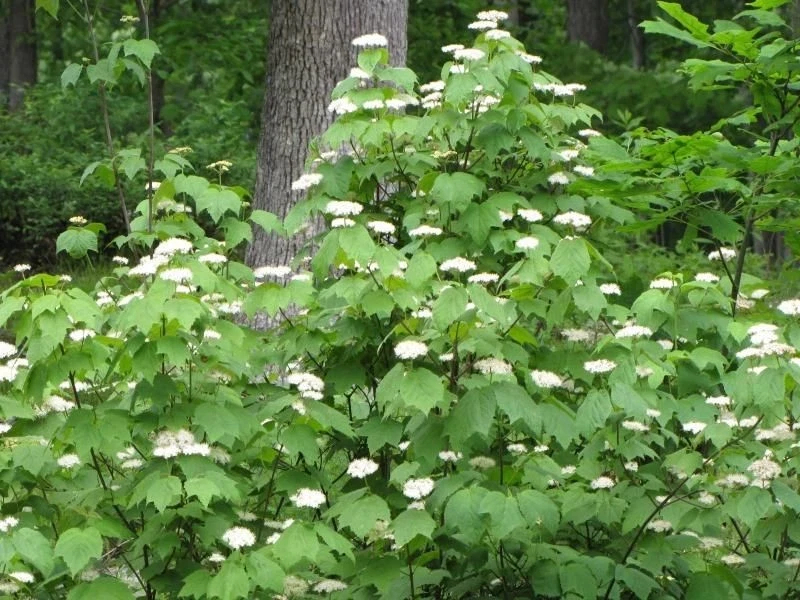
Mapleleaf Viburnum Live Plant – Viburnum acerifolium ‘Mapleleaf’ 16+ Inches Tall Outdoor Shrub

Vegetable Seeds
Red Streaked Mizuna Mustard Seeds – 200 Japanese Vegetable Seeds
Reviews
There are no reviews yet.