

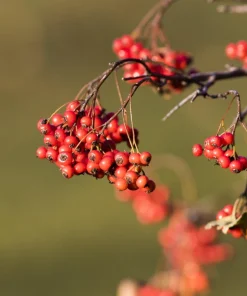
Washington Hawthorn Seeds – 50 Seed Pack, Edible Fruit & White Flowers
Original price was: $36.99.$16.99Current price is: $16.99.
Cultivate the beautiful and versatile Washington Hawthorn tree from this 50 seed pack. Known for its showy white flowers, vibrant fall foliage, and delicious edible hawthorn berries, this tree is a fantastic addition to any landscape. It’s hardy in USDA Zones 3-8 and provides year-round interest.
Estimated arrival
Sep 14
Sep 19 - Sep 21
Sep 24 - Sep 28
Shop With Confidence
30-Day Plant Health Guarantee
Arrives damaged? We’ll replace it free — see our return policy.
Responsive Support
Email us anytime, we reply within 1 business day.
Expert Packaging
Temperature-controlled shipping to protect your plants in transit.
Secure Checkout
Pay safely with Visa, Mastercard, PayPal.
Plant Specifications
-
USDA Hardiness Zone
3 - 8 -
Soil Type
Average, well-draining soil (tolerates sandy or clay) -
Sunlight Exposure
Full sun - Part shade -
Expected Planting Period
Fall sow seeds or cold stratify for spring planting
Overview
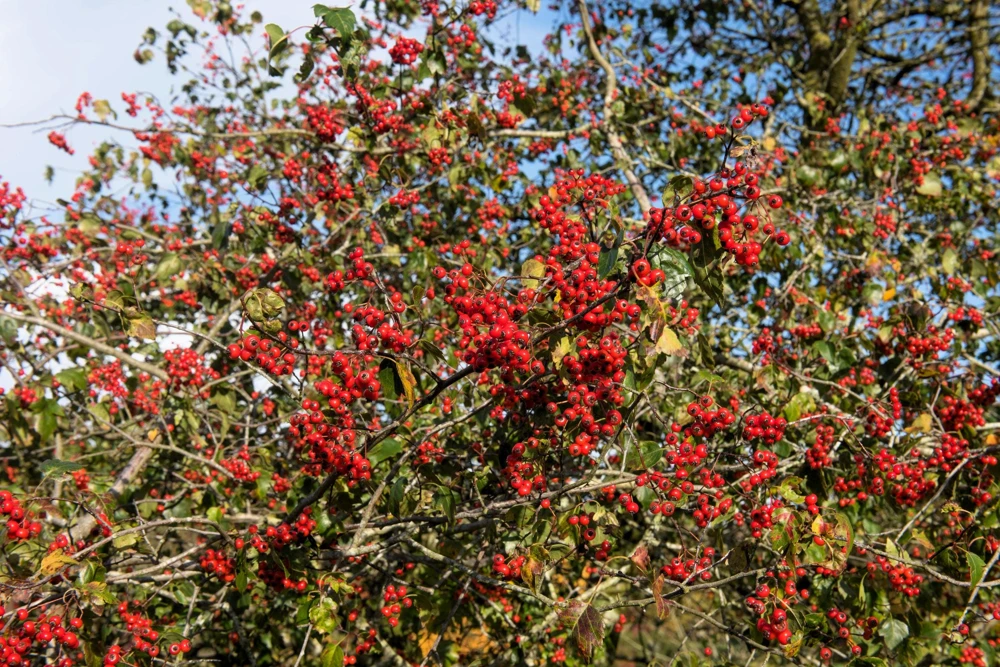
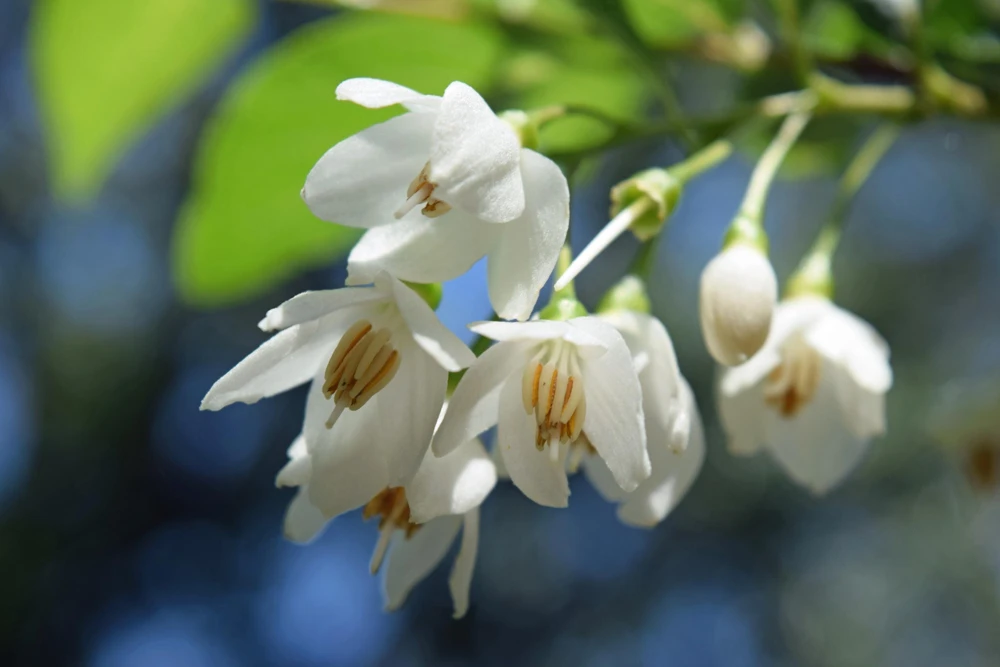
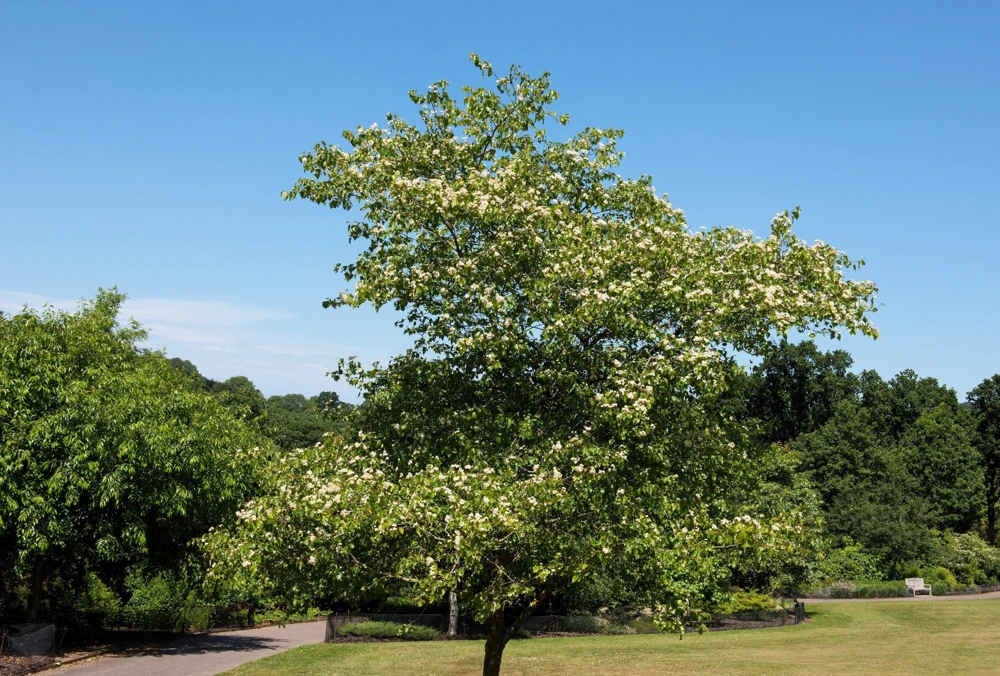
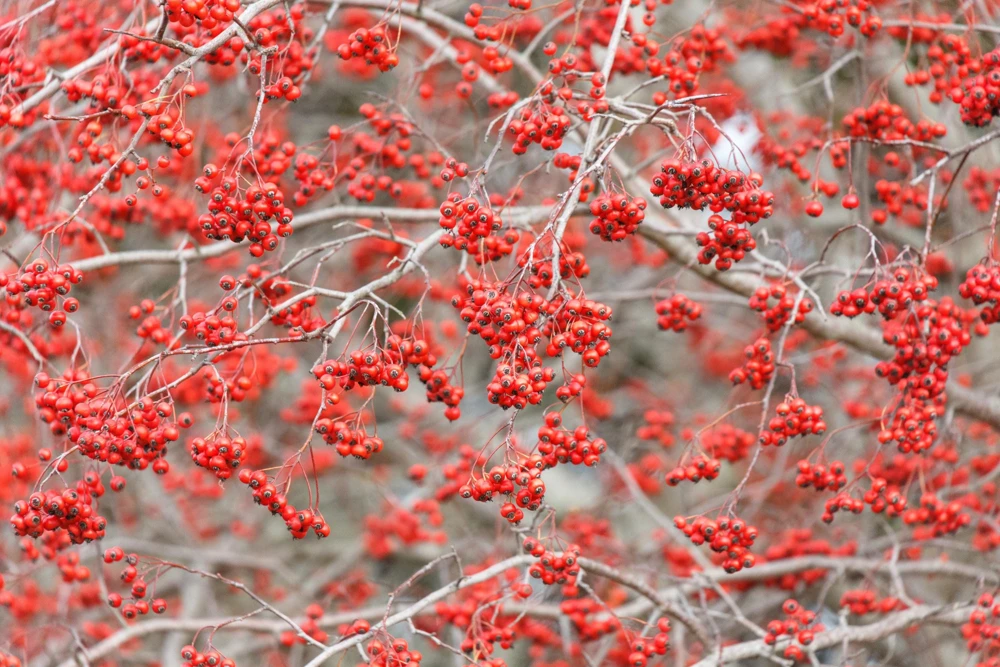
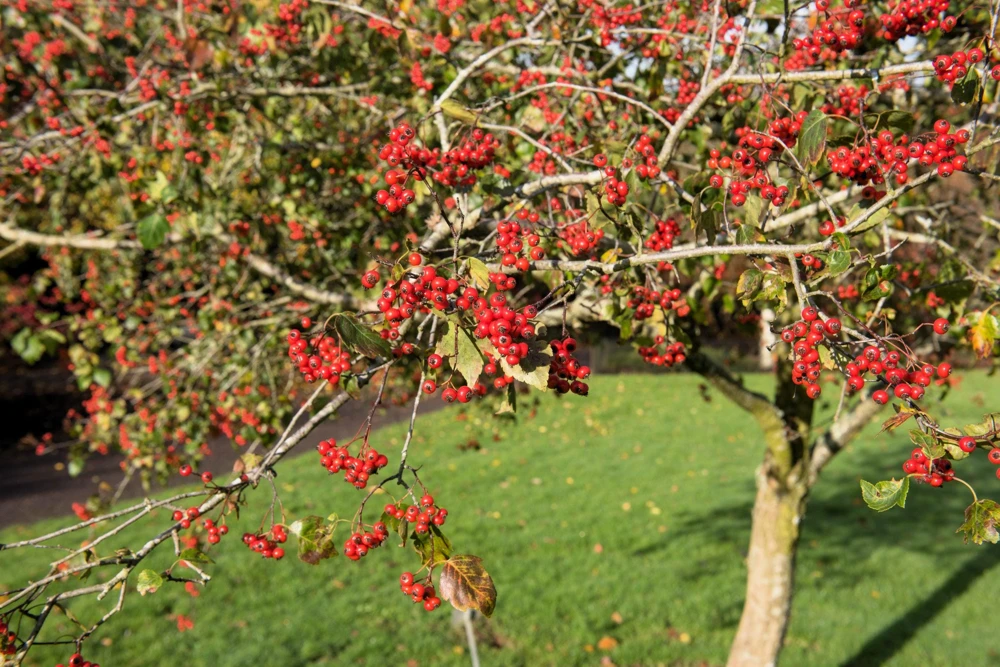
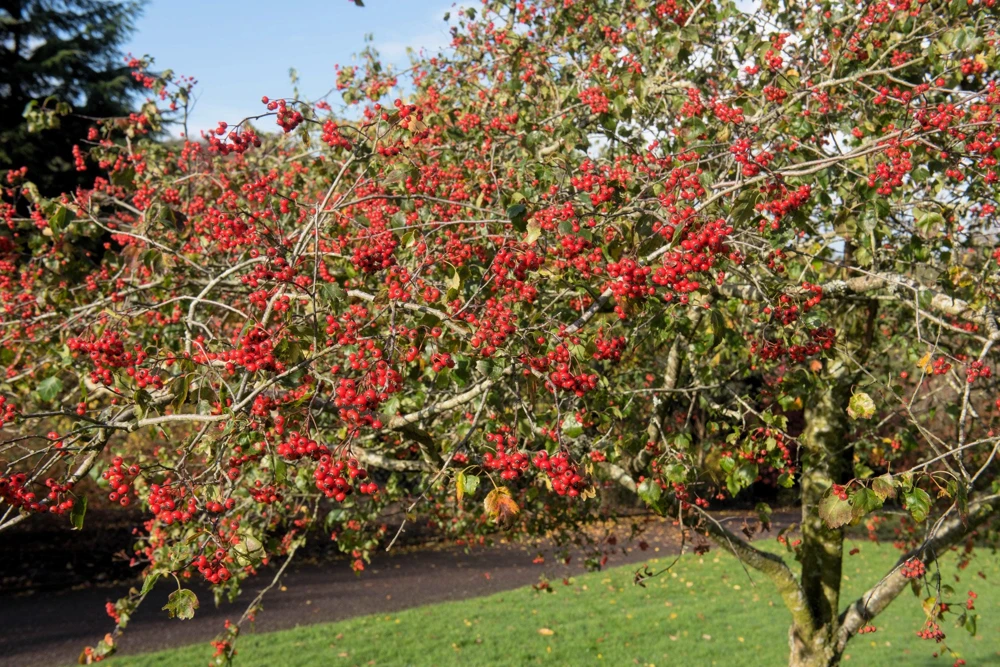
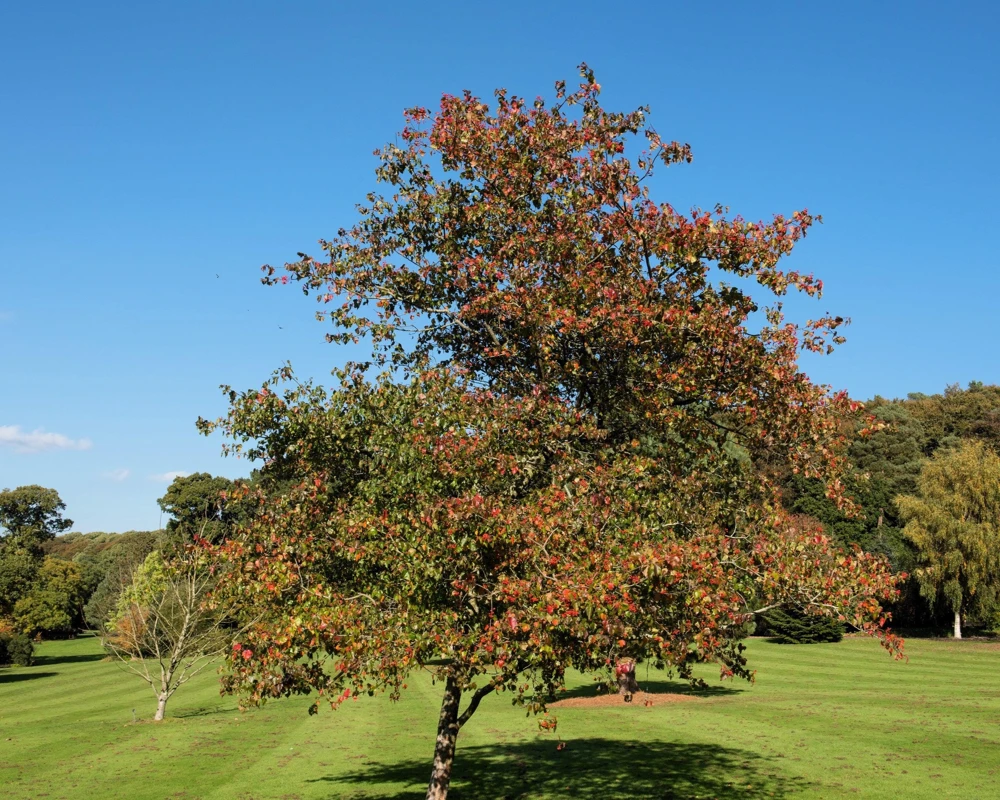
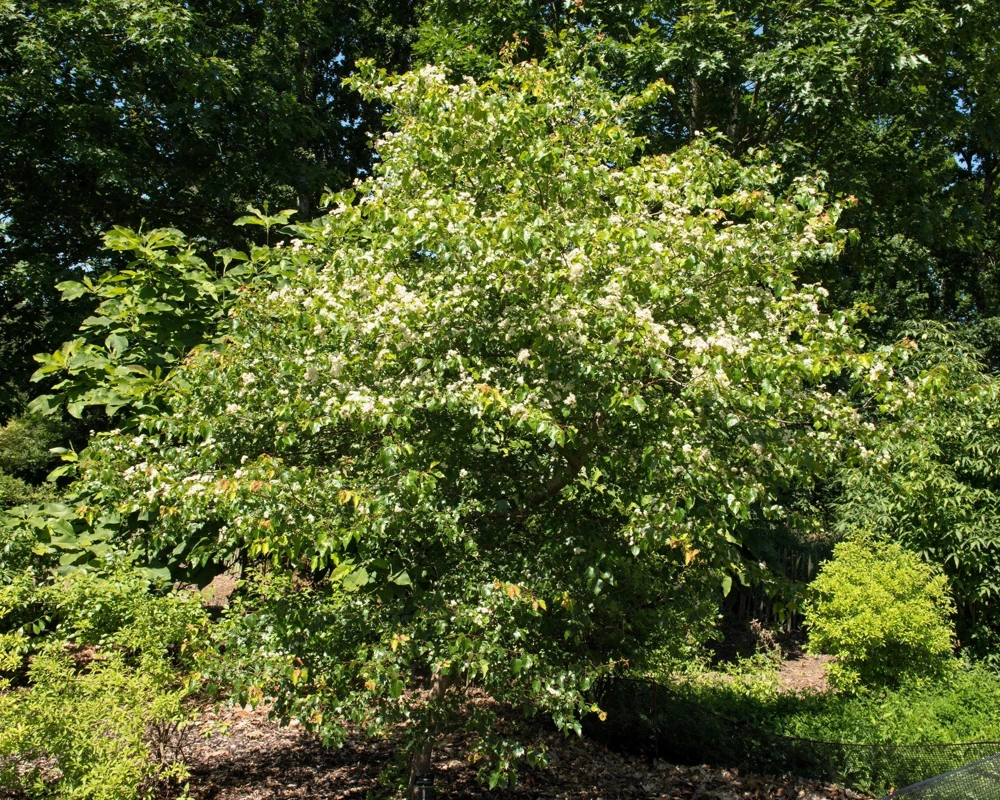
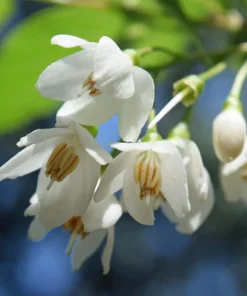
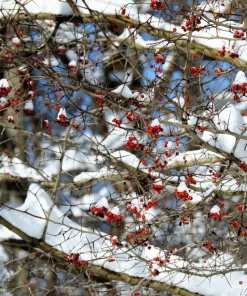
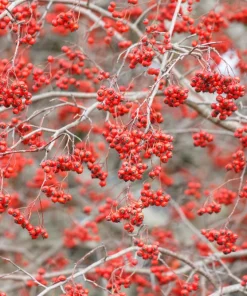
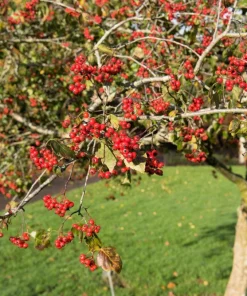
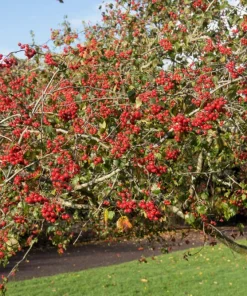
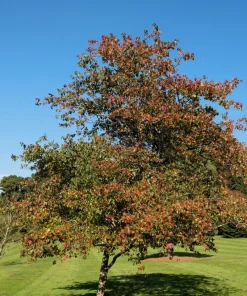
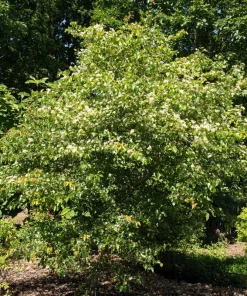
Discover the beauty and utility of the Washington Hawthorn tree by planting your own from our premium washington hawthorn seeds. This native North American species, scientifically known as Crataegus Phaenopyrum, is a highly ornamental and resilient shrub tree that brings year-round appeal to your garden. Renowned for its stunning display of white flowers in late spring to early summer, followed by clusters of bright red, edible hawthorn berries in the fall, it’s a favorite among gardeners and wildlife alike. The foliage transitions from reddish-purple in spring to a lush green in summer, culminating in fiery orange and red hues in autumn, making it a true four-season plant. These washington hawthorn seeds offer a rewarding project for anyone looking to establish a robust and beautiful tree in their landscape.
The Washington Hawthorn is not only visually appealing but also a valuable addition to local ecosystems. Its flowers attract pollinators like bees and butterflies, while its berries provide a vital food source for songbirds and squirrels throughout the fall and into winter. Growing a hawthorn tree from seed is an economical way to add this versatile plant, which can serve as an ornamental specimen, a natural hedge, or a windbreak, thanks to its dense growth and thorny branches.
Key Benefits
The Washington Hawthorn offers a multitude of benefits, making it an excellent choice for diverse garden designs. Its adaptability and aesthetic qualities ensure it stands out in any setting. Growing a hawthorn tree from seed allows you to experience these advantages firsthand:
- Stunning Ornamental Value: Enjoy a dynamic visual display with reddish-purple spring leaves, vibrant green summer foliage, and brilliant orange and red fall colors. The tree is adorned with showy clusters of white flowers in May and June, followed by bright red berries.
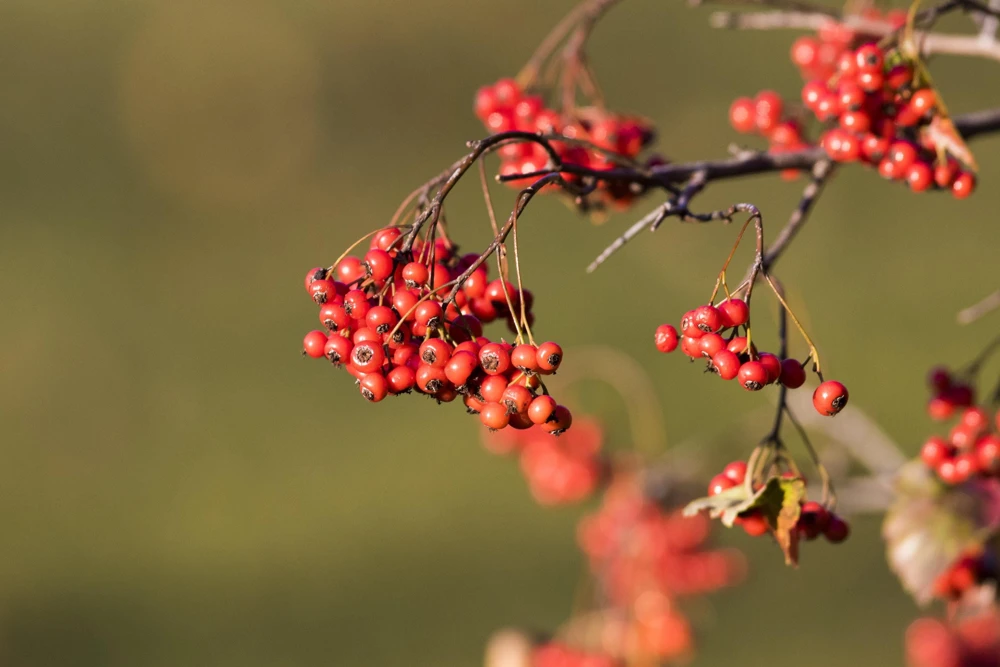
- Edible & Wildlife-Friendly Berries: The tree produces clusters of mildly flavored red berries that are edible for humans, either raw or cooked. These berries also serve as an important food source for birds and other wildlife, attracting beneficial creatures to your garden.
- Pollinator Attraction: The beautiful white flowers are a significant nectar source for bees and butterflies, promoting biodiversity and supporting local pollinator populations in your garden.
- Hardy & Adaptable: The Washington Hawthorn is incredibly resilient, thriving in a wide range of conditions. It is hardy in USDA Zones 3-8 and can tolerate various soil types (sandy, clay, dry, moist) and light exposures (full sun to part shade), making hawthorn tree care relatively straightforward.
- Natural Security & Windbreak: With its dense growth and thorny branches, the tree can be effectively used as a natural security hedge or a windbreak, providing both protection and aesthetic appeal.
- Medium Growth Rate: It establishes itself at a medium growth rate, allowing for steady development into a mature, impressive specimen without an overly long waiting period.
- Versatile Landscape Use: Ideal for specimen planting, hedgerows, windbreaks, or as part of a mixed border. Its year-round interest ensures it’s always a focal point.
Plant Care & Growing Tips
Successfully cultivating your Washington Hawthorn tree from washington hawthorn seeds requires understanding its basic needs, though it is known for its adaptability. For optimal growth, it’s recommended to fall sow seeds or cold stratify them for several months before planting. Once established, this tree prefers a location with full sun to part shade, meaning it should receive at least 4-6 hours of direct sunlight daily for the best flowering and fruiting. While it can tolerate some shade, more sun generally leads to more abundant blooms and berries. The Washington Hawthorn is not particular about soil type and can thrive in average conditions, including sandy or clay soils. However, it does prefer moist, well-draining soil but is quite tolerant of dry conditions once mature.
Watering should be consistent during the tree’s establishment period, ensuring the soil remains moist but not waterlogged. Once mature, it is remarkably drought-tolerant, requiring less frequent watering. Fertilization is typically not necessary unless your soil is particularly poor; a balanced, slow-release fertilizer can be applied in early spring if needed. Pruning can be done in late winter or early spring to shape the tree, remove dead or diseased branches, and manage its size. This tree has a good resistance to many common pests and diseases, contributing to its reputation for easy hawthorn tree care. Its hardiness in zones 3-8 makes it suitable for a wide range of climates, demonstrating its robust nature and ease of maintenance.
Size & Details
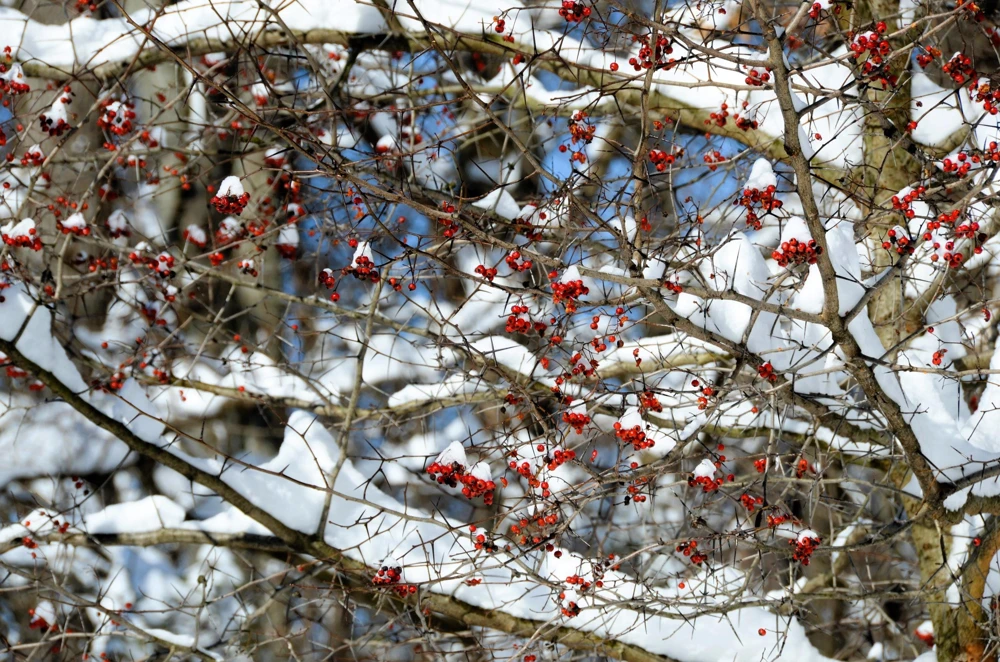
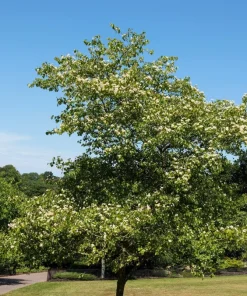
This offering includes a quantity of 50 washington hawthorn seeds, providing ample opportunity to grow multiple trees. The Washington Hawthorn (Crataegus Phaenopyrum) is a medium-sized deciduous tree or large shrub, typically reaching a mature height of approximately 25 feet with a similar spread of 25 feet. Its growth rate is considered medium. The seeds require either fall sowing or a period of cold stratification to break dormancy and encourage germination. Flowers typically bloom from May to June, presenting a beautiful display of white clusters. The attractive red berries, which are edible, appear in clusters from September and can persist on the tree through November or even longer, offering extended visual interest and food for wildlife. These seeds are ideal for starting your own ornamental and functional hawthorn tree from seed, contributing to a diverse and vibrant garden ecosystem.
Frequently Asked Questions
- Q: How big does this plant get? A: The Washington Hawthorn tree typically reaches a mature height and spread of about 25 feet, creating a substantial and attractive presence in the landscape.
- Q: What size pot does it come in? A: This product consists of washington hawthorn seeds, not a potted plant. You will receive 50 seeds ready for planting.
- Q: Is this an indoor or outdoor plant? A: The Washington Hawthorn is an outdoor tree, suitable for landscaping, hedges, and as a specimen plant in gardens and yards.
- Q: How much sunlight does it need? A: This tree thrives in full sun to part shade, ideally receiving at least 4-6 hours of direct sunlight daily for the best flowering and fruiting.
- Q: Is this plant easy to care for? A: Yes, the Washington Hawthorn is known for its adaptability and relatively low maintenance, making hawthorn tree care suitable for gardeners of varying experience levels.
- Q: Is it good for beginners? A: Its resilience and tolerance to various conditions make it a good choice for beginners, especially if starting with established seedlings after seed germination.
- Q: What condition will it arrive in? A: You will receive a packet of 50 washington hawthorn seeds in dormant condition, ready for stratification or fall sowing.
- Q: When is the best time to plant the seeds? A: The best time to plant washington hawthorn seeds is in the fall, allowing for natural cold stratification over winter, or you can manually cold stratify them before spring planting.
- Q: Can I eat the berries? A: Yes, the red berries of the Washington Hawthorn are edible and have a mild flavor. They can be consumed raw or cooked and are also enjoyed by wildlife.
- Q: Will it survive winter in my zone? A: The Washington Hawthorn is very hardy and will survive winters in USDA Hardiness Zones 3 through 8.
Be the first to review “Washington Hawthorn Seeds – 50 Seed Pack, Edible Fruit & White Flowers”
People Also Viewed

Flower Seeds
Vegetables
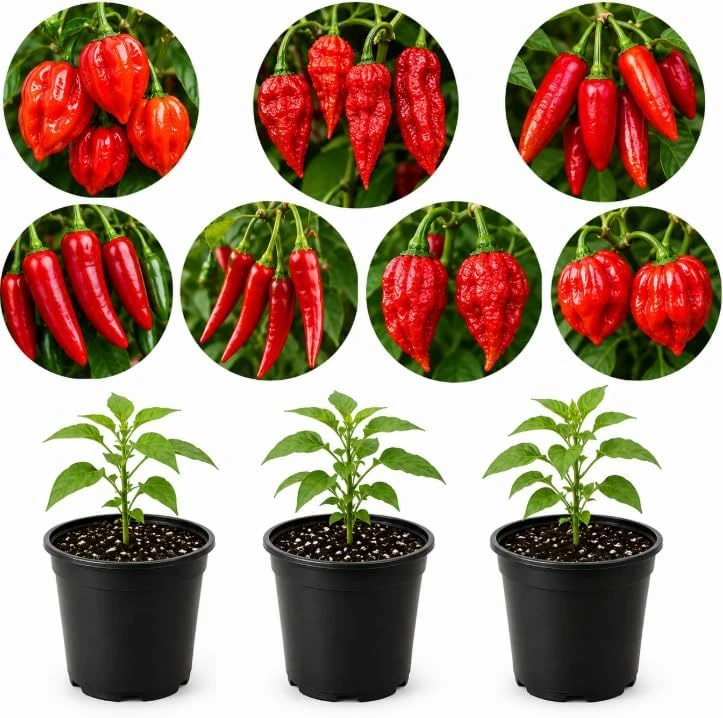
3 Mix Pepper Plants Live for Planting – 3-6 Inch Tall Vegetable Plants for Garden & Containers
Reviews
There are no reviews yet.