

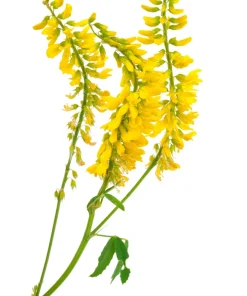
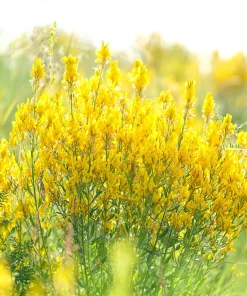
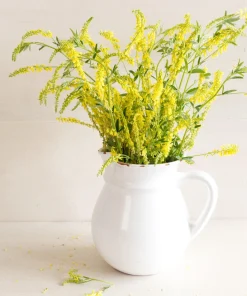
3000 Yellow Sweet Clover Seeds – Melilotus Officinalis Flower Seeds
Original price was: $36.99.$16.99Current price is: $16.99.
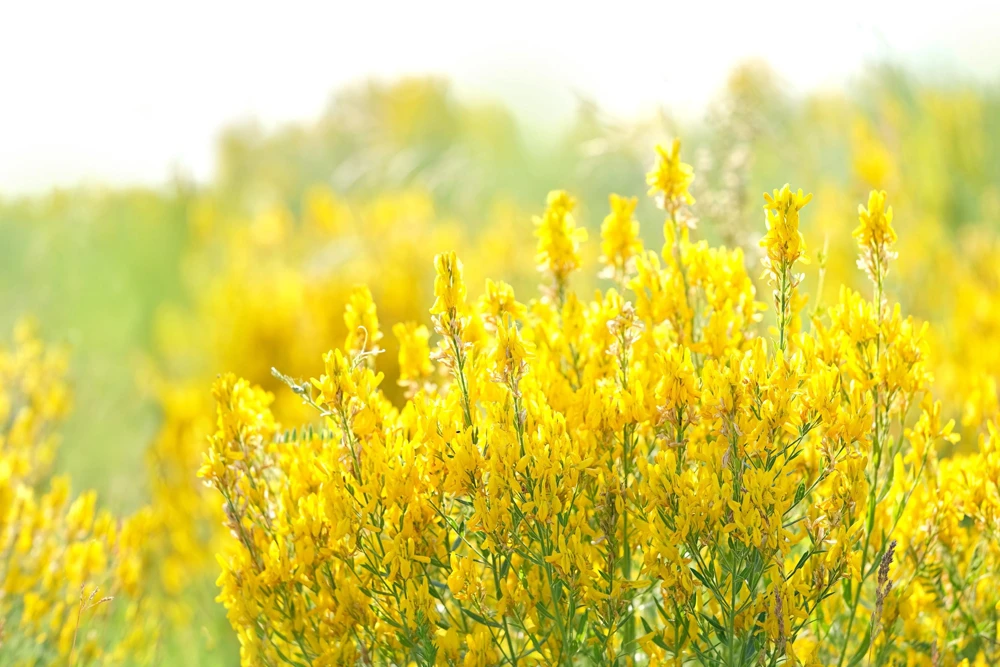
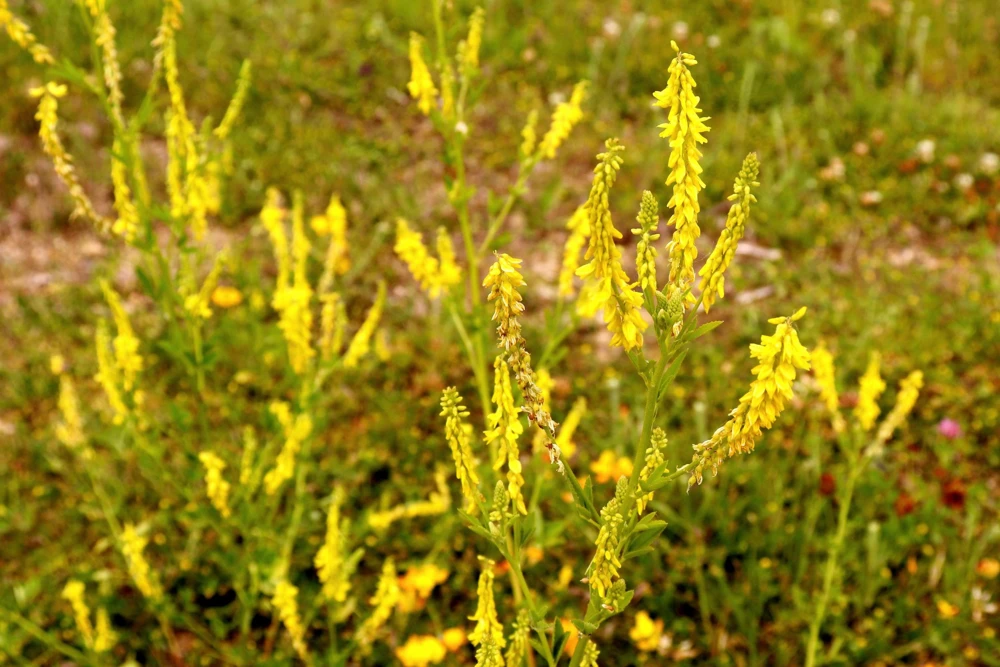
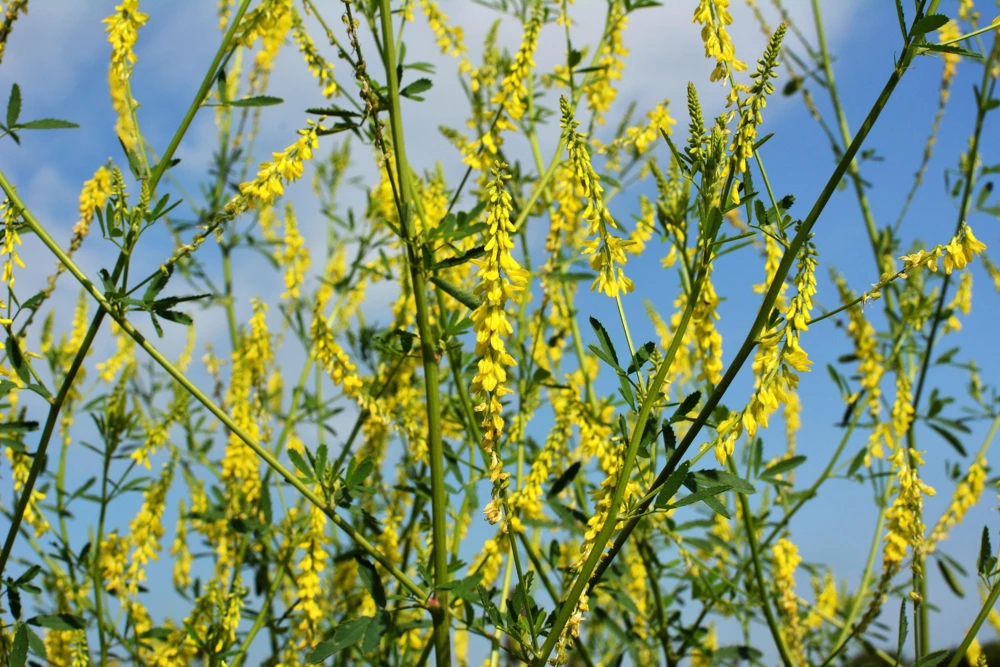
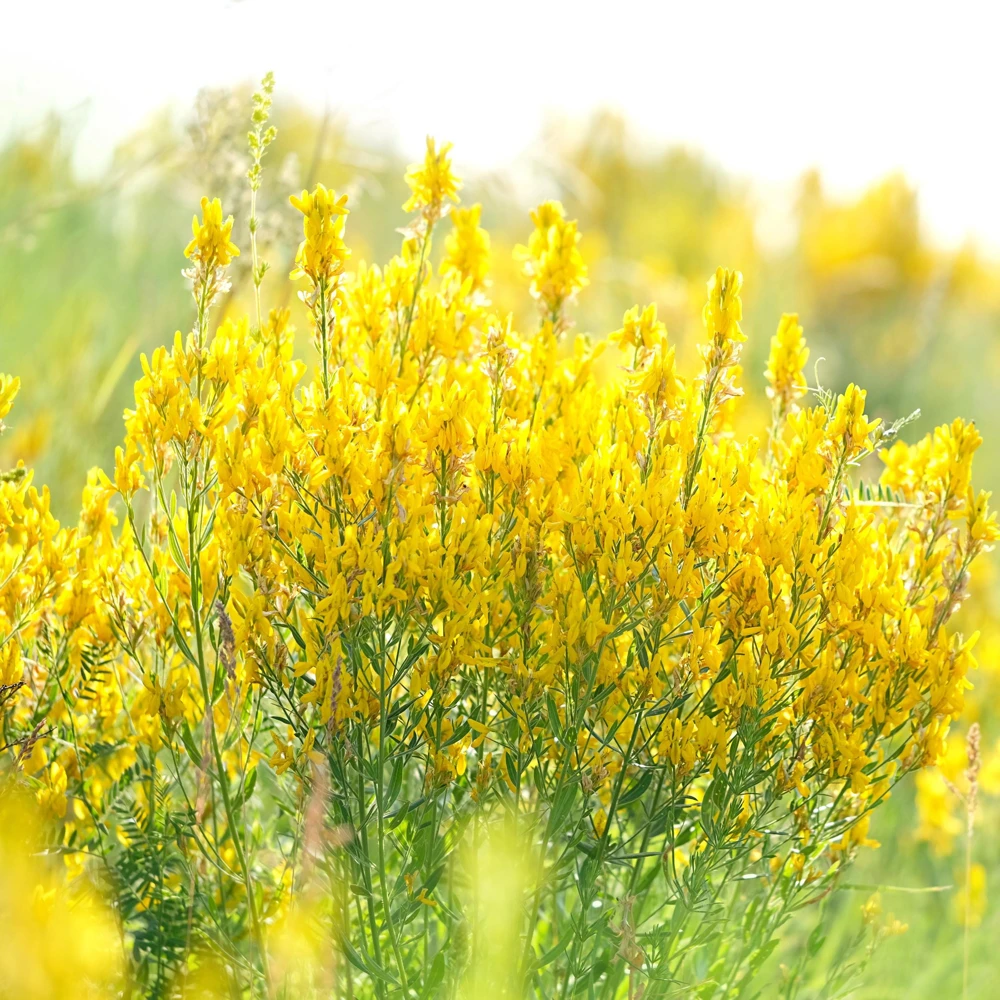
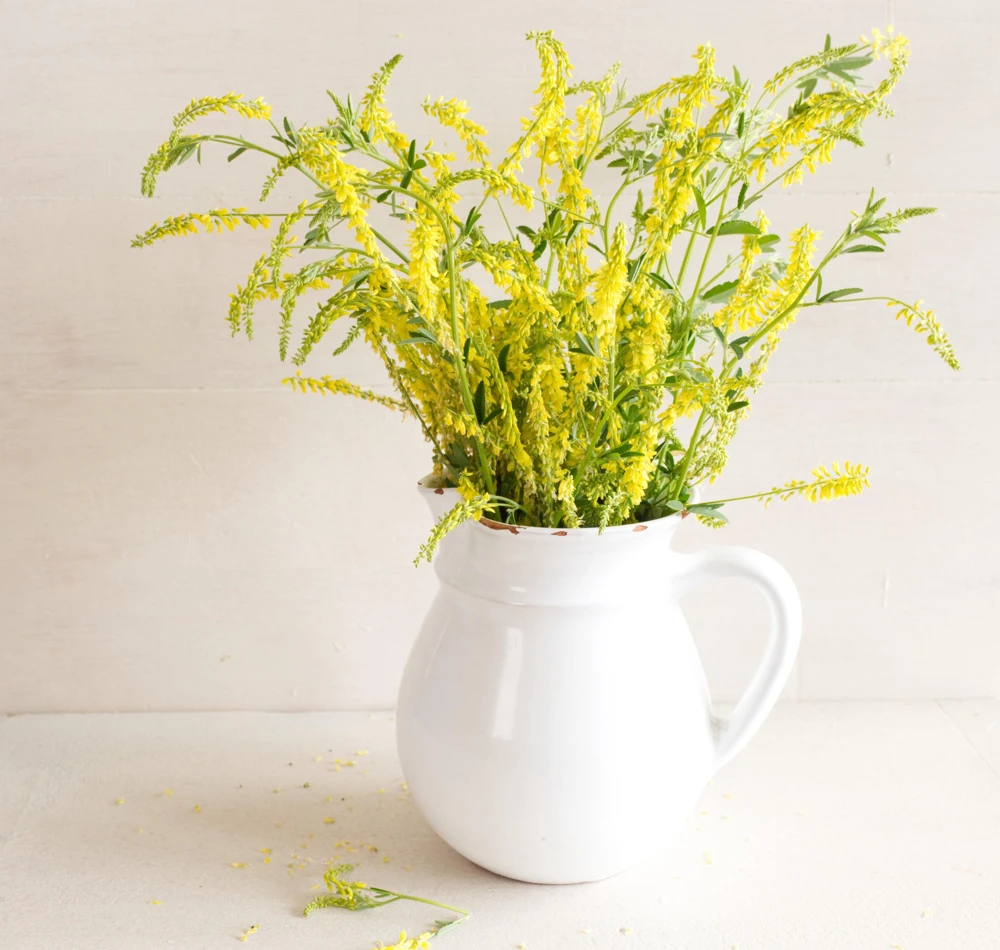
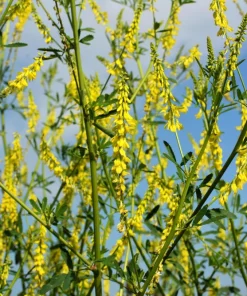
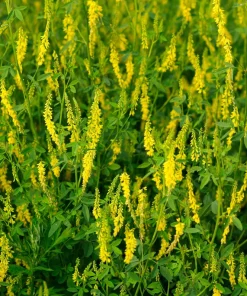
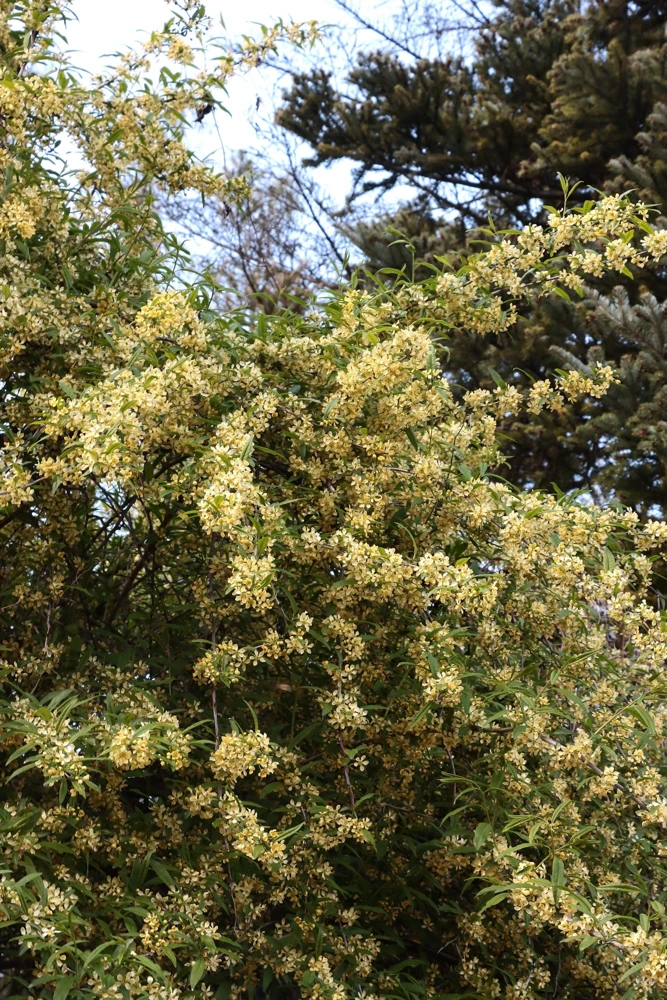
Cultivate yellow sweet clover seeds (Melilotus Officinalis) to create a beautiful, beneficial addition to your garden. These Melilotus Officinalis seeds yield bright yellow flowers, attracting pollinators and enriching soil. Ideal for naturalizing and supporting local ecosystems.
Estimated arrival
Sep 14
Sep 19 - Sep 21
Sep 24 - Sep 28
Shop With Confidence
30-Day Plant Health Guarantee
Arrives damaged? We’ll replace it free — see our return policy.
Responsive Support
Email us anytime, we reply within 1 business day.
Expert Packaging
Temperature-controlled shipping to protect your plants in transit.
Secure Checkout
Pay safely with Visa, Mastercard, PayPal.
Plant Specifications
-
USDA Hardiness Zone
Biennial (often self-seeds in zones 3-9) -
Soil Type
Average, well-draining soil -
Sunlight Exposure
Full sun - Part shade -
Expected Planting Period
Outdoors after frost / Indoors weeks before last frost / Fall
Overview
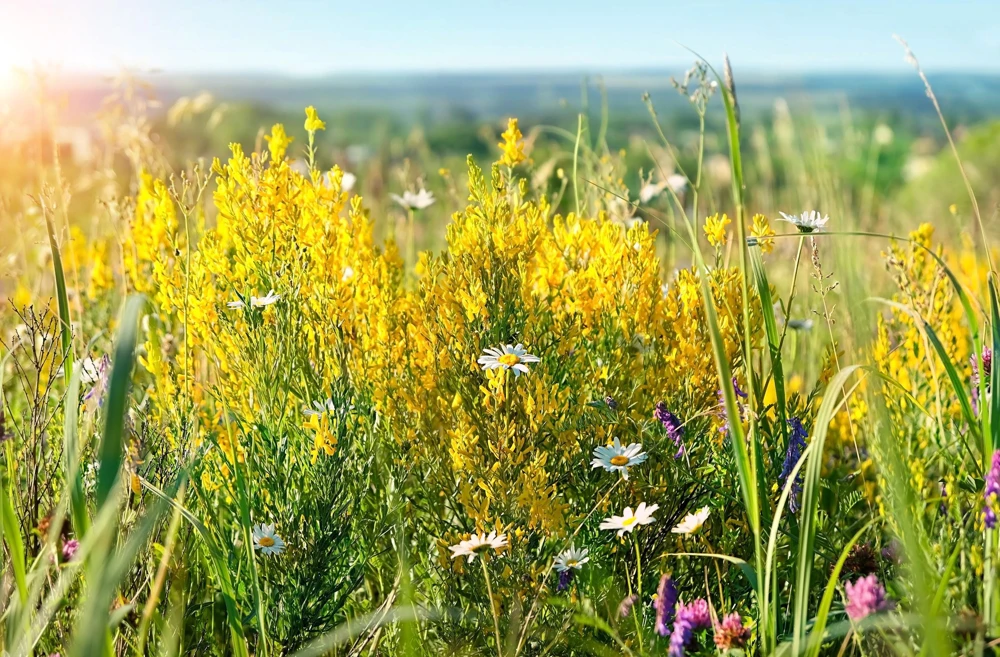
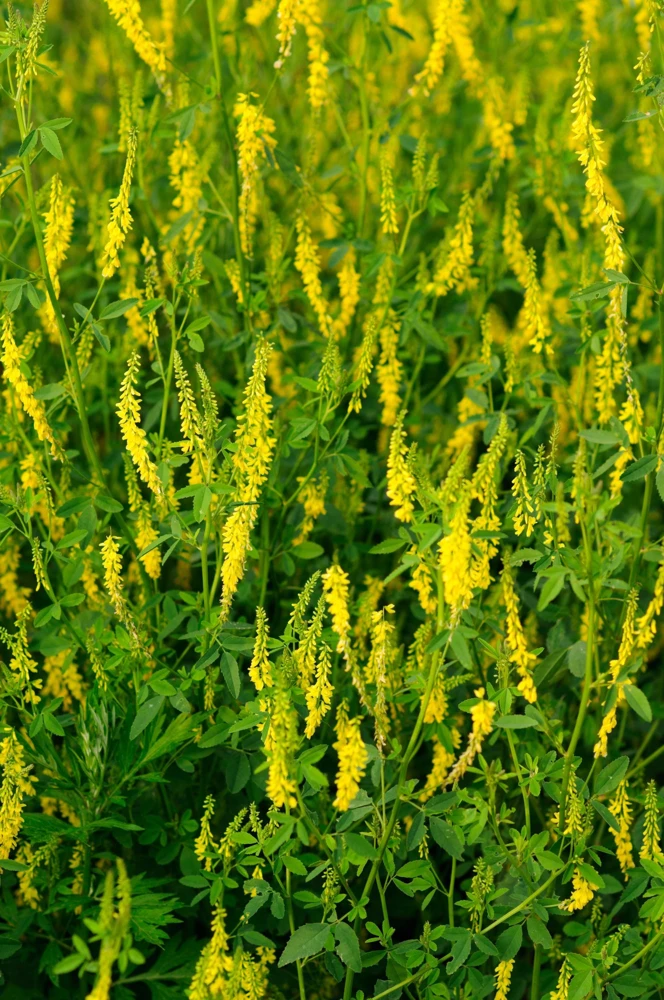
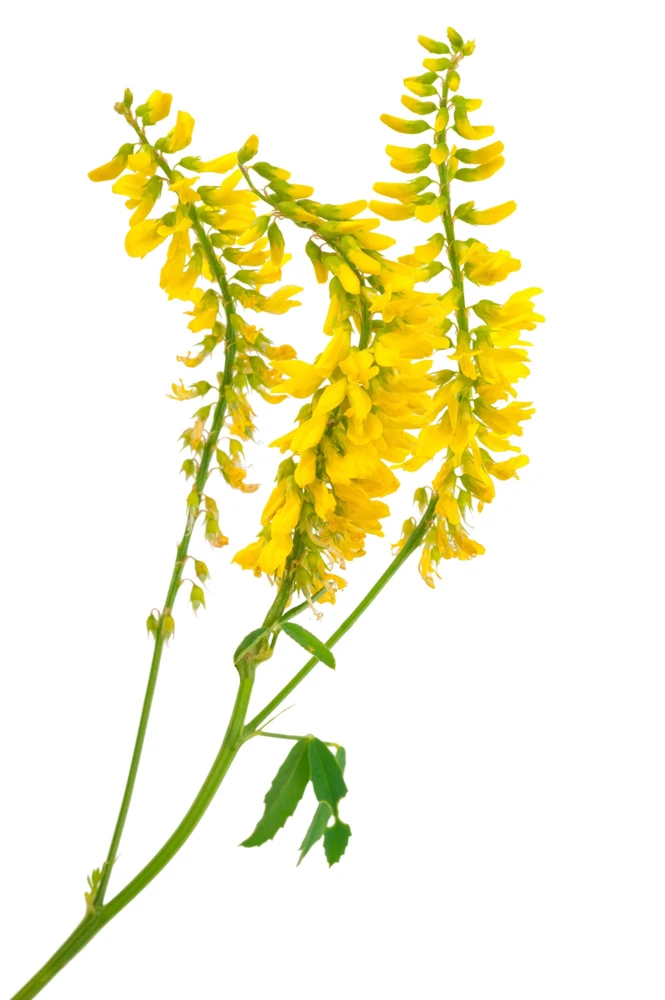
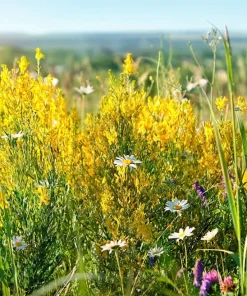
Cultivate a vibrant and beneficial landscape with yellow sweet clover seeds, scientifically known as Melilotus Officinalis. This package contains 3000 high-quality seeds, perfect for establishing a thriving patch of this versatile biennial plant. Yellow sweet clover seeds are renowned for their bright yellow blooms, which not only add a splash of color to any garden but also serve as a crucial nectar source for various pollinators, including the endangered honey bee. Melilotus Officinalis is a robust and adaptable plant, making it an excellent choice for gardeners looking to support local ecosystems, improve soil health, or simply enjoy its natural beauty. Whether you’re creating a wildflower meadow, a pollinator garden, or using it as a cover crop, these seeds offer an opportunity to grow a plant that is both aesthetically pleasing and ecologically valuable. The ease of cultivation and the numerous benefits it provides make sweet clover a popular choice for both novice and experienced gardeners.
Key Benefits
Growing yellow sweet clover seeds offers a multitude of advantages for your garden and the environment. These benefits extend beyond simple aesthetics, contributing to a healthier and more vibrant outdoor space.
-
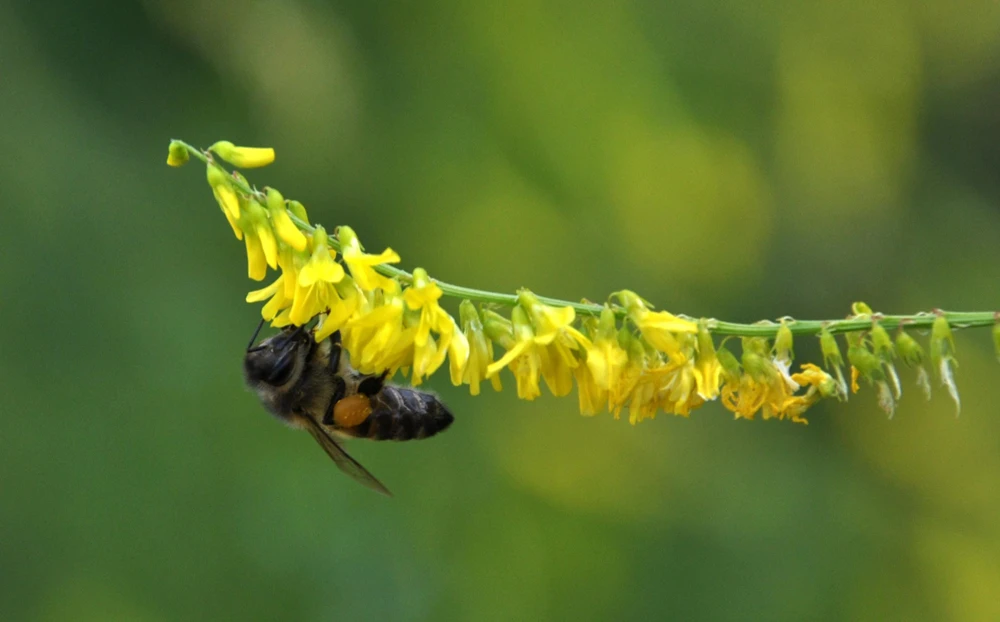
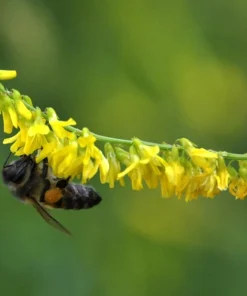
Attracts Pollinators:Sweet clover for bees is an exceptional choice. The bright yellow flowers are a magnet for honey bees, native bees, and butterflies, providing them with essential nectar and pollen, thereby supporting local pollinator populations and enhancing biodiversity.
-
Soil Improvement: As a legume, Melilotus Officinalis is a natural nitrogen fixer. Its extensive root system helps to break up compacted soil, improve its structure, and enrich it with nitrogen, reducing the need for synthetic fertilizers.
-
Erosion Control: The deep and fibrous root system of yellow sweet clover is highly effective at stabilizing soil, preventing erosion on slopes, in disturbed areas, or during heavy rains.
-
Low Maintenance: Once established, yellow sweet clover is remarkably resilient and requires minimal care. It is drought-tolerant and can thrive in a variety of soil conditions, making it an easy-to-grow option for busy gardeners.
-
Versatile Use: These Melilotus Officinalis seeds can be used in diverse settings, from creating an attractive ground cover, establishing a cover crop, adding to wildflower mixes, or simply as a beautiful flowering plant in garden beds.
-
Wildlife Support: Beyond bees and butterflies, the foliage and seeds can provide food and habitat for other beneficial insects and small wildlife, further enhancing your garden’s ecological value.
Plant Care & Growing Tips
Successfully growing yellow sweet clover seeds is straightforward, thanks to the plant’s hardy nature. Understanding its basic needs will ensure a flourishing display and maximize its benefits. For optimal growth, choose a location that receives full sun to partial shade. While it can tolerate some shade, more sunlight generally leads to more abundant blooms and denser growth. Ensure the soil is well-draining, as waterlogged conditions can be detrimental. Sweet clover is not particular about soil type and can thrive in average garden soil, including sandy or clay soils, as long as drainage is adequate.
When considering how to grow sweet clover, planting can occur either outdoors after the last frost in spring, or indoors several weeks before the last frost for an earlier start. Fall planting is also an option, allowing seeds to stratify over winter and emerge in spring. Sow the yellow sweet clover seeds approximately 1/4 inch deep and space them about 12-15 inches apart, though they can be broadcast for a more naturalized look. Keep the soil consistently moist until germination occurs, which typically takes 7-14 days. Once established, Melilotus Officinalis is quite drought-tolerant and will only require watering during prolonged dry spells. Fertilization is generally not necessary, as the plant itself enriches the soil with nitrogen. Monitor for common pests or diseases, though sweet clover is generally quite resistant. Its biennial nature means it will grow foliage in the first year and flower/set seed in the second year before dying back.
Size & Details
This package contains 3000 yellow sweet clover seeds, providing ample quantity for various planting projects. The seeds will grow into plants that typically reach a height of 24 to 36 inches, creating a substantial presence in your garden. Plant spacing should ideally be 12 to 15 inches apart to allow for healthy development and air circulation, though denser planting can be achieved for cover cropping or meadow designs. The plant will bloom during the summer months of its second year, showcasing a profusion of bright yellow flowers. Sweet clover is a biennial, meaning it completes its life cycle over two years, producing foliage in the first year and flowering and setting seed in the second. These seeds are shipped as raw, untreated seeds, ready for planting to establish a beautiful and beneficial patch of Melilotus Officinalis.
Frequently Asked Questions
-
Q: How big do yellow sweet clover plants get? A: Yellow sweet clover seeds will grow into plants that typically reach a height of 24 to 36 inches (2 to 3 feet) tall, creating a significant presence in your garden or field. They tend to have an upright and bushy growth habit.
-
Q: Is this an indoor or outdoor plant? A: Yellow sweet clover (Melilotus Officinalis) is primarily an outdoor plant. It thrives in open, sunny environments and is commonly used in gardens, meadows, and agricultural settings. It is not suitable for indoor cultivation.
-
Q: Is yellow sweet clover easy to care for? A: Yes, sweet clover is known for being very easy to care for. Once established, it is drought-tolerant and can grow in average soil conditions with minimal intervention, making it an excellent choice for beginners and low-maintenance gardening. Many gardeners look for tips on how to grow sweet clover effectively, but often find it quite forgiving.
-
Q: What condition will the seeds arrive in? A: The 3000 yellow sweet clover seeds will arrive as dry, raw seeds in a protective packet, ready for planting. They are not pre-germinated or treated.
-
Q: When is the best time to plant yellow sweet clover seeds? A: You can plant yellow sweet clover seeds outdoors after the last frost in spring, or sow them in the fall. Fall planting allows for natural cold stratification, which can improve germination rates in the spring.
-
Q: What type of soil does yellow sweet clover prefer? A: Yellow sweet clover is adaptable to most soil types, including sandy, loamy, and clay soils, as long as they are well-draining. It is not particular about soil fertility, as it enriches the soil itself.
-
Q: Will yellow sweet clover attract bees? A: Absolutely! Sweet clover for bees is one of its most prominent benefits. The flowers are rich in nectar and are highly attractive to honey bees, bumblebees, and other beneficial pollinators, making it an excellent choice for a pollinator garden.
-
Q: Is this a perennial or biennial plant? A: Yellow sweet clover (Melilotus Officinalis) is a biennial plant. This means it grows foliage in its first year and then flowers, produces seeds, and dies back in its second year.
-
Q: What hardiness zone is yellow sweet clover suitable for? A: As a biennial, yellow sweet clover is quite hardy and can reseed itself. It is generally suitable for a wide range of USDA hardiness zones, often surviving in zones 3-9, depending on specific conditions.
-
Q: Can I use yellow sweet clover as a cover crop? A: Yes, yellow sweet clover makes an excellent cover crop due to its nitrogen-fixing properties and ability to improve soil structure. It’s an effective choice for fallow fields or garden beds needing rejuvenation.
Be the first to review “3000 Yellow Sweet Clover Seeds – Melilotus Officinalis Flower Seeds”
People Also Viewed
Reviews
There are no reviews yet.