

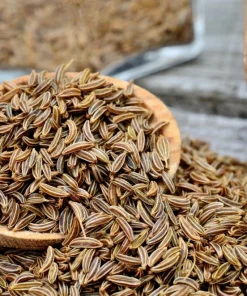
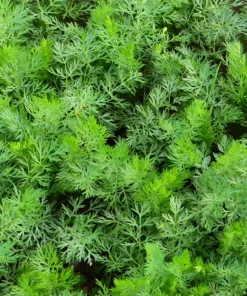
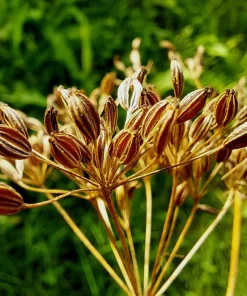
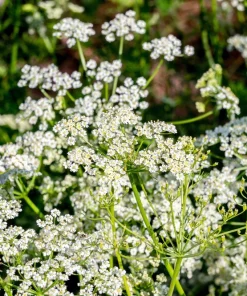
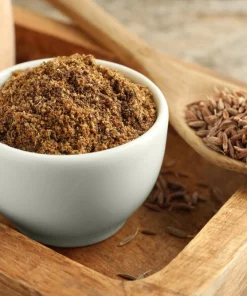
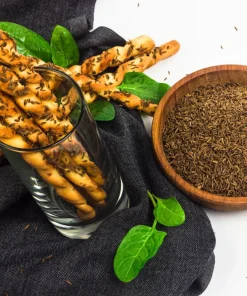

Caraway Herb Seeds – 400 Seeds – Carum Carvi – White Flowers
Original price was: $36.99.$16.99Current price is: $16.99.
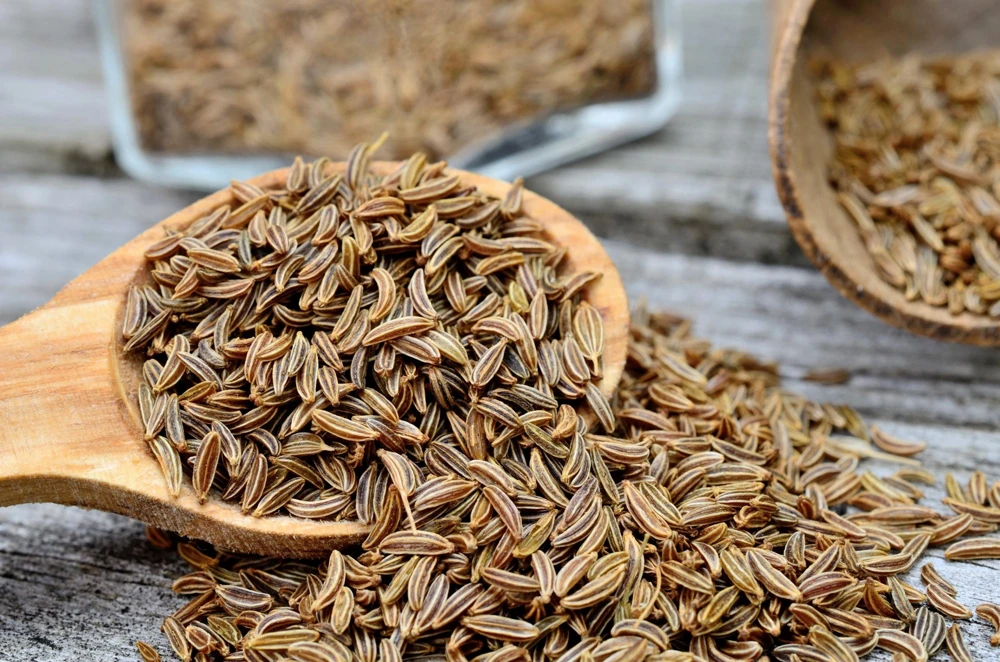
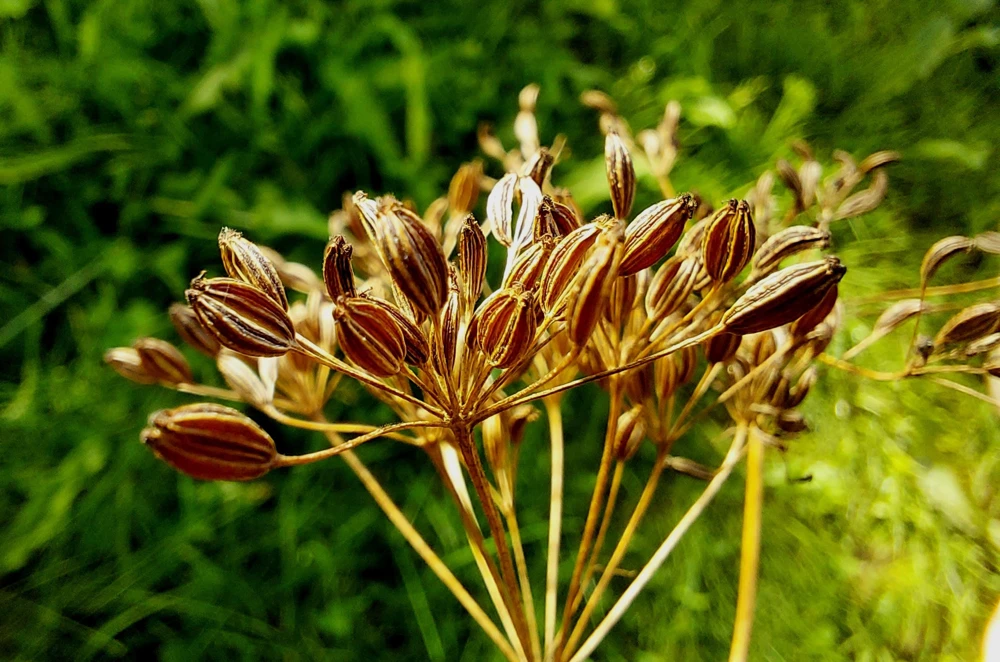
Cultivate the versatile caraway herb seeds (Carum Carvi) in your garden. This packet contains 400 seeds, perfect for growing aromatic plants with edible leaves and seeds. Enjoy fresh caraway for cooking or as a beautiful ornamental addition, suitable for USDA Zones 3-9.
Estimated arrival
Sep 14
Sep 19 - Sep 21
Sep 24 - Sep 28
Shop With Confidence
30-Day Plant Health Guarantee
Arrives damaged? We’ll replace it free — see our return policy.
Responsive Support
Email us anytime, we reply within 1 business day.
Expert Packaging
Temperature-controlled shipping to protect your plants in transit.
Secure Checkout
Pay safely with Visa, Mastercard, PayPal.
Plant Specifications
-
USDA Hardiness Zone
3-9 -
Soil Type
Average, well-draining soil -
Sunlight Exposure
Full sun -
Expected Planting Period
Outdoors after last frost / Indoors weeks before last frost
Overview
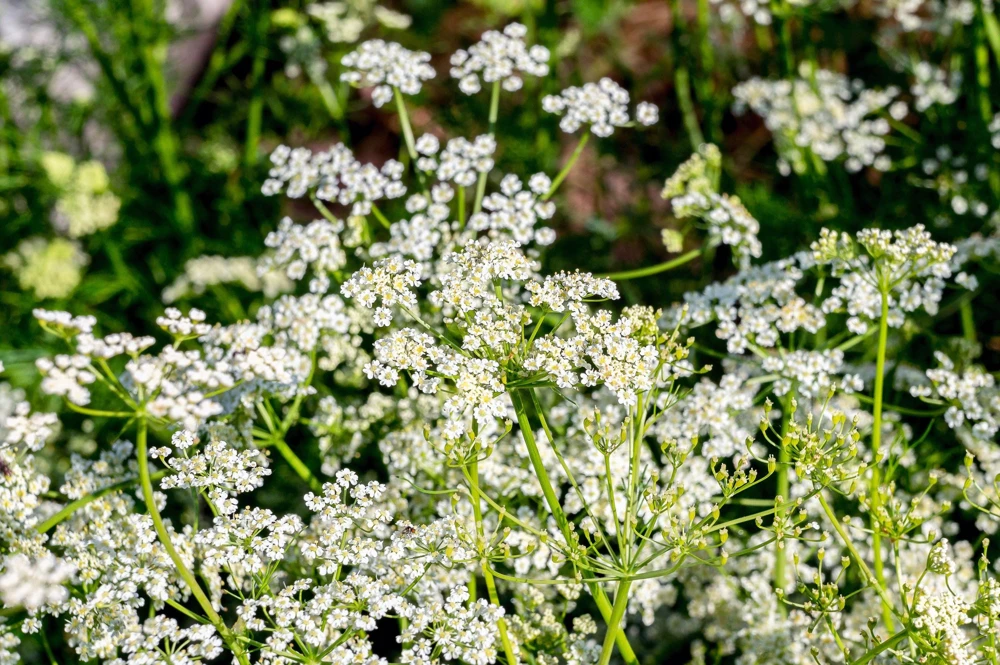
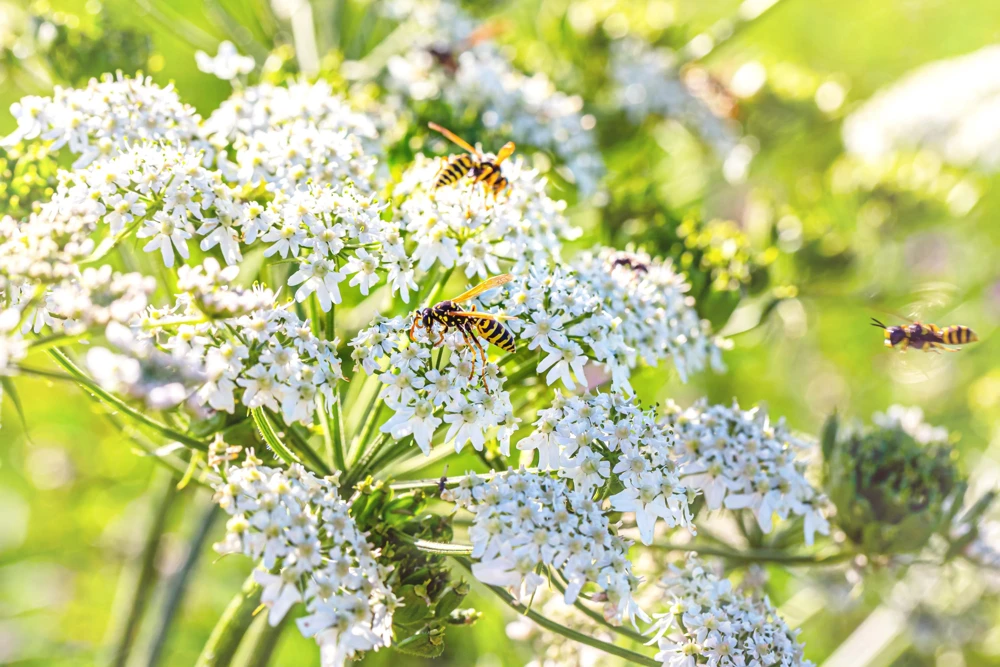
Embark on a rewarding gardening journey with these caraway herb seeds. Caraway, scientifically known as Carum Carvi, is a versatile and aromatic biennial herb cherished for its distinctive flavor and beautiful white flowers. Each packet contains 400 high-quality seeds, providing ample opportunity to establish a thriving patch of this culinary favorite. Whether you’re a seasoned gardener or just starting, growing caraway herb seeds offers the satisfaction of harvesting your own fresh ingredients directly from your backyard. This herb is not only a staple in many kitchens but also an attractive addition to any garden landscape, drawing beneficial pollinators with its delicate blooms.
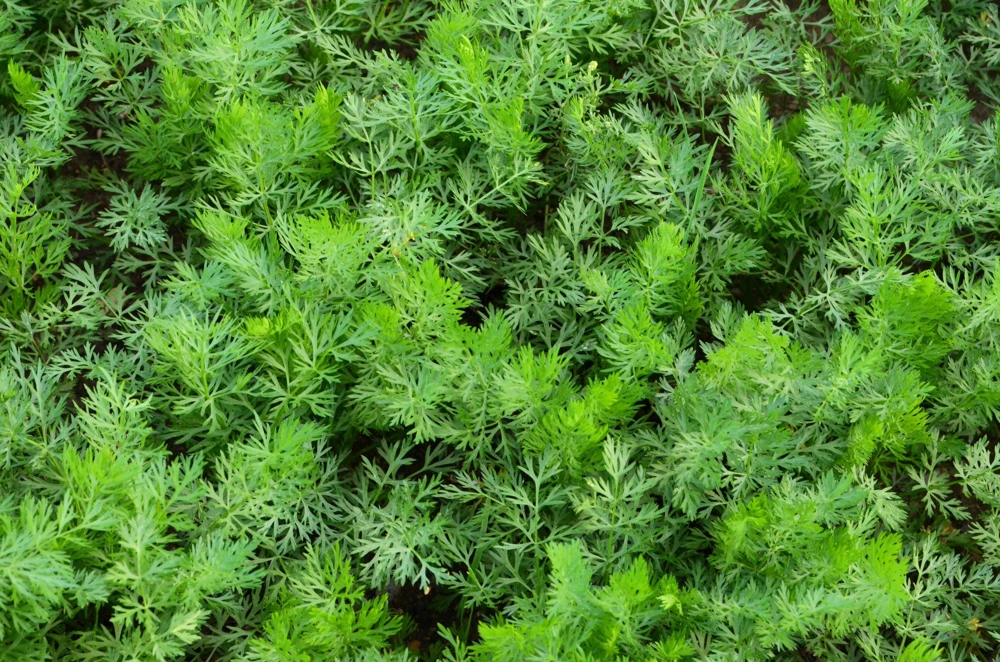
Originating from Asia, Africa, and Europe, caraway has been cultivated for centuries, valued for its culinary, medicinal, and ornamental properties. The plant typically grows to a height of 12-18 inches, forming attractive foliage before sending up delicate white flower clusters in mid-summer. These seeds are ideal for anyone looking to grow caraway from seed, offering a natural and organic approach to enhancing their home cooking and garden aesthetics. The ease of cultivation and the plant’s resilience make it a fantastic choice for gardeners across various climates, particularly those in USDA Hardiness Zones 3-9.
Key Benefits
Growing your own caraway offers a multitude of benefits, both for your kitchen and your garden. These caraway herb seeds provide an excellent foundation for a productive and beautiful herb garden:
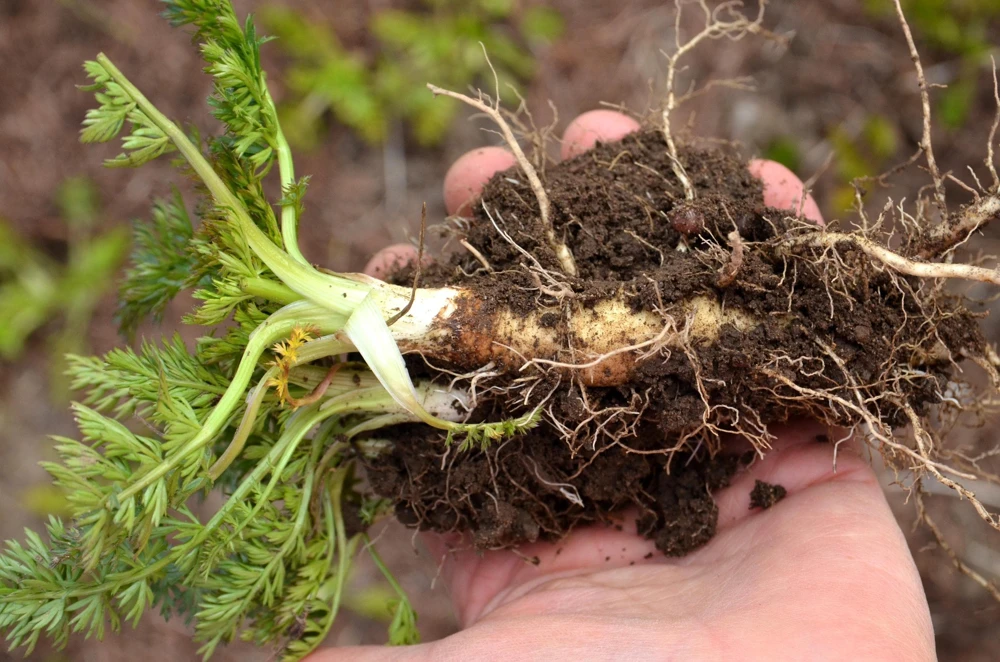
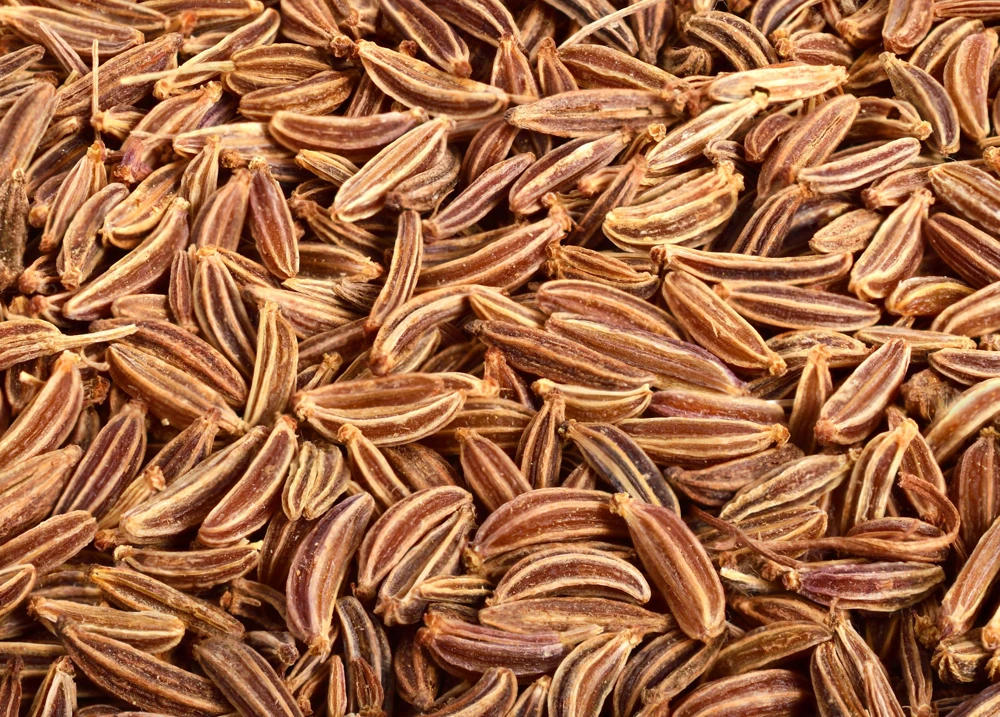
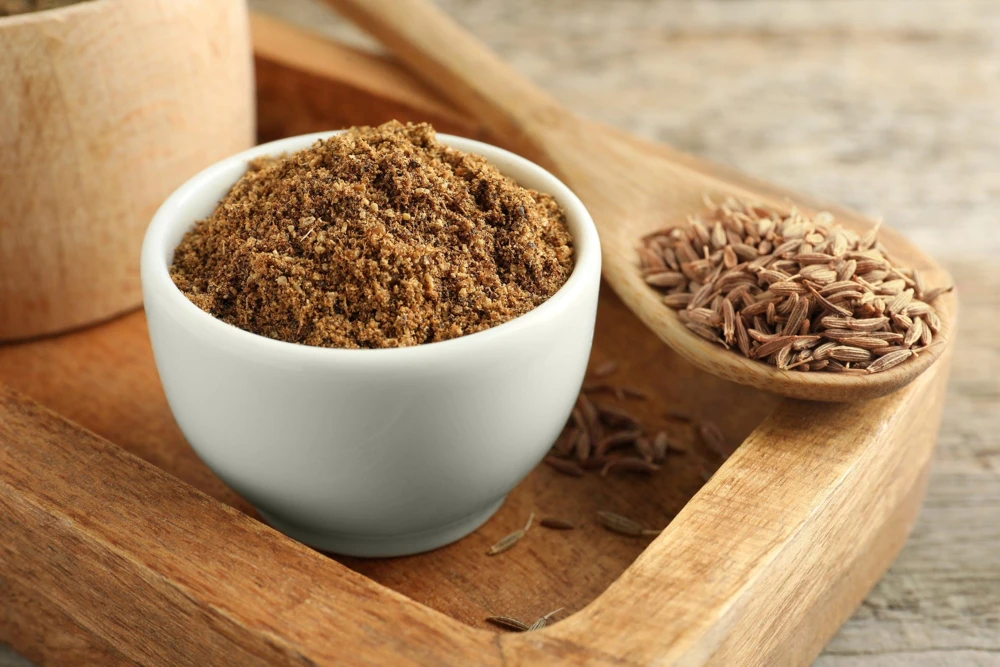
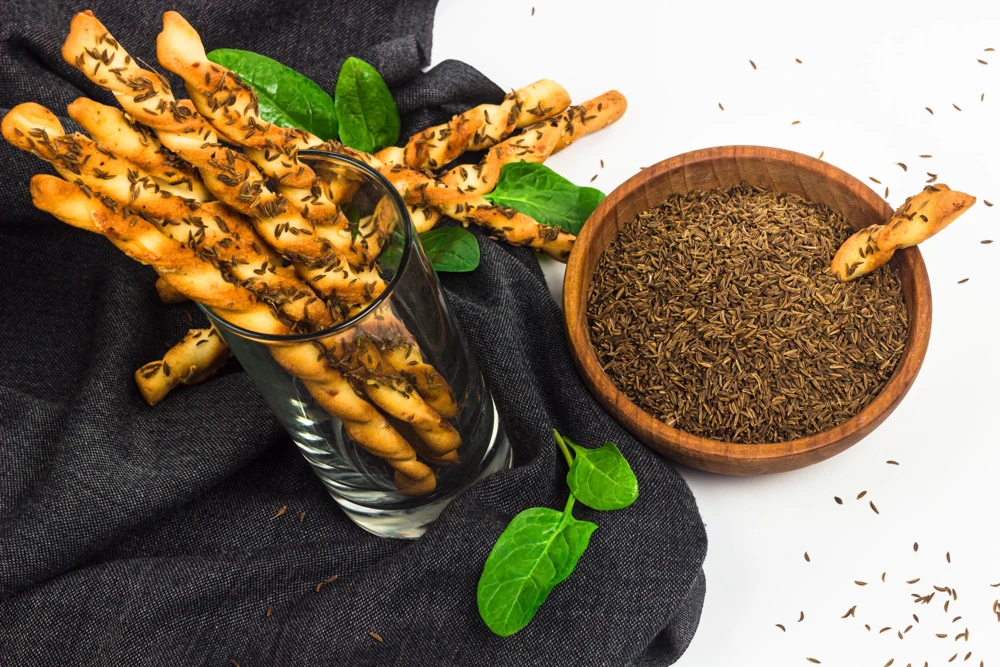
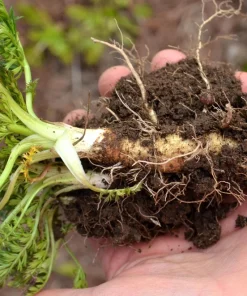
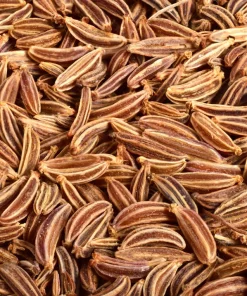
- Culinary Versatility: The leaves, roots, and especially the seeds of the caraway plant are widely used in cooking. The distinctive, slightly peppery, and anise-like flavor of caraway seeds is essential in rye bread, cheeses, sauerkraut, and various stews and liqueurs. Having fresh caraway readily available elevates your culinary creations.
- Aromatic Qualities: Beyond its taste, caraway is known for its pleasant aroma. The plant can be used in potpourri, adding a natural, fresh scent to your home. The fragrant foliage and flowers also make it a delightful addition to sensory gardens.
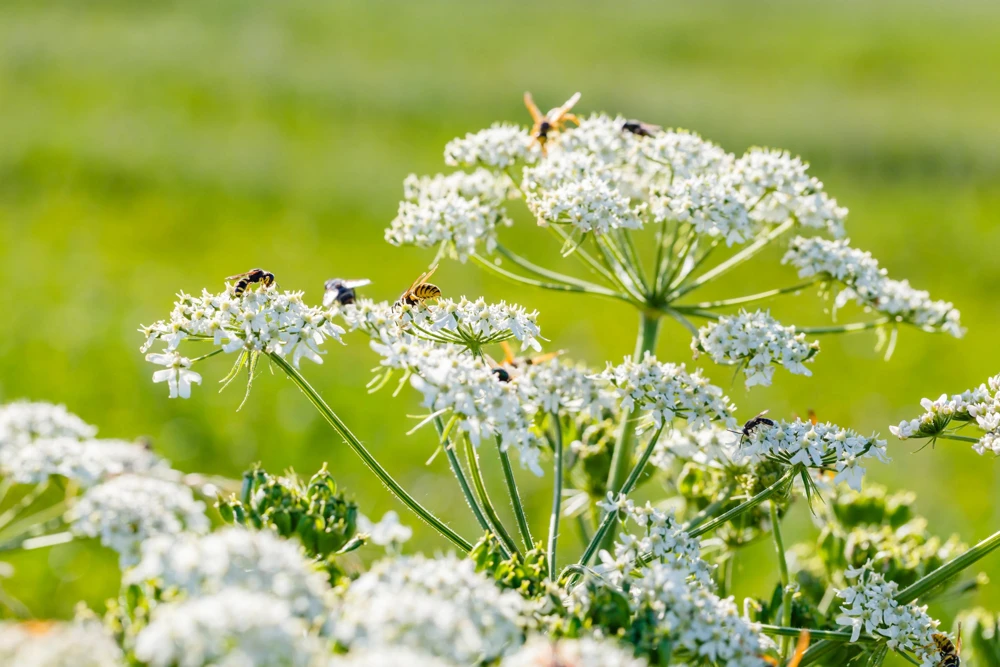
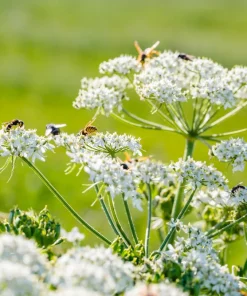
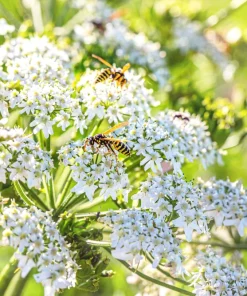
- Attracts Pollinators: The white, umbel-shaped flowers that appear in mid-summer are highly attractive to bees, butterflies, and other beneficial insects. Planting caraway herb seeds contributes to local biodiversity and supports healthy garden ecosystems.
- Easy to Grow: Caraway is a relatively low-maintenance herb, making it suitable for gardeners of all experience levels. It tolerates average soil conditions and re-seeds itself easily, ensuring a continuous supply of this valuable herb year after year.
- Hardiness and Resilience: Thriving in USDA Hardiness Zones 3-9, caraway is a robust plant that can withstand a range of environmental conditions. Its ability to reseed enhances its long-term presence in your garden without much effort.
- Garden Aesthetics: With its feathery foliage and delicate white flowers, the caraway plant adds an attractive, naturalistic element to herb gardens, cottage gardens, or even mixed perennial borders.
- Health Benefits: Traditionally, caraway has been used for its digestive properties and to alleviate bloating. While not a substitute for medical advice, incorporating this herb into your diet can be a pleasant way to enjoy its potential benefits.
Plant Care & Growing Tips
Successfully cultivating caraway herb seeds is straightforward with the right approach. Caraway (Carum Carvi) prefers a location that receives full sun, meaning at least 6 hours of direct sunlight per day. While it can tolerate some partial shade, abundant sunshine promotes stronger growth and a more prolific seed set. Ensure the planting site has well-draining soil, as waterlogged conditions can lead to root rot. Average soil quality is generally sufficient, but enriching it with some organic matter can improve plant vigor and yield.
For best results, plant caraway herb seeds outdoors after the last frost in spring, or indoors several weeks before the last frost for an earlier start. Sow seeds about ¼ inch deep and 6-9 inches apart. Once established, caraway plants are quite resilient. Water regularly, especially during dry spells, to keep the soil consistently moist but not soggy. Fertilization is usually not necessary in good soil, but a light application of a balanced organic fertilizer can be beneficial if your soil is poor. The plant typically reaches maturity and is ready for harvest in about 75 days from planting, with seeds maturing in its second year.
Caraway is a biennial, meaning it grows foliage in its first year and flowers and produces seeds in its second year before dying back. However, it readily reseeds itself, often creating a self-sustaining patch. To encourage reseeding and ensure a continuous supply, allow some plants to go to seed. Caraway plant care is minimal once established, primarily consisting of occasional weeding and watering. Monitor for common garden pests, though caraway is generally quite resistant. Understanding how to grow caraway from seed effectively ensures a bountiful harvest and a beautiful, fragrant garden addition.
Size & Details
This offering includes 400 Caraway herb seeds, providing a generous quantity for planting a significant area or for multiple seasons of gardening. The scientific name for this aromatic herb is Carum Carvi. When mature, Caraway plants typically reach a height of 12 to 18 inches, displaying an elegant upright growth habit. For optimal development, plants should be spaced approximately 6 to 9 inches apart, allowing adequate air circulation and root development. The delicate white flowers bloom in mid-summer, adding a touch of charm to your garden landscape. Caraway is a biennial plant, meaning it completes its life cycle over two years, but it is known for easily reseeding itself, ensuring a continuous presence in your garden. The harvest period for the leaves can begin around 75 days after planting, while the seeds are typically ready for collection in the second year. These seeds are packaged to ensure freshness and viability, ready for planting upon arrival to help you start your journey to grow caraway from seed.
Frequently Asked Questions
- Q: How big does the caraway plant get? A: Caraway plants typically grow to a height of 12 to 18 inches. They have a relatively compact spread, making them suitable for various garden sizes and containers.
- Q: Is this an indoor or outdoor plant? A: Caraway is primarily an outdoor plant, thriving in garden beds. While it can be grown in containers, it generally prefers direct sunlight and open spaces for optimal growth and seed production.
- Q: How much sunlight does it need? A: Caraway requires full sun, meaning at least 6 hours of direct sunlight daily, to flourish. Adequate sunlight is crucial for strong growth and good seed development.
- Q: Is this plant easy to care for? A: Yes, caraway is considered an easy-to-care-for herb. It tolerates average soil conditions and is quite resilient, making it suitable for gardeners of all experience levels who want to grow caraway from seed.
- Q: What condition will the seeds arrive in? A: The seeds will arrive in a sealed packet, ensuring their freshness and viability. They are ready for immediate planting upon receipt.
- Q: Can I use caraway in cooking? A: Absolutely! Both the leaves and the seeds of the caraway plant are widely used as a spice in various culinary dishes, including bread, cheese, and stews. This is a key benefit of growing caraway herb seeds.
- Q: When is the best time to plant caraway seeds? A: The best time to plant caraway seeds outdoors is after the last frost in spring. For an earlier start, you can sow them indoors several weeks before the last frost.
- Q: What’s the minimum temperature caraway can tolerate? A: Caraway is hardy in USDA Zones 3-9, meaning it can tolerate winter temperatures down to approximately -40°F (-40°C) in its dormant state, especially with some snow cover.
- Q: How long until caraway seeds are ready to harvest? A: Caraway is a biennial. While the leaves can be harvested in about 75 days from planting, the highly prized seeds are typically ready for harvest in the plant’s second year.
- Q: What are the benefits of growing carum carvi seeds? A: Growing carum carvi seeds provides fresh culinary herbs, attracts beneficial pollinators, offers aromatic qualities for potpourri, and adds an attractive, low-maintenance plant to your garden.
Be the first to review “Caraway Herb Seeds – 400 Seeds – Carum Carvi – White Flowers”
People Also Viewed

Reviews
There are no reviews yet.