
Rhubarb Red Swiss Chard Vegetable Seeds – 300 Seeds – Beta Vulgaris
Original price was: $36.99.$16.99Current price is: $16.99.
Cultivate your own delicious and ornamental rhubarb red swiss chard seeds with this pack of 300 high-quality vegetable seeds. Known as perpetual spinach seeds, this variety offers continuous harvests of tender leaves and vibrant red stems. Perfect for home gardens, it’s easy to grow and tolerant of various conditions.
Estimated arrival
Sep 14
Sep 19 - Sep 21
Sep 24 - Sep 28
Shop With Confidence
30-Day Plant Health Guarantee
Arrives damaged? We’ll replace it free — see our return policy.
Responsive Support
Email us anytime, we reply within 1 business day.
Expert Packaging
Temperature-controlled shipping to protect your plants in transit.
Secure Checkout
Pay safely with Visa, Mastercard, PayPal.
Plant Specifications
-
USDA Hardiness Zone
Annual -
Soil Type
Average, well-draining soil -
Sunlight Exposure
Full sun to partial shade -
Expected Planting Period
Spring or Fall
Overview
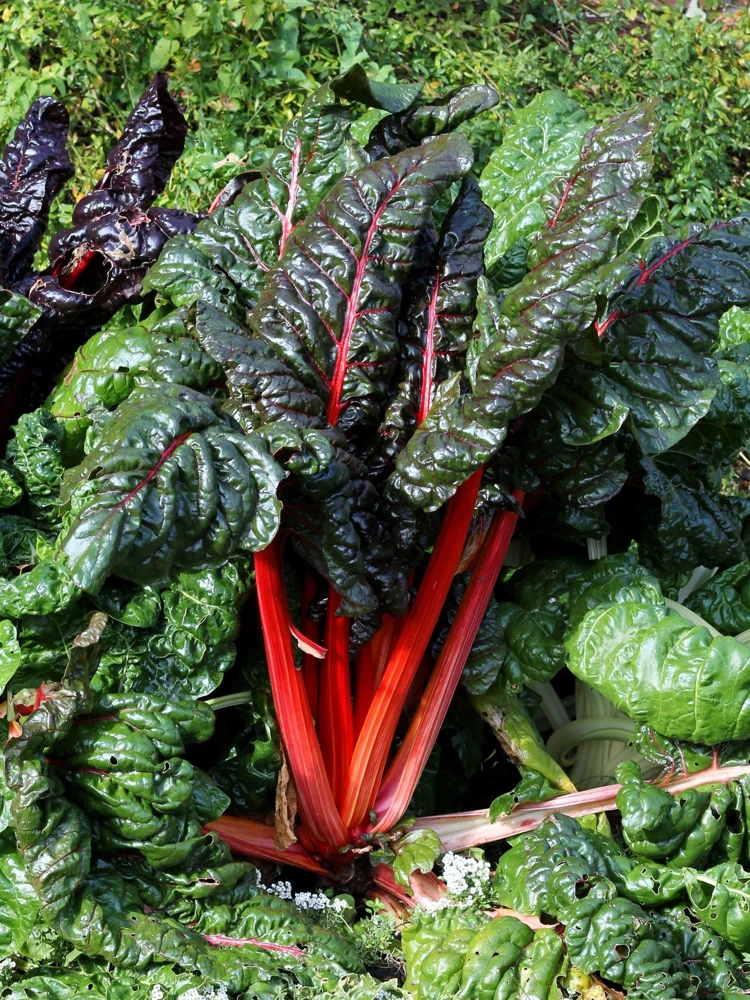
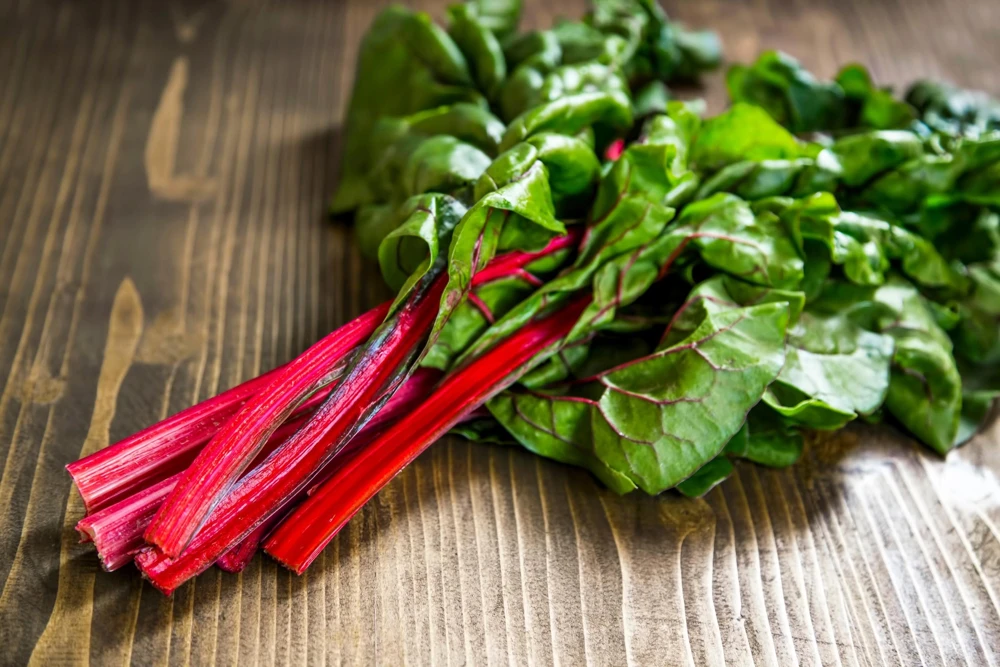
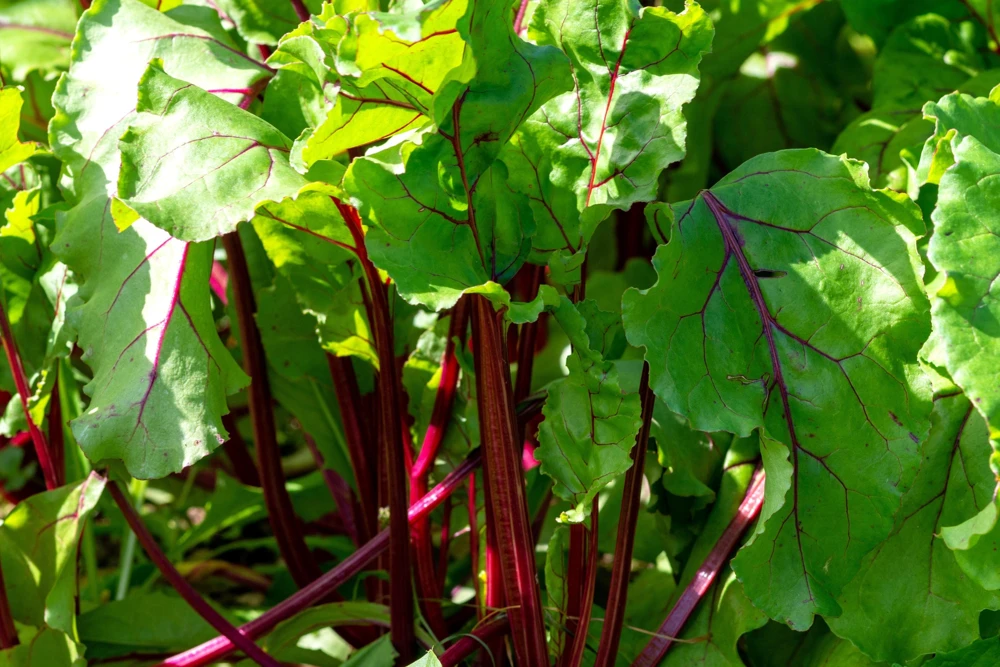
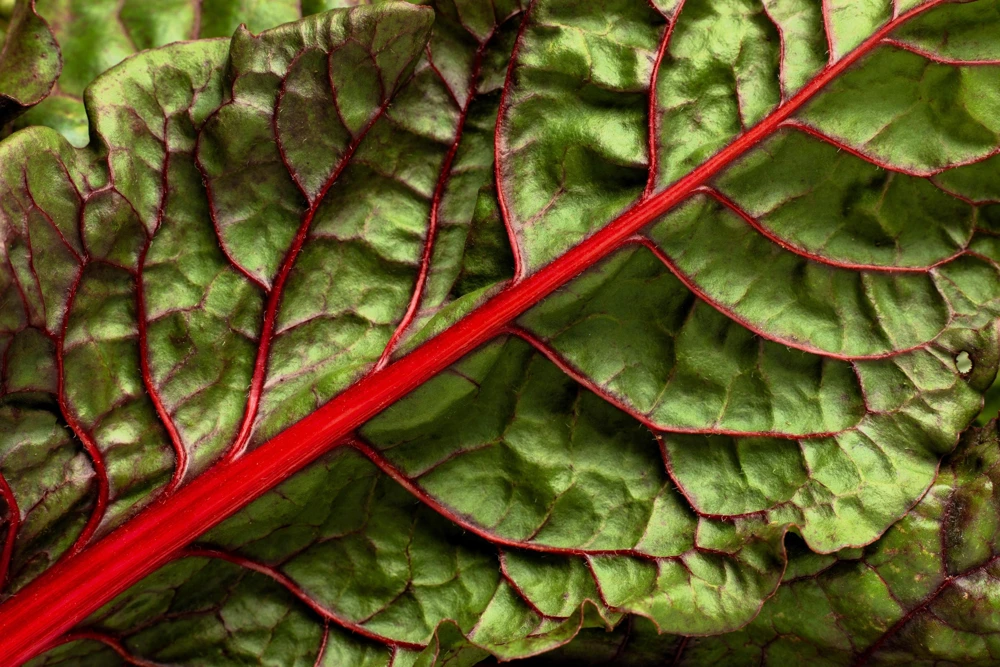
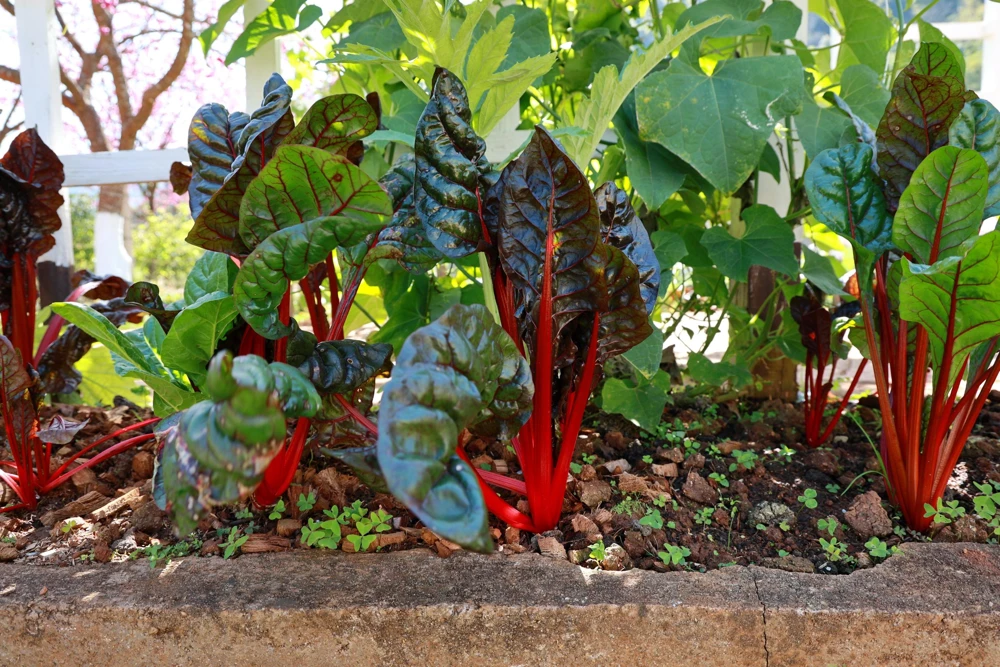
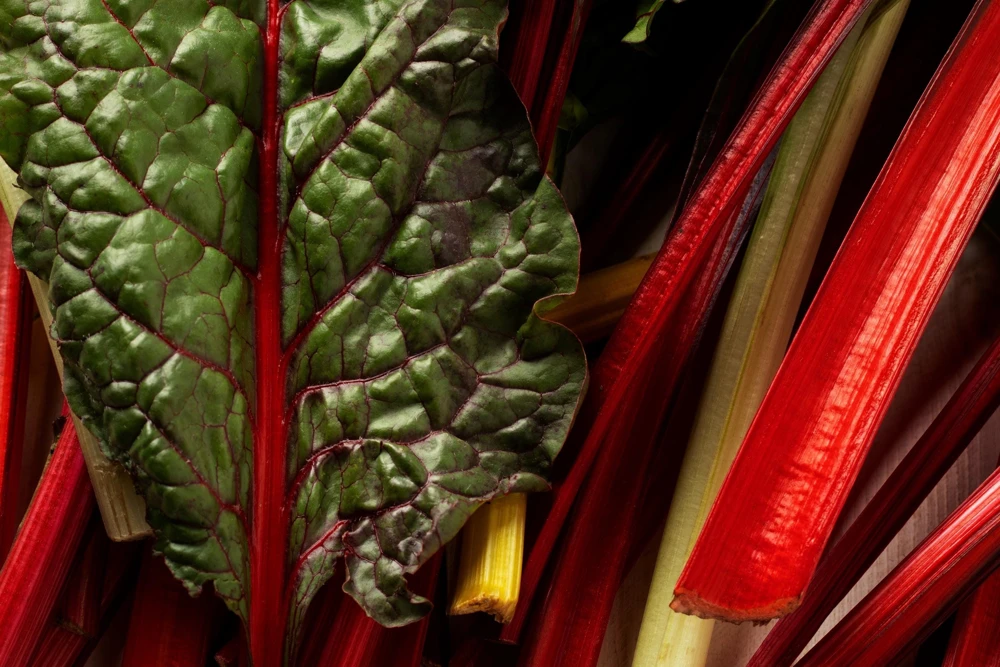
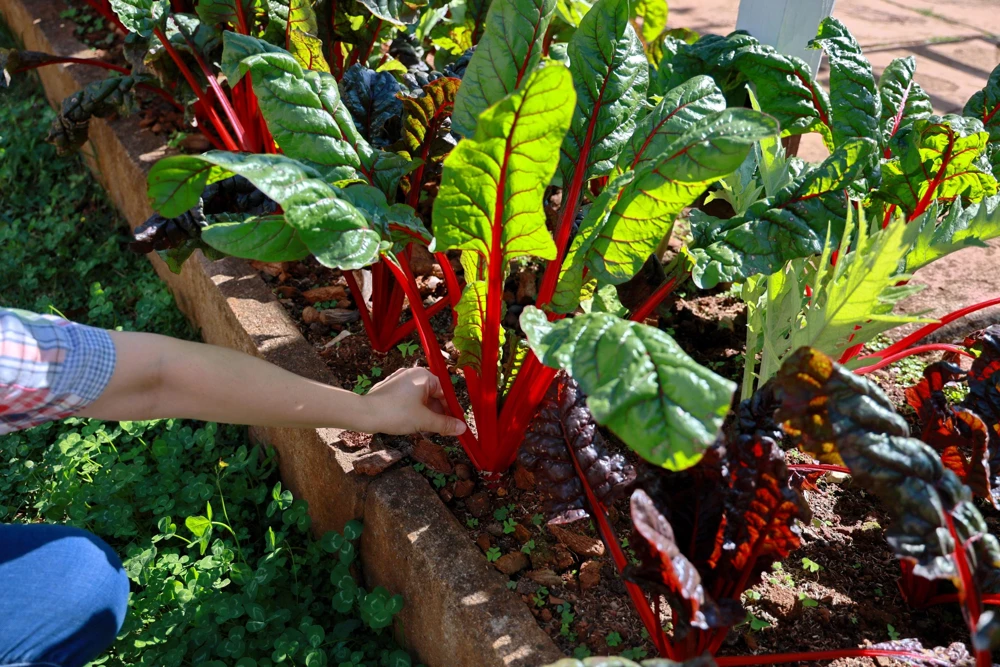
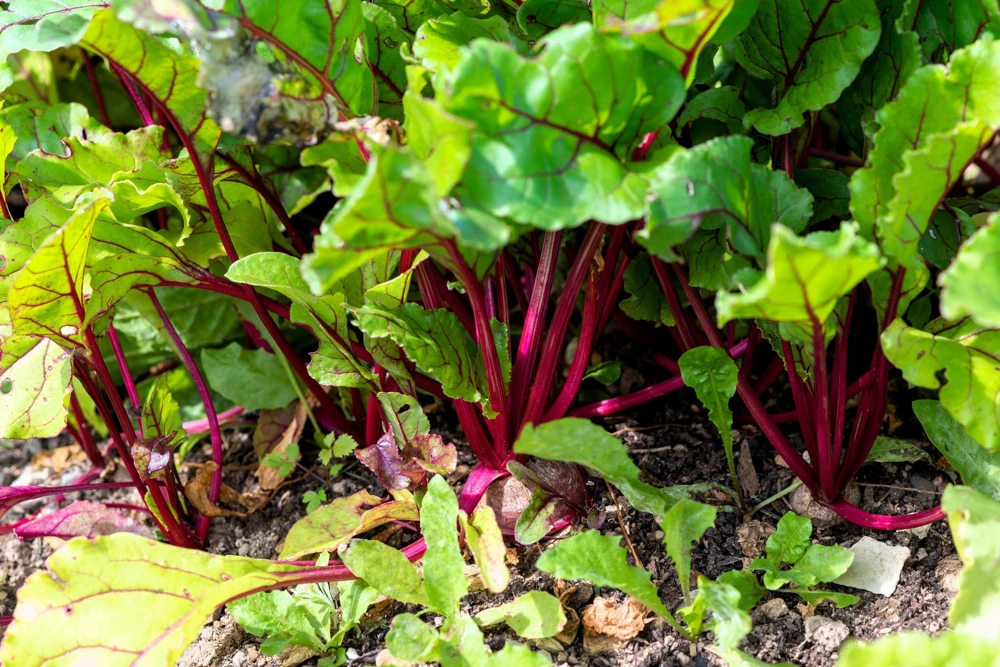
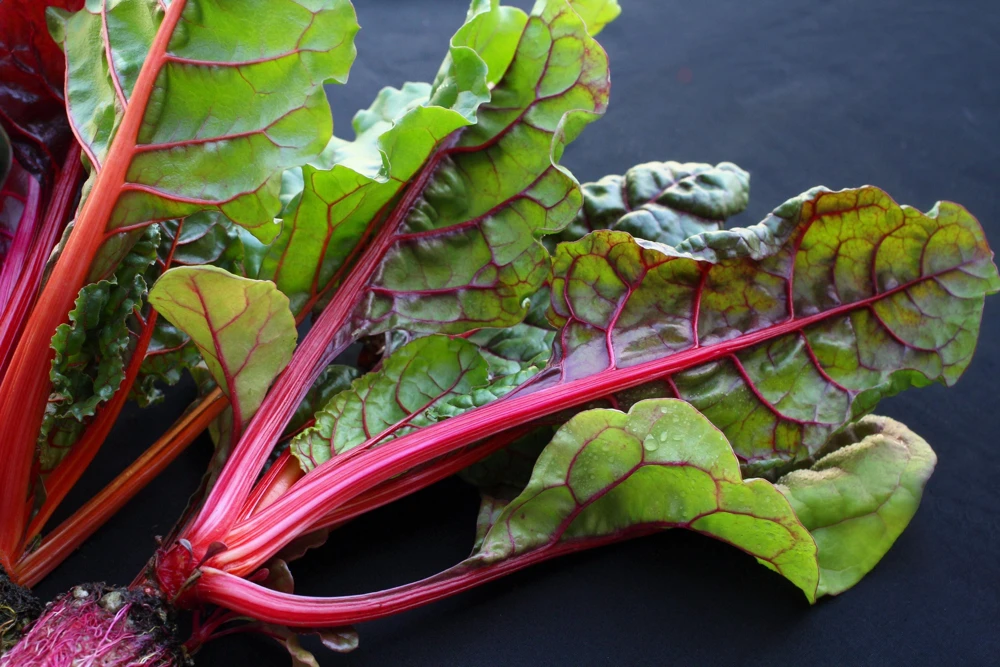
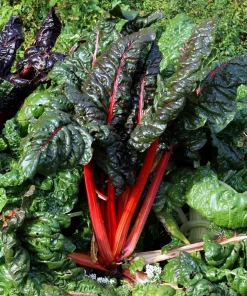
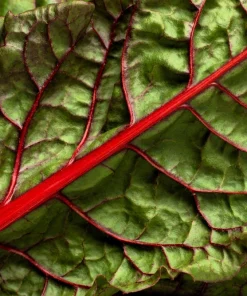
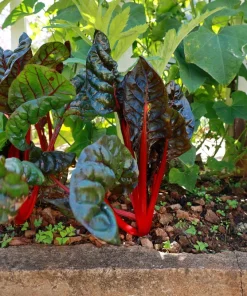
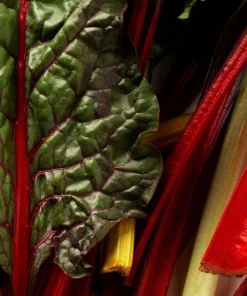
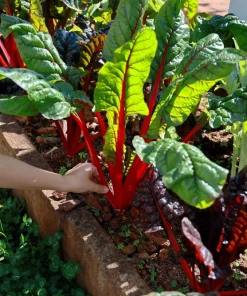
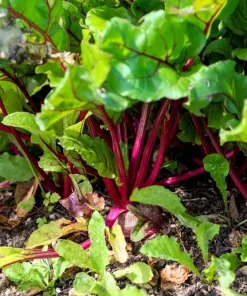
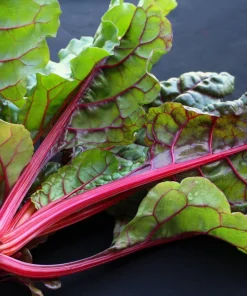
Embark on a rewarding gardening journey with our premium rhubarb red swiss chard seeds. This exceptional variety, scientifically known as Beta Vulgaris, is a gardener’s delight, offering both beauty and bounty. Often referred to as perpetual spinach seeds, ‘Rhubarb Red’ Swiss Chard provides a continuous harvest of flavorful leaves, making it a staple for any home garden. Its striking dark red stems and heavily crinkled medium green leaves add a vibrant touch to your vegetable patch, while its less bitter taste makes it a culinary favorite. These seeds are perfect for gardeners looking for an easy-to-grow, disease-resistant, and high-yielding vegetable that thrives in various conditions. Whether you’re a seasoned gardener or a beginner, growing beta vulgaris seeds will bring fresh, nutritious produce to your table.
This pack contains 300 individual seeds, ensuring you have plenty to start your healthy harvest. Swiss Chard is remarkably versatile; you can harvest individual leaves for a ‘cut and come again’ approach, or allow the entire plant to mature for a full harvest. It’s tolerant of some frost, allowing for spring or fall planting, and can even overwinter in warmer climates. Discover the joy of growing your own fresh, nutritious vegetables with these easy-to-cultivate seeds.
Key Benefits
Growing rhubarb red swiss chard seeds offers a multitude of advantages for both your garden and your plate. This resilient plant is not only beautiful but also incredibly productive and beneficial.
- Continuous Harvest: Enjoy a steady supply of fresh greens through the ‘cut and come again’ method, allowing you to harvest individual leaves repeatedly from the same plant. This makes it an excellent choice for consistent meal preparation.
- Exceptional Flavor & Nutrition: ‘Rhubarb Red’ Swiss Chard boasts a less bitter taste compared to other chard varieties, making it more palatable for a wide range of dishes. It’s packed with vitamins and minerals, offering significant health benefits.
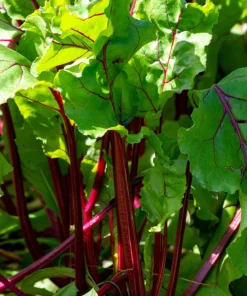
- Ornamental Appeal: The dramatic dark red stems and veins, coupled with crinkled green leaves, provide a stunning visual element in your garden, making it both a food source and an attractive plant.
- Easy to Grow: These perpetual spinach seeds are known for their ease of cultivation. They are disease-resistant and can tolerate poor soil and drought conditions, making them ideal for gardeners of all skill levels.
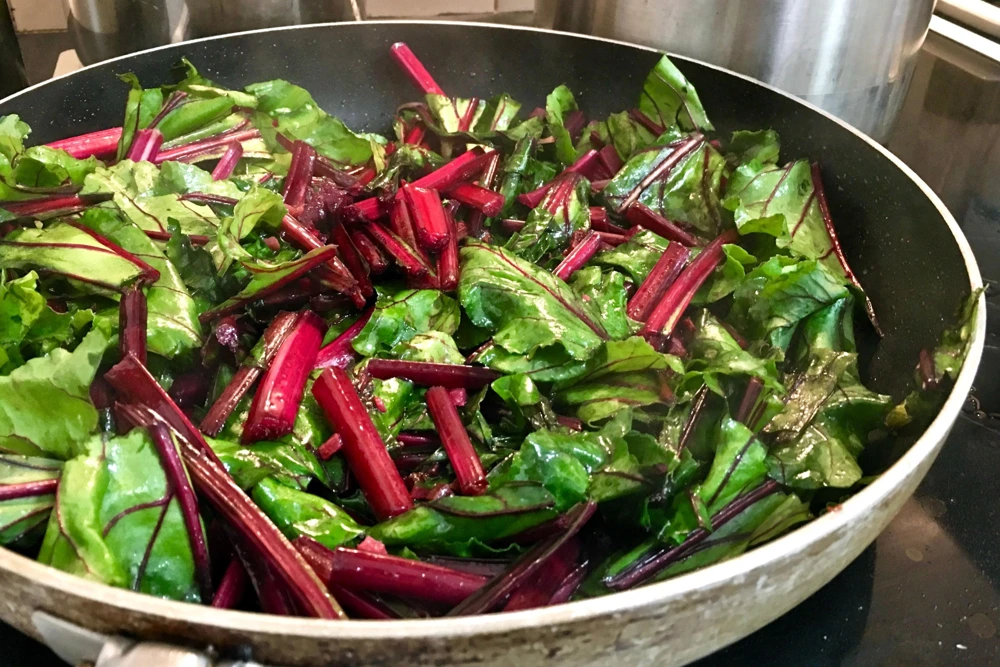
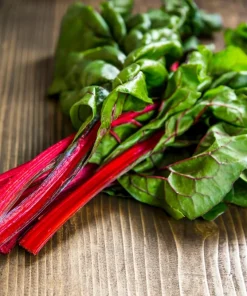
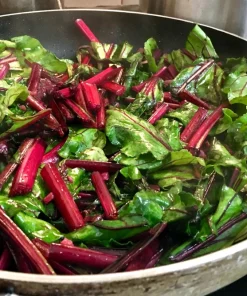
- Versatile Culinary Uses: The leaves can be enjoyed raw in salads, steamed, stir-fried, or used in any recipe that calls for spinach. The stalks can be prepared and eaten like celery, offering dual utility from a single plant.
- Adaptable Planting: Suitable for planting in spring or fall, and capable of overwintering in warmer areas, this Swiss Chard offers flexibility in planting schedules.
- Reseeding Potential: In favorable conditions, these plants may reseed themselves, providing new growth in early spring without additional effort. This contributes to the sustainability of your garden and ensures continued harvests. Understanding the benefits of growing swiss chard can transform your gardening experience.
Plant Care & Growing Tips
Caring for your rhubarb red swiss chard seeds is straightforward, ensuring a bountiful harvest with minimal fuss. Swiss chard is a resilient plant, but providing optimal conditions will lead to the best results. For successful germination and growth of beta vulgaris seeds, proper attention to sunlight, soil, and watering is key.
Sunlight Requirements: Swiss Chard thrives in full sun, meaning at least 6 hours of direct sunlight per day. However, it can also tolerate partial shade, especially in hotter climates where some afternoon shade can prevent bolting. Ensure your chosen planting location receives adequate light for robust growth. Growing swiss chard in the right light conditions is crucial for vibrant coloration and healthy leaf development.
Watering Schedule and Soil Moisture: Keep the soil consistently moist but not waterlogged. Water regularly, especially during dry spells, to prevent the soil from drying out completely. Good drainage is essential to prevent root rot. Aim for about 1 inch of water per week, either from rainfall or irrigation. Soil Type and Drainage: Swiss Chard prefers average, well-draining soil rich in organic matter. A pH between 6.0 and 7.0 is ideal. Amend heavy clay soils with compost to improve drainage and fertility. For sandy soils, adding organic matter will help retain moisture and nutrients. Temperature Range and Hardiness: This plant is typically grown as an annual but can tolerate some frost. It grows best in temperatures between 50°F and 75°F (10°C to 24°C). In warmer climates, it can be overwintered. The plant is considered an annual in most regions, meaning it completes its life cycle in one growing season. Fertilization: While tolerant of average soil, Swiss Chard benefits from a balanced fertilizer or compost worked into the soil before planting. Side-dress with compost or a balanced liquid fertilizer every 4-6 weeks during the growing season to encourage continuous leaf production. Common Problems: Swiss Chard is generally disease-resistant. Watch out for common garden pests like aphids or leaf miners. Organic pest control methods, such as neem oil or insecticidal soap, can be effective if infestations occur. Ensuring proper care will maximize the red chard benefits you reap.
Size & Details
This offering includes 300 Rhubarb Red Swiss Chard Seeds, providing ample opportunity for a successful and generous harvest. Each plant will typically reach a height of 12 to 36 inches, with a recommended plant spacing of 9 to 12 inches to allow for optimal growth and air circulation. The ‘Rhubarb Red’ variety is characterized by its distinctive dark red stems and medium green leaves, which are heavily crinkled and highly ornamental. The harvest period for these seeds is approximately 55 days from planting, offering a relatively quick turnaround for fresh produce. These seeds are suitable for planting in spring or fall, making them versatile for different growing seasons. The product will arrive as a packet of high-quality seeds, ready for direct sowing into your garden or seed starting trays. With robust growth and a continuous harvest, these seeds are an excellent investment for any home gardener looking to enjoy the delicious and nutritious perpetual spinach seeds.
Frequently Asked Questions
- Q: How many seeds are included in this pack? A: This pack contains 300 rhubarb red swiss chard seeds, providing a generous quantity for multiple plantings or a large garden area.
- Q: How big does Rhubarb Red Swiss Chard get? A: These plants typically grow to a height of 12 to 36 inches, depending on growing conditions and how often you harvest.
- Q: Is this an indoor or outdoor plant? A: Swiss Chard is primarily an outdoor vegetable plant, thriving in garden beds or large containers on a patio. While it can be started indoors, it should be transplanted outside for best results.
- Q: How much sunlight does Swiss Chard need? A: For optimal growth, Swiss Chard requires full sun (at least 6 hours of direct sunlight daily), but it can tolerate partial shade, especially in hot climates.
- Q: Is this plant easy to care for, especially for beginners? A: Yes, Swiss Chard is known for being easy to grow, disease-resistant, and tolerant of various soil and drought conditions, making it an excellent choice for beginner gardeners. It’s one of the easiest beta vulgaris seeds to cultivate.
- Q: How long until I can harvest the Swiss Chard? A: You can typically begin harvesting leaves about 55 days after planting the seeds. The ‘cut and come again’ method allows for continuous harvesting.
- Q: What condition will the product arrive in? A: The product will arrive as a packet of fresh, viable seeds, ready for planting according to the instructions.
- Q: Can I use Rhubarb Red Swiss Chard in cooking? A: Absolutely! The leaves can be used like spinach in salads, stir-fries, or steamed, while the stalks can be prepared like celery. It offers numerous red chard benefits in your diet.
- Q: Will it survive winter in my zone? A: Swiss Chard is generally grown as an annual. However, in warmer climates (USDA zones where temperatures don’t consistently drop below freezing), it can overwinter and reseed itself for early spring growth.
- Q: What type of soil is best for growing Swiss Chard? A: Swiss Chard prefers average, well-draining soil rich in organic matter. A neutral to slightly acidic pH (6.0-7.0) is ideal for these perpetual spinach seeds.
Be the first to review “Rhubarb Red Swiss Chard Vegetable Seeds – 300 Seeds – Beta Vulgaris”
People Also Viewed

Flower Seeds
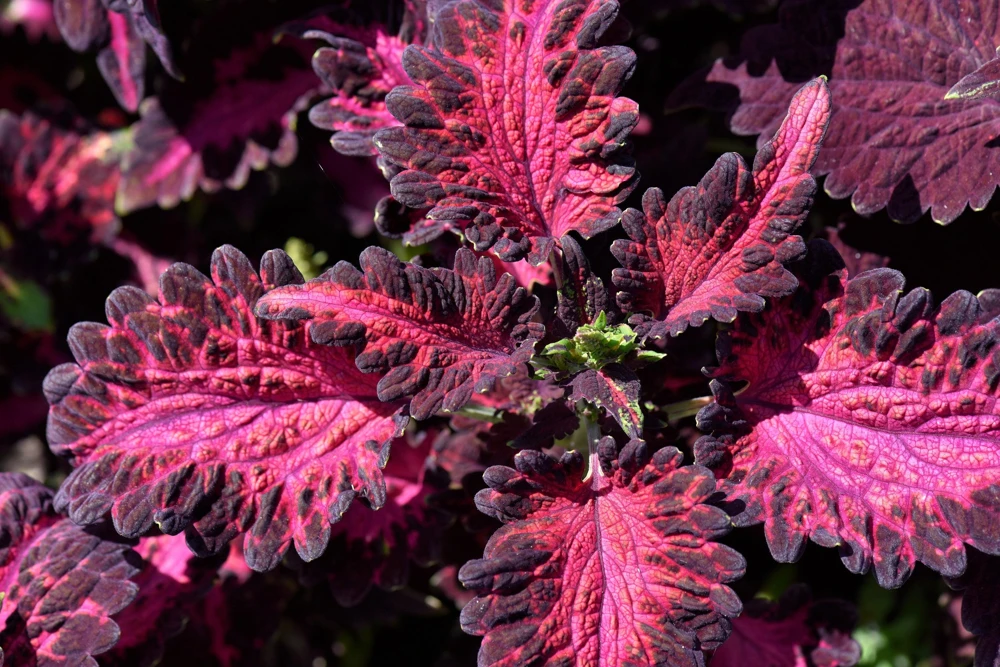
Black Dragon Coleus Seeds – Maroon & Black Foliage, Solenostemon Scutellarioides – 20 Seeds
Reviews
There are no reviews yet.