
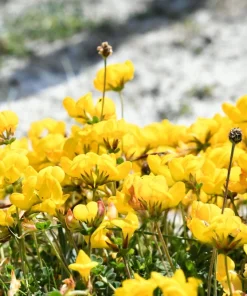
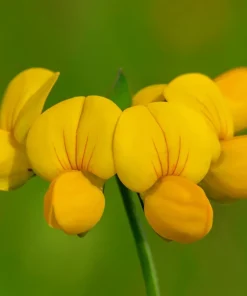
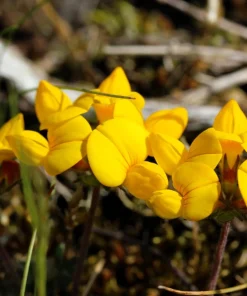
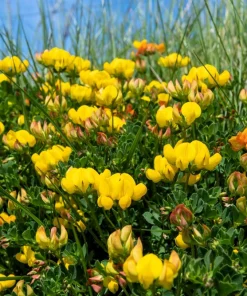
Bird’s Foot Trefoil Flower Seeds – 200 Count Yellow Groundcover, Zones 3-9
Original price was: $36.99.$16.99Current price is: $16.99.
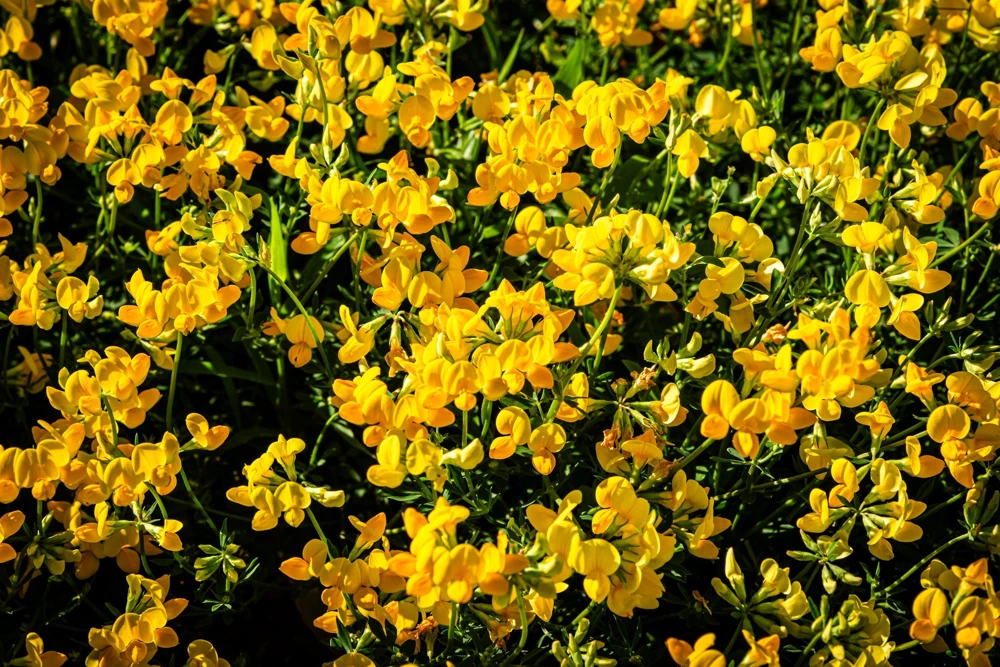
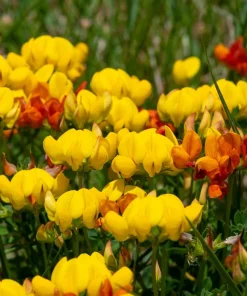
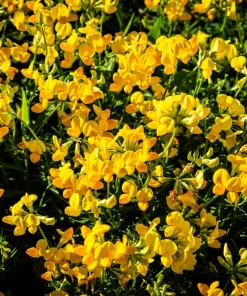
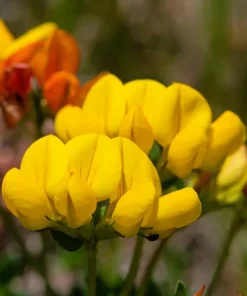
Cultivate vibrant yellow blooms with our bird’s foot trefoil seeds. This hardy perennial is an excellent choice for groundcover, erosion control, and attracting beneficial wildlife. Each pack contains 200 Bird’s Foot Trefoil Seeds, ideal for gardens in USDA Zones 3-9.
Estimated arrival
Sep 14
Sep 19 - Sep 21
Sep 24 - Sep 28
Shop With Confidence
30-Day Plant Health Guarantee
Arrives damaged? We’ll replace it free — see our return policy.
Responsive Support
Email us anytime, we reply within 1 business day.
Expert Packaging
Temperature-controlled shipping to protect your plants in transit.
Secure Checkout
Pay safely with Visa, Mastercard, PayPal.
Plant Specifications
-
USDA Hardiness Zone
3 - 9 -
Soil Type
Any Wet - Dry, well-draining -
Sunlight Exposure
Full Sun - Part Shade -
Expected Planting Period
Outdoors after frost / Indoors weeks before last frost
Overview
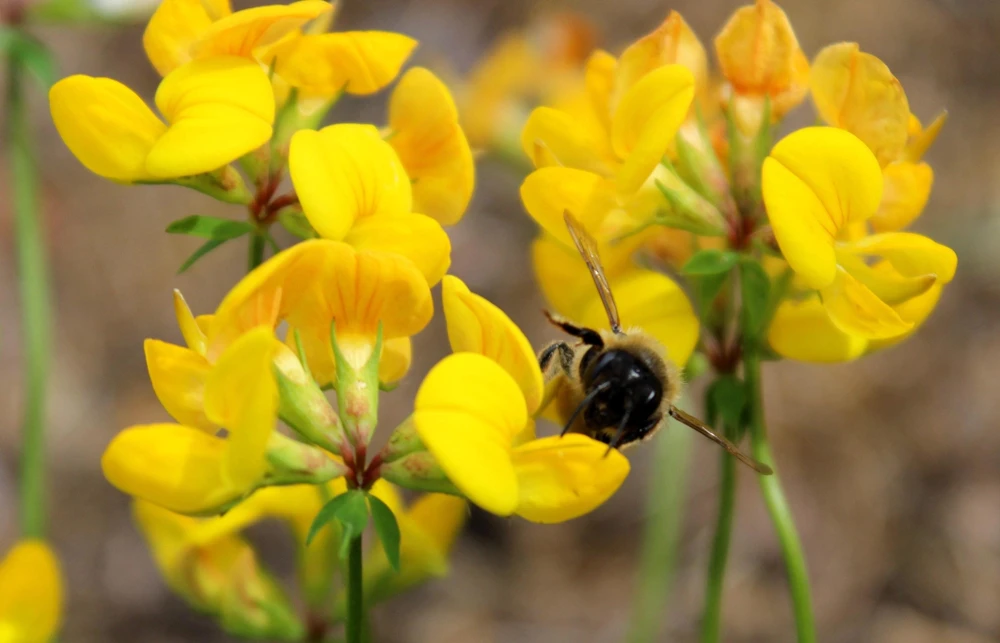
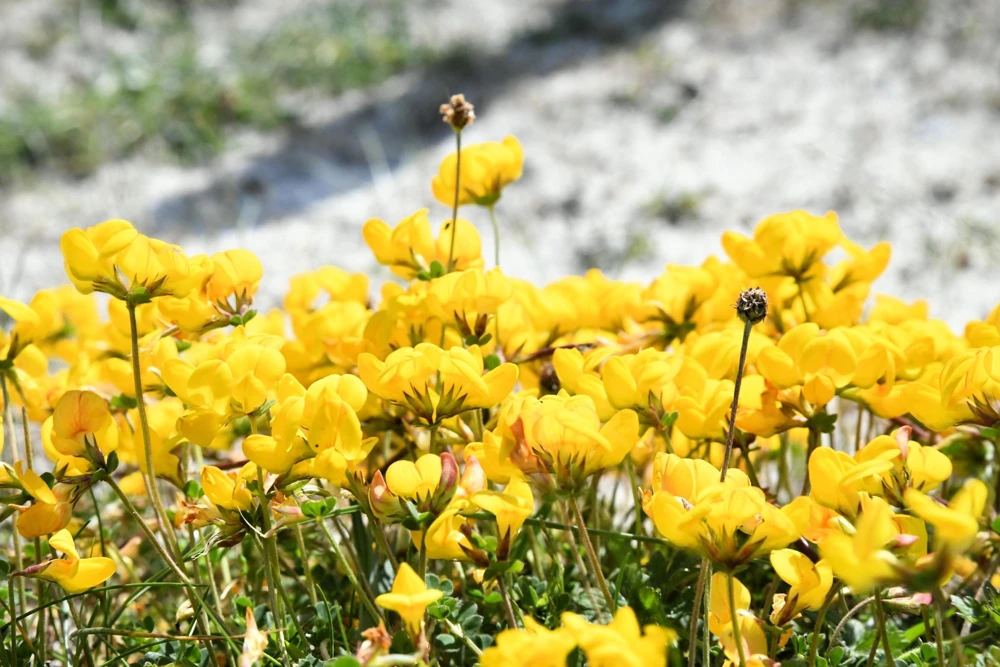
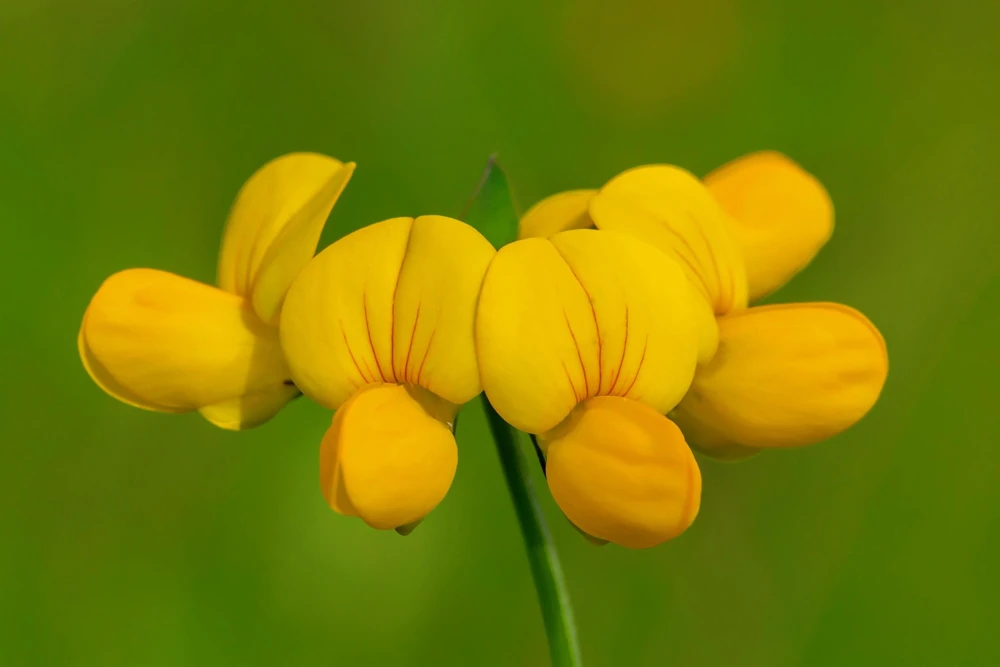
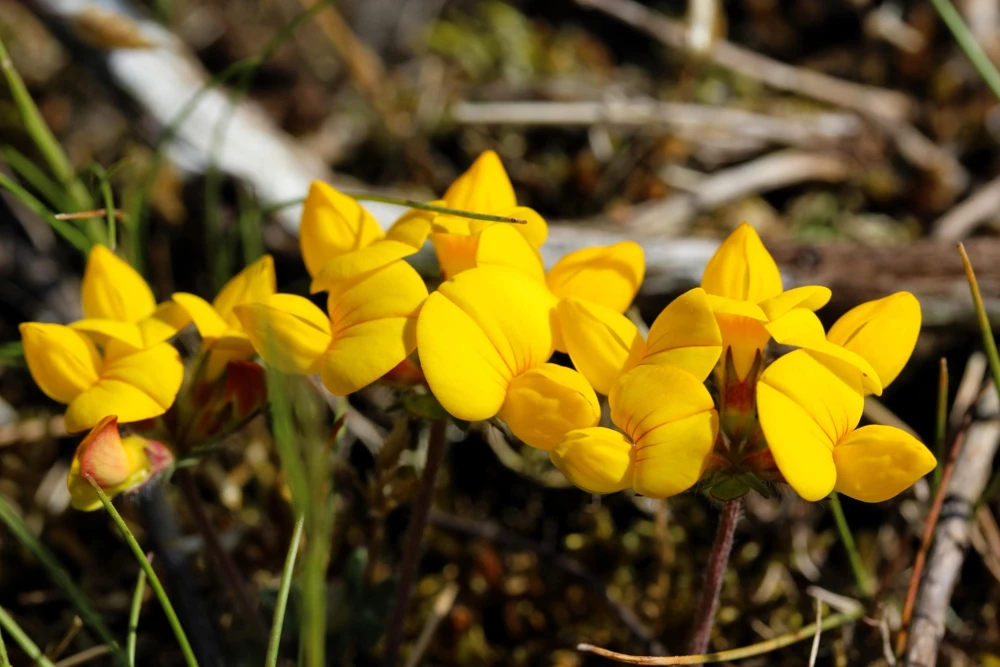
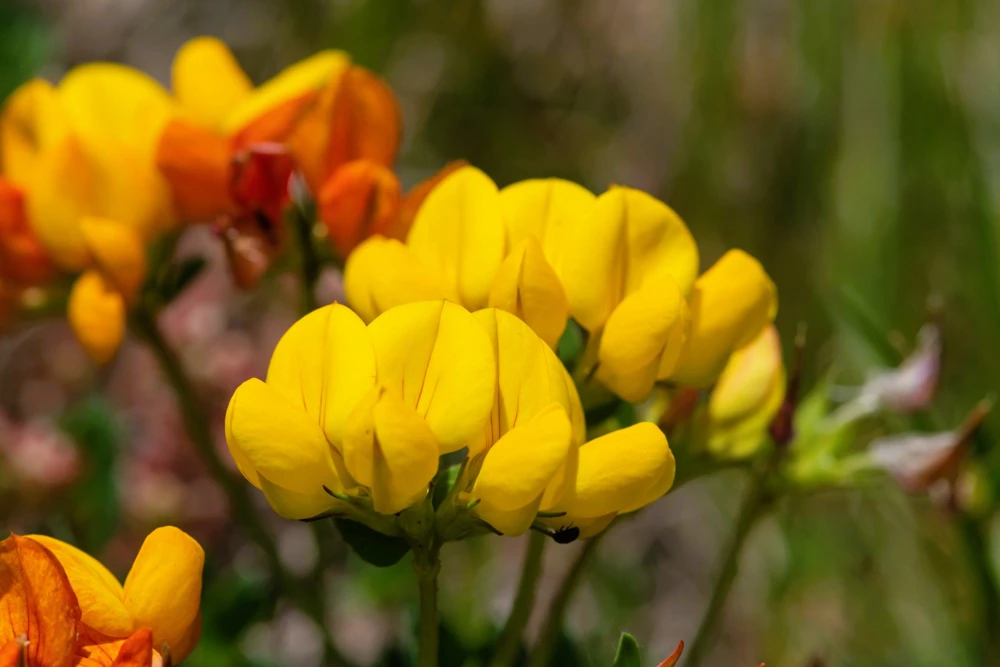
Discover the charm and utility of bird’s foot trefoil seeds, a versatile and resilient perennial often known by its scientific name, Lotus Corniculatus. This remarkable plant, also called Birdfoot Deervetch, Baby’s Slippers, Cat’s Clover, or Ground Honeysuckle, is a fantastic addition to any garden, providing both aesthetic appeal and ecological benefits. Our premium bird’s foot trefoil seeds allow you to easily cultivate this low-growing, spreading plant that produces an abundance of bright yellow, pea-like flowers from summer through fall. Ideal for naturalizing, meadows, groundcover, or even as a forage crop, it thrives in a wide range of conditions, making it a favorite among gardeners seeking a low-maintenance yet beautiful solution.
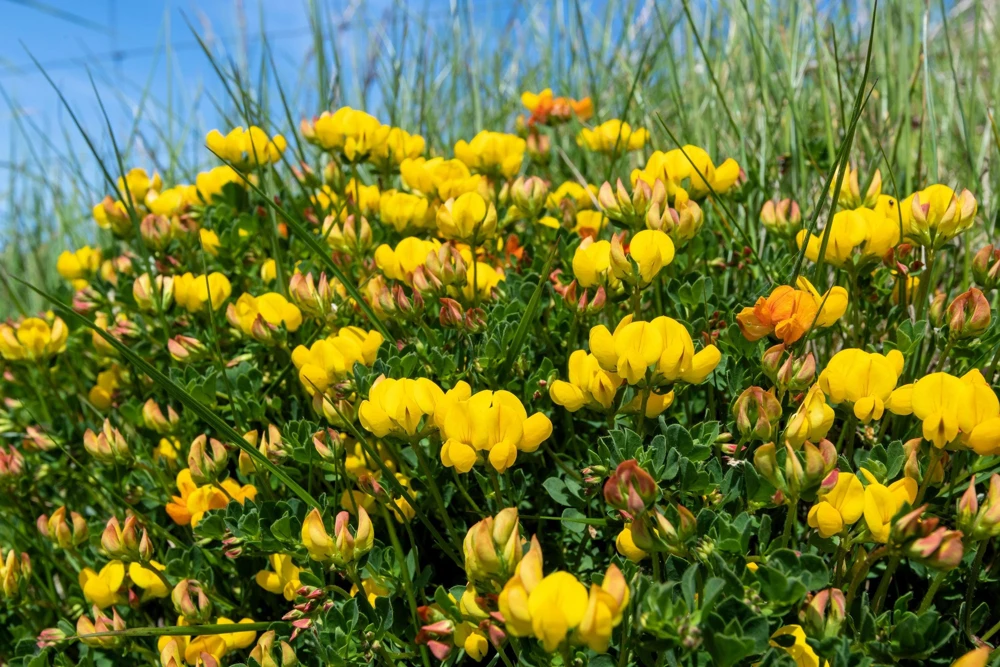
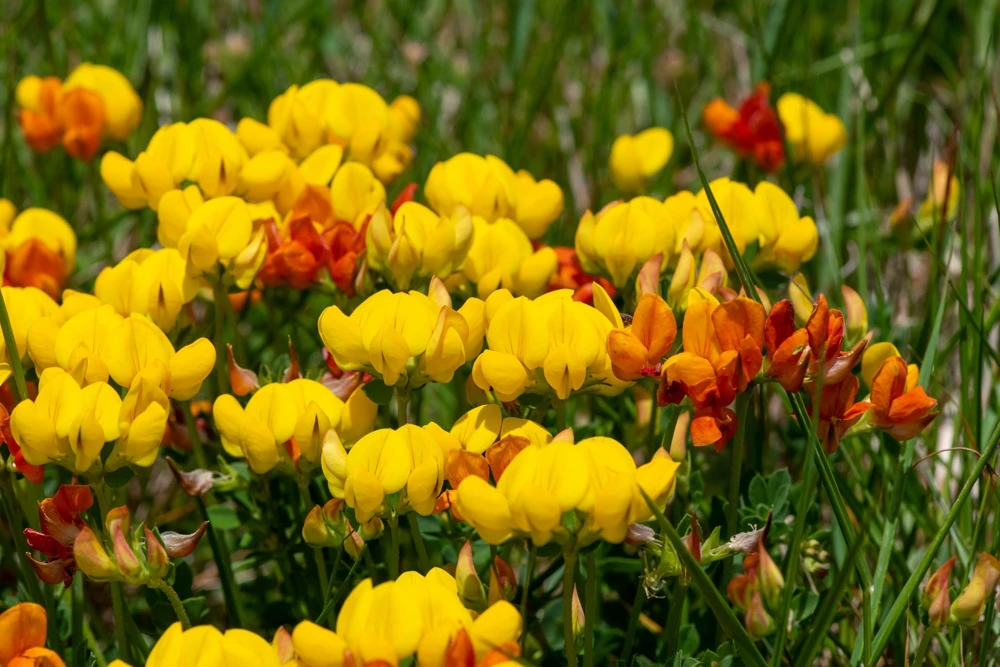
Growing from lotus corniculatus seeds is a rewarding experience, offering an opportunity to enhance biodiversity in your outdoor space. The plant’s intricate root system helps with soil stabilization, making it an excellent choice for erosion control on slopes or disturbed areas. Beyond its practical uses, the cheerful yellow flowers create a stunning visual display and are a magnet for pollinators, including bees and butterflies, contributing to a healthy garden ecosystem. With these 200 Bird’s Foot Trefoil Seeds, you can establish a thriving patch of this beneficial and beautiful plant, transforming your landscape into a haven for wildlife.
Key Benefits
Choosing to plant bird’s foot trefoil seeds offers a multitude of advantages for your garden and the environment. Its robust nature and attractive blooms make it a top choice for various landscaping needs.
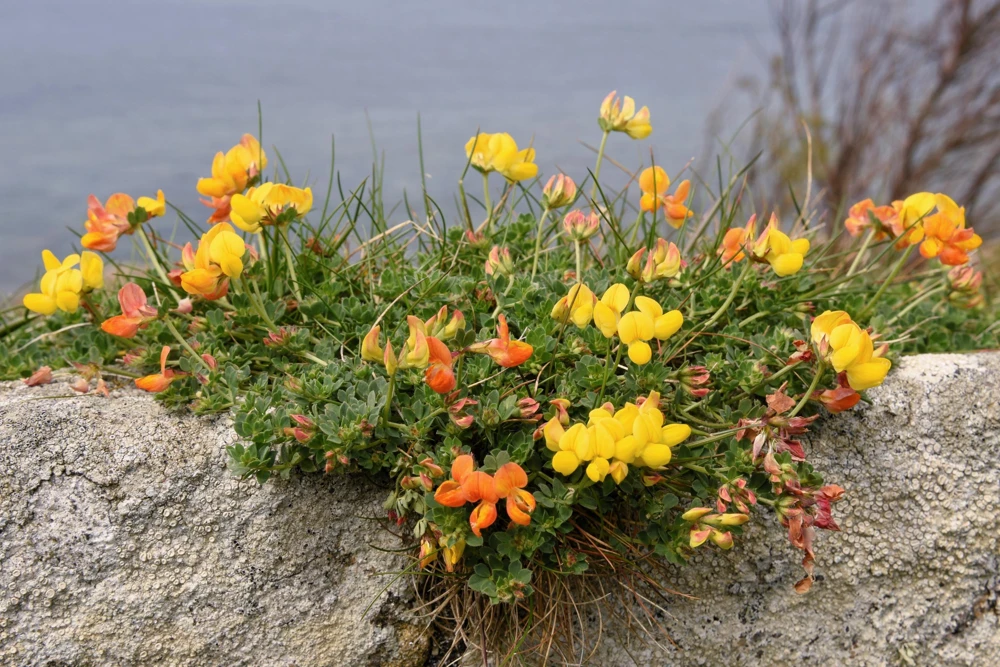
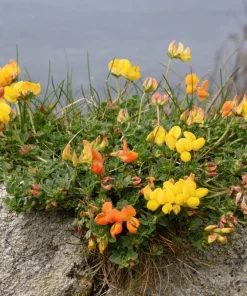
- Excellent Groundcover: The spreading habit of bird’s foot trefoil creates a dense mat of foliage, effectively suppressing weeds and reducing the need for constant weeding. It’s perfect for areas where you want a low-maintenance, living carpet.
- Erosion Control: With a deep and extensive root system, lotus corniculatus seeds grow into plants that are highly effective at stabilizing soil, preventing erosion on banks, slopes, and disturbed land.
- Pollinator Magnet: The bright yellow flowers are a rich source of nectar and pollen, actively attracting a wide array of beneficial insects, including bees, butterflies, and other pollinators, which are vital for a healthy garden.
- Drought Tolerant: Once established, bird’s foot trefoil is remarkably drought-tolerant, requiring minimal watering, which makes it an eco-friendly and water-wise choice for sustainable gardening.
- Hardy & Resilient: Thriving in USDA Zones 3-9, this plant is incredibly adaptable to various soil types and conditions, from wet to dry, and can withstand colder temperatures, making it a reliable performer across many regions.
- Wildlife Attractor: Beyond pollinators, bird’s foot trefoil is known to attract other wildlife, including turkeys, adding an interesting dynamic to your garden landscape.
- Nitrogen Fixer: As a member of the Fabaceae family, it has the ability to fix atmospheric nitrogen into the soil, naturally enriching soil fertility and benefiting neighboring plants.
Plant Care & Growing Tips
Growing bird’s foot trefoil seeds is straightforward, making it an ideal plant for gardeners of all experience levels. Understanding its basic needs will ensure a successful and vibrant display of this beneficial groundcover. For optimal growth, prepare a well-draining soil bed that receives full sun to part shade. While it tolerates a range of soil types, from sandy to clay, good drainage is key to preventing root issues. When considering how to grow bird’s foot trefoil, remember that its adaptability is one of its greatest strengths.
Sow your yellow groundcover seeds either outdoors after the last frost in spring or indoors several weeks before the last frost for an earlier start. Plant the seeds shallowly, covering them lightly with soil, as they require some light for germination. Keep the soil consistently moist until germination occurs, which typically takes 10-20 days. Once established, bird’s foot trefoil is quite low-maintenance, requiring minimal supplemental watering except during prolonged dry periods. It generally does not need heavy fertilization, as its nitrogen-fixing capabilities naturally improve soil health.
Hardy in USDA Zones 3-9, this plant is resilient to a wide range of temperatures. Deadheading spent blooms is not strictly necessary but can encourage more continuous flowering throughout the summer and fall. While generally pest and disease resistant, ensure good air circulation to prevent fungal issues in humid environments. Proper growing conditions will ensure your bird’s foot trefoil thrives, providing continuous beauty and ecological benefits to your garden.
Size & Details
Each packet contains 200 Bird’s Foot Trefoil Seeds of the Lotus Corniculatus variety, ready to be sown to create a beautiful and beneficial groundcover. Once mature, these plants typically reach a height of 12 to 24 inches, with a spreading habit that can cover an area of 12 to 15 inches per plant. The vibrant yellow flowers bloom profusely from summer through fall, offering a long season of color and attracting a diverse range of pollinators. These seeds are perfect for establishing meadows, adding to perennial borders, or creating erosion control in various garden settings. The plant is shipped as seeds, providing you with the flexibility to start them at your preferred time, either indoors or directly outdoors.
The growth rate of bird’s foot trefoil is moderate, allowing it to establish a strong root system and dense foliage relatively quickly after germination. Its hardiness across USDA Zones 3-9 ensures it will return year after year in most temperate climates, providing enduring beauty and ecological value. Whether you’re looking to create a naturalized area or simply add a touch of cheerful yellow to your landscape, these yellow groundcover seeds are an excellent choice for a robust and attractive plant.
Frequently Asked Questions
- Q: How big does Bird’s Foot Trefoil get? A: Bird’s Foot Trefoil typically grows to a height of 12 to 24 inches (30-60 cm) and spreads about 12 to 15 inches (30-38 cm) wide, forming a dense groundcover.
- Q: Is this an indoor or outdoor plant? A: While you can start bird’s foot trefoil seeds indoors, it is primarily an outdoor plant, ideally suited for gardens, meadows, and naturalized areas.
- Q: How much sunlight does it need? A: Bird’s Foot Trefoil thrives in full sun to partial shade. For the most abundant blooms, aim for at least 6 hours of direct sunlight per day.
- Q: Is this plant easy to care for? A: Yes, Bird’s Foot Trefoil is known for being very low-maintenance and easy to care for once established, making it an excellent choice for beginners and busy gardeners.
- Q: What condition will the seeds arrive in? A: You will receive 200 Bird’s Foot Trefoil Seeds in a secure packet, ready for planting. They are dormant and require proper germination conditions.
- Q: How long until it blooms? A: After planting lotus corniculatus seeds, you can typically expect your plants to begin flowering in their first or second year, producing blooms from summer through fall.
- Q: Will it survive winter in my zone? A: Bird’s Foot Trefoil is hardy in USDA Zones 3-9, meaning it can tolerate cold winter temperatures and will return as a perennial in those regions.
- Q: What type of soil does Bird’s Foot Trefoil prefer? A: This plant is highly adaptable and can grow in a variety of soil types, from wet to dry, but it prefers well-draining soil.
- Q: Can I use bird’s foot trefoil for erosion control? A: Absolutely! Its extensive root system makes Bird’s Foot Trefoil an excellent choice for stabilizing soil and preventing erosion on slopes and banks.
- Q: What are some other common names for this plant? A: Besides Bird’s Foot Trefoil, it’s also known as Birdfoot Deervetch, Baby’s Slippers, Cat’s Clover, Crowtoes, and Ground Honeysuckle.
Be the first to review “Bird’s Foot Trefoil Flower Seeds – 200 Count Yellow Groundcover, Zones 3-9”
People Also Viewed

Vegetables
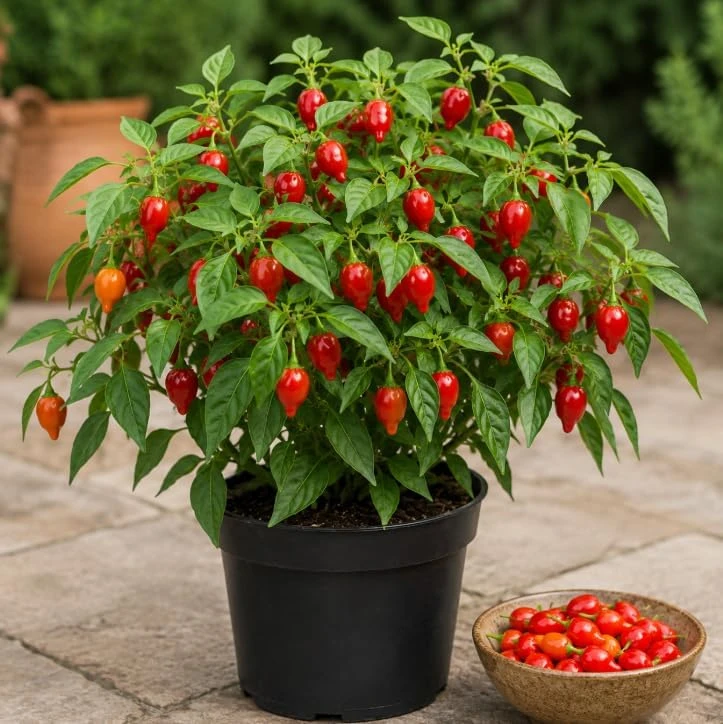
Red Biquinho Pepper Live Plant – 2 Chili Seedlings, 3-6 Inch Tall, for Garden & Container
Reviews
There are no reviews yet.