
Oregon Grape Holly Seeds – Mahonia Aquifolium – 20 Seeds – Outdoor Shrub
Original price was: $36.99.$16.99Current price is: $16.99.
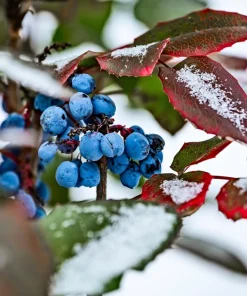
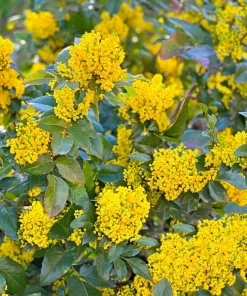
Grow beautiful and resilient Oregon Grape Holly Seeds (Mahonia Aquifolium) in your garden. This evergreen shrub features vibrant yellow flowers, edible blue berries, and attractive foliage, making it perfect for attracting wildlife and adding year-round interest. Each pack contains 20 Mahonia Aquifolium seeds, ideal for zones 5-9.
Estimated arrival
Sep 14
Sep 19 - Sep 21
Sep 24 - Sep 28
Shop With Confidence
30-Day Plant Health Guarantee
Arrives damaged? We’ll replace it free — see our return policy.
Responsive Support
Email us anytime, we reply within 1 business day.
Expert Packaging
Temperature-controlled shipping to protect your plants in transit.
Secure Checkout
Pay safely with Visa, Mastercard, PayPal.
Plant Specifications
-
USDA Hardiness Zone
5 - 9 -
Soil Type
Average, well-draining soil -
Sunlight Exposure
Sun - Part Shade - Shade -
Expected Planting Period
Fall sow or cold stratify for spring planting
Overview
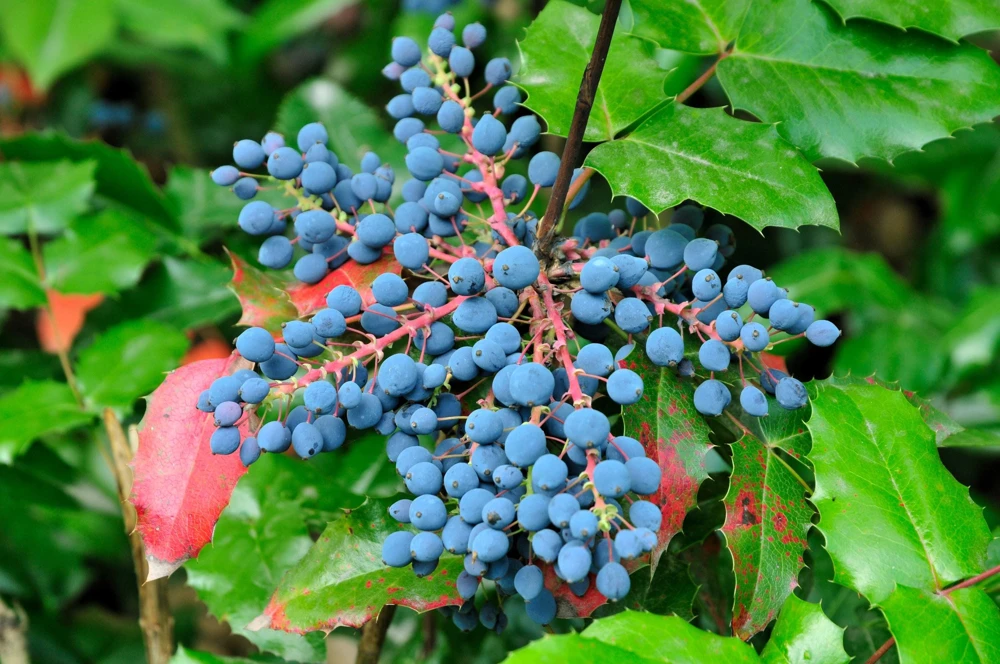
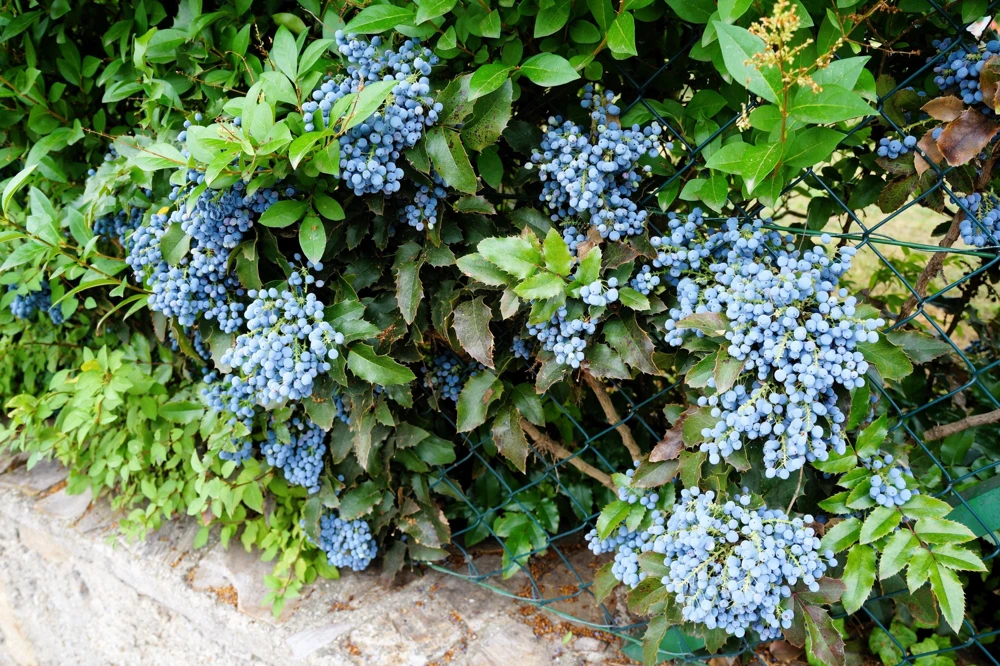
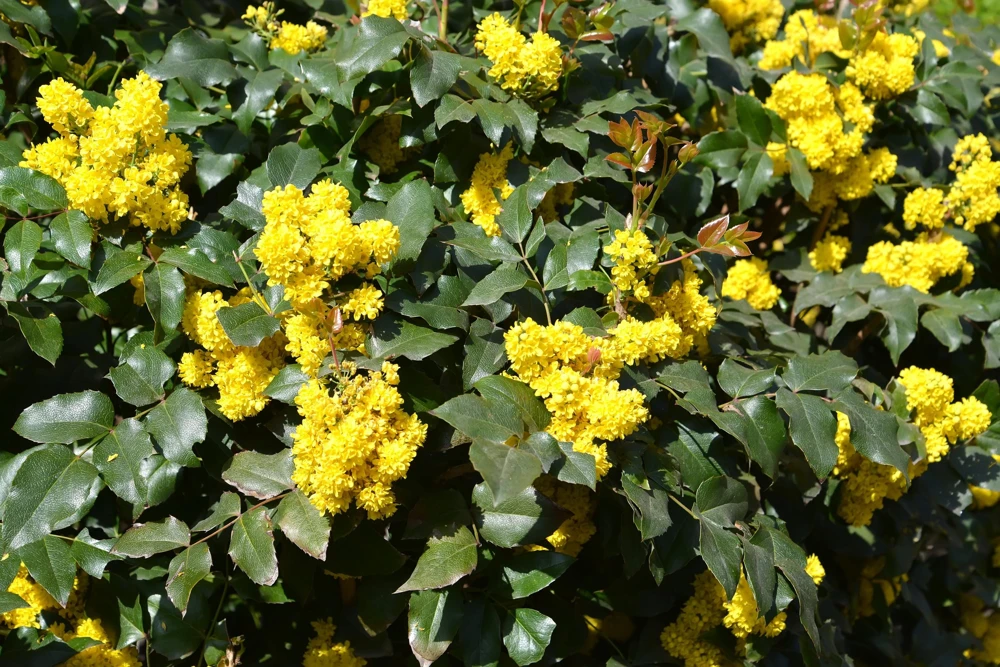
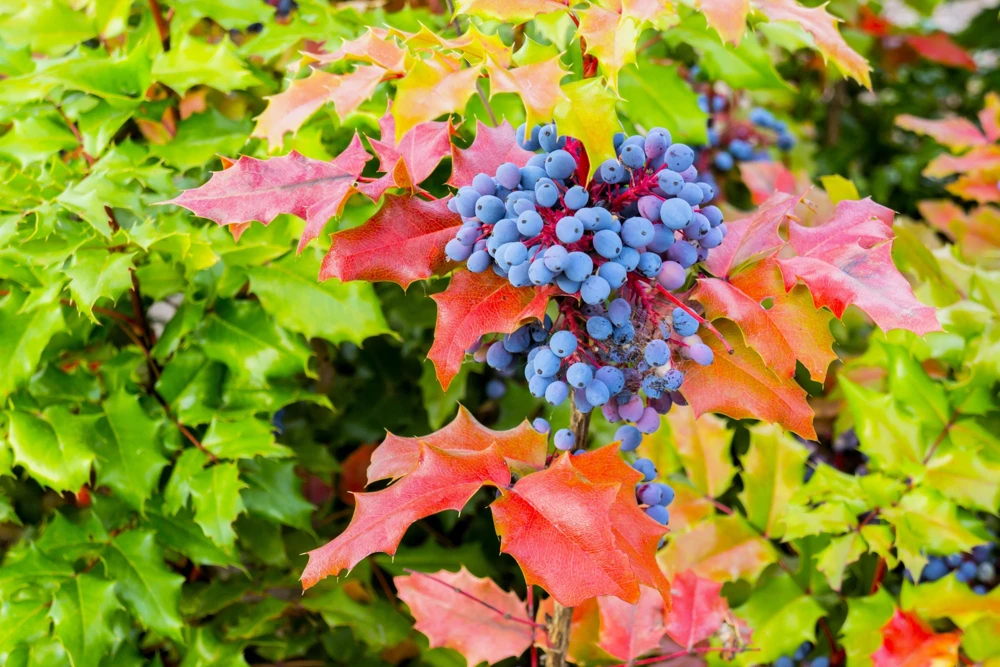
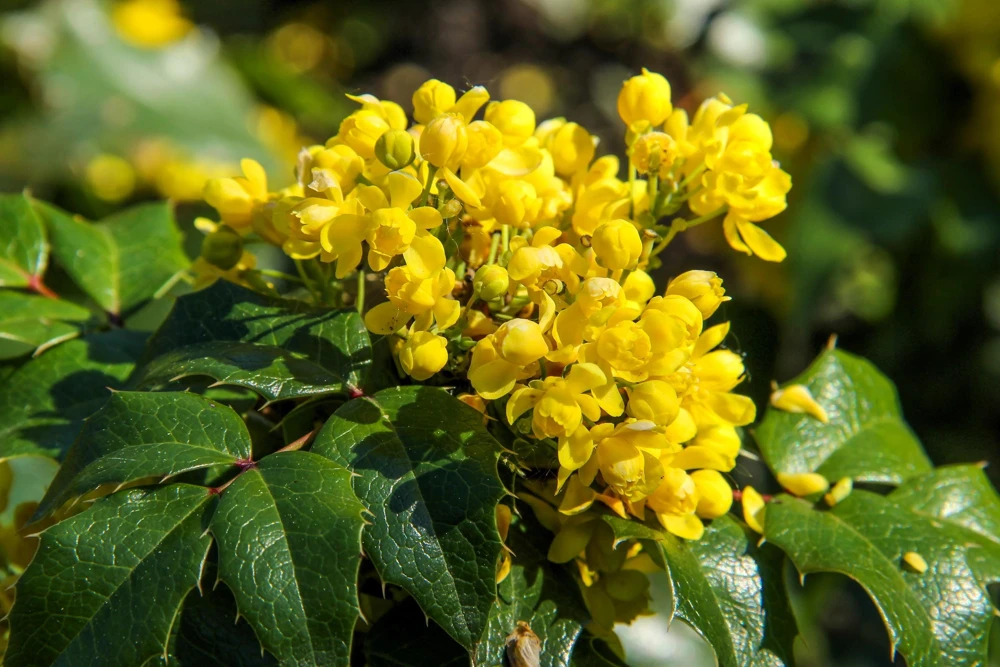
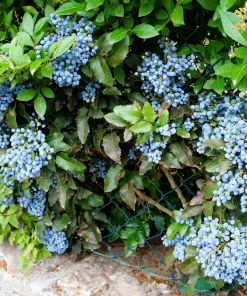
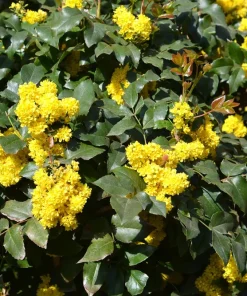
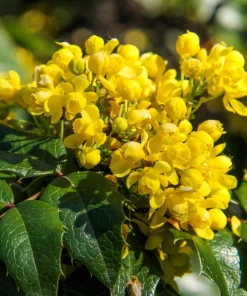
Introduce a touch of natural beauty and resilience to your landscape with our premium Oregon Grape Holly Seeds. These seeds grow into the stunning Mahonia Aquifolium, also known as Hollyleaved Barberry, a highly ornamental evergreen shrub native to the western United States and Canada. Revered for its striking yellow flowers that bloom in early spring, followed by clusters of showy, purplish-red berries, the Oregon Grape Holly is a favorite among gardeners and wildlife enthusiasts alike. Each packet contains 20 Mahonia Aquifolium seeds, providing a fantastic opportunity to cultivate this versatile and beneficial plant. It’s an excellent choice for those looking to enhance their garden with a low-maintenance, drought-resistant, and deer-resistant specimen that offers year-round visual appeal and ecological value.
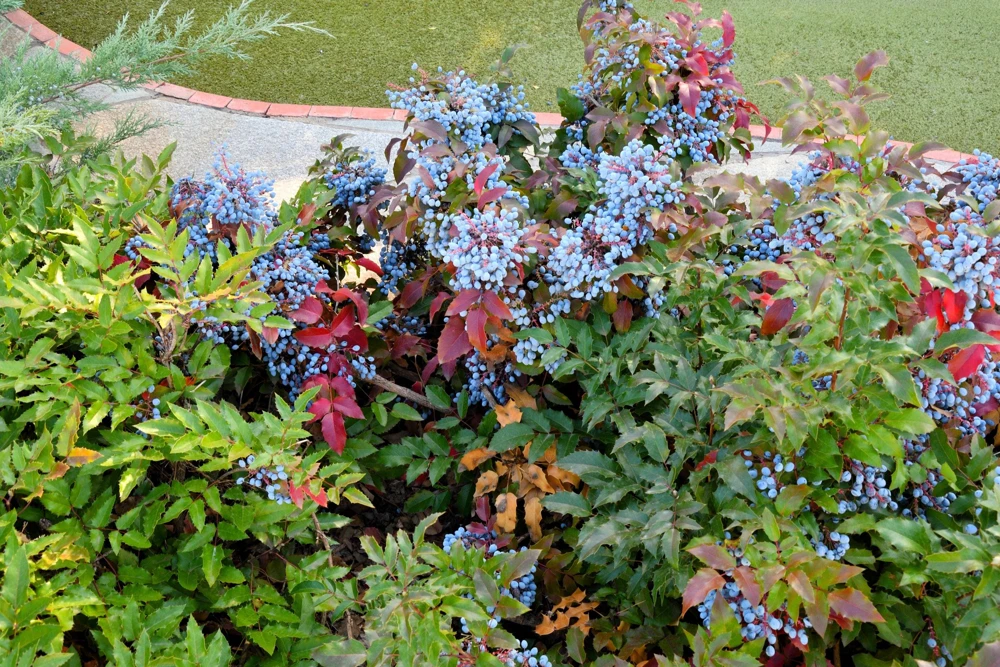
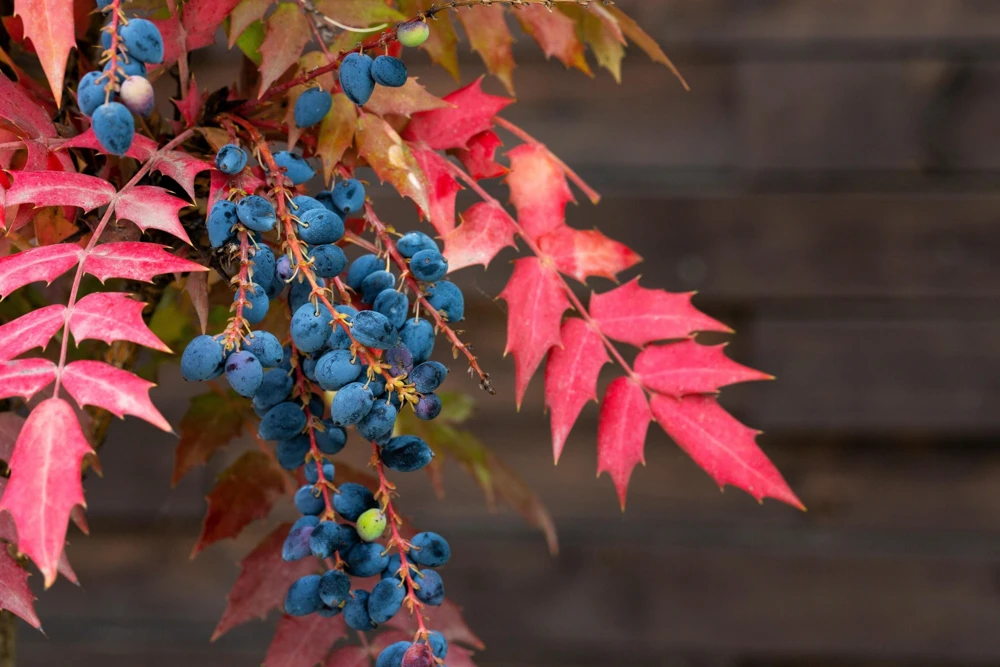
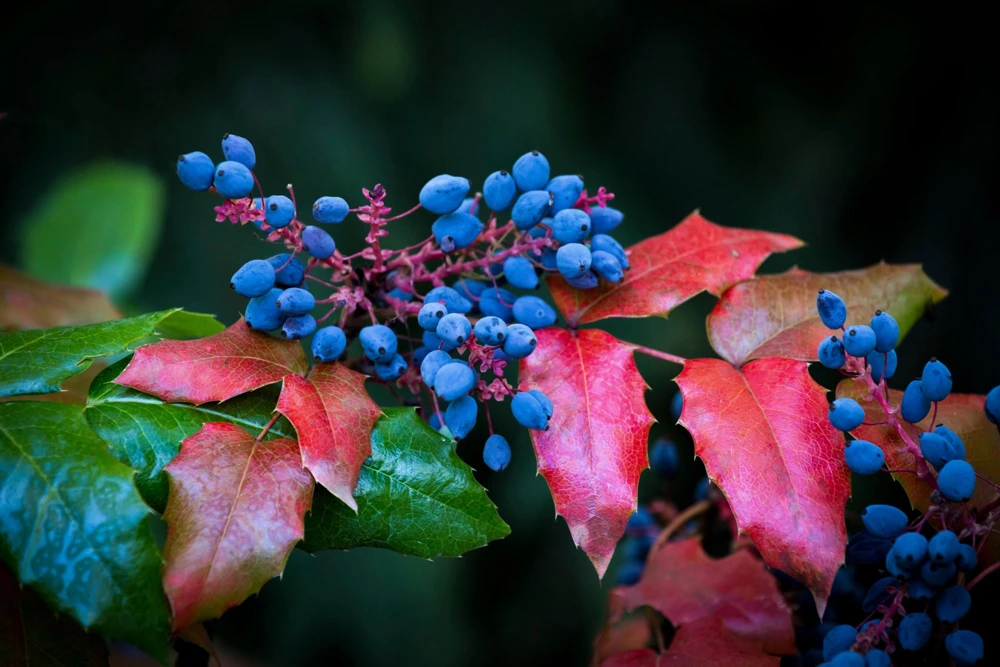
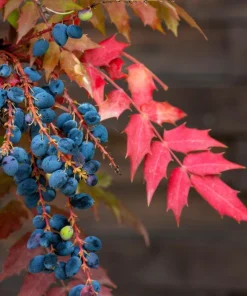
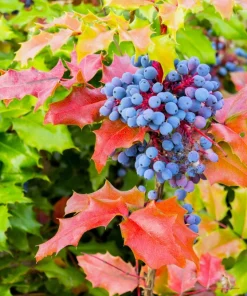
The Oregon Grape Holly plant is celebrated not only for its aesthetic qualities but also for its hardiness and adaptability. Its evergreen, holly-shaped leaves transition from green in summer to lovely bronze and red highlights in the fall, adding seasonal color to any setting. Beyond its beauty, this plant serves as a vital resource for local wildlife, attracting bees, birds, and butterflies with its fragrant blossoms and providing a food source with its tart, edible berries. Whether you’re aiming to create a wildlife habitat, add structural interest, or simply enjoy a robust and attractive shrub, these Mahonia Aquifolium seeds are an ideal starting point.
Key Benefits
Planting Oregon Grape Holly Seeds offers a multitude of advantages for your garden and local ecosystem. This robust shrub provides continuous beauty and ecological support with minimal effort.
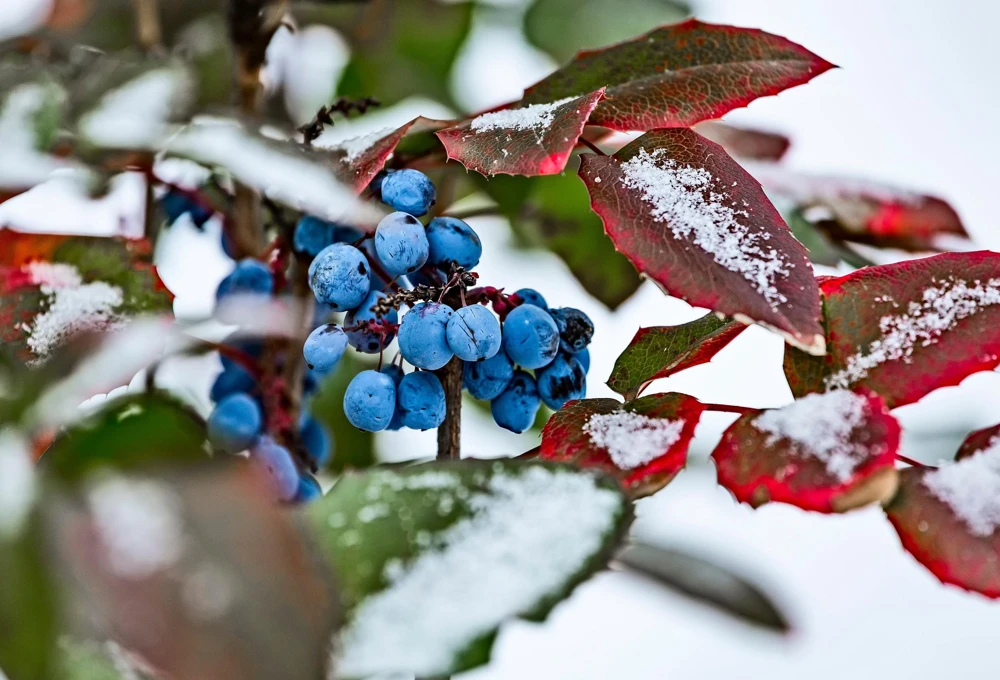
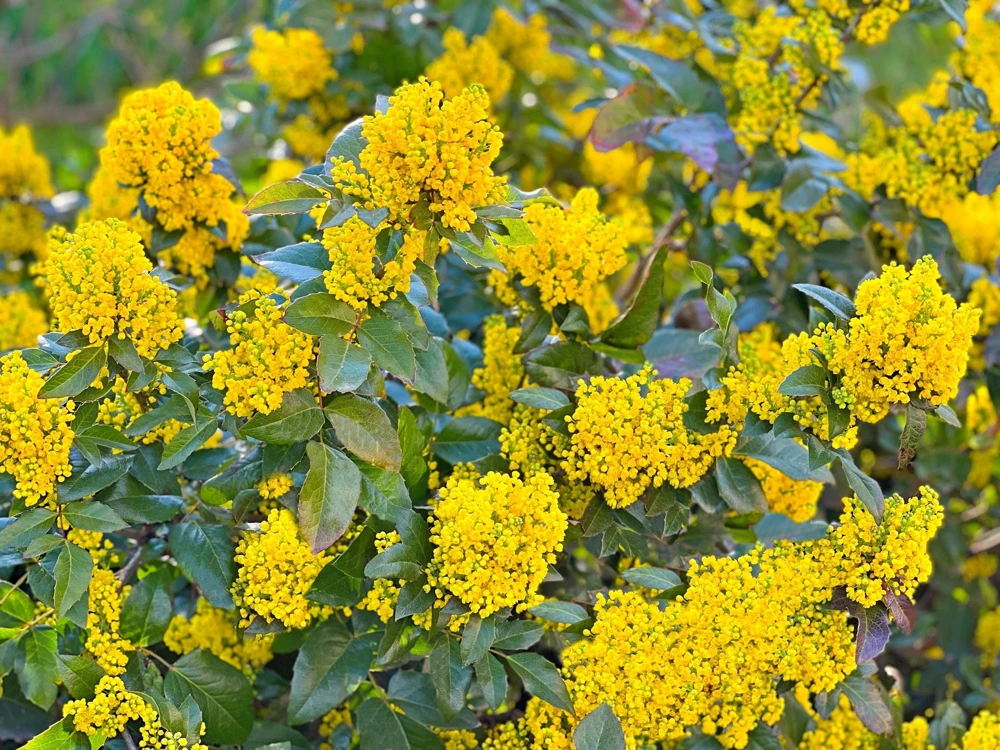
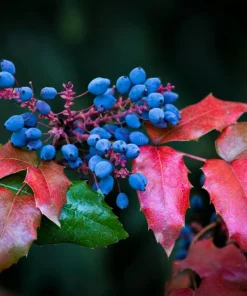
- Year-Round Visual Interest: Enjoy vibrant yellow flowers in spring, lush green foliage in summer, and striking bronze-red leaves with deep blue berries in fall and winter. The evergreen nature ensures your garden remains appealing throughout the seasons, making the Oregon Grape Holly Seeds a valuable addition.
- Attracts Beneficial Wildlife: The fragrant, bell-shaped flowers are a magnet for bees, butterflies, and other pollinators, while the berries provide a crucial food source for songbirds, game birds, and small mammals like squirrels.
- Drought and Pest Resistance: Once established, Mahonia Aquifolium is highly drought-resistant and naturally deters deer and rabbits, reducing the need for constant care and protection. This makes Mahonia Aquifolium seeds a smart choice for sustainable gardening.
- Adaptable to Various Conditions: Thrives in a wide range of light conditions, from full sun to shade, and tolerates poor or rocky soil, making it suitable for many garden environments.
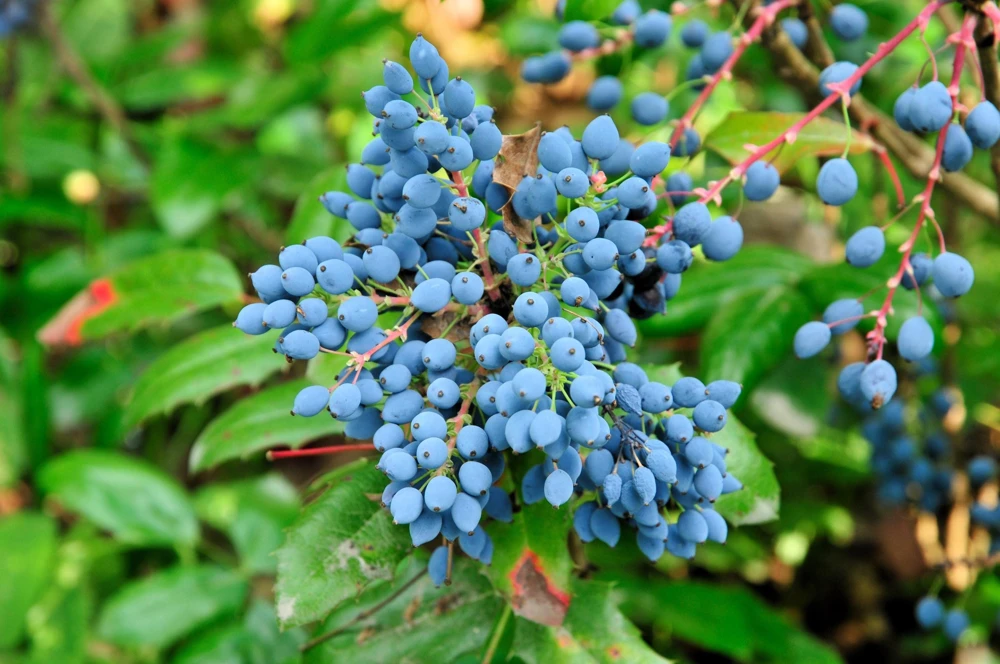
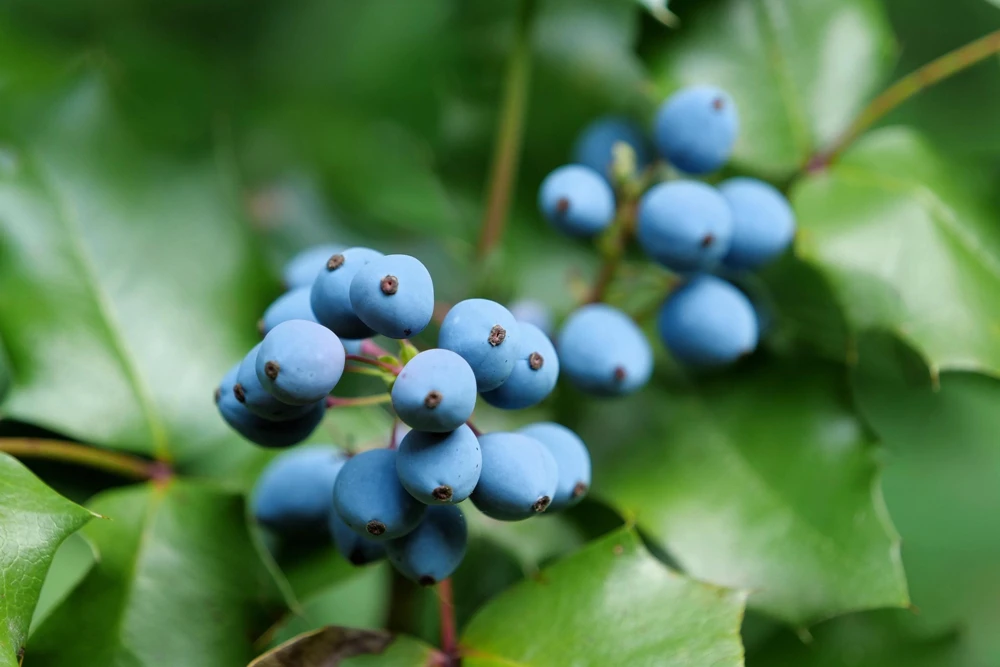
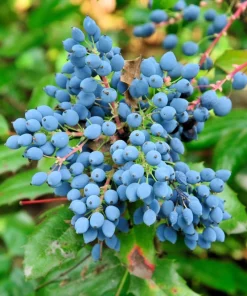
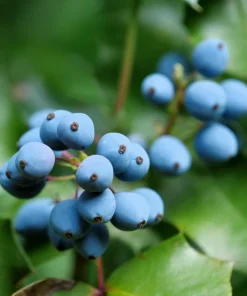
- Edible Berries: Although tart, the purplish-red berries are edible and can be used to make delicious jellies, juices, and wines, or even natural dyes.
- Low Maintenance: This hardy shrub requires minimal pruning and care, making it an excellent choice for busy gardeners or those seeking an easy-to-grow plant. The Oregon Grape Holly plant is a resilient choice.
- Ornamental Value: The striking foliage and berry clusters are highly valued in floristry for cut arrangements, adding unique texture and color.
Plant Care & Growing Tips
Cultivating Oregon Grape Holly Seeds into thriving plants is straightforward with the right care. The key to successful germination and growth begins with proper planting and ongoing attention to its specific needs. For optimal results, fall sow seeds directly outdoors or cold stratify them before planting in spring. This mimics the natural winter conditions that break seed dormancy. Once germinated, protect young seedlings from extreme weather until they are established.
Regarding light requirements, the Oregon Grape Holly plant is remarkably versatile, performing well in full sun, part shade, or even full shade. In hotter climates, some afternoon shade can prevent leaf scorch. Average soil conditions are generally sufficient, but ensuring good drainage is crucial. While tolerant of poor or rocky soils, amending with some organic matter can promote healthier growth. Water regularly during the first growing season to help establish a strong root system, after which the plant becomes quite drought-resistant. Fertilization is generally not heavily required; a light application of a balanced slow-release fertilizer in spring can suffice if soil nutrients are low.
The Mahonia Aquifolium planting process is best done with adequate spacing, allowing 4-6 feet between plants to accommodate their mature size of 4-8 feet tall. This allows for good air circulation and prevents overcrowding. Oregon Grape Holly is hardy in USDA Zones 5-9, making it suitable for a wide range of climates. Pruning is typically minimal, focused on removing dead or damaged branches and shaping the plant as desired after the flowering period. Watch out for common pests like aphids or scale, though they are rarely a significant problem for this resilient shrub. Proper care ensures a robust and beautiful Oregon Grape Holly plant that will thrive for years.
Size & Details
This product includes 20 Oregon Grape Holly Seeds (Mahonia Aquifolium), providing you with a generous quantity to start your garden project. The mature Oregon Grape Holly plant typically reaches a height of 4 to 8 feet with a spread of 4 to 6 feet, creating a substantial presence in the landscape. These seeds will grow into an evergreen shrub, meaning its attractive foliage persists throughout the year, offering continuous visual appeal. The plant blooms with cheerful yellow flowers from March to May, followed by a harvest of dark blue, tart berries from late summer through early winter.
The seeds are suitable for fall sowing or require cold stratification for spring planting. This process ensures the best germination rates for these hardy shrubs. Once established, the Oregon Grape Holly exhibits a moderate growth rate, gradually filling out to its mature size. It is an excellent choice for hedges, borders, or as a standalone specimen due to its unique texture and multi-seasonal interest. Each packet focuses on providing high-quality Mahonia Aquifolium seeds to ensure a successful start for your garden.
Frequently Asked Questions
- Q: How big does this plant get? A: The Oregon Grape Holly plant typically grows to a height of 4 to 8 feet and can spread 4 to 6 feet wide, forming a beautiful, dense shrub.
- Q: Are the berries edible? A: Yes, the dark blue berries of the Oregon Grape Holly are edible but quite tart. They are commonly used to make jellies, juices, or wines, and can also be used for natural dyes.
- Q: How much sunlight does the Oregon Grape Holly need? A: This versatile shrub can tolerate a wide range of light conditions, from full sun to partial shade and even full shade. For best flowering and fruiting, a location with at least partial sun is often preferred.
- Q: Is this plant easy to care for? A: Yes, the Oregon Grape Holly plant is known for being very low maintenance. It is drought-resistant, deer and rabbit resistant, and can tolerate poor soils once established, making it an excellent choice for beginners and experienced gardeners alike.
- Q: When is the best time to plant the seeds? A: You can either fall sow the Oregon Grape Holly Seeds directly outdoors or cold stratify them and plant in the spring after the last frost.
- Q: What USDA Hardiness Zones is this plant suitable for? A: The Oregon Grape Holly is hardy in USDA Zones 5 through 9, making it adaptable to many different climates across the United States.
- Q: Will the Oregon Grape Holly attract wildlife to my garden? A: Absolutely! Its fragrant yellow flowers attract bees, butterflies, and other pollinators, while its berries provide a valuable food source for various bird species and small mammals, enhancing your garden’s biodiversity.
- Q: What kind of soil does Mahonia Aquifolium planting require? A: The Oregon Grape Holly prefers average, well-draining soil but is quite tolerant of poor or rocky soil conditions. Good drainage is key to its health.
- Q: How long does it take for the seeds to germinate? A: Germination times can vary, especially with cold stratification. Expect germination to occur in the spring following fall sowing, or a few weeks after spring planting if seeds have been properly stratified.
- Q: Can I use the leaves for anything? A: The evergreen, holly-shaped leaves are highly prized by florists for use in cut arrangements, adding a unique texture and color to bouquets.
Be the first to review “Oregon Grape Holly Seeds – Mahonia Aquifolium – 20 Seeds – Outdoor Shrub”
People Also Viewed
Vegetable Seeds
30 Chocolate Beauty Bell Pepper Seeds – Sweet Brown Capsicum Annuum – Vegetable Seeds
Flower Bulbs
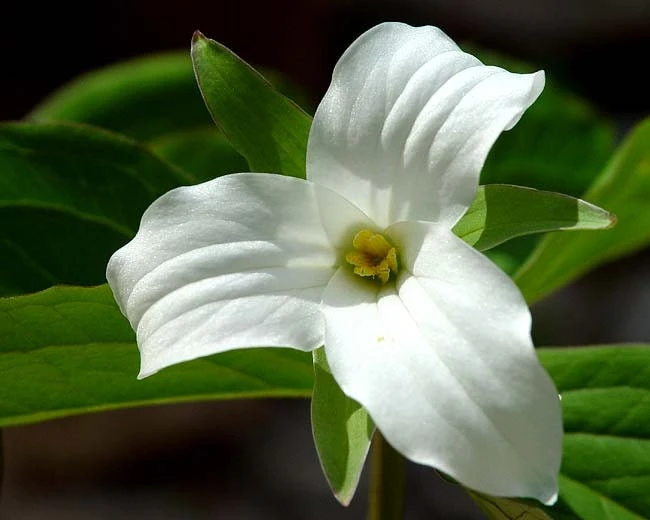
5 White Trillium Bulbs – Wood Lily Wildflower (Trillium grandiflorum) – Partial to Full Shade
Reviews
There are no reviews yet.