

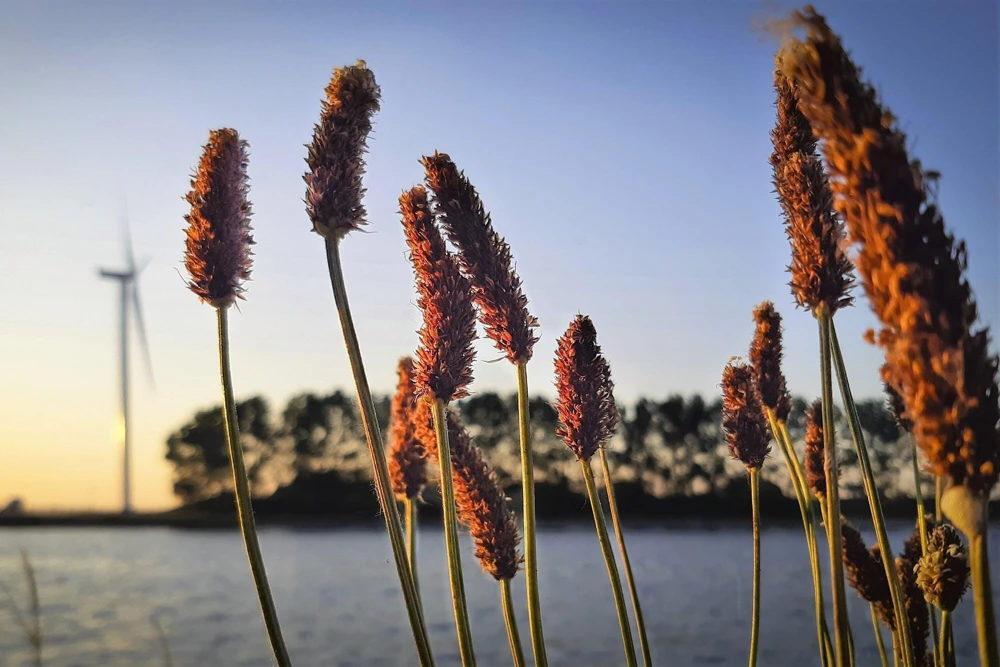
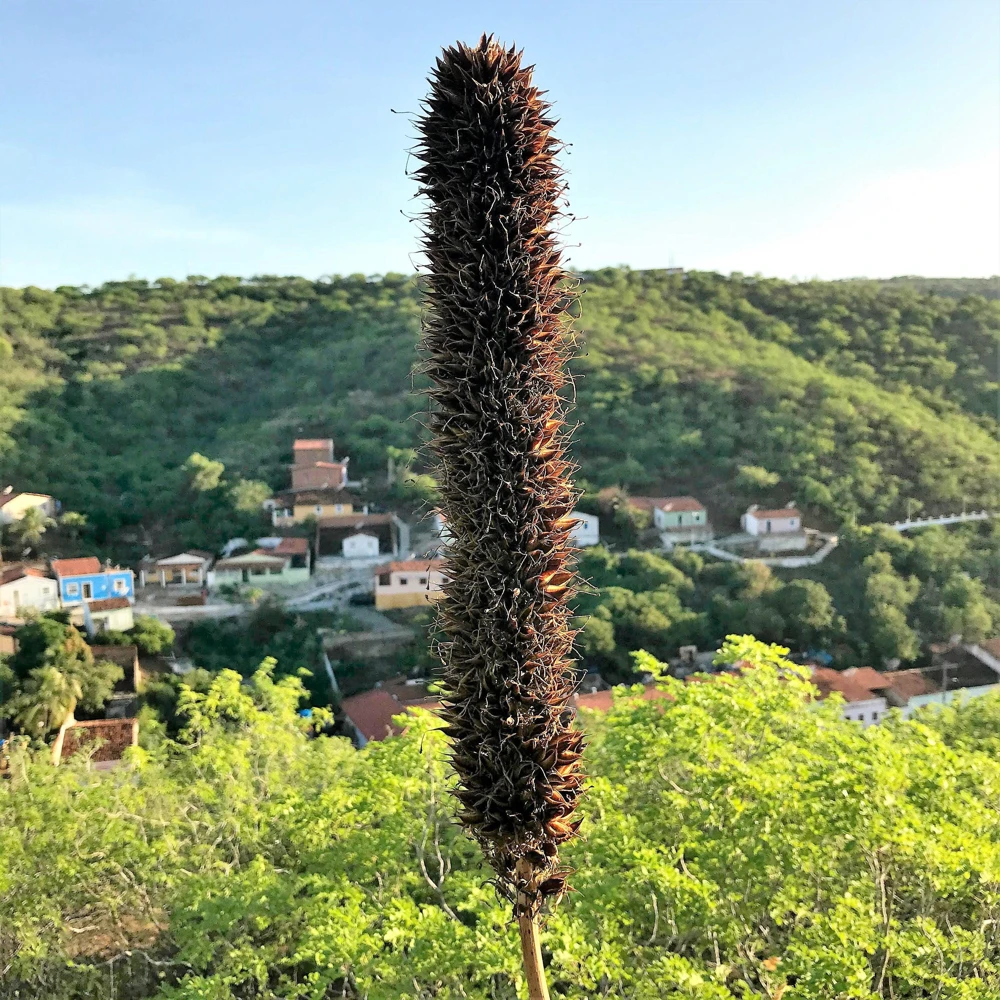
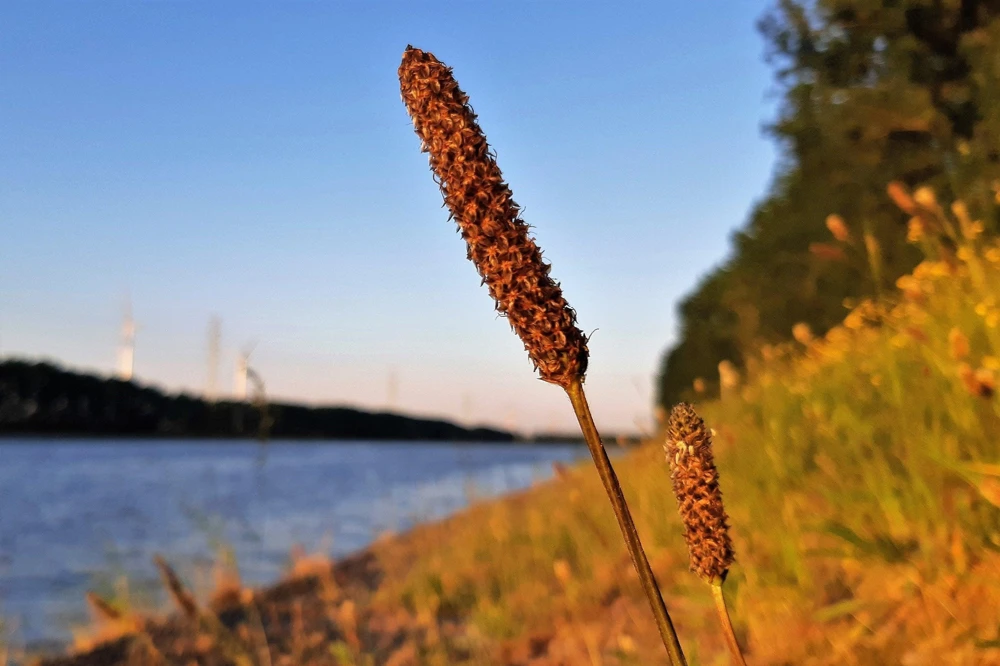

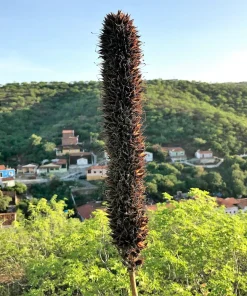
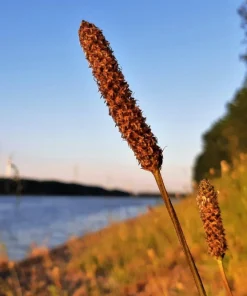
1000 Creeping Meadow Foxtail ‘Garrison’ Grass Seeds for Cool Season Moist Soil
Original price was: $36.99.$16.99Current price is: $16.99.
Cultivate robust fields with 1000 creeping meadow foxtail seeds, variety ‘Garrison’. This cool season perennial grass thrives in moist conditions, growing 3-5 feet tall with brown-yellow flowers. Perfect for hay production and soil stabilization.
Estimated arrival
Sep 14
Sep 19 - Sep 21
Sep 24 - Sep 28
Shop With Confidence
30-Day Plant Health Guarantee
Arrives damaged? We’ll replace it free — see our return policy.
Responsive Support
Email us anytime, we reply within 1 business day.
Expert Packaging
Temperature-controlled shipping to protect your plants in transit.
Secure Checkout
Pay safely with Visa, Mastercard, PayPal.
Plant Specifications
-
USDA Hardiness Zone
2-9 -
Soil Type
Average - Moist -
Sunlight Exposure
Full Sun -
Expected Planting Period
Spring or Fall
Overview
Experience the resilience and productivity of creeping meadow foxtail seeds, specifically the ‘Garrison’ variety. This robust perennial grass, scientifically known as Alopecurus Arundinaceus ‘Garrison’, is a valuable addition to pastures, hayfields, and reclamation projects. Known for its adaptability to cool, moist conditions, creeping meadow foxtail seeds establish quickly, forming a dense sod that helps prevent erosion. Reaching typical heights of 3-5 feet, and occasionally up to 7 feet, it provides substantial forage and ground cover. The ‘Garrison’ variety is particularly noted for its vigor and suitability across a wide range of temperate climates, making it an excellent choice for those seeking a reliable and productive cool season grass.
These alopecurus arundinaceus seeds are clay-coated, which can aid in easier handling and improved germination rates by retaining moisture. Whether you’re enhancing an existing meadow or starting a new planting, Creeping Meadow Foxtail ‘Garrison’ offers a dependable solution for establishing a strong, healthy stand of grass. Its distinctive brown-yellow flowers appear in June and July, adding a subtle natural beauty to the landscape. This grass is not only beneficial for agriculture but also contributes to local ecosystems by providing habitat and forage.
Key Benefits
Planting creeping meadow foxtail seeds offers numerous advantages for various agricultural and ecological applications. Its strong growth habit and adaptability make it a versatile choice for many environments.
- Excellent Forage Production: The ‘Garrison’ variety is highly valued for its abundant production of palatable hay and forage, especially in cool, moist conditions where other grasses might struggle. Livestock find it nutritious and appealing, contributing to healthier animals.
- Soil Stabilization and Erosion Control: With its vigorous root system, creeping meadow foxtail seeds help create a dense, protective sod. This makes it an ideal plant for preventing soil erosion on slopes, along waterways, or in disturbed areas, promoting ecological stability.
- Adaptability to Moist Soils: Unlike many grasses, Alopecurus Arundinaceus ‘Garrison’ thrives in average to moist soil conditions, making it perfectly suited for areas with higher water tables or regular rainfall. This resilience ensures consistent growth where other species may fail.
- Cool Season Performance: As a dedicated cool season grass seeds, it provides lush growth during spring and fall, extending the grazing or haying season. This characteristic is crucial for maintaining productivity outside of peak summer months.
- Hardiness and Longevity: This perennial grass is exceptionally hardy, capable of growing in USDA Zones 2-9. Once established, it offers long-term benefits, reducing the need for frequent replanting and providing a sustained green cover.
- Biodiversity Support: The dense growth and flowering habit of the Creeping Meadow Foxtail can support local wildlife by providing shelter and, during its bloom time, a source of pollen for beneficial insects.
- Low Maintenance: Once established, this grass requires relatively low maintenance, making it a cost-effective and time-saving option for large-scale plantings or naturalized areas. Its natural vigor helps it compete against weeds.
Plant Care & Growing Tips
Successfully growing creeping meadow foxtail seeds, especially the ‘Garrison’ variety, requires attention to a few key environmental factors. This cool season grass prefers full sun exposure, ensuring it receives ample light for robust growth. While it tolerates a range of soil types, it performs best in average to moist conditions, making it suitable for areas that retain water or receive consistent rainfall. Good drainage is still beneficial to prevent waterlogging, although it is more tolerant of wet feet than many other forage grasses. The ideal planting time for these alopecurus arundinaceus seeds can be either spring or fall, allowing the seeds to establish during cooler temperatures and sufficient moisture.
When planting, aim for rows spaced 3-4 feet apart to allow adequate room for spreading and growth. While not overly demanding, a soil test can help determine if any amendments are needed to boost nutrient levels. Fertilization, if required, should be done in early spring or fall with a balanced fertilizer. Keep the area free of competing weeds during the initial establishment phase. Once mature, moist soil grass like Creeping Meadow Foxtail ‘Garrison’ is quite self-sufficient. It’s important to monitor for any signs of pest or disease, though this species is generally quite resistant. Harvesting for hay typically occurs when the plants are mature but still green, and for seeds, when approximately 75% of the seeds are black and 50% of the seed heads are shattering at the tips.
Size & Details
This product includes 1000 clay coated seeds of Creeping Meadow Foxtail ‘Garrison’. Once fully grown, this perennial grass typically reaches a height of 3-5 feet, with some plants capable of growing up to 7 feet tall under optimal conditions. It forms a dense, spreading habit, making it excellent for ground cover and hay production. The seeds are suitable for planting in USDA Hardiness Zones 2-9, indicating its wide adaptability to various climates. The plant prefers full sun and thrives in average to moist soil conditions. Bloom time for the brown-yellow flowers is generally from June to July. The clay coating on the seeds aids in moisture retention and easier handling during planting, contributing to better germination rates for these garrison foxtail seeds.
Frequently Asked Questions
- Q: How many creeping meadow foxtail seeds are included in this package? A: This package contains 1000 clay coated seeds of Creeping Meadow Foxtail ‘Garrison’. The clay coating helps improve germination by retaining moisture and makes handling easier during planting.
- Q: What are the ideal growing conditions for these cool season grass seeds? A: These cool season grass seeds thrive in full sun exposure and prefer average to moist soil conditions. They are well-suited for USDA Hardiness Zones 2-9, making them adaptable to many temperate climates.
- Q: How tall does Creeping Meadow Foxtail ‘Garrison’ typically grow? A: Creeping Meadow Foxtail ‘Garrison’ usually grows to a height of 3-5 feet. Under ideal conditions, especially with consistent moisture, it can reach up to 7 feet tall, providing substantial biomass.
- Q: Is this grass suitable for hay production? A: Yes, creeping meadow foxtail seeds are highly valued for hay production. The ‘Garrison’ variety produces abundant and palatable forage, making it an excellent choice for livestock feed.
- Q: When is the best time to plant Alopecurus Arundinaceus ‘Garrison’ seeds? A: You can sow these alopecurus arundinaceus seeds in either spring or fall. Planting during these cooler seasons with sufficient moisture helps ensure successful germination and establishment.
- Q: What kind of soil does this moist soil grass prefer? A: This moist soil grass prefers average to moist soil conditions. While it is more tolerant of wet areas than many other grasses, good drainage is still beneficial for optimal growth.
- Q: What is the hardiness zone for Creeping Meadow Foxtail ‘Garrison’? A: Creeping Meadow Foxtail ‘Garrison’ is a very hardy perennial grass, suitable for planting in USDA Hardiness Zones 2 through 9. This wide range indicates its ability to withstand various winter conditions.
Be the first to review “1000 Creeping Meadow Foxtail ‘Garrison’ Grass Seeds for Cool Season Moist Soil”
People Also Viewed



Vegetable Seeds
Cubanelle Sweet Pepper Seeds – 25 Seeds, Heirloom Mild Chili
Flower Seeds
Reviews
There are no reviews yet.