
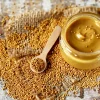
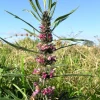
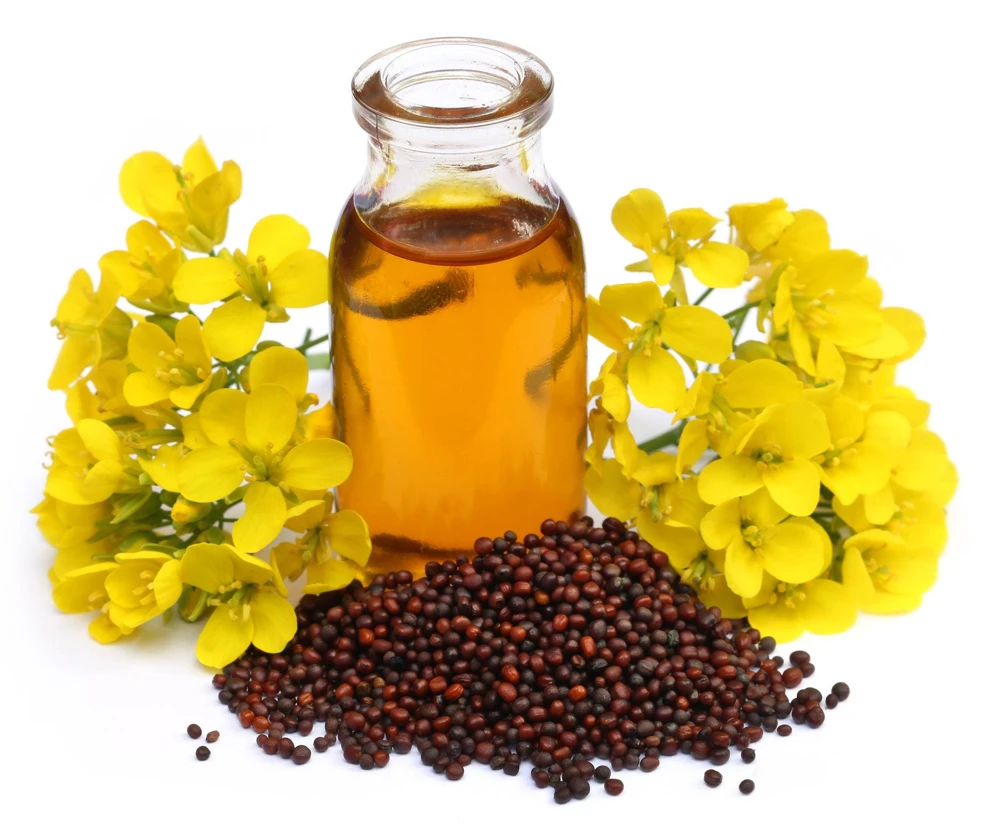
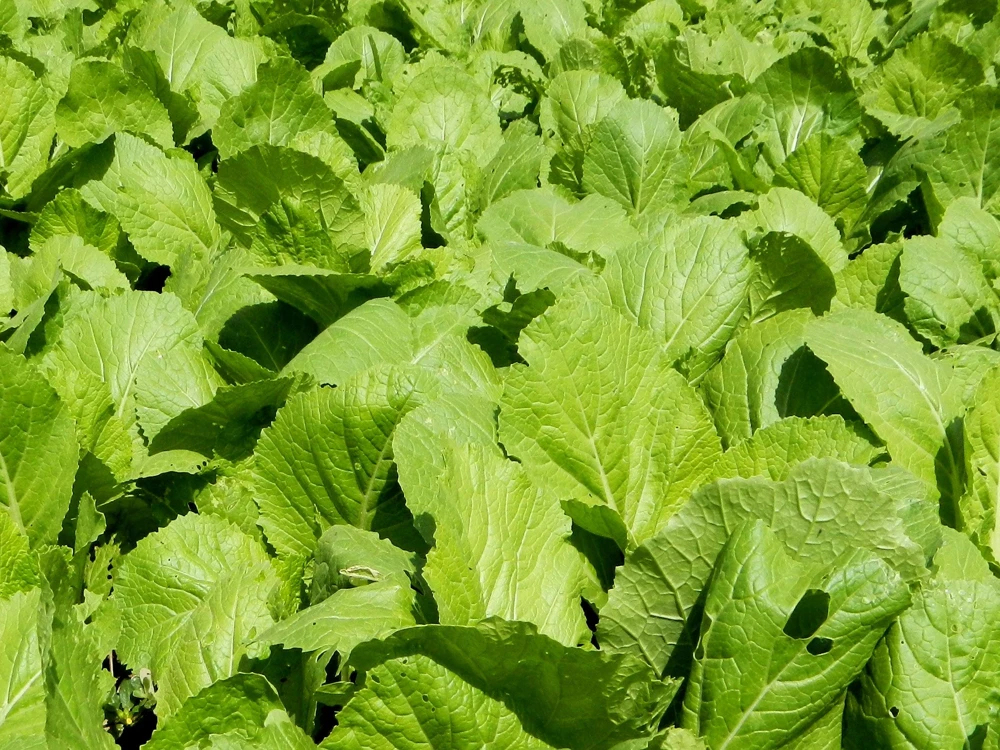
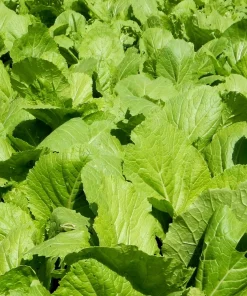
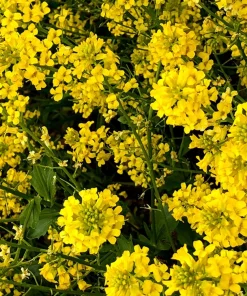
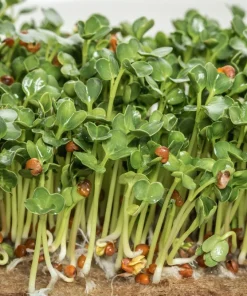
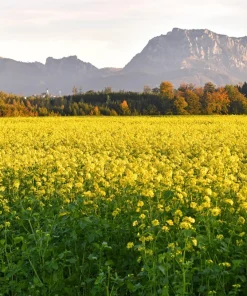
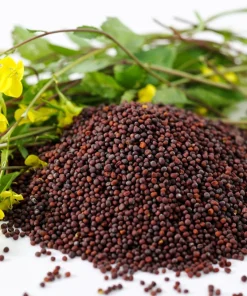
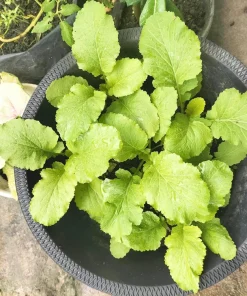
Brown Mustard Seeds Brassica Juncea – 1000 Vegetable Herb Seeds for Growing
Original price was: $36.99.$16.99Current price is: $16.99.
Cultivate your own flavorful spice with these brown mustard seeds. Each packet contains 1000 Brassica Juncea seeds, perfect for growing a robust crop of this versatile vegetable herb. Enjoy fresh mustard greens or harvest for spicy seeds.
Estimated arrival
Sep 14
Sep 19 - Sep 21
Sep 24 - Sep 28
Shop With Confidence
30-Day Plant Health Guarantee
Arrives damaged? We’ll replace it free — see our return policy.
Responsive Support
Email us anytime, we reply within 1 business day.
Expert Packaging
Temperature-controlled shipping to protect your plants in transit.
Secure Checkout
Pay safely with Visa, Mastercard, PayPal.
Plant Specifications
-
USDA Hardiness Zone
N/A (typically grown as an annual) -
Soil Type
Average, well-draining soil -
Sunlight Exposure
Full sun -
Expected Planting Period
Outdoors after frost / Indoors weeks before last frost
Overview
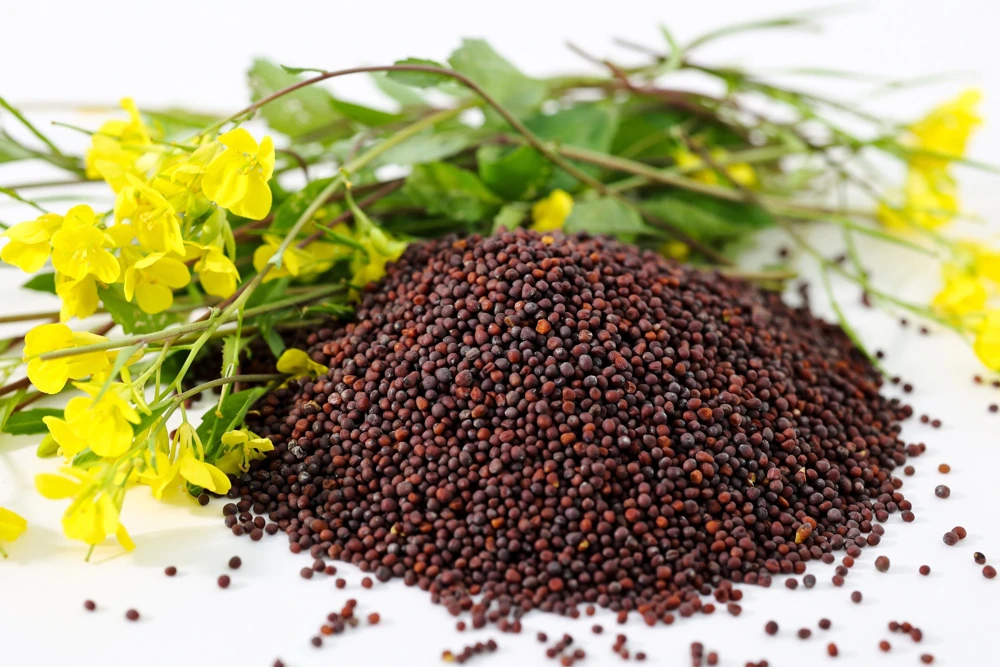
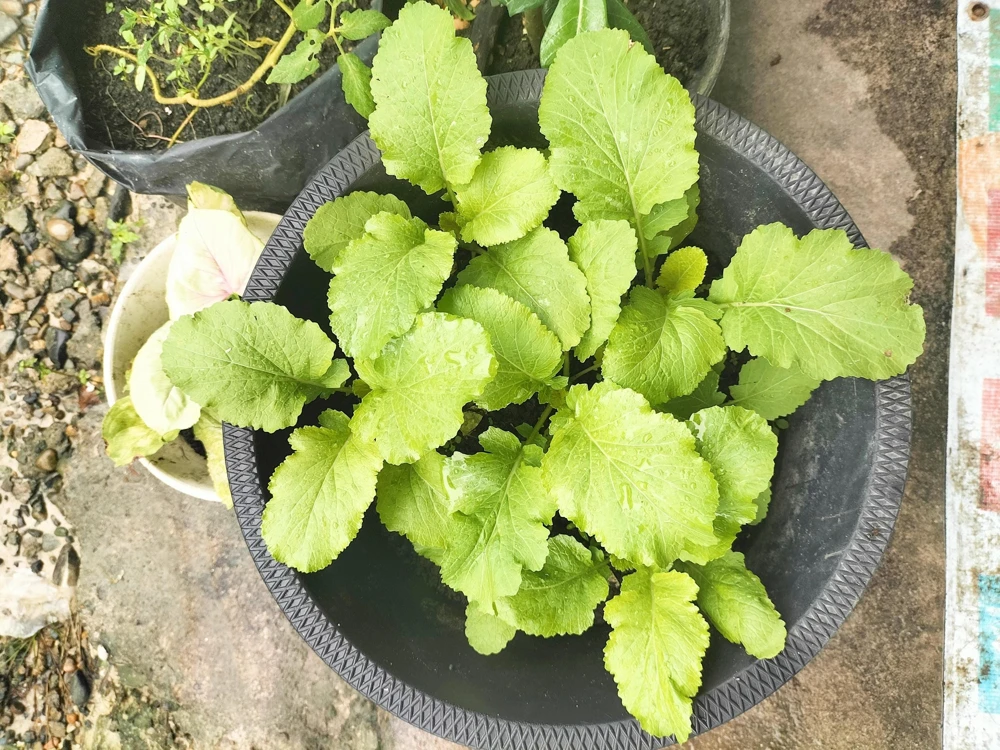
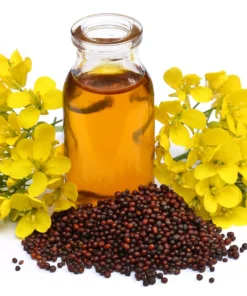
Embark on a culinary adventure by growing your own brown mustard seeds. This packet contains 1000 Brassica Juncea seeds, offering an abundant supply for your garden. Brown mustard, scientifically known as Brassica Juncea, is a highly prized vegetable herb known for its pungent flavor, which is significantly spicier than its yellow counterpart. These seeds can be grown to produce tender, edible greens or allowed to mature for their distinctive brown seeds, essential for making homemade mustard, pickling, and seasoning. Growing your own spicy mustard plant from seed is a rewarding experience, providing fresh ingredients directly from your garden to your plate. Whether you’re an experienced gardener or just starting, these seeds offer a straightforward path to cultivating a versatile and flavorful herb.
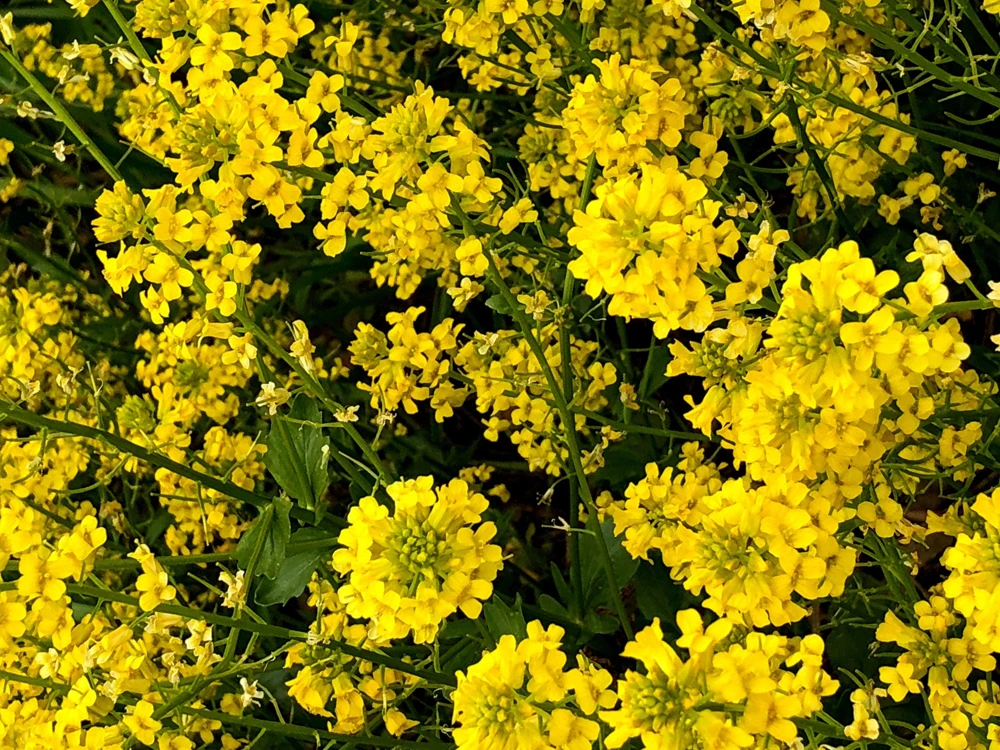
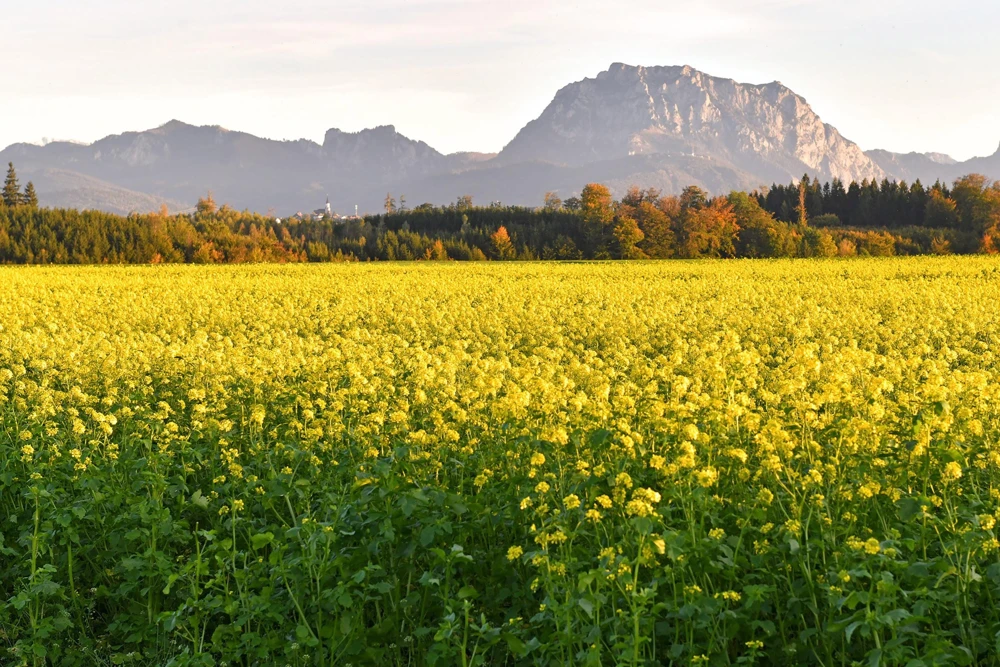
The ease of cultivation makes Brassica Juncea seeds an excellent choice for various gardening setups, from raised beds to container gardens. The plants are relatively quick to mature, allowing for multiple harvests throughout the growing season. Beyond their culinary applications, brown mustard plants can also serve as a beneficial cover crop, improving soil health and suppressing weeds. Their vibrant yellow flowers add a touch of beauty to any garden space before they transition into seed pods. With 1000 seeds, you’ll have plenty to experiment with different planting times and harvesting methods.
Key Benefits
Growing brown mustard seeds offers a variety of advantages for both the home gardener and the home cook. These seeds provide an opportunity to cultivate a highly versatile and flavorful herb with numerous uses.
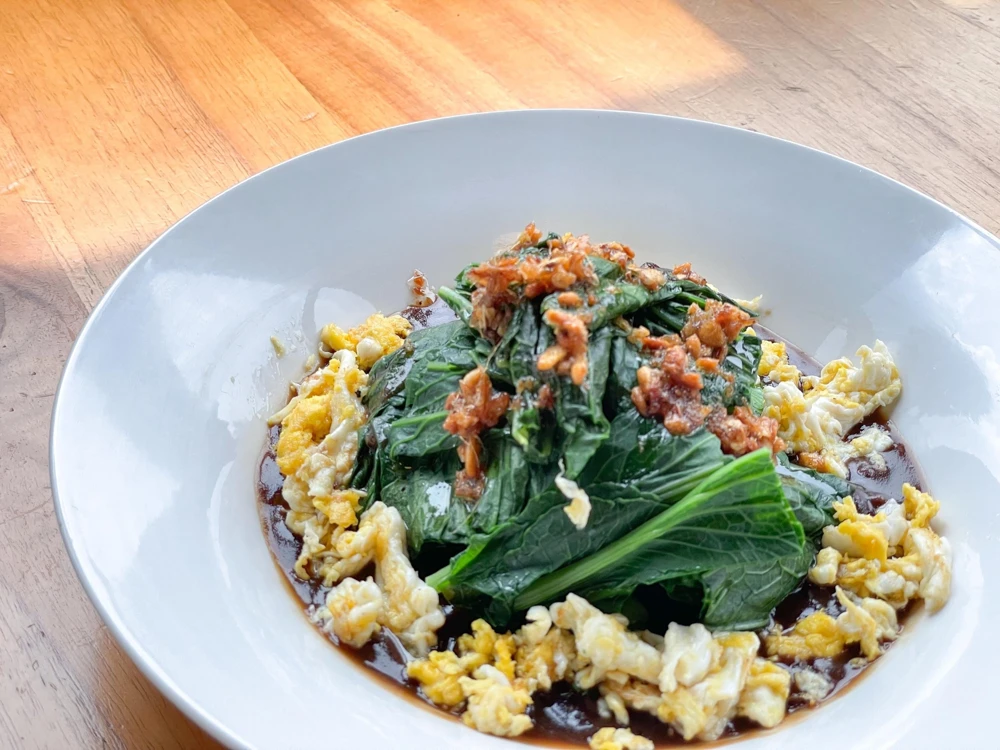
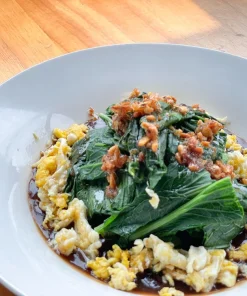
- Culinary Versatility: Harvest young leaves for a peppery addition to salads and stir-fries, or allow the plants to mature and collect the seeds to create your own homemade spicy mustard, rubs, and spice blends. This makes the mustard herb seeds an invaluable ingredient in any kitchen.
- Robust Flavor Profile: Brown mustard is celebrated for its distinctly pungent and spicy flavor, offering a more intense kick compared to yellow mustard. This makes it a favorite for those who enjoy bold tastes in their cooking.
- Easy to Grow: These seeds are known for their strong germination rates and vigorous growth. They adapt well to various growing conditions, making them suitable for gardeners of all skill levels.
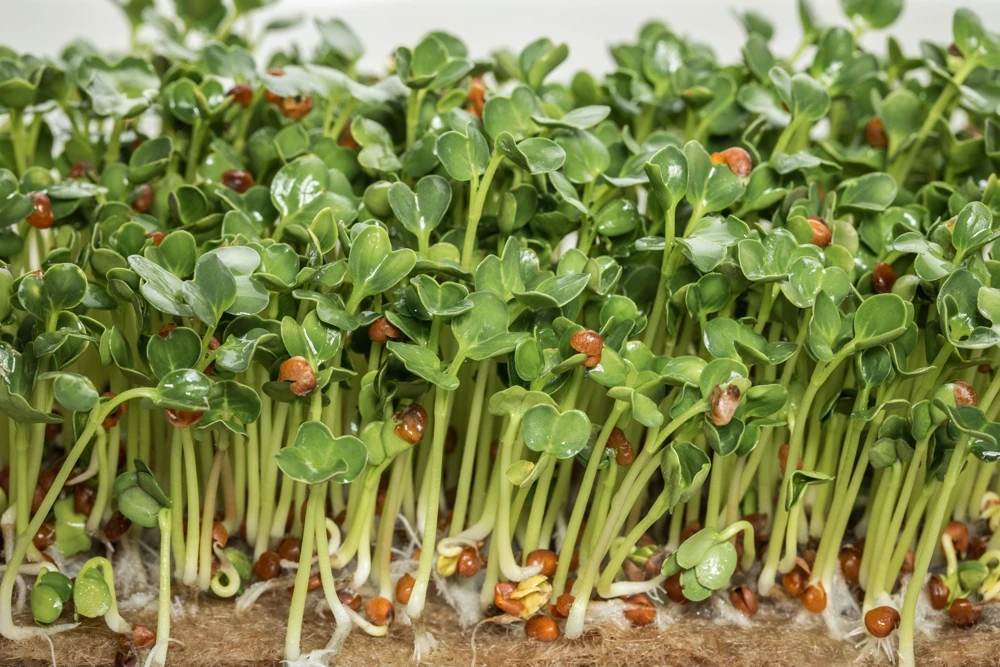
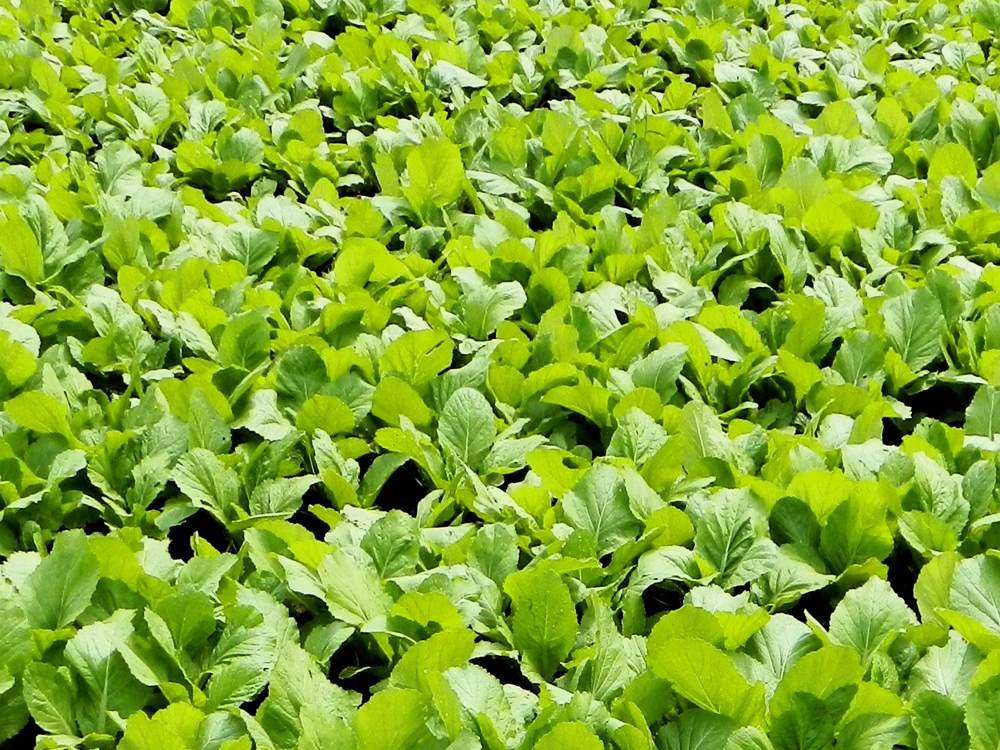
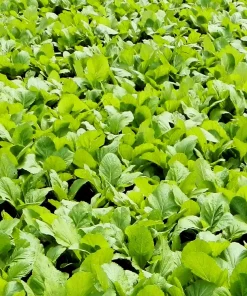
- Quick Harvest: Enjoy fresh mustard greens in as little as 40 days from planting. The rapid growth cycle allows for successive plantings and a continuous supply of fresh greens or seeds throughout the season.
- Beneficial Garden Plant: Beyond its culinary uses, the spicy mustard plant can act as a natural pest deterrent for other garden vegetables and can be used as a green manure crop to enrich soil quality.
- Abundant Supply: With 1000 Brassica Juncea seeds, you’ll have more than enough to plant a substantial crop, share with friends, or save for future seasons, ensuring a continuous supply of this fantastic herb.
- Healthy Addition: Mustard greens are packed with vitamins and minerals, adding a nutritious boost to your diet. Incorporating freshly grown mustard into your meals is an excellent way to enhance flavor and health.
Plant Care & Growing Tips
Cultivating brown mustard seeds is a straightforward process, making it an excellent choice for both novice and experienced gardeners. For best results, sow seeds outdoors after the last frost has passed, or start them indoors several weeks before the anticipated last frost date to get a head start on the growing season. Ensure your planting site receives full sun exposure, as mustard plants thrive with ample sunlight. A minimum of 6 hours of direct sunlight daily is ideal for robust growth and optimal seed production. When planting, space seeds approximately 3 to 6 inches apart to allow sufficient room for each plant to develop fully. The mature plants will typically reach a height of 12 to 18 inches.
These mustard herb seeds prefer average soil conditions that are well-draining. While they are not overly particular about soil type, amending heavy clay soils with organic matter can improve drainage and provide essential nutrients. Maintain consistent moisture, particularly during dry spells, but avoid overwatering, which can lead to root rot. Brown mustard plants are relatively low-maintenance, requiring minimal fertilization if planted in fertile soil. However, a balanced organic fertilizer can be applied if growth appears sluggish. Keep an eye out for common garden pests, though mustard’s natural pungency often deters many. Harvesting greens can begin early, while harvesting for seeds requires patience until the seed pods dry on the plant. Understanding how to grow mustard seeds successfully ensures a bountiful harvest.
Size & Details
This product includes 1000 Brassica Juncea seeds, providing a substantial quantity for your gardening needs. Each seed has the potential to grow into a vibrant brown mustard plant, reaching a mature height of approximately 12 to 18 inches. The plants typically establish a spread of about 3 to 6 inches, making them suitable for row planting or container gardening. With a relatively fast growth rate, you can expect to begin harvesting fresh mustard greens in as little as 40 days from planting. For seed collection, allow the plants to fully mature and dry on the stem. These seeds are packaged to maintain viability and ensure successful germination when planted correctly. The brown mustard seeds are suitable for planting outdoors after the last frost or can be started indoors for an earlier crop.
Frequently Asked Questions
- Q: How big does this spicy mustard plant get? A: The spicy mustard plant typically grows to a height of 12 to 18 inches, with a spread of 3 to 6 inches, making it a compact addition to most gardens.
- Q: What size pot does it come in? A: This product consists of brown mustard seeds, not a live plant. You will receive 1000 seeds in a packet, ready for you to plant in your chosen pot or garden bed.
- Q: Is this an indoor or outdoor plant? A: While you can start Brassica Juncea seeds indoors, brown mustard is primarily grown outdoors in full sun for best results, especially when aiming for seed production.
- Q: How much sunlight does it need? A: To successfully grow mustard seeds, the plants require full sun exposure, meaning at least 6 hours of direct sunlight per day.
- Q: Is this plant easy to care for? A: Yes, brown mustard is considered easy to care for and is suitable for beginner gardeners due to its robust nature and quick growth.
- Q: Is it good for beginners? A: Absolutely! Its rapid growth and minimal care requirements make it an excellent choice for those new to gardening. Learning how to grow mustard seeds is a rewarding experience for any level.
- Q: What condition will it arrive in? A: You will receive a packet containing 1000 Brassica Juncea seeds, carefully packaged to ensure their viability and readiness for planting.
- Q: Is it shipped in soil? A: No, this product contains only seeds. You will need to provide your own soil and growing medium for planting.
- Q: Can I use brown mustard in cooking? A: Yes, both the young leaves and the mature seeds of the spicy mustard plant are excellent for culinary use, adding a pungent, spicy flavor to various dishes.
- Q: Is it pet-safe? A: While mustard greens are generally considered safe for human consumption, it’s always best to research specific plant toxicity for pets, as some plants can cause digestive upset.
- Q: How long until it blooms? A: Mustard greens can be harvested as early as 40 days. The plants will then continue to grow and produce yellow flowers before forming seed pods.
- Q: When is the best time to plant? A: The best time to plant brown mustard seeds is outdoors after the last frost, or you can start them indoors a few weeks prior to transplanting.
- Q: Will it survive winter in my zone? A: Brown mustard is typically grown as an annual. In warmer climates, it may overwinter, but generally, it’s replanted each season.
- Q: What’s the minimum temperature? A: Brown mustard prefers cooler temperatures for germination and early growth, but is not frost-hardy and should be planted after the danger of frost has passed.
Be the first to review “Brown Mustard Seeds Brassica Juncea – 1000 Vegetable Herb Seeds for Growing”
People Also Viewed
Reviews
There are no reviews yet.