


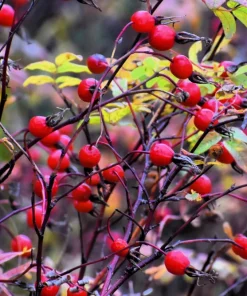
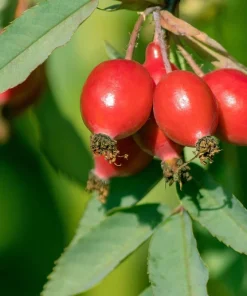
Pink Cinnamon Rose Seeds – Fragrant Amur Rosa Davurica – 10 Seeds
Original price was: $36.99.$16.99Current price is: $16.99.
Cultivate stunning, fragrant pink cinnamon rose seeds (Rosa Davurica) in your garden. These easy-to-grow seeds produce beautiful, pollinator-attracting pink blooms from June to July, perfect for zones 5-9. Each pack contains 10 high-quality seeds for a vibrant rose bush.
Estimated arrival
Sep 14
Sep 19 - Sep 21
Sep 24 - Sep 28
Shop With Confidence
30-Day Plant Health Guarantee
Arrives damaged? We’ll replace it free — see our return policy.
Responsive Support
Email us anytime, we reply within 1 business day.
Expert Packaging
Temperature-controlled shipping to protect your plants in transit.
Secure Checkout
Pay safely with Visa, Mastercard, PayPal.
Plant Specifications
-
USDA Hardiness Zone
5 - 9 -
Soil Type
Average, well-draining soil -
Sunlight Exposure
Full sun - Part shade -
Expected Planting Period
Fall sow or cold stratify for spring planting
Overview
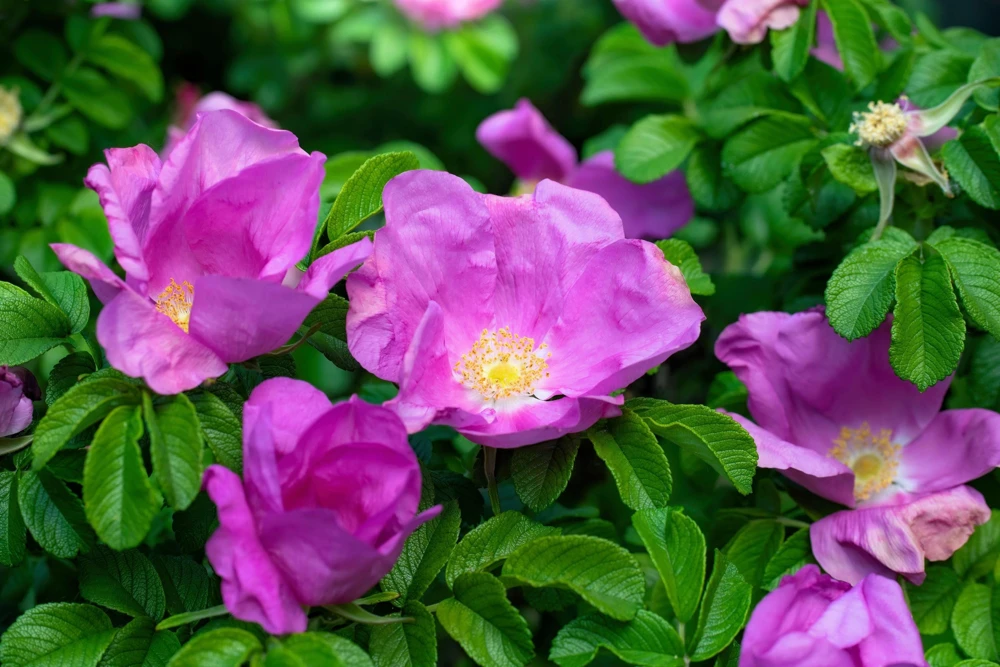
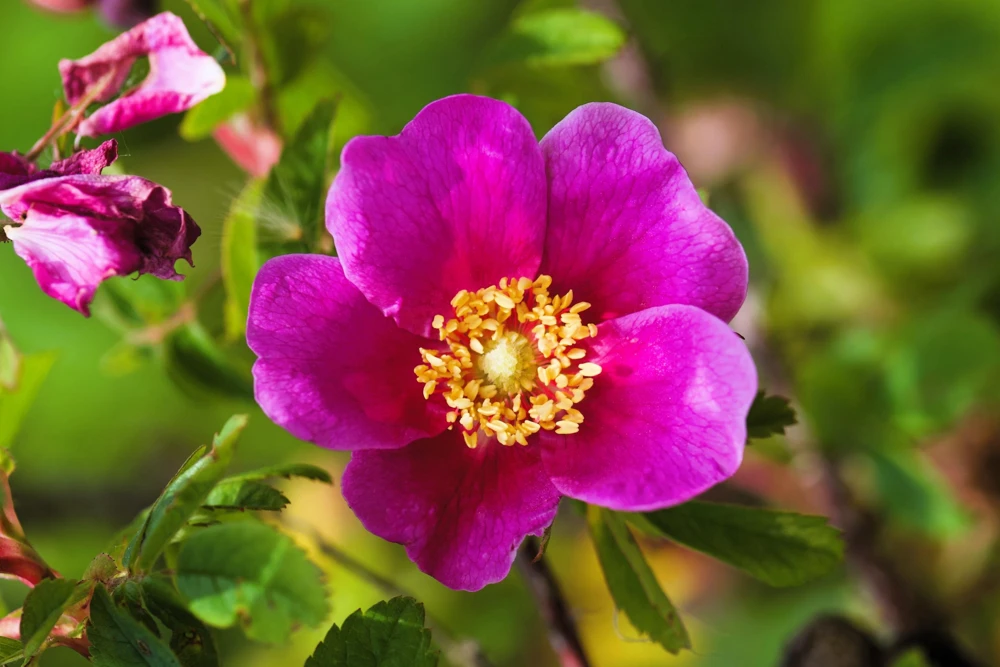
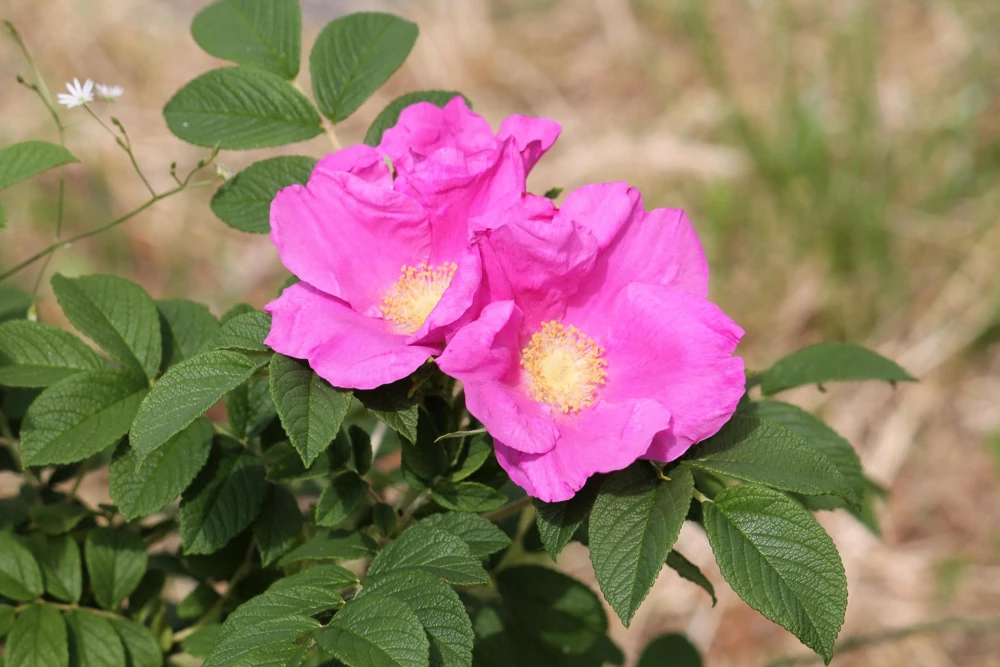
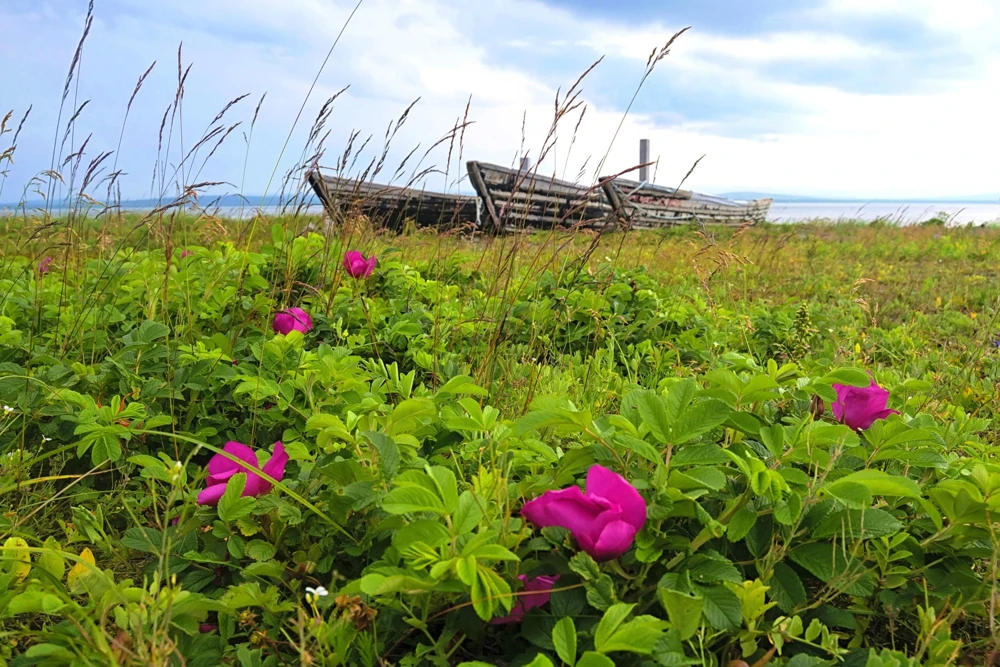
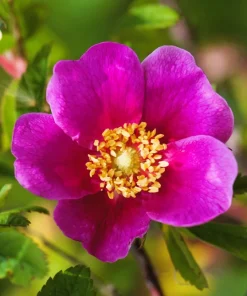
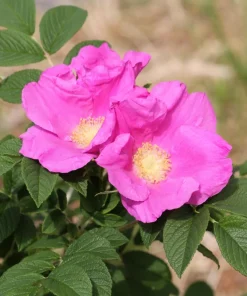
Transform your garden with the timeless beauty of pink cinnamon rose seeds. These exceptional seeds grow into the enchanting Cinnamon Rose, also known as the Amur Rose (Rosa Davurica), a shrubbing rose celebrated for its lovely, fragrant 1 ½” single pink blooms. Ideal for gardeners looking to add both visual appeal and a delightful aroma to their outdoor spaces, these roses promise a captivating display throughout the summer. The pink cinnamon rose seeds are perfect for creating a vibrant, naturalized garden setting that attracts beneficial pollinators like bees and butterflies, while also providing nourishing rose hips for birds. Cultivating Amur Roses from seed offers a rewarding experience, allowing you to witness the entire life cycle of these resilient and charming plants from the very beginning.
Key Benefits
Planting pink cinnamon rose seeds brings a multitude of advantages to any garden. These robust plants are not only beautiful but also contribute significantly to local ecosystems and offer practical uses.
- Stunning Fragrant Blooms: Enjoy the delicate and sweet fragrance of lovely 1 ½” single pink flowers that adorn the bush from June to July, adding an elegant touch to your landscape. The aroma of a fragrant rose seeds planting will fill your garden.
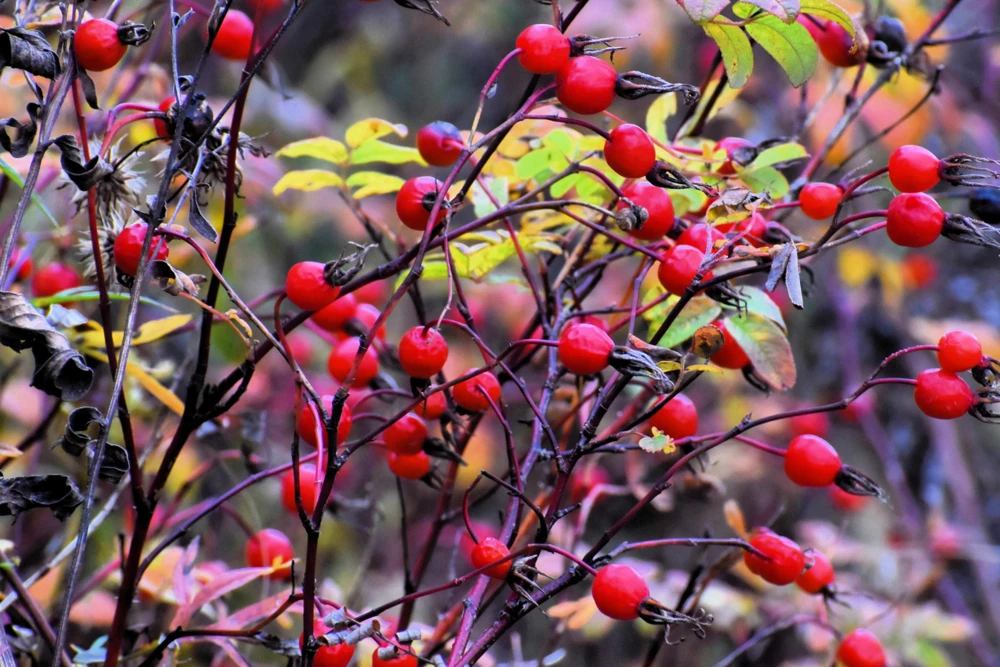
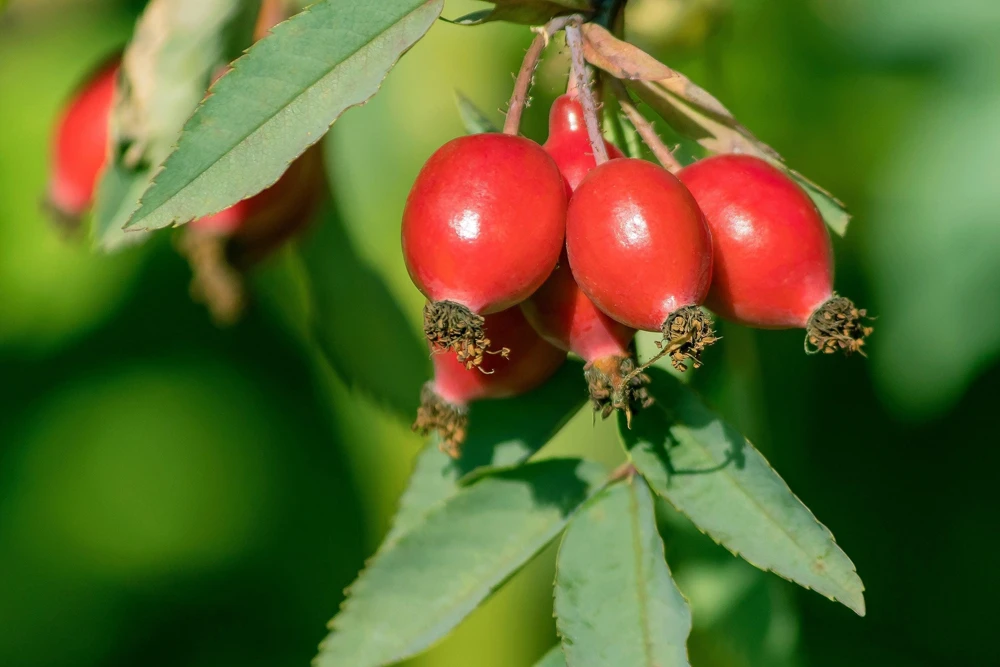
- Attracts Pollinators & Wildlife: The vibrant pink blossoms are a magnet for bees and butterflies, promoting a healthy garden ecosystem. Birds will also appreciate the beautiful and nutritious rose hips that form after the blooms.
- Hardy & Resilient: Thrives in USDA Hardiness Zones 5-9, demonstrating excellent cold tolerance. The Amur Rose is known for its ability to tolerate various soil conditions, including sandy or heavy clay, and even moist environments, making it a versatile choice for many gardens.
- Excellent Cut & Dried Flowers: The large blooms make superb cut flowers, lasting up to two weeks in a vase, bringing garden beauty indoors. They are also popular for drying, providing lasting charm.
- Low Maintenance: Once established, these rose bushes require minimal fuss, making them suitable for both experienced and novice gardeners. Learning how to grow cinnamon rose is a straightforward process.
- Traditional Uses: Beyond their ornamental value, Cinnamon Roses have many traditional uses, adding another layer of interest to your garden.
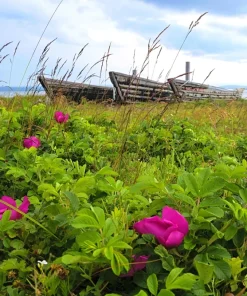
- Versatile Landscaping Plant: Perfect for hedges, borders, or as a standalone specimen, the Cinnamon Rose offers significant landscaping flexibility.
Plant Care & Growing Tips
Successful cultivation of pink cinnamon rose seeds begins with proper planting and ongoing care. These roses are relatively undemanding, ensuring a beautiful display with minimal effort. To successfully grow cinnamon rose, understanding their specific needs is crucial.
Sunlight Requirements: Cinnamon Roses thrive in full sun to part shade. For optimal blooming, aim for at least 6 hours of direct sunlight per day. In hotter climates, some afternoon shade can protect the blooms from scorching. Ensure your planting location offers adequate light exposure for vigorous growth.
Watering Schedule & Soil Moisture Preferences: While tolerant of moist conditions, average watering is generally sufficient. Water deeply and regularly, especially during dry spells and the plant’s establishment period. Allow the top inch or two of soil to dry out between waterings to prevent waterlogging, which can be detrimental to root health. The Amur Rose is quite adaptable, but consistent moisture without saturation is ideal.
Soil Type & Drainage Requirements: These roses are remarkably adaptable and can tolerate a wide range of soil types, including sandy or heavy clay soil. However, they perform best in average, well-draining soil with a neutral to slightly acidic pH. Incorporating organic matter can improve soil structure and fertility, providing an optimal growing environment for your rosa davurica seeds.
Temperature Range & USDA Hardiness Zone: The Cinnamon Rose is cold hardy and well-suited for USDA Hardiness Zones 5 through 9. This means it can withstand winter temperatures down to -20°F (-28.9°C). For fall sowing, cold stratification is recommended or naturally occurs with winter temperatures, aiding germination of the amur rose seeds.
Fertilization Schedule & Type: Fertilize in early spring with a balanced granular fertilizer specifically formulated for roses. Follow package instructions for application rates. A second, lighter application can be given after the first flush of blooms to encourage continued flowering. Avoid over-fertilizing, which can lead to excessive foliage at the expense of flowers.
Common Problems and Solutions: Cinnamon Roses are generally robust, but like all plants, they can occasionally encounter issues. Watch for common rose pests like aphids or spider mites; treat with insecticidal soap if necessary. Fungal diseases such as black spot or powdery mildew can occur in humid conditions; ensure good air circulation and consider a preventative fungicide if these are common in your area. Proper watering and adequate sunlight will help prevent most issues.
Size & Details
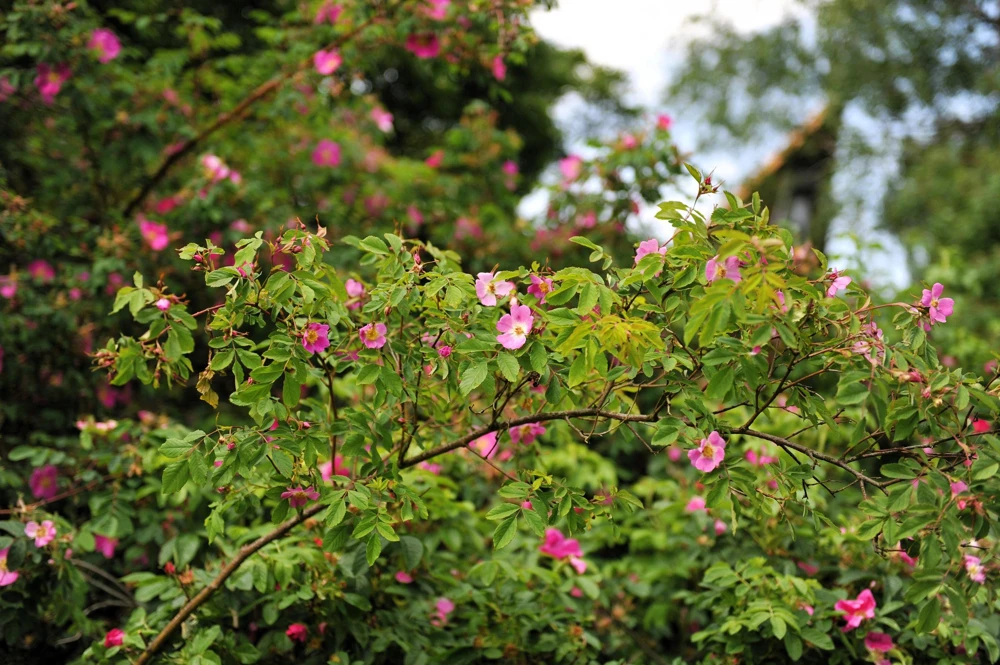
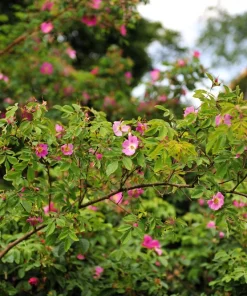
The pink cinnamon rose seeds will develop into a substantial and attractive shrub. Mature plants typically reach a height of 36 to 48 inches (3-4 feet) and spread equally wide, requiring adequate spacing for optimal growth and air circulation. Each packet contains 10 seeds, providing a good starting quantity for several plants or to ensure successful germination. These seeds are ideal for fall sowing, allowing for natural cold stratification over winter, or can be cold stratified manually before spring planting. Expect blooms from June to July in their first or second year, depending on growing conditions and planting time. The plant’s vigorous growth habit ensures a quick establishment, leading to a beautiful, mature rose bush that will enhance your garden for years to come. These fragrant rose seeds will grow into a beloved addition.
Frequently Asked Questions
- Q: How big does this plant get? A: The Cinnamon Rose typically grows to a height of 36 to 48 inches (3-4 feet) and spreads about 36 to 48 inches wide, forming a dense shrub. This makes it suitable for various garden applications, from hedges to specimen plants.
- Q: Is this an indoor or outdoor plant? A: The Cinnamon Rose (Rosa Davurica) is an outdoor plant, hardy in USDA Zones 5-9. It thrives in garden beds, borders, and naturalized areas, and is not typically grown as an indoor houseplant.
- Q: How much sunlight does it need? A: These roses prefer full sun to part shade. For the best bloom production and overall plant health, aim for at least 6 hours of direct sunlight per day. Partial shade can be beneficial in regions with intense afternoon sun.
- Q: Is this plant easy to care for? A: Yes, the Cinnamon Rose is considered relatively easy to care for. It’s known for its hardiness and adaptability to various soil conditions, making it a good choice for gardeners of all experience levels seeking to grow cinnamon rose.
- Q: What condition will the seeds arrive in? A: You will receive 10 seeds in a packet, ready for planting. The seeds are carefully packed to ensure their viability upon arrival, providing a great start for your pink cinnamon rose seeds project.
- Q: When is the best time to plant these seeds? A: The best time to plant these seeds is in the fall, allowing them to undergo natural cold stratification over winter for spring germination. Alternatively, you can cold stratify them manually for 60-90 days before planting in early spring.
- Q: Will it survive winter in my zone? A: If you are in USDA Hardiness Zones 5-9, the Cinnamon Rose is well-suited to survive winter outdoors. It is known for its excellent cold tolerance and resilience, ensuring it returns year after year.
- Q: What are the flowers like? A: The flowers are lovely, fragrant, single pink blooms, about 1 ½ inches in diameter. They appear from June to July and are attractive to pollinators, making your garden lively.
- Q: Can these roses tolerate different soil types? A: Yes, a key benefit of the Amur Rose is its tolerance for various soil types, including sandy, heavy clay, and even moist conditions. However, well-draining, average garden soil is always preferred for optimal growth of your rosa davurica seeds.
- Q: Are these amur rose seeds good for attracting wildlife? A: Absolutely! The fragrant pink flowers attract bees and butterflies, while the rose hips that form later are a valuable food source for birds, enhancing biodiversity in your garden.
Be the first to review “Pink Cinnamon Rose Seeds – Fragrant Amur Rosa Davurica – 10 Seeds”
People Also Viewed

Reviews
There are no reviews yet.