
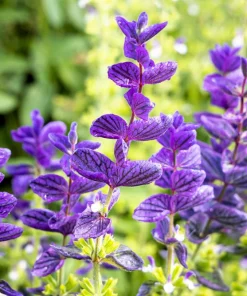
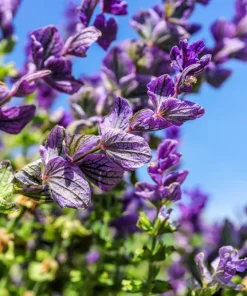
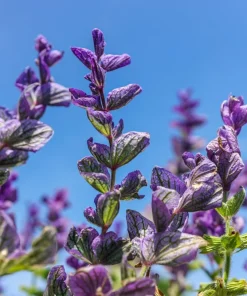
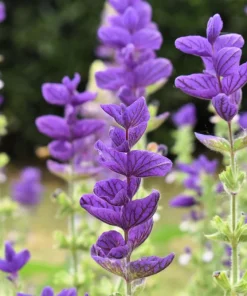
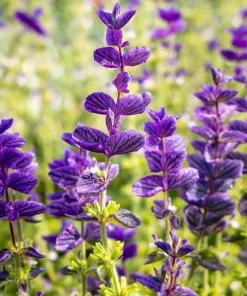
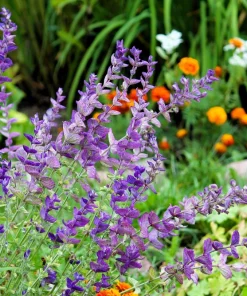
Oxford Blue Sage Seeds – Salvia Viridis Clary Horminum – 50 Seeds – Attracts Pollinators
Original price was: $36.99.$16.99Current price is: $16.99.
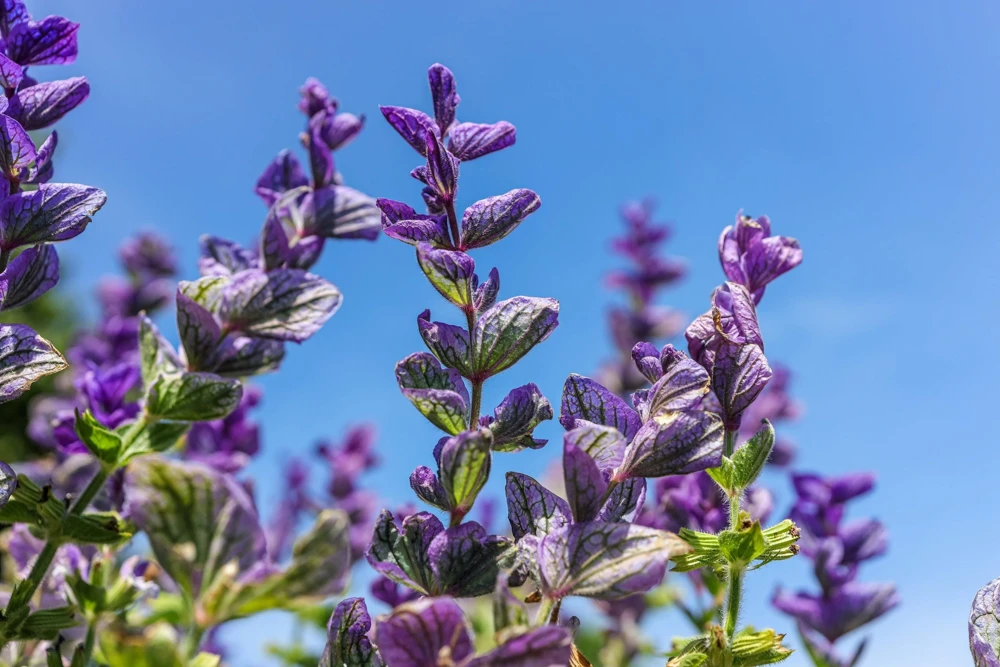
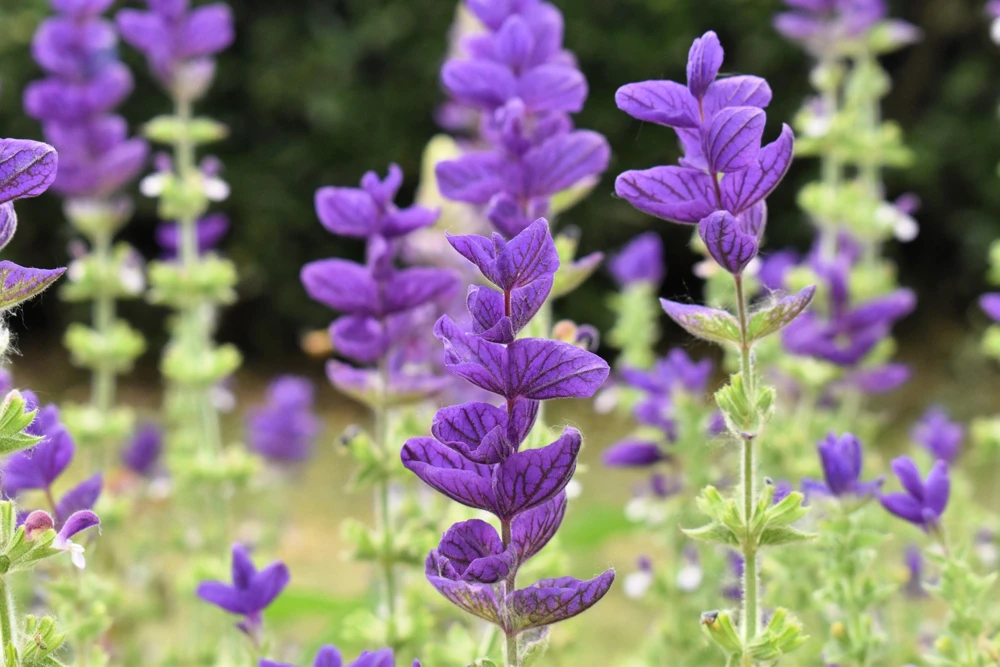
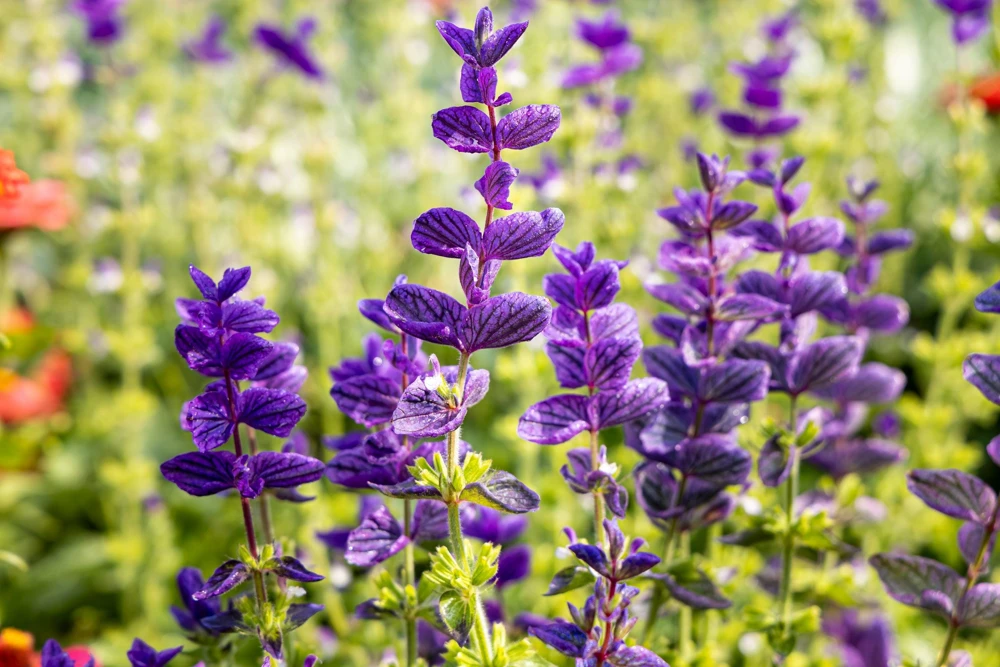
Cultivate stunning Oxford Blue Sage seeds (Salvia Viridis) for a vibrant addition to your garden. These Clary Sage seeds produce beautiful blue blooms, perfect for attracting beneficial pollinators like bees, birds, and butterflies. Ideal for cut or dried floral arrangements, these Salvia Viridis seeds are a biennial herb that thrives in full sun.
Estimated arrival
Sep 14
Sep 19 - Sep 21
Sep 24 - Sep 28
Shop With Confidence
30-Day Plant Health Guarantee
Arrives damaged? We’ll replace it free — see our return policy.
Responsive Support
Email us anytime, we reply within 1 business day.
Expert Packaging
Temperature-controlled shipping to protect your plants in transit.
Secure Checkout
Pay safely with Visa, Mastercard, PayPal.
Plant Specifications
-
USDA Hardiness Zone
Biennial -
Soil Type
Average, well-draining soil -
Sunlight Exposure
Full sun -
Expected Planting Period
Outdoors after frost / Indoors weeks before last frost
Overview
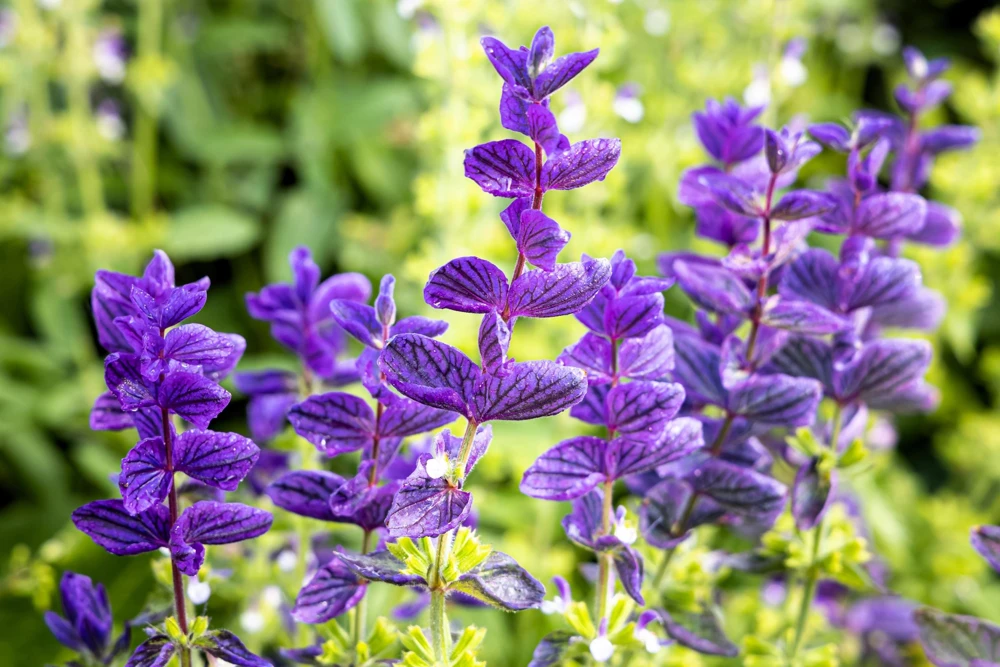
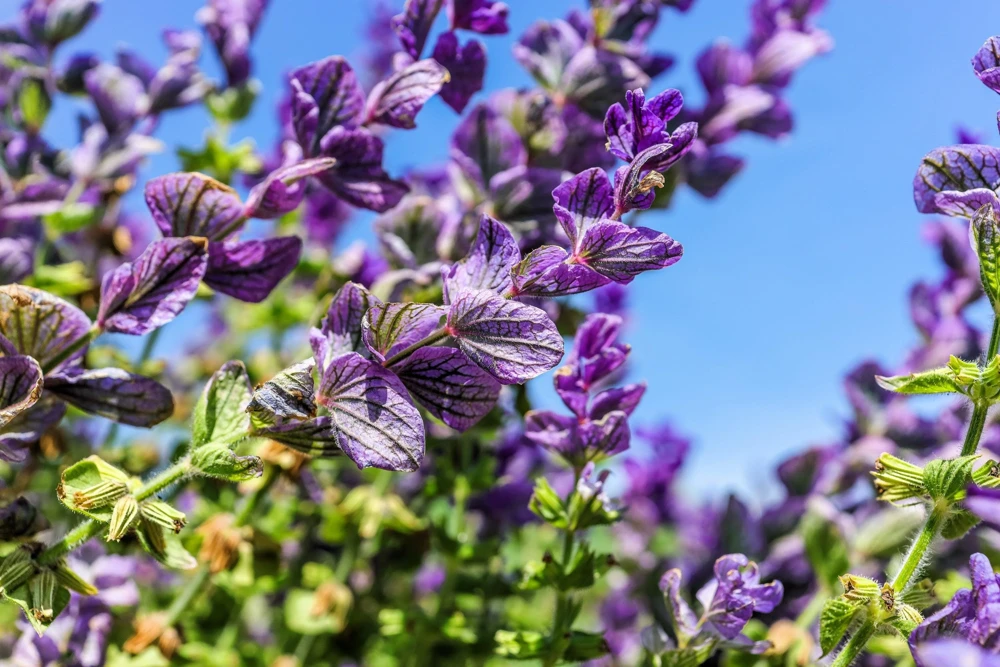
Introduce a splash of stunning color and natural beauty to your garden with our premium Oxford Blue Sage seeds. Also known as Clary Sage seeds, Painted Sage, or Horminum Sage, these Salvia Viridis seeds promise a vibrant display of blue blooms that will captivate onlookers and beneficial insects alike. Each packet contains 50 high-quality seeds, ready to transform your outdoor space into a pollinator’s paradise. The ‘Oxford Blue’ variety is particularly prized for its intense blue bracts, which provide long-lasting color and an elegant presence in any garden setting. As a biennial plant, it establishes itself in the first year and then flowers profusely in its second year, offering a rewarding cycle of growth and bloom. Whether you’re an experienced gardener or just starting, growing Salvia Viridis seeds is a delightful and impactful choice for adding both aesthetic appeal and ecological value to your home landscape.
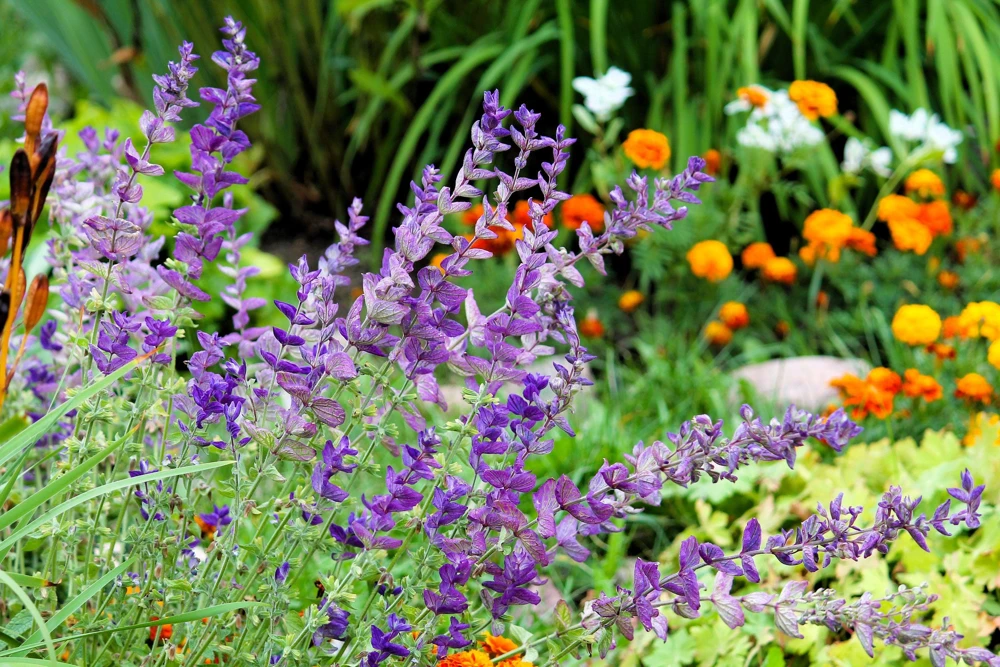
These versatile plants are not only beautiful but also incredibly beneficial. The striking blue flowers are a magnet for local wildlife, making them an excellent choice for supporting biodiversity. Imagine your garden buzzing with bees, fluttering with butterflies, and visited by charming birds, all drawn to the allure of your newly planted Oxford Blue Sage seeds. Their robust nature and relatively easy care make them a fantastic option for various garden styles, from cottage gardens to more formal beds. Enhance your garden’s charm and ecological footprint with these exceptional seeds.
Key Benefits
Planting Oxford Blue Sage seeds offers a multitude of advantages for both your garden and the local ecosystem. These beautiful plants provide visual appeal and contribute to a healthier environment.
- Stunning Blue Blooms: Enjoy vibrant, long-lasting blue flowers from June through September, adding a unique color to your garden palette. The ‘Oxford Blue’ shade is particularly striking and eye-catching.
- Attracts Pollinators: These Clary Sage seeds are a favorite among bees, butterflies, and hummingbirds, helping to support local pollinator populations and improve the health of your garden.
- Excellent Cut & Dried Flower: The beautiful blooms and bracts of Salvia Viridis make them perfect for fresh floral arrangements or for drying to preserve their beauty year-round. They hold their color well, providing lasting decorative appeal.
- Low Maintenance: Once established, Oxford Blue Sage seeds are relatively easy to care for, thriving in average soil conditions and requiring minimal fuss, making them suitable for busy gardeners.
- Versatile Garden Addition: Ideal for borders, mass plantings, cottage gardens, or containers, these plants add texture and height, reaching 12-18 inches tall.
- Biennial Growth: As a biennial, these plants establish strong root systems in their first year, leading to an even more spectacular bloom display in the second year.
- Drought Tolerant: Once established, Salvia Viridis seeds have a good tolerance for drier conditions, reducing the need for constant watering.
Plant Care & Growing Tips
Growing Oxford Blue Sage seeds from seed is a rewarding experience that yields beautiful, pollinator-attracting plants. These biennial herbs are relatively straightforward to cultivate, making them a great choice for gardeners of all skill levels. To begin, you can sow the Clary Sage seeds directly outdoors after the last frost has passed in your region, or for an earlier bloom, start them indoors several weeks before your last expected frost date. Ensure the soil temperature is warm enough for germination, typically around 65-70°F (18-21°C).
For optimal growth, Salvia Viridis seeds require a location that receives full sun, meaning at least 6 hours of direct sunlight per day. They thrive in average, well-draining soil. While they are not overly particular about soil type, good drainage is crucial to prevent root rot. Water regularly after planting to help establish the seedlings, but once mature, they are quite tolerant of average moisture conditions and can handle some dry spells. Avoid overwatering, as this can be detrimental to their health. The plants are biennials, meaning they will grow foliage in their first year and produce their stunning blue flowers in their second year. They are hardy in many regions, typically performing well as a biennial in cooler climates and sometimes perennially in warmer zones. Deadheading spent blooms can encourage more vigorous growth and a tidier appearance, though it’s not strictly necessary for the plant’s overall health.
Spacing your Oxford Blue Sage seeds appropriately is important for healthy development, aiming for 9-12 inches between plants. This allows for good air circulation and prevents overcrowding. While generally robust, keep an eye out for common garden pests, though Salvia Viridis is often quite pest-resistant. Fertilization is usually not heavily required in average garden soil, but a balanced, slow-release fertilizer can be applied in spring if your soil is particularly poor. By following these simple care instructions, you will enjoy a spectacular display of blue blooms and a garden teeming with life, thanks to your thriving Painted Horminum Sage.
Size & Details
This offering is for Oxford Blue Sage seeds, specifically 50 seeds of Salvia Viridis, also known as Clary Sage or Painted Horminum Sage. These seeds will grow into plants that typically reach a height of 12 to 18 inches, making them an excellent choice for the middle or back of a border, or as an accent in a container. When planting, allow for a spacing of 9 to 12 inches between each plant to ensure adequate air circulation and growth. The bloom time for these beautiful blue flowers extends from June through September, providing a long season of color and interest in your garden.
The plant is classified as a biennial, meaning it completes its life cycle over two years, flowering in the second year. It thrives in full sun conditions and prefers average soil and water preferences. The ‘Oxford Blue’ variety is particularly noted for its vibrant blue color, which makes it a striking addition to any garden and an ideal choice for fresh or dried floral arrangements. These grow blue sage seeds are a fantastic way to introduce a vigorous, pollinator-friendly plant to your landscape.
Frequently Asked Questions
- Q: How big does this plant get? A: Oxford Blue Sage typically grows to a height of 12 to 18 inches (30-45 cm) with a spread of 9 to 12 inches (23-30 cm). It’s a moderate-sized plant perfect for various garden settings.
- Q: Is this an indoor or outdoor plant? A: These Oxford Blue Sage seeds are primarily for outdoor cultivation. The plants thrive in full sun conditions in garden beds or larger outdoor containers.
- Q: How much sunlight does it need? A: Salvia Viridis seeds require full sun to perform their best, meaning at least 6 hours of direct sunlight per day. Adequate light ensures vibrant blooms.
- Q: Is this plant easy to care for? A: Yes, Clary Sage seeds are considered relatively easy to care for. Once established, they are quite hardy and tolerant of average soil and water conditions, making them suitable for beginners.
- Q: What condition will it arrive in? A: You will receive 50 high-quality Oxford Blue Sage seeds in a protective packet, ready for planting.
- Q: Can I use this sage for cooking? A: While it is a type of sage (Salvia Viridis), it is primarily grown for its ornamental value and striking blue flowers, not typically for culinary use like common garden sage (Salvia officinalis). It’s sometimes referred to as Painted Horminum Sage due to its colorful bracts.
- Q: How long until it blooms? A: As a biennial, Oxford Blue Sage will typically grow foliage in its first year and then produce its beautiful blue blooms in the second year, from June to September.
- Q: When is the best time to plant these seeds? A: You can plant Oxford Blue Sage seeds outdoors after the last frost, or start them indoors several weeks before the last frost date for earlier blooms.
- Q: Will it survive winter in my zone? A: Salvia Viridis seeds grow into biennial plants that are generally hardy, establishing roots in the first year to survive winter and bloom in the second year. Specific hardiness depends on your USDA zone.
- Q: What does ‘biennial’ mean for this plant? A: A biennial plant like Oxford Blue Sage completes its life cycle in two years. In the first year, it grows leaves and develops its root system. In the second year, it flowers, produces seeds, and then typically dies.
Be the first to review “Oxford Blue Sage Seeds – Salvia Viridis Clary Horminum – 50 Seeds – Attracts Pollinators”
People Also Viewed
Vegetable Seeds
500 Michihili Cabbage Seeds – Chinese Chard, Bok Choy, Pak Choi

Reviews
There are no reviews yet.