
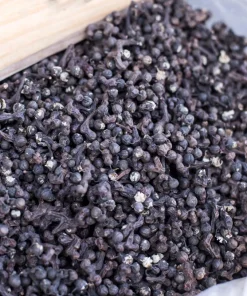
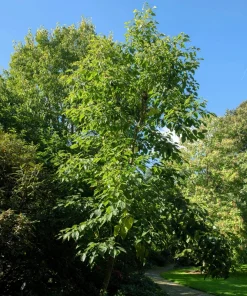
25 Japanese Raisin Tree Seeds – Edible Fruit, Oriental Honey Flowers
Original price was: $36.99.$16.99Current price is: $16.99.
Cultivate the unique Japanese Raisin Tree seeds (Hovenia Dulcis), known for its distinctive edible fruit and fragrant honey-scented flowers. These seeds offer a rewarding growing experience for a beautiful and productive tree.
Estimated arrival
Sep 14
Sep 19 - Sep 21
Sep 24 - Sep 28
Shop With Confidence
30-Day Plant Health Guarantee
Arrives damaged? We’ll replace it free — see our return policy.
Responsive Support
Email us anytime, we reply within 1 business day.
Expert Packaging
Temperature-controlled shipping to protect your plants in transit.
Secure Checkout
Pay safely with Visa, Mastercard, PayPal.
Plant Specifications
-
USDA Hardiness Zone
USDA Zones 5-8 -
Soil Type
Well-draining loam, adaptable to various soil types -
Sunlight Exposure
Full sun to partial shade -
Expected Planting Period
Spring after stratification
Overview
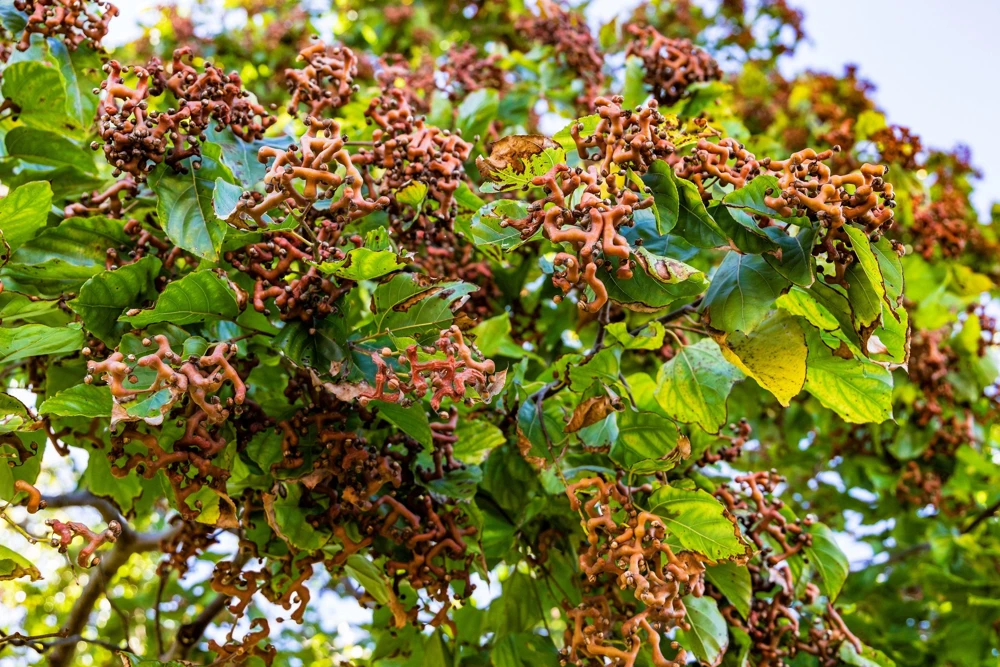
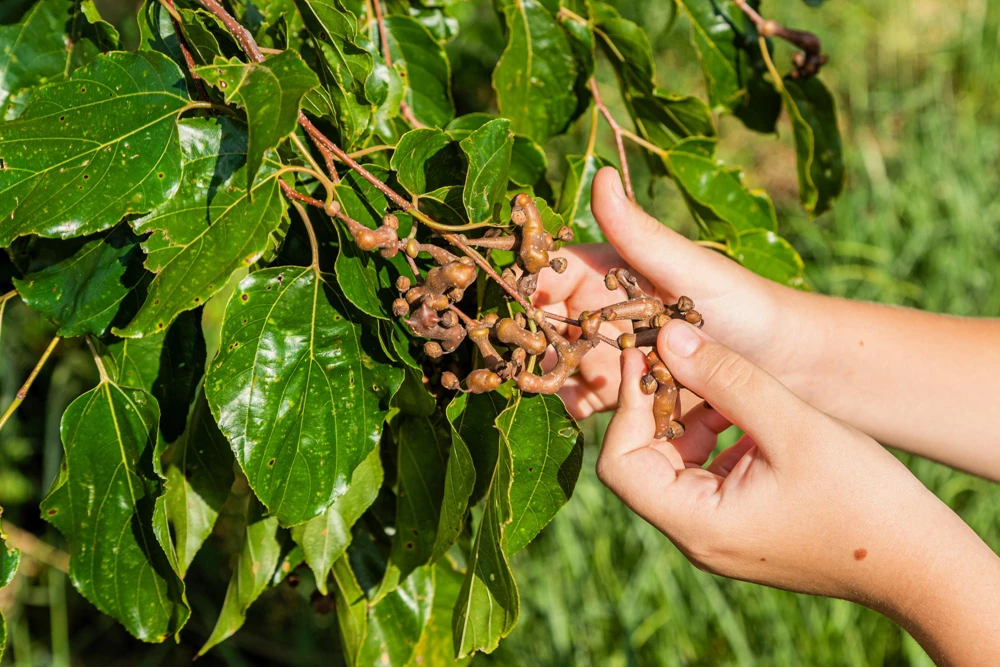
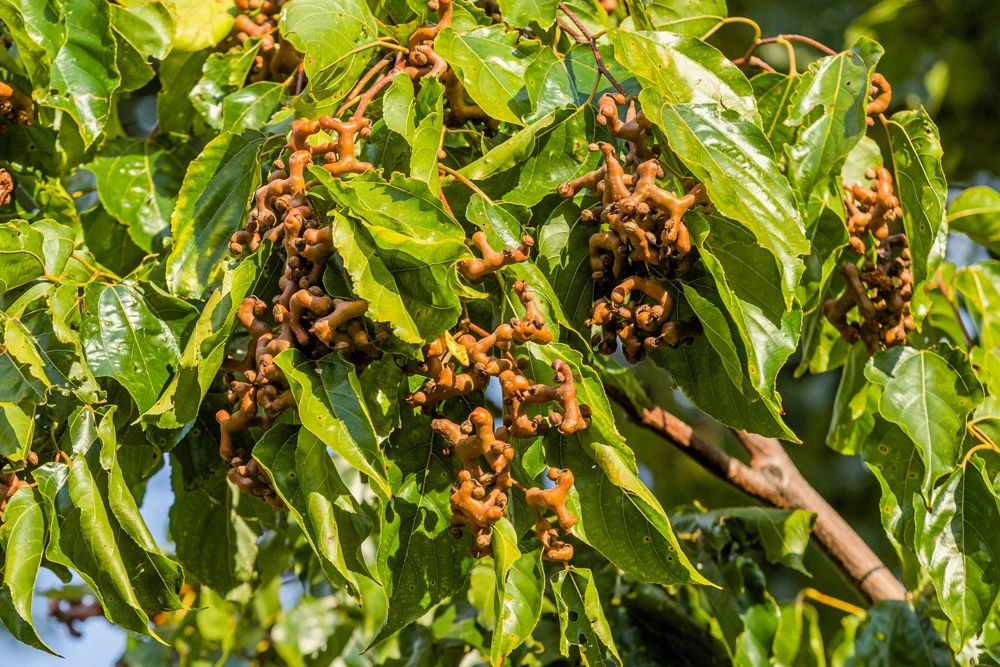
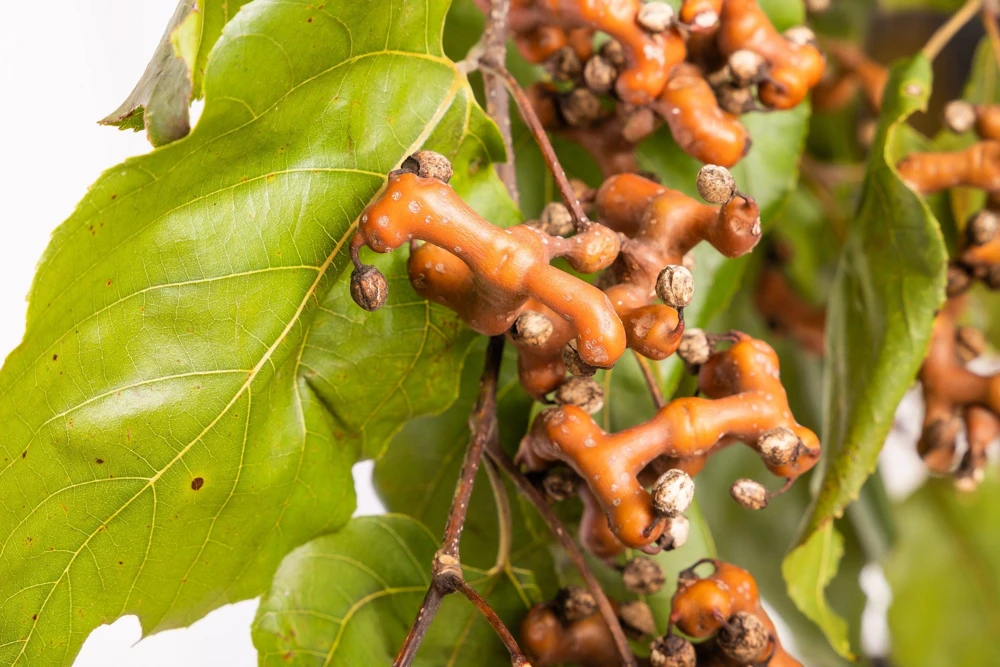
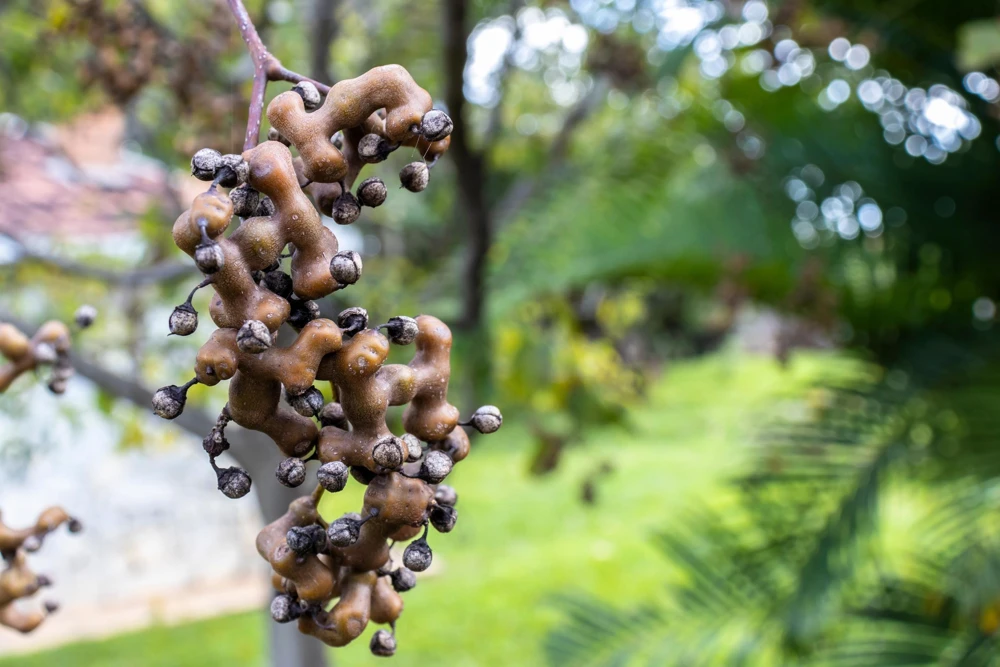
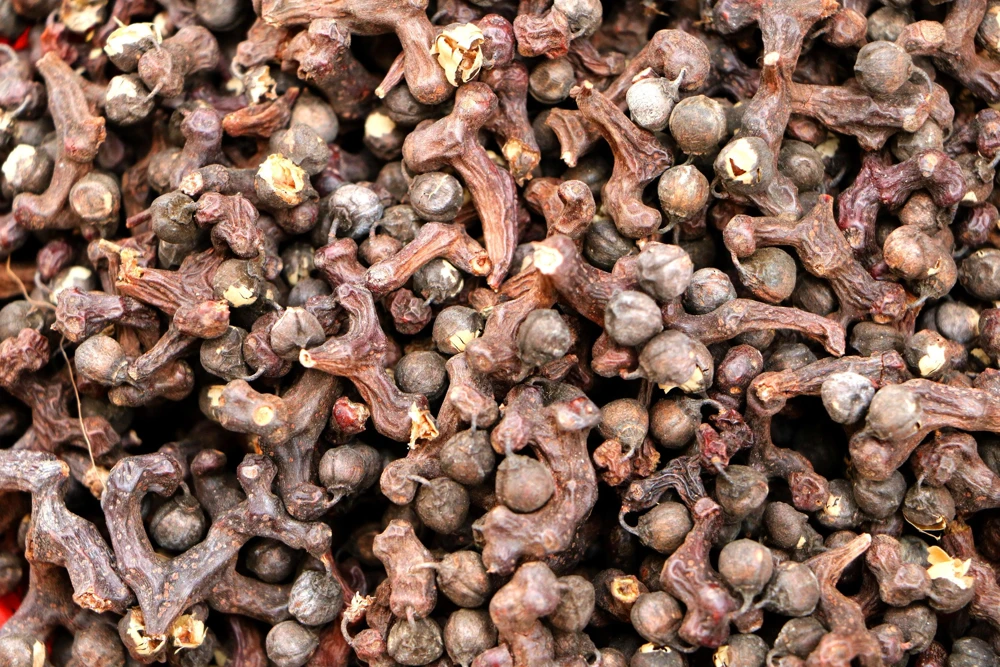
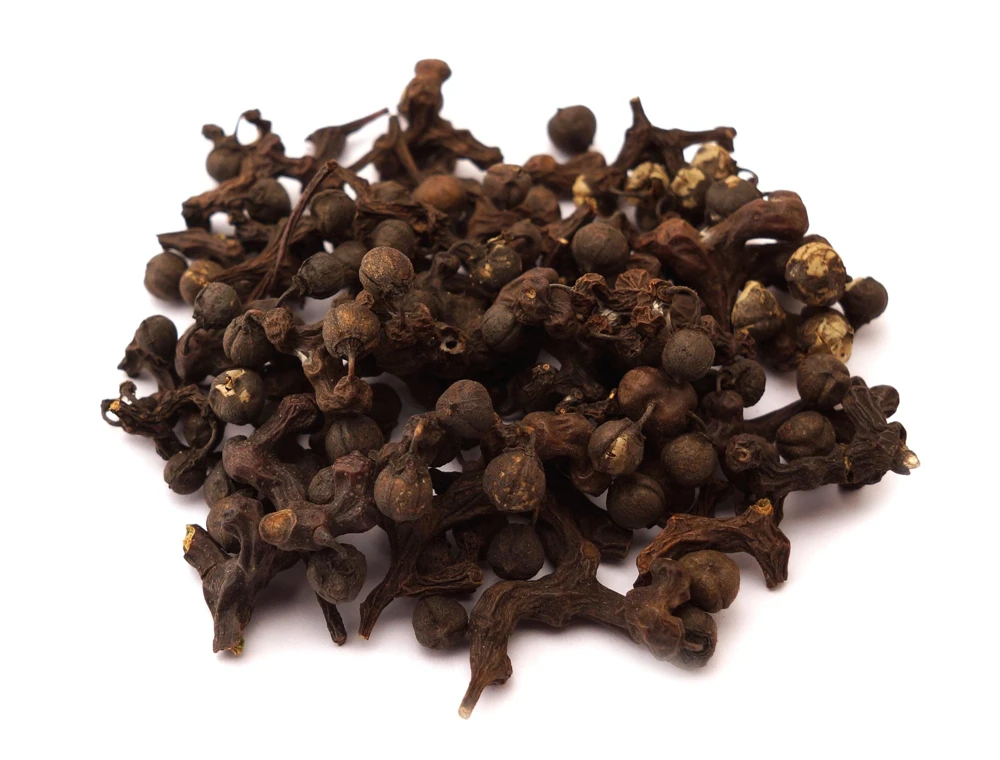
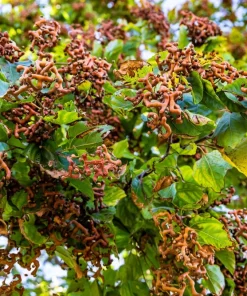
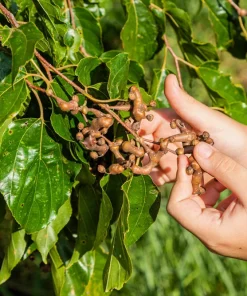
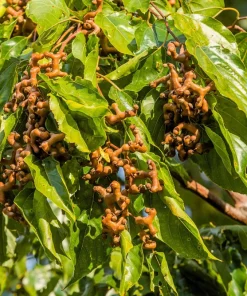
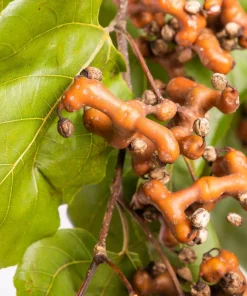
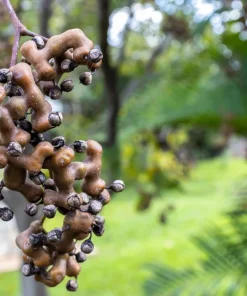
Embark on a unique gardening journey with these Japanese Raisin Tree seeds. The Hovenia Dulcis, commonly known as the Japanese Raisin Tree or Oriental Honey Tree, is celebrated for its unusual and delicious edible fruit, which forms on the swollen, fleshy flower stalks. Originating from Asia, this deciduous tree offers not only a delightful culinary experience but also ornamental value with its attractive foliage and clusters of fragrant, creamy-white flowers. Growing your own Hovenia Dulcis seeds allows you to cultivate a distinctive specimen that will be a conversation starter in any garden or landscape. These seeds provide an opportunity to witness the full life cycle of this fascinating plant, from germination to a mature tree producing its unique, sweet fruit.
Key Benefits
The Japanese Raisin Tree offers a multitude of benefits for both the gardener and the environment. Its unique characteristics make it a valuable addition to diverse landscapes.
- Unique Edible Fruit: The most notable benefit is the sweet, raisin-like flavor of the tree’s fleshy pedicels. These can be enjoyed fresh, dried, or used in various culinary applications, offering a healthy and unusual snack directly from your garden.
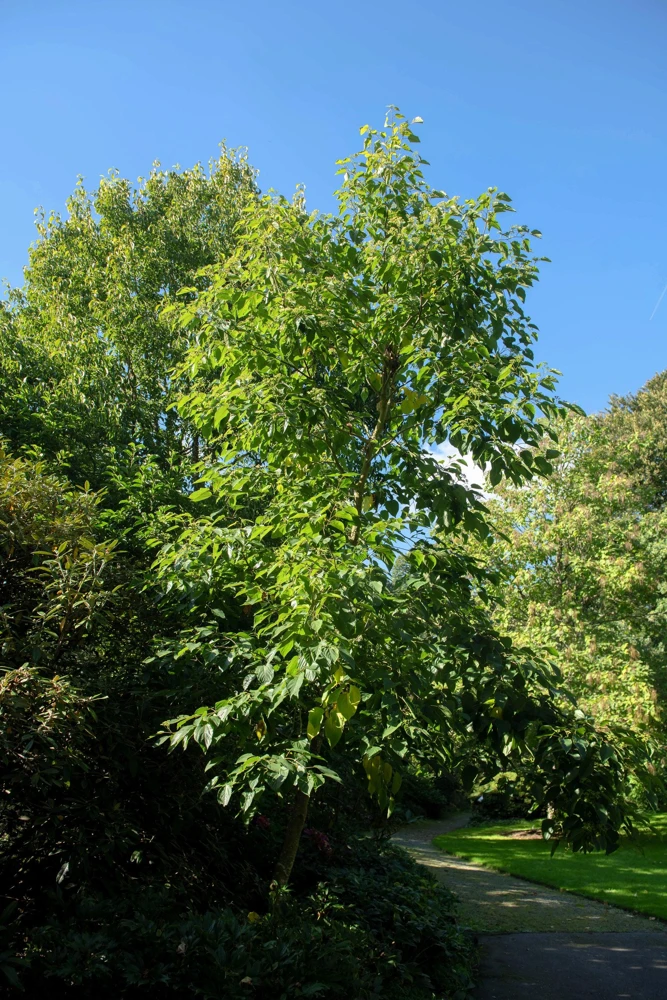
- Ornamental Appeal: Beyond its fruit, the tree provides attractive green foliage throughout the growing season, turning a lovely yellow in autumn. Its distinctive branching pattern and overall form add visual interest to the landscape.
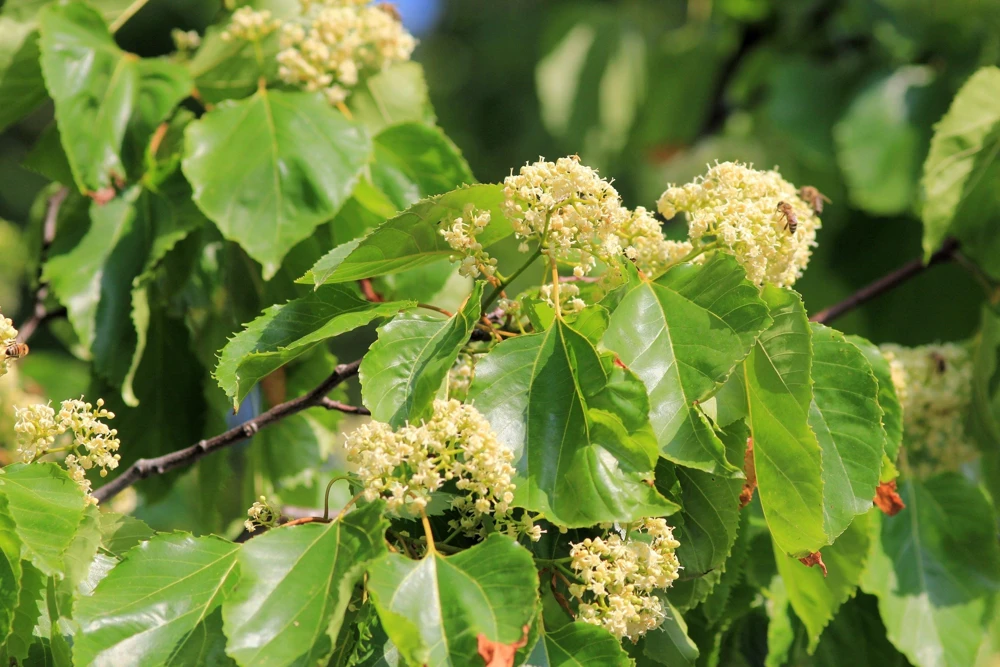
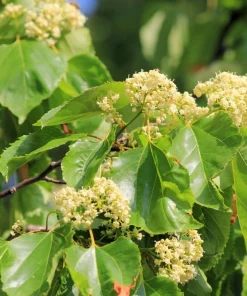
- Fragrant Flowers: In summer, the tree produces clusters of small, fragrant, creamy-white flowers that attract pollinators, including bees, making it beneficial for local ecosystems. These are often referred to as Oriental Honey Tree seeds, highlighting their appeal to bees.
- Moderate Growth Rate: The Japanese Raisin Tree grows at a moderate pace, allowing it to establish well without becoming overgrown too quickly, making it suitable for various garden sizes.
- Adaptable and Resilient: Once established, the Hovenia Dulcis is quite adaptable to different soil conditions and is relatively drought-tolerant, requiring less intensive care than some other fruit-bearing trees.
- Shade Provider: As it matures, the tree develops a broad canopy, offering excellent shade during hot summer months, creating a comfortable outdoor space.
- Biodiversity Support: By attracting pollinators, this tree contributes to the biodiversity of your garden, supporting essential insect populations.
Plant Care & Growing Tips
Successfully growing Japanese Raisin Tree seeds requires attention to specific conditions, ensuring a healthy and productive tree. Start by stratifying your seeds for several weeks in a cold, moist environment to mimic winter conditions, which aids germination. Once stratified, sow the seeds in well-draining soil, either indoors in pots or directly outdoors after the last frost, depending on your climate. Provide consistent moisture during the germination phase but avoid waterlogging, which can lead to rot. A good starting mix for seedlings would be a blend of peat moss, perlite, and sand.
For mature trees, the Japanese Raisin Tree thrives in full sun to partial shade, ideally receiving at least 6 hours of direct sunlight per day to maximize fruit production. It prefers fertile, well-drained soil, but is adaptable to a range of soil types, including clay, loam, and sand, as long as drainage is adequate. Water regularly during dry periods, especially when the tree is young, but reduce frequency once established. Fertilize annually in early spring with a balanced, slow-release fertilizer to support vigorous growth. Pruning is generally minimal, focused on removing dead or crossing branches to maintain a healthy structure. The tree is generally pest and disease resistant, making it a relatively low-maintenance option for gardeners looking to how to grow raisin tree successfully.
Size & Details
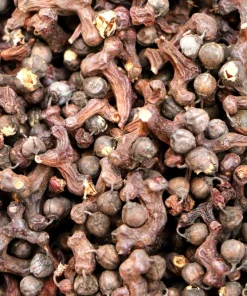
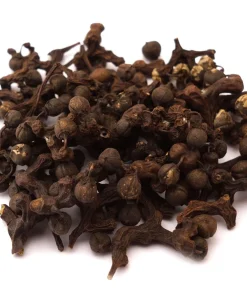
This offering includes 25 Japanese Raisin Tree seeds (Hovenia Dulcis), ready for stratification and planting. The Japanese Raisin Tree is a deciduous, medium-sized tree that typically grows to a height of 20-30 feet with a spread of 15-25 feet, though it can reach up to 40 feet in ideal conditions. It exhibits a moderate growth rate, establishing itself well within a few years. The unique edible fruit, which are actually the swollen pedicels (flower stalks), mature in late summer to early autumn. These seeds provide the genetic material to grow a tree that will develop an attractive, spreading canopy, making it an excellent choice for a shade tree or an interesting specimen in a food forest setting. Expect the tree to begin producing fruit within 5-7 years after planting, with increasing yields as it matures.
Frequently Asked Questions
- Q: How big does the Japanese Raisin Tree get? A: A mature Japanese Raisin Tree typically reaches a height of 20-30 feet with a spread of 15-25 feet, though some specimens can grow taller. Its size makes it suitable for various garden settings where a medium-sized shade or ornamental tree is desired.
- Q: Is this an indoor or outdoor plant? A: The Japanese Raisin Tree is an outdoor deciduous tree. It requires a period of dormancy and is not suitable for long-term indoor cultivation. It thrives in outdoor garden environments where it can receive adequate sunlight and space to grow.
- Q: How much sunlight does it need? A: For optimal growth and fruit production, the Hovenia Dulcis seeds should be grown in an area that receives full sun to partial shade, ideally at least 6 hours of direct sunlight per day. Sufficient light is crucial for the development of its unique edible fruit.
- Q: Is this plant easy to care for? A: Once established, the Japanese Raisin Tree is considered relatively easy to care for. It is adaptable to various soil types and is moderately drought-tolerant. Initial care for the Japanese Raisin Tree seeds involves proper stratification and consistent moisture.
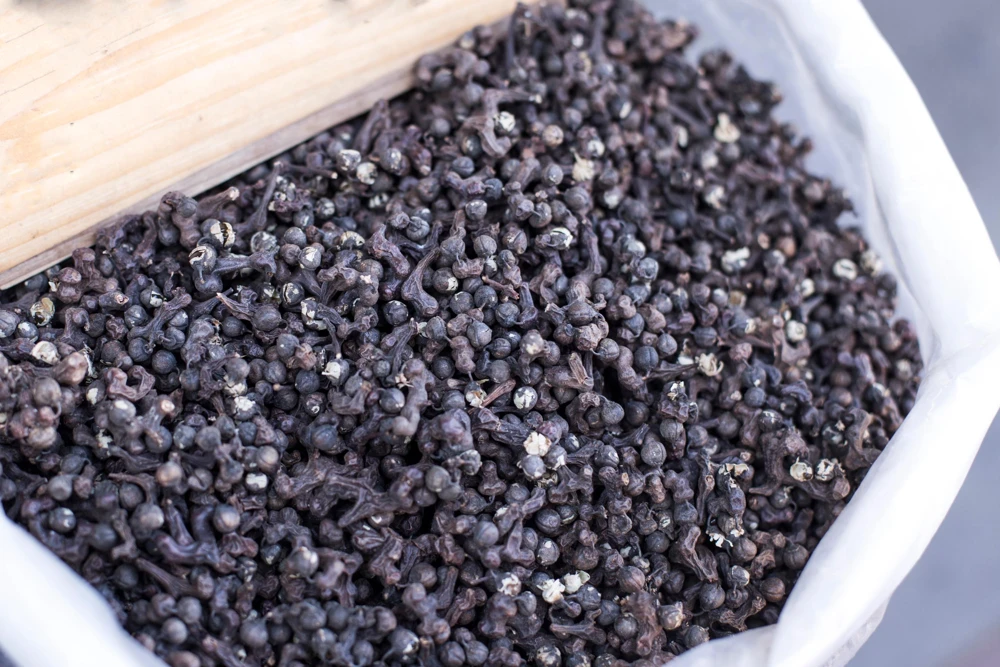
- Q: What condition will the seeds arrive in? A: The 25 Japanese Raisin Tree seeds will arrive as dormant seeds, ready for stratification and planting. They are carefully packaged to ensure their viability upon arrival, providing you with a great start to growing your own tree.
- Q: How long until it produces fruit? A: The Japanese Raisin Tree typically begins to produce its unique edible fruit within 5-7 years after planting from seed. Fruit production will increase as the tree matures, offering a rewarding long-term investment.
- Q: What’s the best time to plant these seeds? A: After proper cold stratification, the best time to sow edible fruit tree seeds like these is in spring, after the last risk of frost has passed. This allows the seedlings to establish during the warmer growing season.
- Q: Will it survive winter in my zone? A: The Japanese Raisin Tree is generally hardy in USDA Zones 5-8. It is a deciduous tree, meaning it will lose its leaves in winter and enter a dormant state, tolerating cold temperatures within its hardiness range.
- Q: What does the fruit taste like? A: The fleshy pedicels of the Japanese Raisin Tree have a sweet, mild flavor often compared to raisins or pears. They can be eaten fresh, dried, or used in cooking, offering a unique and healthy treat.
- Q: Do these flowers attract bees? A: Yes, the creamy-white flowers of the Japanese Raisin Tree are known to be quite fragrant and attractive to bees and other pollinators. This is why it’s sometimes referred to as the Oriental Honey Tree seeds.
Be the first to review “25 Japanese Raisin Tree Seeds – Edible Fruit, Oriental Honey Flowers”
People Also Viewed


Reviews
There are no reviews yet.