
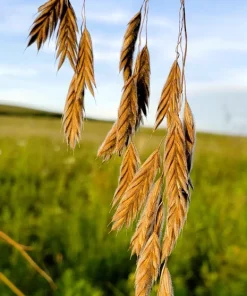
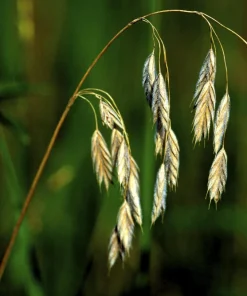
Prairie Brome Seeds – 100 Arctic Brome Ornamental Grass Seeds Bromus Kalmii
Original price was: $34.89.$14.89Current price is: $14.89.
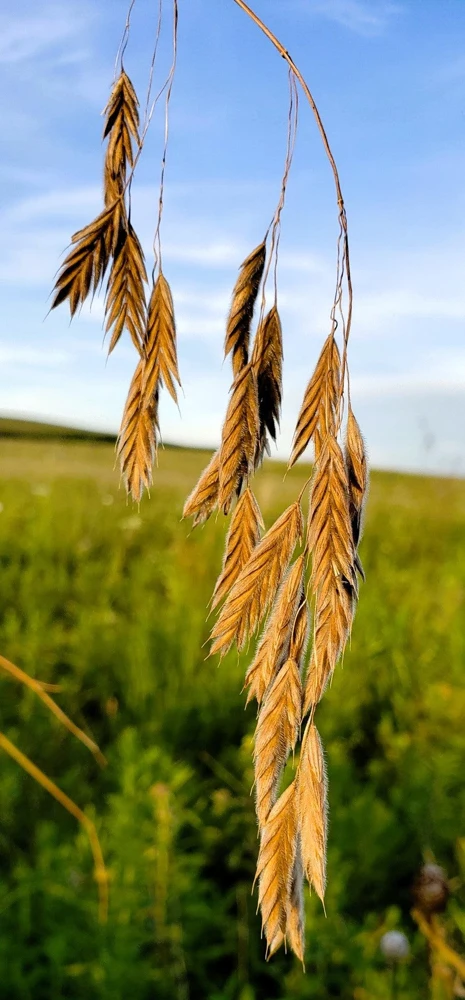
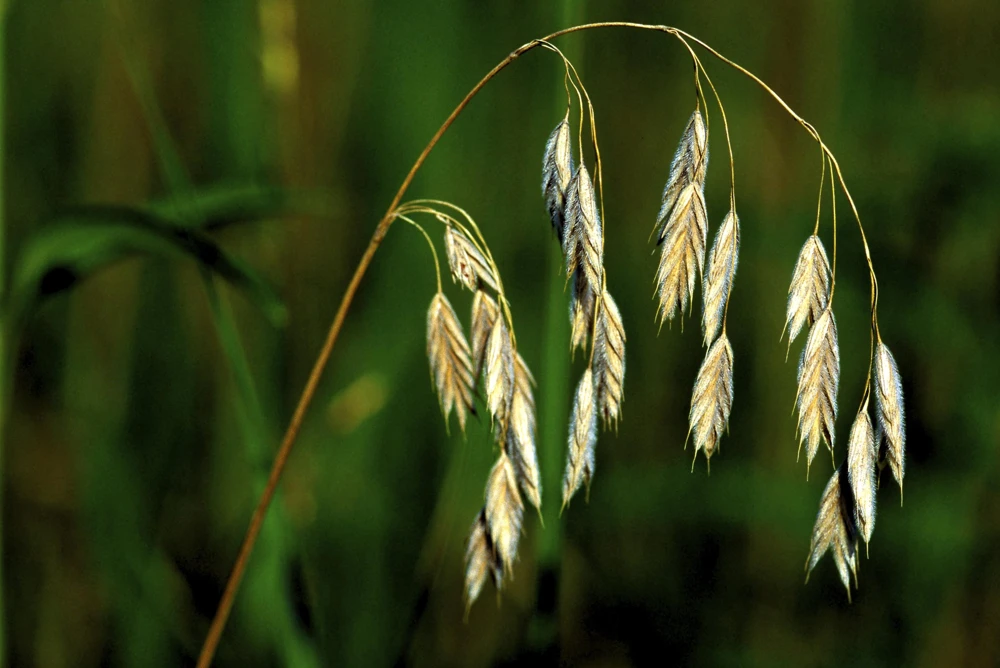
Discover the beauty of Prairie Brome seeds, also known as Arctic Brome ornamental grass. This cold-hardy grass (Bromus Kalmii) offers attractive blue-green foliage and wheat-like spikelets, perfect for diverse landscapes. Each packet contains 100 seeds for a bountiful growth.
Estimated arrival
Sep 14
Sep 19 - Sep 21
Sep 24 - Sep 28
Shop With Confidence
30-Day Plant Health Guarantee
Arrives damaged? We’ll replace it free — see our return policy.
Responsive Support
Email us anytime, we reply within 1 business day.
Expert Packaging
Temperature-controlled shipping to protect your plants in transit.
Secure Checkout
Pay safely with Visa, Mastercard, PayPal.
Plant Specifications
-
USDA Hardiness Zone
2-9 -
Soil Type
Average, well-draining soil -
Sunlight Exposure
Full sun - Part shade -
Expected Planting Period
Outdoors after last frost / Indoors weeks before last frost
Overview
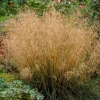
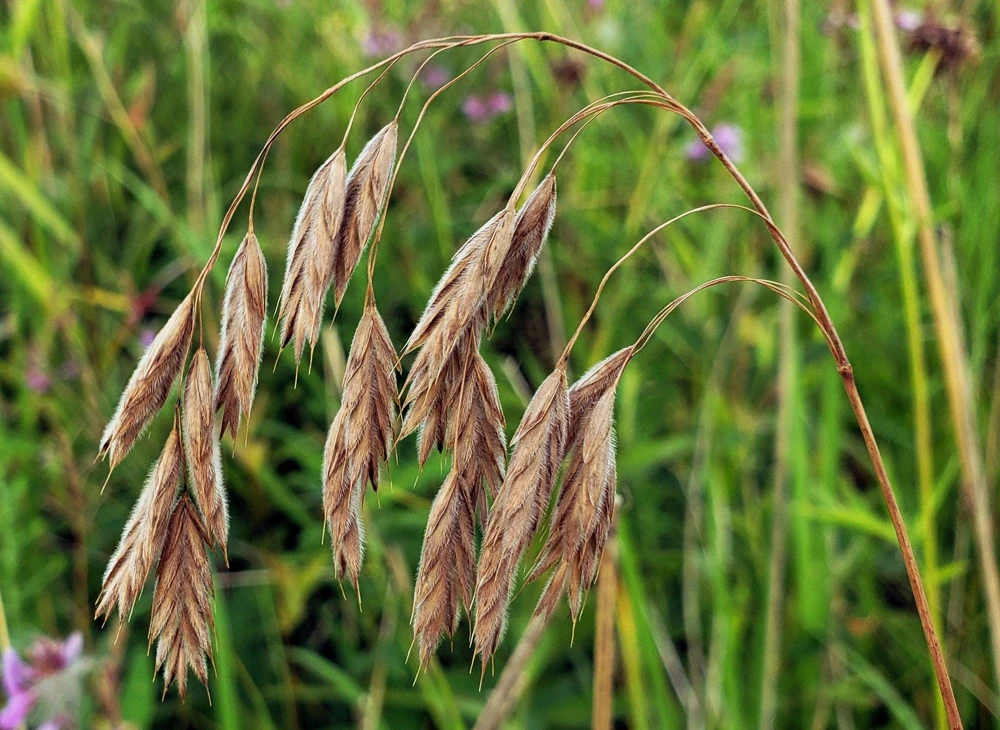
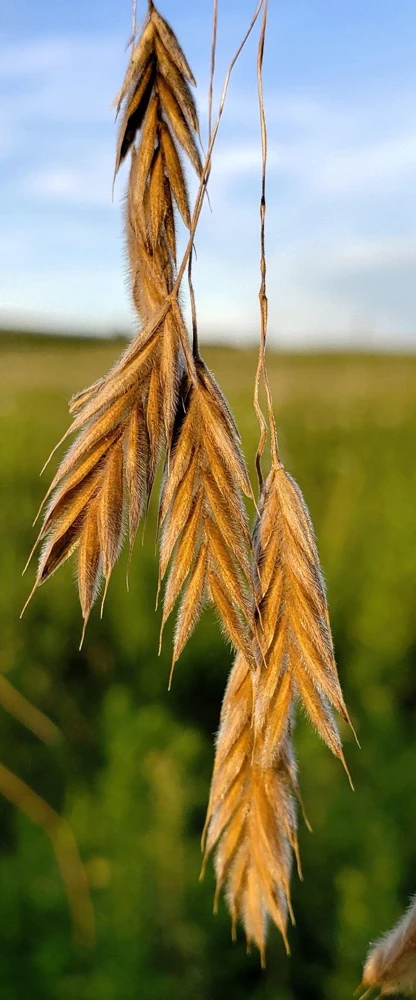
Cultivate a striking and resilient landscape with Prairie Brome seeds, an exceptional choice for adding natural beauty to your garden. Also known as Arctic Brome ornamental grass, this species (Bromus Kalmii) is celebrated for its distinctive appearance and robust nature. Originating from North America, Prairie Brome is a cool-season grass that thrives in various conditions, making it a versatile option for gardeners. Its elegant blue-green foliage and unique, nodding, wheat-like spikelets create a captivating visual interest, especially as they mature and turn reddish-tan in late summer and fall. These Bromus Kalmii seeds offer a fantastic opportunity to grow a low-maintenance, yet highly ornamental plant that contributes to local ecosystems by providing food for birds and small animals.
Key Benefits
Choosing Prairie Brome seeds for your garden offers a multitude of advantages, enhancing both aesthetic appeal and ecological value. This ornamental grass provides distinct features that make it a standout choice for various landscape designs.
- Exceptional Cold Hardiness: Prairie Brome is incredibly resilient, thriving in USDA Zones 2-9, making it suitable for a wide range of climates, including very cold regions. This ensures a reliable and robust growth season after season.
- Unique Ornamental Appeal: The grayish blue leaves and 6-inch long, nodding, wheat-like spikelets provide a unique texture and visual interest to garden beds, borders, and naturalized areas. The color transitions from blue-green to reddish-tan, offering dynamic seasonal beauty.
- Low Maintenance & Adaptable: Once established, Arctic Brome ornamental grass requires minimal care. It tolerates average soil conditions and a range of light from full sun to part shade, making it an easy-to-grow option for busy gardeners.
- Wildlife Support: The seeds produced by Prairie Brome in the fall serve as a natural food source for birds and small animals, contributing to local biodiversity and creating a lively garden environment.
- Erosion Control: Its fibrous root system helps to stabilize soil, making it an excellent choice for preventing erosion on slopes or in areas prone to runoff.
- Drought Tolerance: This grass is known for its ability to tolerate dry to slightly moist soil conditions, reducing the need for frequent watering once established.
- Versatile Landscaping: Ideal for naturalistic plantings, meadows, prairie restorations, or as an accent plant in contemporary garden designs. These Prairie Brome seeds allow for flexible design applications.
Plant Care & Growing Tips
Growing Prairie Brome ornamental grass from seeds is a rewarding experience that yields a hardy and attractive plant. For successful cultivation, understanding its specific needs is crucial. These Bromus Kalmii seeds are best planted outdoors after the last frost or started indoors several weeks before the last frost for an earlier start. Ensure the planting site offers good air circulation.
Sunlight requirements for Prairie Brome range from full sun to part shade. While it can tolerate some shade, more sunlight generally leads to denser growth and better color development. Aim for at least 4-6 hours of direct sunlight daily. In hotter climates, a little afternoon shade can be beneficial. For cold hardy grass seeds like these, proper sunlight exposure is key to strong development. Watering schedule and soil moisture preferences are quite forgiving; Prairie Brome prefers average soil conditions and is relatively drought-tolerant once established. Water regularly after planting until germination and then moderately, allowing the soil to dry slightly between waterings. Avoid overwatering, as this can lead to root issues. The ideal soil type and drainage requirements include average, well-draining soil. It is not particularly fussy about soil pH. Good drainage is paramount to prevent waterlogging.
Regarding temperature range and USDA hardiness zone, Prairie Brome is exceptionally cold hardy, thriving in USDA Zones 2-9. This resilience makes it suitable for a wide array of climates. Fertilization schedule and type are minimal; these grasses generally do not require heavy feeding. A light application of a balanced, slow-release fertilizer in spring can promote healthy growth, but often, no fertilization is needed in average soils. For prairie grass for landscaping, this low-input requirement is a significant advantage. Common problems and solutions are few, given its robust nature. Watch out for overwatering, which can lead to fungal issues. Ensure good air circulation and proper drainage to prevent these problems. Pests are rarely a significant concern for this native grass.
Size & Details
These Prairie Brome seeds will grow into mature plants typically reaching a height of 24 to 36 inches, creating a substantial presence in your garden. The plants should be spaced approximately 12 to 18 inches apart to allow for adequate growth and air circulation, contributing to a lush, full appearance. Each packet contains 100 high-quality seeds, providing ample opportunity to establish a beautiful patch of this Arctic Brome ornamental grass. The bloom time for Prairie Brome is generally from June to August, when the distinctive wheat-like spikelets emerge, adding texture and movement to the landscape. These seeds ship in a protective packet, ensuring their viability upon arrival. Expect vigorous growth and a fully mature plant within one to two growing seasons, with the ornamental characteristics becoming more pronounced as the plant establishes itself.
Frequently Asked Questions
- Q: How big does Prairie Brome ornamental grass get? A: Prairie Brome typically grows to a height of 24 to 36 inches, creating an attractive vertical element in your garden space.
- Q: Is this an indoor or outdoor plant? A: Prairie Brome is an outdoor ornamental grass, best suited for garden beds, borders, and naturalized areas where it can receive adequate sunlight and space to grow.
- Q: How much sunlight does Bromus Kalmii seeds need? A: This grass prefers full sun to part shade, ideally receiving at least 4-6 hours of direct sunlight daily for optimal growth and coloration.
- Q: Is this plant easy to care for? A: Yes, Prairie Brome is known for its low maintenance requirements once established, making it an excellent choice for both experienced and novice gardeners looking for cold hardy grass seeds.
- Q: What condition will the Prairie Brome seeds arrive in? A: The seeds will arrive in a sealed packet, ensuring their freshness and viability for planting.
- Q: How long until it blooms? A: Prairie Brome typically blooms from June to August in its first or second growing season, producing its characteristic wheat-like spikelets.
- Q: Will it survive winter in my zone? A: Yes, Arctic Brome ornamental grass is exceptionally cold hardy, thriving in USDA Zones 2-9, making it highly tolerant of cold winter conditions.
- Q: When is the best time to plant these prairie grass for landscaping seeds? A: Plant outdoors after the last frost in spring, or start indoors several weeks before the last frost for an earlier establishment.
- Q: What kind of soil does Prairie Brome prefer? A: It thrives in average, well-draining soil and is not particularly fussy about soil type, making it adaptable to various garden conditions.
- Q: Does Prairie Brome seeds attract wildlife? A: Yes, the seeds produced by Prairie Brome in the fall are a natural food source for birds and small animals, enhancing your garden’s biodiversity.
Be the first to review “Prairie Brome Seeds – 100 Arctic Brome Ornamental Grass Seeds Bromus Kalmii”
People Also Viewed
Vegetable Seeds
Purple Cayenne Pepper Seeds – Hot Capsicum Annuum – 50 Seeds


Reviews
There are no reviews yet.