

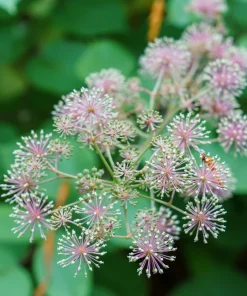
Siberian Ginseng Seeds – Eleuthero Shrub – 20 Seeds – Cold Hardy
Original price was: $36.99.$16.99Current price is: $16.99.
Cultivate your own Siberian Ginseng seeds, also known as Eleuthero seeds, with this pack of 20 high-quality seeds. This robust Eleutherococcus Senticosus seeds shrub is incredibly cold-hardy, thriving in USDA Zones 3-8, and adaptable to various soil conditions. Grow your own Ci Wu Jia seeds for an ornamental addition to your garden.
Estimated arrival
Sep 14
Sep 19 - Sep 21
Sep 24 - Sep 28
Shop With Confidence
30-Day Plant Health Guarantee
Arrives damaged? We’ll replace it free — see our return policy.
Responsive Support
Email us anytime, we reply within 1 business day.
Expert Packaging
Temperature-controlled shipping to protect your plants in transit.
Secure Checkout
Pay safely with Visa, Mastercard, PayPal.
Plant Specifications
-
USDA Hardiness Zone
3 - 8 -
Soil Type
Average, well-draining soil -
Sunlight Exposure
Sun - Part Shade -
Expected Planting Period
Fall sow or cold stratify for spring planting
Overview
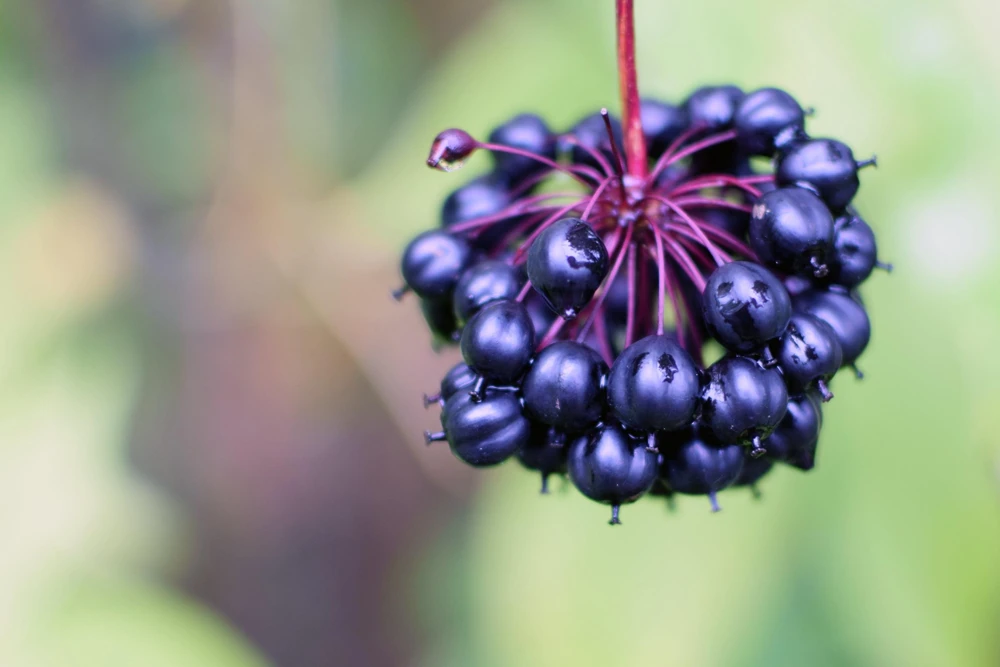
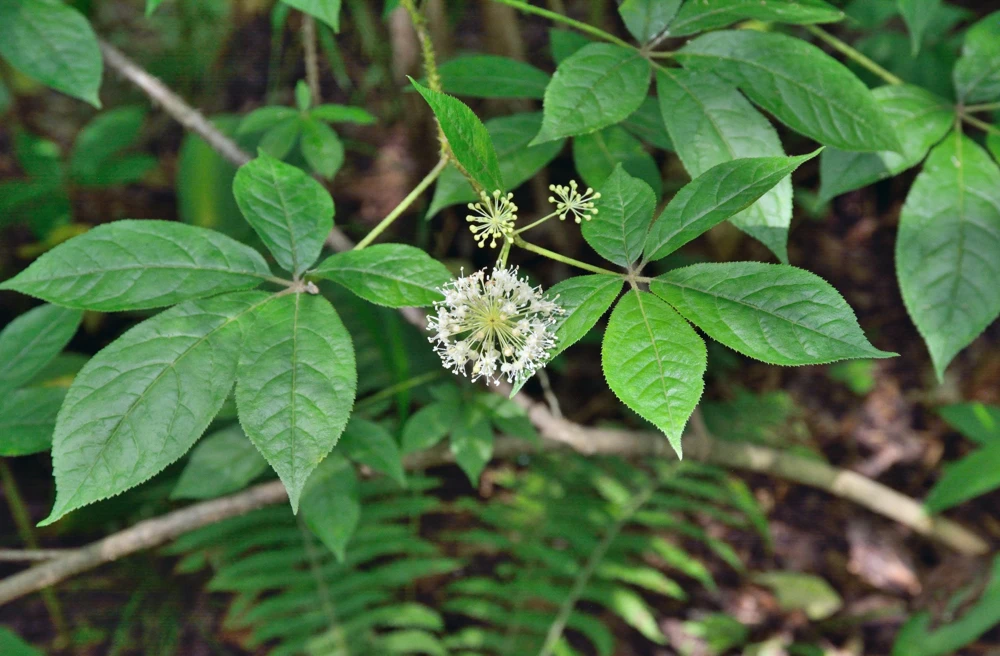
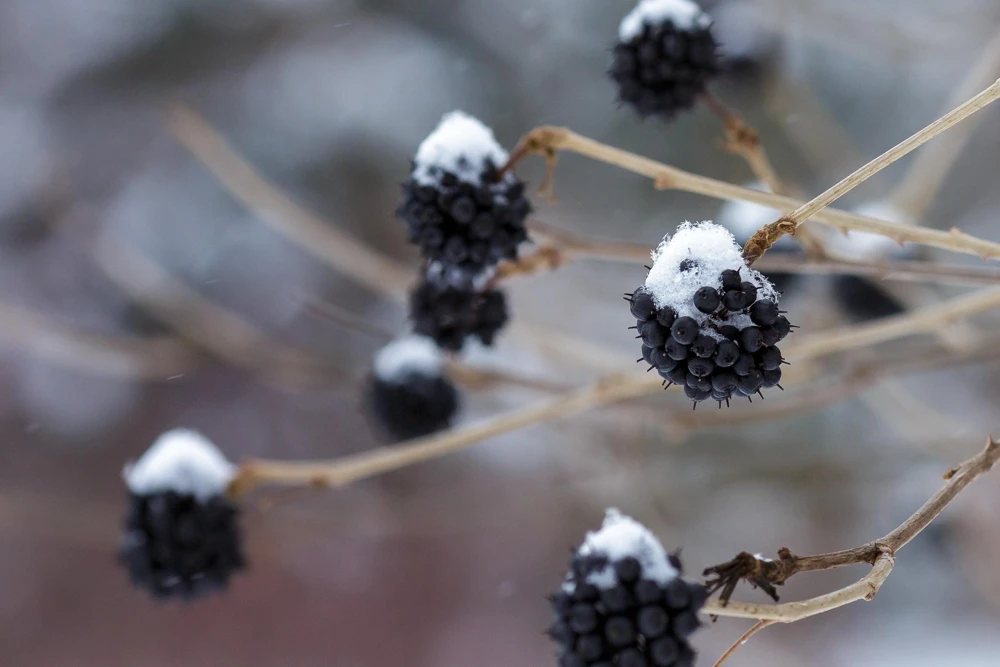
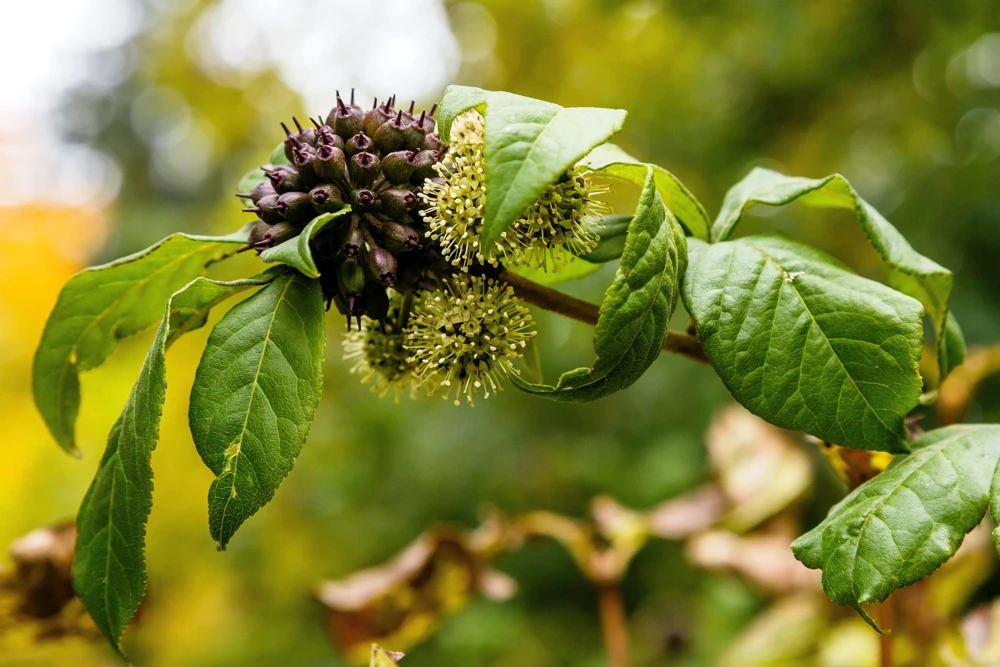
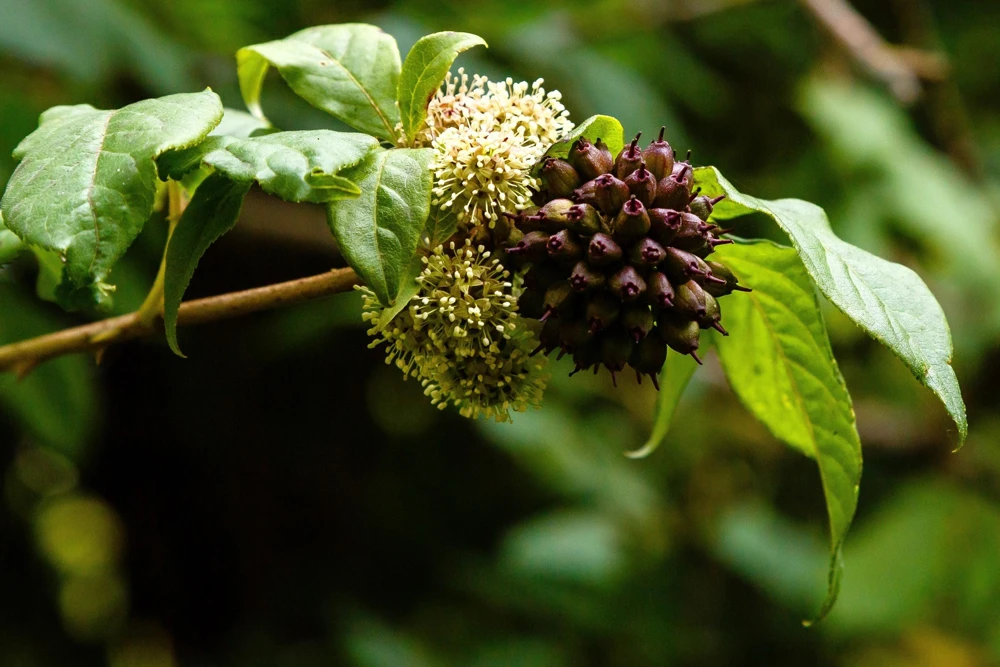
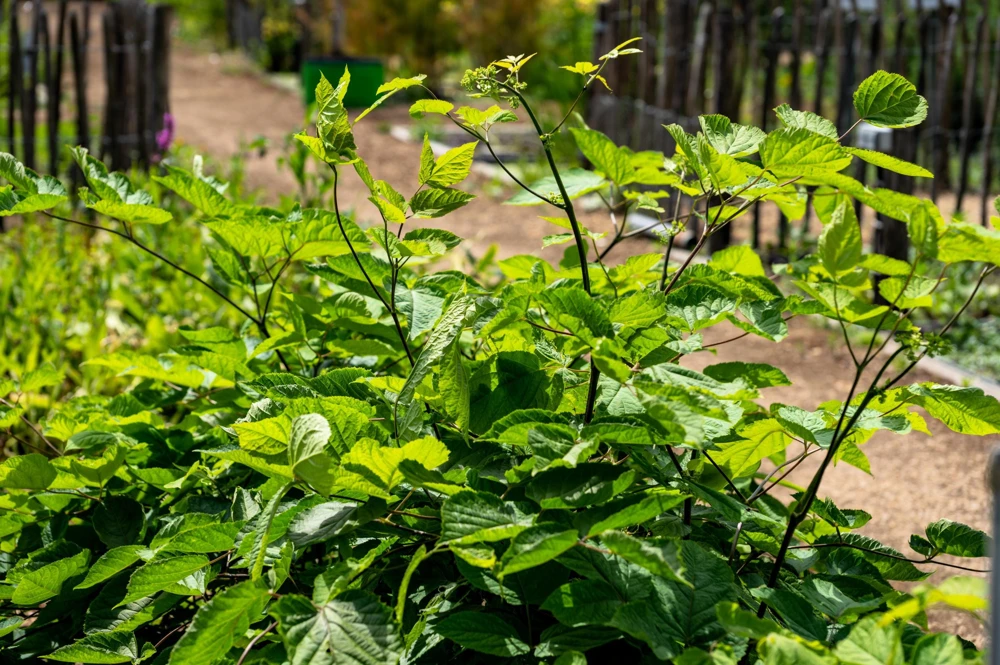
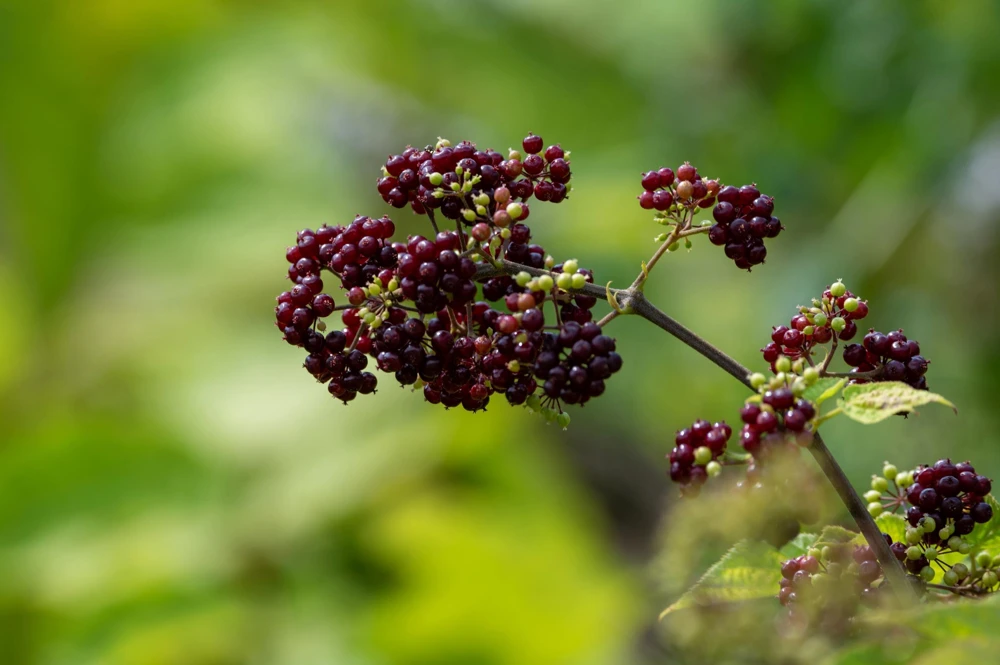
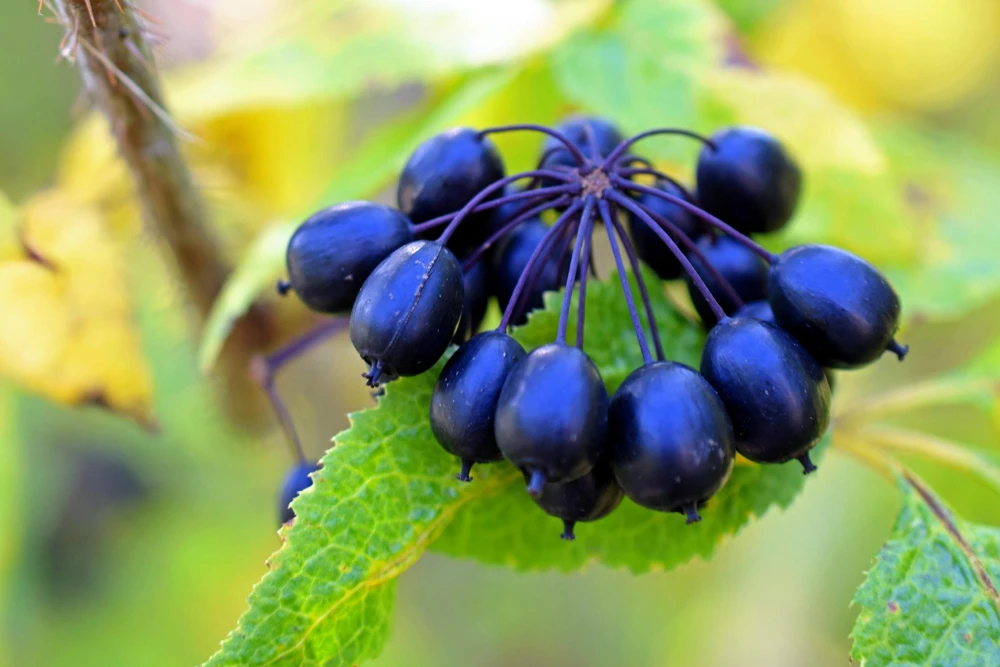
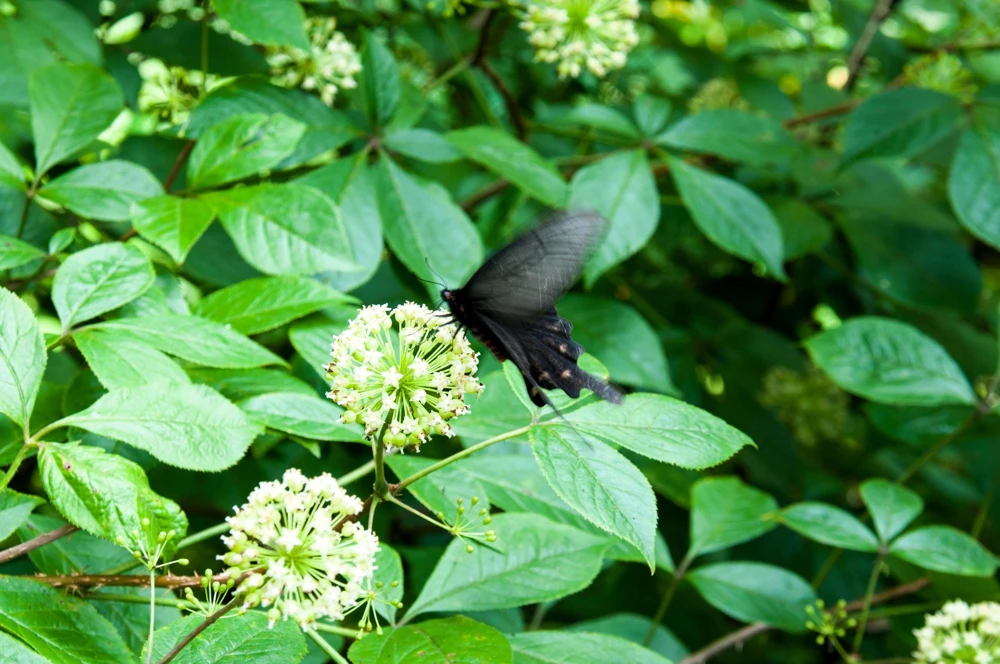
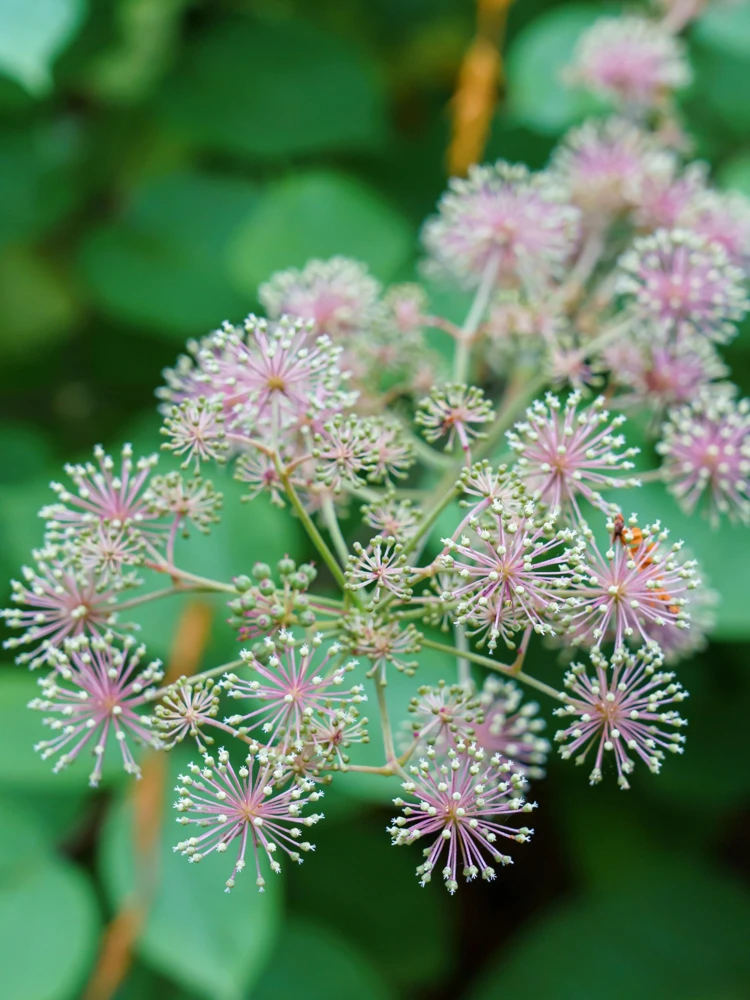
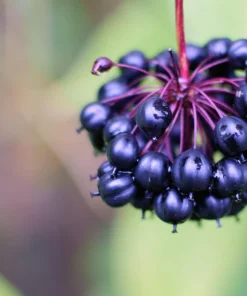
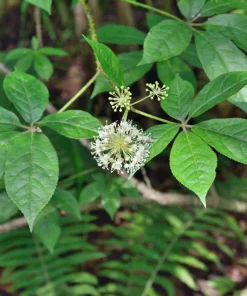
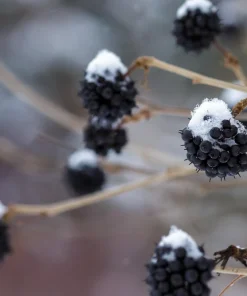
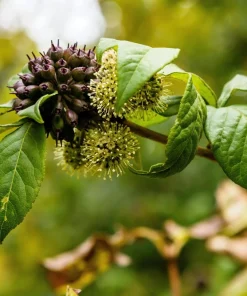
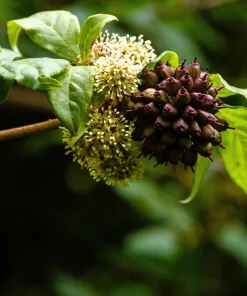
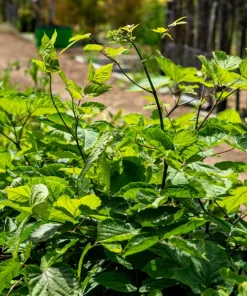
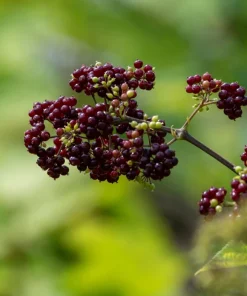
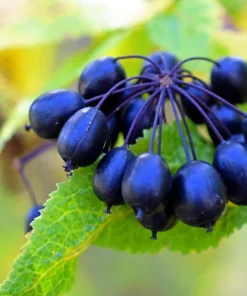
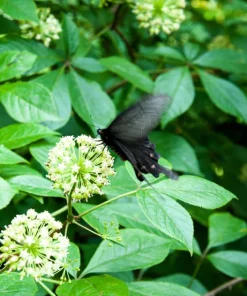
Embark on a rewarding gardening journey with our premium Siberian Ginseng seeds. Scientifically known as Eleutherococcus Senticosus, this remarkable plant is more commonly recognized as Eleuthero or Ci Wu Jia. While not a true ginseng, it shares similar esteemed properties and is a valuable addition to any herbal or ornamental garden. Native to Northeast Asia, this small shrub offers striking purple or yellow flowers in summer, followed by ornamental dark blue berries in the fall. These Siberian Ginseng seeds provide an opportunity to grow a resilient and fascinating plant from your home, contributing to a diverse and beneficial landscape.
The Eleutherococcus Senticosus seeds are perfect for gardeners looking for a low-maintenance yet impactful plant. Known for its exceptional cold hardiness, this shrub can withstand harsh winter conditions, making it suitable for a wide range of climates (USDA Zones 3-8). Its adaptability to poor, sandy, or clay soils further enhances its appeal, allowing more gardeners to successfully cultivate this unique species. Whether you are creating a dedicated herbal garden or simply seeking an attractive, robust shrub, these Eleuthero seeds are an excellent choice.
Key Benefits
Growing Siberian Ginseng seeds offers a multitude of benefits for both the gardener and the environment. These advantages make it a highly desirable plant for various garden settings:
- Exceptional Cold Hardiness: The Siberian Ginseng seeds produce plants that are incredibly resilient, thriving in cold climates from USDA Zones 3 to 8. This makes them a reliable choice for regions with harsh winters, ensuring perennial growth and beauty.
- Adaptable to Various Soils: Unlike many plants that require specific soil conditions, this shrub is highly adaptable. It can flourish in sandy, poor, or clay soils, reducing the need for extensive soil amendments and making it easier to grow.
- Ornamental Appeal: Beyond its resilience, the plant offers significant aesthetic value. Its summer flowers, followed by attractive 1/2-inch dark blue berries in the fall, provide seasonal interest and make it a beautiful addition to borders or as a specimen plant.
- Pollinator Friendly: The flowers of the Siberian Ginseng attract bees during their bloom time in July, contributing to local biodiversity and supporting essential pollinators in your garden ecosystem.
- Low Maintenance: Once established, the Eleuthero shrub requires minimal care. Its robust nature and adaptability mean less time spent on watering, fertilizing, and pest control, making it ideal for busy gardeners.
- Unique Herbal Garden Addition: For those interested in traditional herbs, growing Ci Wu Jia seeds adds a historically significant plant to their collection. Though not a true ginseng, its common name reflects its valued properties.
- Thorns for Natural Deterrent: The branches of this shrub feature thorns, which can serve as a natural barrier or deterrent, adding a practical element to its ornamental qualities in certain landscape designs.
Plant Care & Growing Tips
Successfully growing Siberian Ginseng seeds requires understanding their basic needs, though they are notably forgiving. For germination, fall sowing seeds or cold stratification is recommended to break dormancy. Once germinated, proper care will ensure a healthy and thriving shrub. This plant prefers a location that receives full sun to part shade. While it can tolerate some shade, more sunlight generally leads to more vigorous growth and better berry production. Adequate light is crucial for the development of strong root systems and overall plant health. For those cultivating Eleuthero seeds, monitoring sunlight exposure will be key to their success.
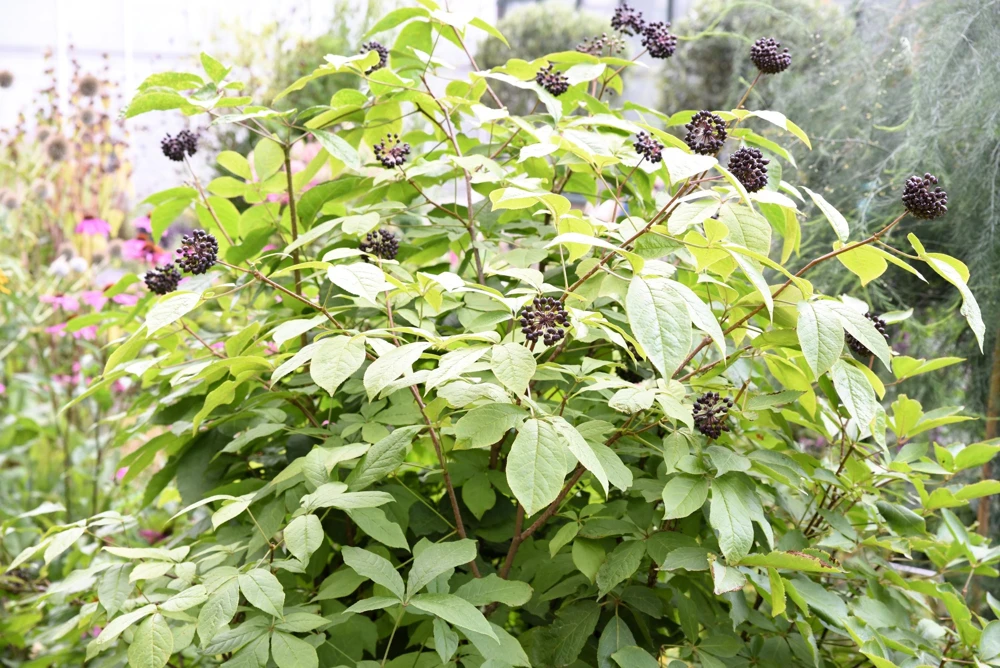
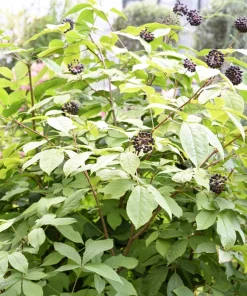
When it comes to watering, the Siberian Ginseng prefers average soil moisture. It is not overly demanding but will benefit from consistent moisture, especially during dry spells or its establishment phase. Ensure the soil is well-draining, as standing water can lead to root issues. The shrub is highly adaptable to various soil types, including sandy, poor, or clay soils, but a moderately fertile, well-draining loam is ideal. Fertilization is generally not heavily required for this resilient plant, but a balanced, slow-release fertilizer can be applied in early spring to support vigorous growth, particularly in very poor soils. Keep an eye out for common garden pests, though the plant’s thorns offer some natural protection. Ensuring proper spacing of 5-6 feet between plants will allow for adequate air circulation and growth, helping to prevent fungal issues. The Eleutherococcus Senticosus seeds will grow into a robust plant that can reach 5-6 feet in height and width, making it a substantial garden feature.
Size & Details
Each packet contains 20 Siberian Ginseng seeds, providing a generous quantity to start your garden. These seeds will mature into a robust shrub, typically reaching a height of 5-6 feet with a similar spread of 5-6 feet, creating a substantial presence in your landscape. The plant is celebrated for its cold hardiness, thriving across USDA Hardiness Zones 3-8, making it suitable for a broad range of climates. Blooming occurs in July, showcasing purple or yellow flowers, which then transition into attractive 1/2-inch dark blue berries in the fall. These berries offer ornamental value and extend the plant’s appeal into the autumn season. The seeds should be fall-sown or cold stratified to encourage germination, and with proper care, you can expect to see established plants within one to two growing seasons, with berry production typically starting a few years after planting.
Frequently Asked Questions
- Q: How big does this plant get? A: The Siberian Ginseng seeds will grow into a shrub that typically reaches a mature height of 5-6 feet and spreads 5-6 feet wide. It creates a significant visual impact in the garden once established.
- Q: Is this an indoor or outdoor plant? A: This is primarily an outdoor shrub. It is very cold-hardy and best suited for garden planting, thriving in USDA Hardiness Zones 3-8. It requires space to grow to its full potential.
- Q: How much sunlight does it need? A: The Siberian Ginseng prefers a location with full sun to part shade. While it can tolerate some shade, optimal growth and berry production are usually achieved with more sunlight exposure.
- Q: Is this plant easy to care for? A: Yes, once established, the Eleuthero seeds grow into a relatively low-maintenance plant. It is adaptable to various soil conditions and is very cold hardy, making it a good choice for many gardeners.
- Q: What condition will it arrive in? A: You will receive 20 Siberian Ginseng seeds in a protective packet, ready for planting. Detailed instructions for germination and care will be provided to help you get started.
- Q: How long until it blooms? A: The Siberian Ginseng shrub typically blooms in July, usually a few years after planting from seed. The timing can vary depending on growing conditions and climate.
- Q: Will it survive winter in my zone? A: This plant is extremely cold-hardy and can survive winters in USDA Zones 3-8. If your zone falls within this range, it should overwinter successfully.
- Q: When is the best time to plant these Siberian Ginseng seeds? A: The best time to plant these seeds is in the fall, allowing them to undergo natural cold stratification over winter. Alternatively, you can cold stratify them artificially before spring planting.
- Q: What kind of soil does this plant prefer? A: While adaptable to sandy, poor, or clay soils, the Siberian Ginseng thrives best in average, well-draining soil. It is not particularly fussy about soil type.
- Q: Can I use Ci Wu Jia seeds for medicinal purposes? A: While Siberian Ginseng has traditional uses, we recommend consulting with a qualified healthcare professional before using any plant for medicinal purposes. Our seeds are sold for ornamental gardening.
Be the first to review “Siberian Ginseng Seeds – Eleuthero Shrub – 20 Seeds – Cold Hardy”
People Also Viewed





Reviews
There are no reviews yet.