

Snake Plant Live Plant – Indoor Houseplant – Easy Care Sansevieria
Original price was: $56.99.$36.99Current price is: $36.99.
Bring home a beautiful snake plant indoor, an incredibly resilient and easy-to-care-for houseplant. Perfect for beginners, this Sansevieria variety thrives in various conditions and helps purify your indoor air.
Estimated arrival
Oct 28
Nov 02 - Nov 04
Nov 07 - Nov 11
Shop With Confidence
30-Day Plant Health Guarantee
Arrives damaged? We’ll replace it free — see our return policy.
Responsive Support
Email us anytime, we reply within 1 business day.
Expert Packaging
Temperature-controlled shipping to protect your plants in transit.
Secure Checkout
Pay safely with Visa, Mastercard, PayPal.
Plant Specifications
-
USDA Hardiness Zone
USDA zones 9-11 (outdoors), suitable for all zones indoors -
Soil Type
Well-draining potting mix, ideally a succulent or cactus blend -
Sunlight Exposure
Bright indirect light to low light -
Expected Planting Period
Year-round indoors
Overview
Welcome the enduring beauty of a snake plant indoor into your living space. Also known as Sansevieria trifasciata or Mother-in-Law’s Tongue, this remarkable live plant is celebrated for its striking, sword-like foliage and exceptional hardiness. Originating from West Africa, the snake plant has become a staple in homes and offices worldwide due to its architectural form and minimal care requirements. Whether you’re a seasoned plant enthusiast or just starting your green journey, the snake plant indoor offers a rewarding and visually appealing addition to any room. Its upright growth habit makes it an excellent choice for adding vertical interest without taking up excessive floor space, making it perfect for small apartments or busy corners.
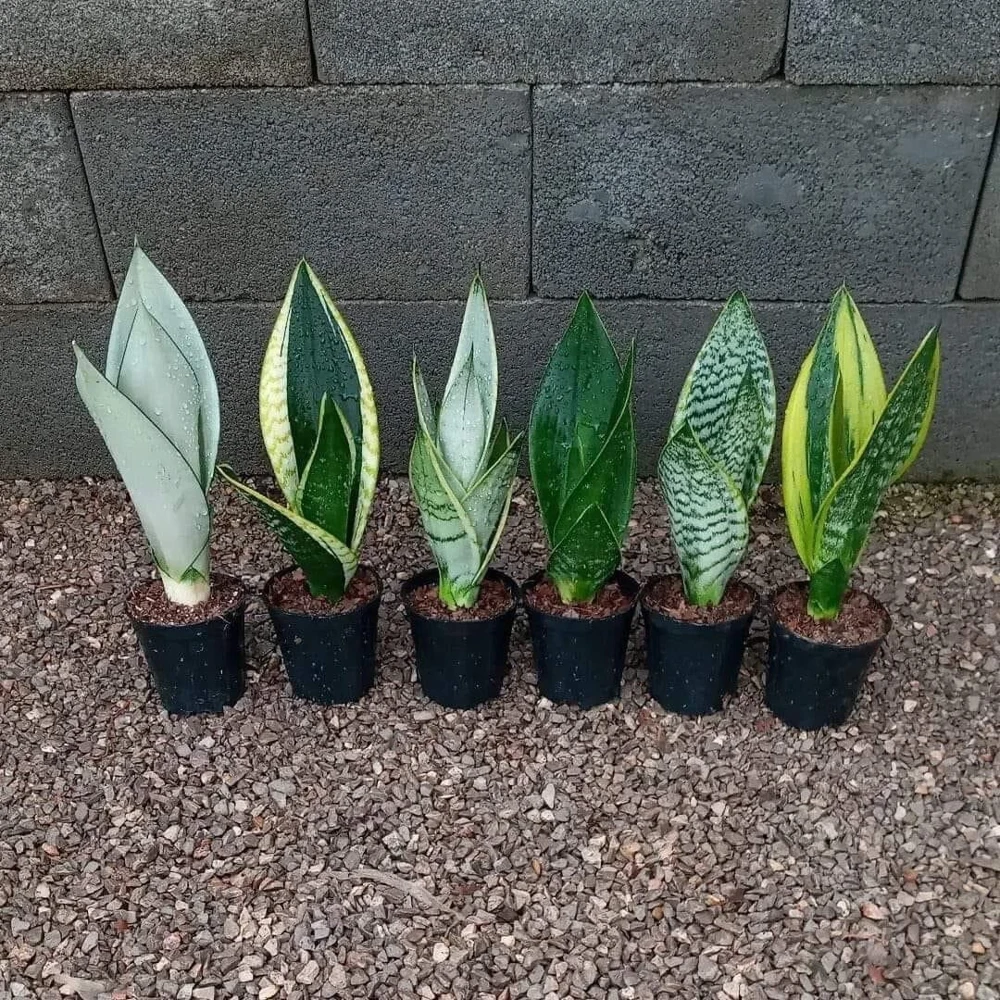
This particular offering allows you to choose your favorite variety, ensuring you find the perfect match for your aesthetic preferences. Each snake plant indoor is a living testament to resilience, capable of thriving even with occasional neglect. They are known for their ability to adapt to a wide range of light conditions, from bright, indirect light to low-light environments, making them incredibly versatile. Beyond its aesthetic appeal, the snake plant is a powerhouse of air purification, actively working to remove toxins from your home, contributing to a healthier and more refreshing atmosphere.
Key Benefits
Adding a snake plant indoor to your home brings a multitude of advantages that extend beyond just visual appeal. These plants are true workhorses, providing both beauty and practical benefits for a healthier living environment. You’ll quickly understand why the snake plant is a top choice for both novice and experienced plant parents.
- Exceptional Air Purification: The snake plant indoor is renowned for its ability to filter indoor air. It effectively removes harmful toxins such as formaldehyde, benzene, trichloroethylene, and xylene, contributing to cleaner, fresher air in your home or office.
- Remarkably Low Maintenance: This plant is incredibly forgiving, making it an ideal choice for busy individuals or those new to plant care. It tolerates infrequent watering and a wide range of light conditions, requiring minimal attention to thrive.
- Versatile & Adaptable: A snake plant indoor can adapt to various light levels, from bright, indirect sunlight to low-light corners. This flexibility allows you to place it almost anywhere in your home, enhancing any decor style.
- Drought Tolerant: Sansevieria plants store water in their thick leaves, allowing them to go for extended periods without water. This makes them perfect for travelers or those who tend to forget watering schedules.
- Stylish & Modern Aesthetic: With its tall, upright, and sword-like leaves, the snake plant offers a sleek, modern, and architectural look that complements contemporary interior designs beautifully.
- Pet-Friendly Option: While all plants should be kept away from curious pets, the snake plant is generally considered less toxic than many other common houseplants, offering a safer choice for households with animals.
- Increases Humidity: As with many houseplants, the snake plant releases moisture into the air through transpiration, which can help increase indoor humidity levels, especially beneficial in dry climates or during winter months.
Plant Care & Growing Tips
Caring for your snake plant indoor is refreshingly simple, making it one of the easiest houseplants to keep. However, understanding its basic needs will ensure it flourishes and continues to purify your air effectively. One of the most common mistakes with Sansevieria is overwatering, so always err on the side of underwatering.
For sunlight exposure, the snake plant indoor is incredibly versatile. While it can tolerate low light conditions, it will thrive and grow more vigorously in bright, indirect light. Avoid direct, harsh sunlight for extended periods, as this can scorch its leaves. A spot near a north or east-facing window is often ideal, or a few feet back from a south or west-facing window. When it comes to watering, less is more. Allow the soil to dry out completely between waterings, typically every 2-4 weeks depending on light and humidity. In winter, reduce watering even further. Always check the soil moisture with your finger before watering. Good drainage is crucial; ensure your pot has drainage holes and use a well-draining potting mix formulated for succulents or cacti.
The ideal temperature range for a snake plant indoor is between 65-80°F (18-27°C). They are not tolerant of cold temperatures, so protect them from drafts and temperatures below 50°F (10°C). Fertilize sparingly during the growing season (spring and summer) with a balanced liquid fertilizer diluted to half strength, once every 2-3 months. Repotting is rarely needed, as snake plants prefer to be slightly root-bound. When you do repot, choose a pot only slightly larger than the previous one. Keep an eye out for pests like mealybugs or spider mites, though they are generally resistant. Wipe leaves occasionally with a damp cloth to remove dust and help the plant breathe.
Size & Details
Each snake plant indoor is a live, established specimen, ready to enhance your home. While exact dimensions can vary based on the specific variety chosen and growth stage, most snake plants typically grow to an average height of 1 to 3 feet indoors, with some varieties reaching up to 4 feet under optimal conditions. The width of the plant is generally more compact, usually ranging from 6 to 12 inches for a single plant, making it an excellent choice for narrow spaces or shelves. These plants are slow to moderate growers, meaning they maintain their size and shape for extended periods before needing repotting.
The plant will be shipped as a healthy, rooted specimen, typically in a nursery pot appropriate for its size, ensuring it arrives in excellent condition. Expect the plant to continue its steady growth, with new leaves emerging from the base over time. The striking, stiff, upright leaves, often variegated with shades of green, yellow, or silver, provide year-round interest. This plant is known for its longevity and can live for many years with proper care, making it a lasting investment in your indoor garden.
Frequently Asked Questions
- Q: How big does this snake plant get? A: While the exact size depends on the variety you choose, most snake plant indoor varieties typically grow between 1 to 3 feet tall indoors. Some can reach up to 4 feet under ideal conditions, with a compact width of 6-12 inches.
- Q: Is this an indoor or outdoor plant? A: This snake plant indoor is primarily cultivated as an indoor houseplant in most climates. It can be moved outdoors in warm, frost-free weather, but it must be brought inside before temperatures drop below 50°F (10°C).
- Q: How much sunlight does it need? A: The snake plant indoor is highly adaptable. It thrives in bright, indirect light but can tolerate low-light conditions. Avoid prolonged direct sunlight, which can scorch its leaves.
- Q: Is this plant easy to care for? A: Yes, the snake plant is one of the easiest and most low-maintenance houseplants available. It’s perfect for beginners and those with busy schedules due to its drought tolerance and adaptability.
- Q: What condition will it arrive in? A: Your snake plant will arrive as a healthy, live plant, typically established in a nursery pot. We take great care in packaging to ensure it reaches you in excellent condition, ready to thrive in its new home.
- Q: How often should I water my snake plant? A: Water sparingly. Allow the soil to dry out completely between waterings, usually every 2-4 weeks during the growing season. Reduce watering significantly in winter. Overwatering is the most common cause of problems for sansevieria plant care.
- Q: Is the snake plant an air purifying plant? A: Absolutely! The snake plant is well-known for its air-purifying qualities, effectively removing common indoor toxins like formaldehyde and benzene from the air, making it one of the best indoor plants for improving air quality.
- Q: Can I place this plant in a low-light area? A: Yes, snake plants are among the best low light houseplants. While they prefer brighter indirect light, they can tolerate and survive in surprisingly dim conditions, making them versatile for various rooms.
- Q: What kind of soil is best for a snake plant? A: A well-draining potting mix is crucial. A succulent or cactus mix is ideal, or you can amend regular potting soil with perlite or sand to improve drainage. This is key for proper sansevieria plant care.
- Q: Is this plant safe for pets? A: While generally considered less toxic than some other houseplants, snake plants can cause mild irritation if ingested by pets. It’s always best to keep them out of reach of curious animals.
Be the first to review “Snake Plant Live Plant – Indoor Houseplant – Easy Care Sansevieria”
People Also Viewed



Reviews
There are no reviews yet.