
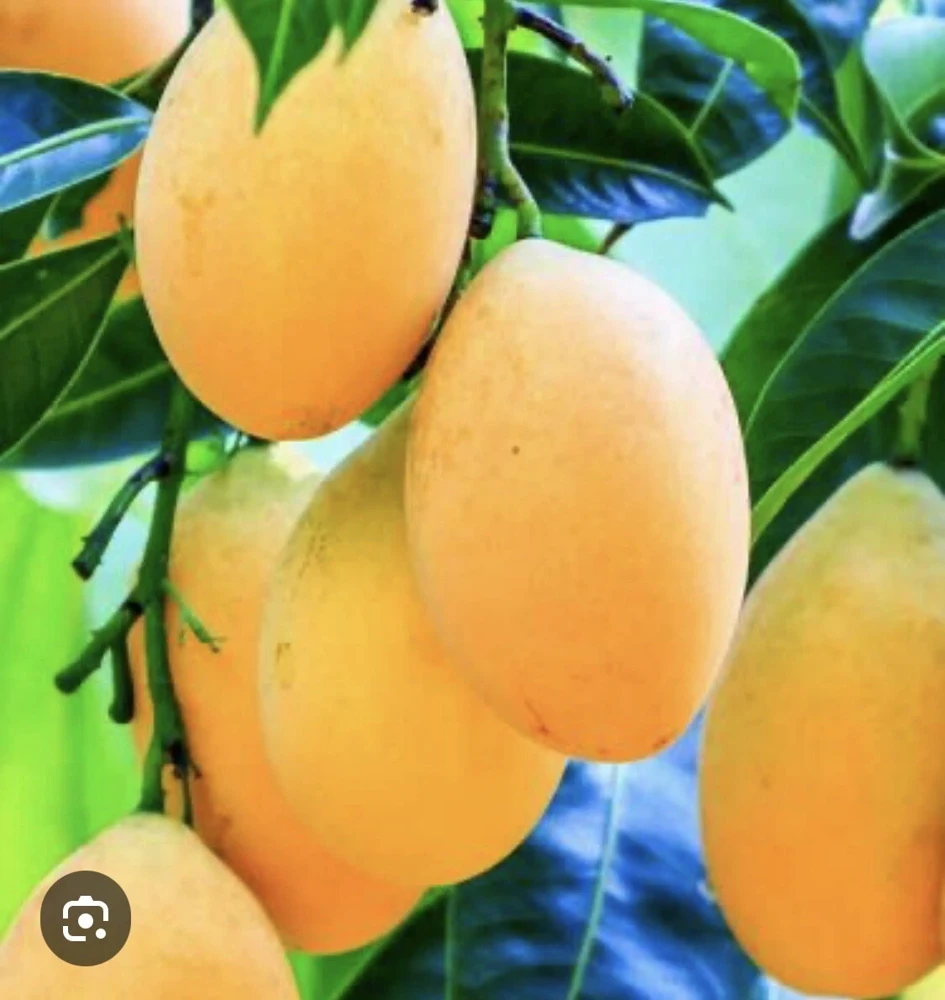
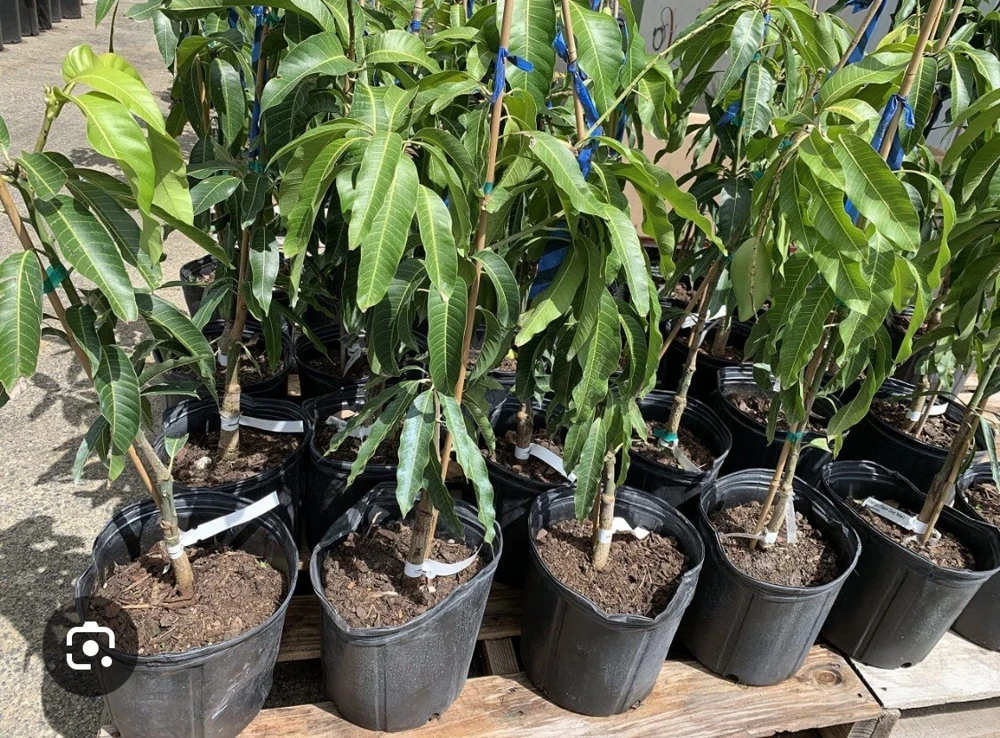
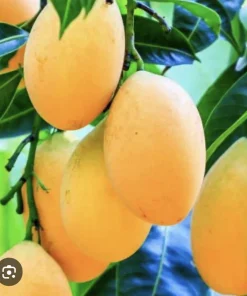
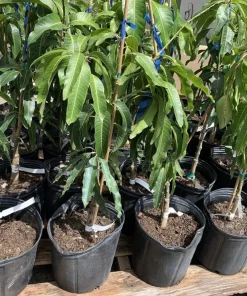
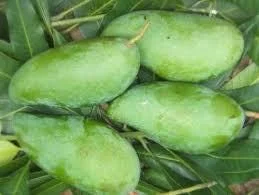
Organic Mango Tree Live Plant – Alphonso or Palmer Variety
Original price was: $91.99.$71.99Current price is: $71.99.
Bring the tropics to your garden with an organic mango tree plant. Choose between the highly sought-after Alphonso or the sweet, fibrous Palmer variety. This live mango tree is ready to thrive and produce delicious, homegrown fruit.
Estimated arrival
Oct 28
Nov 02 - Nov 04
Nov 07 - Nov 11
Shop With Confidence
30-Day Plant Health Guarantee
Arrives damaged? We’ll replace it free — see our return policy.
Responsive Support
Email us anytime, we reply within 1 business day.
Expert Packaging
Temperature-controlled shipping to protect your plants in transit.
Secure Checkout
Pay safely with Visa, Mastercard, PayPal.
Plant Specifications
-
USDA Hardiness Zone
USDA Zones 9-11 -
Soil Type
Well-draining, slightly acidic to neutral soil -
Sunlight Exposure
Full sun (6-8 hours direct sunlight daily) -
Expected Planting Period
Year-round in tropical climates; spring to early summer in other suitable zones
Overview
Cultivate your own tropical paradise with our exceptional organic mango tree plant. This offering allows you to select between two of the most beloved mango varieties: the intensely sweet and non-fibrous Alphonso, often hailed as the “King of Mangoes,” or the delightfully juicy and consistently flavorful Palmer. Each live mango tree is grown organically, ensuring a healthy start for your fruit-bearing journey. Imagine harvesting your own succulent mangoes, rich in flavor and bursting with freshness, right from your backyard or patio. This plant is perfect for enthusiasts looking to embark on a rewarding horticultural adventure, bringing the vibrant taste of the tropics directly to your home garden.
Whether you’re a seasoned gardener or a passionate beginner, growing an organic mango tree plant is a fulfilling experience. These trees are known for their beautiful foliage and, of course, their highly prized fruit. Our organically grown specimens are carefully nurtured to provide you with a robust and vigorous plant, ready to establish itself in its new environment. Choose the variety that best suits your palate and growing conditions, and prepare to enjoy the unparalleled taste of home-grown mangoes.
Key Benefits
Investing in an organic mango tree plant offers a multitude of benefits, from the sheer joy of growing your own food to enhancing your landscape with a beautiful, productive tree. Here are some of the key advantages:
- Homegrown Organic Fruit: Enjoy the superior taste and nutritional benefits of fresh mangoes, free from synthetic pesticides and fertilizers. You’ll know exactly how your food is grown, ensuring the highest quality fruit for your family.
- High-Yielding Varieties: Both the Alphonso mango tree and Palmer mango tree varieties are known for their generous fruit production, providing you with an abundant harvest once established.
- Exotic Flavor Profile: Experience the distinct, rich sweetness of Alphonso mangoes or the smooth, juicy texture of Palmer mangoes, flavors often difficult to find fresh in local markets.
- Beautiful Ornamental Tree: Beyond its fruit, the mango tree boasts attractive, lush green foliage that adds a tropical aesthetic to any garden or landscape, providing shade and visual appeal.
- Rewarding Gardening Experience: Growing a fruit tree from a live mango tree offers immense satisfaction, connecting you directly to the food you consume and providing a rewarding challenge for gardeners of all levels.
- Supports Local Pollinators: Mango trees produce fragrant flowers that attract bees and other beneficial pollinators to your garden, contributing to a healthier ecosystem.
- Long-Term Investment: A well-cared-for mango tree can produce fruit for many years, becoming a valuable and cherished part of your garden for decades to come.
Plant Care & Growing Tips
Caring for your organic mango tree plant is crucial for ensuring a healthy, productive tree. Mango trees thrive in warm, tropical, and subtropical climates. They require specific conditions to flourish and produce their delicious fruit. Understanding these needs will help your live mango tree grow strong.
Sunlight Requirements: Mango trees need abundant sunlight to produce fruit. Plant your tree in a location that receives at least 6-8 hours of direct sunlight per day. In very hot climates, some afternoon shade can be beneficial, especially for young trees, but generally, full sun is preferred. If growing in a container, ensure it’s placed in the sunniest spot available.
Watering Schedule & Soil Moisture: Consistent watering is essential, especially during the first few years after planting and during flowering and fruiting periods. Water deeply 2-3 times a week, allowing the top few inches of soil to dry out slightly between waterings. Avoid overwatering, as this can lead to root rot. Reduce watering frequency during the dormant season. Good drainage is paramount for the health of your organic mango tree plant.
Soil Type & Drainage: Mango trees prefer well-draining, slightly acidic to neutral soil (pH 5.5-7.5). A sandy loam soil enriched with organic matter is ideal. If your soil is heavy clay, amend it with compost, sand, or perlite to improve drainage. Proper drainage prevents waterlogging and ensures healthy root development. For container planting, use a high-quality potting mix specifically designed for fruit trees or tropical plants.
Temperature Range & USDA Hardiness Zone: Mango trees are tropical and sensitive to cold. They thrive in temperatures between 60°F and 90°F (15°C and 32°C). They are generally suitable for USDA Hardiness Zones 9-11. Temperatures below 30°F (-1°C) can severely damage or kill young trees. Protect young plants from frost by covering them or bringing container-grown plants indoors during cold spells. The Alphonso mango tree and Palmer mango tree varieties have similar cold tolerances.
Fertilization Schedule & Type: Fertilize your mango tree regularly, especially during the growing season. Use a balanced fertilizer (e.g., 8-3-9 or similar NPK ratio) specifically formulated for fruit trees. For young trees, fertilize every 2-3 months. As the tree matures, fertilize 3-4 times a year, increasing the amount as the tree grows. Always follow the manufacturer’s instructions for application rates. Organic fertilizers like compost, aged manure, or fish emulsion can also be used to nourish your organic mango tree plant.
Size & Details
This organic mango tree plant is offered as a healthy, young specimen, typically ranging from 1 to 2 feet in height upon arrival, though specific sizes may vary based on stock and variety selected. It will be shipped in a nursery pot, ensuring its root system is intact and ready for transplanting. While exact growth rates depend on climate and care, mango trees are moderate to fast growers, with the potential to reach significant heights (20-30 feet or more) in ideal outdoor conditions over many years. However, they can be kept smaller through pruning, especially when grown in containers. Expect your live mango tree to begin producing fruit within 3-5 years under optimal conditions, though some varieties may fruit sooner or later. The Alphonso mango tree and Palmer mango tree are both known for eventually growing into substantial, fruit-bearing specimens.
Frequently Asked Questions
- Q: How big does this organic mango tree plant get? A: In optimal outdoor conditions, a mango tree can grow to 20-30 feet or more. However, with regular pruning, especially when grown in a container, its size can be managed to suit smaller spaces.
- Q: What size pot does it come in? A: Your live mango tree will arrive in a standard nursery pot, typically between 1-3 gallons, providing a healthy root ball for successful transplanting.
- Q: Is this an indoor or outdoor plant? A: Mango trees are generally outdoor plants in USDA Zones 9-11. In colder climates, they can be grown in large containers and brought indoors during winter, making them versatile for various environments.
- Q: How much sunlight does it need? A: For optimal growth and fruit production, your organic mango tree plant requires at least 6-8 hours of direct sunlight per day.
- Q: Is this plant easy to care for? A: While mango trees require consistent care regarding watering, sunlight, and fertilization, they are considered moderately easy to care for by experienced gardeners. Beginners can also succeed with careful attention to their needs.
- Q: What condition will it arrive in? A: Your live mango tree will arrive carefully packaged, with its roots protected and soil moist, ensuring it reaches you in the best possible condition, ready for planting.
- Q: Is it shipped in soil? A: Yes, the plant is shipped securely in its nursery pot with soil, minimizing stress during transit and providing a stable environment for its roots.
- Q: How long until it blooms and fruits? A: Typically, a young organic mango tree plant will begin to bloom and produce fruit within 3 to 5 years after planting, though this can vary based on care and environmental factors.
- Q: What’s the minimum temperature this live mango tree can tolerate? A: Mango trees are sensitive to cold and can be damaged by temperatures below 30°F (-1°C). Young trees are particularly vulnerable and should be protected from frost.
- Q: Can I grow the Alphonso mango tree or Palmer mango tree in a container indefinitely? A: Yes, mango trees can be successfully grown in large containers for many years. Regular pruning and repotting into larger containers as they grow will be necessary to maintain their health and productivity.
Be the first to review “Organic Mango Tree Live Plant – Alphonso or Palmer Variety”
People Also Viewed
Reviews
There are no reviews yet.