
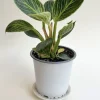


Kiwi Houseplant Live Plant – Potted Edible Fruit Plant – Indoor/Outdoor
Original price was: $70.99.$50.99Current price is: $50.99.
Bring the joy of home-grown fruit to your space with a kiwi houseplant. This live, potted plant is perfect for cultivating fresh kiwi indoors or outdoors in suitable climates. Enjoy vibrant foliage and the potential for delicious, homegrown fruit.
Estimated arrival
Oct 27
Nov 01 - Nov 03
Nov 06 - Nov 10
Shop With Confidence
30-Day Plant Health Guarantee
Arrives damaged? We’ll replace it free — see our return policy.
Responsive Support
Email us anytime, we reply within 1 business day.
Expert Packaging
Temperature-controlled shipping to protect your plants in transit.
Secure Checkout
Pay safely with Visa, Mastercard, PayPal.
Plant Specifications
-
USDA Hardiness Zone
USDA zones 7-9 (can be grown indoors year-round) -
Soil Type
Well-draining, slightly acidic potting mix -
Sunlight Exposure
Bright, indirect light -
Expected Planting Period
Year-round indoors
Overview
Introduce a touch of the exotic to your home with a kiwi houseplant. This vibrant, live plant offers the unique opportunity to grow your own delicious kiwi fruit. Ideal for both experienced gardeners and beginners, this potted kiwi plant thrives indoors, bringing a lush, green accent to any room. While commonly known for its fruit, the kiwi plant itself is an attractive vine with appealing foliage, making it a wonderful addition to your indoor garden. Cultivating an edible fruit plant like the kiwi allows you to enjoy fresh, organic produce right from your home, adding a rewarding dimension to your gardening efforts.
Kiwi, or Actinidia deliciosa, is a fascinating plant known for its sweet and tangy fruit. This particular offering is a live, established plant, ready to be nurtured in your home. The prospect of growing kiwi indoors is exciting, as it provides a consistent, controlled environment for the plant to flourish, potentially yielding fruit even in cooler climates. With proper care, your kiwi plant will become a conversation starter and a source of fresh, healthy snacks.
Key Benefits
Bringing a kiwi houseplant into your home offers a multitude of benefits, from aesthetic appeal to the satisfaction of harvesting your own food. Here are some of the key advantages:
- Homegrown Fruit: Enjoy the unparalleled taste of fresh, organic kiwi fruit picked directly from your own plant. This ensures freshness and allows you to control the growing conditions without pesticides.
- Beautiful Foliage: Beyond its fruit, the kiwi plant boasts attractive, heart-shaped leaves that add a lush, tropical feel to your indoor or outdoor space. It’s a living decor piece that evolves with the seasons.
- Air Purification: Like many houseplants, the potted kiwi plant contributes to a healthier indoor environment by naturally filtering toxins from the air, improving air quality for you and your family.
- Engaging Hobby: Caring for an edible fruit plant like the kiwi can be a deeply rewarding and engaging hobby, providing a sense of accomplishment as you watch it grow and produce.
- Educational Experience: It’s a fantastic educational tool for children and adults alike, demonstrating the life cycle of a fruit-bearing plant firsthand and encouraging an appreciation for nature.
- Versatile Placement: While primarily an indoor plant, it can be moved outdoors during warmer months, offering flexibility in its placement and allowing it to benefit from natural sunlight and fresh air.
Plant Care & Growing Tips
Caring for your kiwi houseplant is a rewarding experience that requires attention to specific environmental factors to ensure healthy growth and fruit production. Proper light is crucial; kiwi plants thrive in bright, indirect light when indoors. Place your plant near a south or west-facing window where it can receive several hours of sunlight daily, but protect it from harsh, direct afternoon sun which can scorch the leaves. If natural light is insufficient, consider supplementing with a grow light for 12-14 hours a day, especially during winter months, to support growing kiwi indoors successfully.
Watering should be consistent but not excessive. Allow the top inch of soil to dry out before watering again. Overwatering can lead to root rot, so ensure your pot has good drainage. During active growth periods (spring and summer), the plant will require more frequent watering. Reduce watering in fall and winter when growth slows. The ideal soil for a potted kiwi plant is a well-draining, slightly acidic potting mix. A blend of peat moss, perlite, and compost works well to provide both drainage and nutrients. Ensure the pot size is appropriate for the plant’s current size, repotting to a larger container as it grows.
Kiwi plants prefer moderate temperatures, ideally between 60-75°F (15-24°C). Protect your plant from sudden temperature fluctuations and cold drafts. While some kiwi varieties are hardy, as a houseplant, it’s best to keep it above 50°F (10°C). Fertilize your kiwi houseplant every 2-4 weeks during the growing season (spring through summer) with a balanced liquid fertilizer diluted to half strength. Reduce or stop fertilizing in fall and winter. Pruning is essential for shape and fruit production; remove dead or weak branches and train the vines as they grow. Watch out for common pests like spider mites and aphids; inspect your plant regularly and treat with insecticidal soap if necessary.
Size & Details
This kiwi houseplant arrives as a live, established plant, ready to be placed in your home or garden. Typically, it is shipped in a nursery pot, ensuring it is well-protected and hydrated during transit. The exact height and spread of the plant will vary upon arrival, but you can expect a healthy young specimen with established roots, usually between 6-12 inches tall. Kiwi plants are vigorous growers and will develop into a climbing vine. With proper care, an indoor kiwi plant can reach several feet in length, requiring support such as a trellis or stakes.
The growth rate of a potted kiwi plant can be moderate to fast, especially during warm months. While fruit production can take a few years to begin, the journey of nurturing an edible fruit plant is a rewarding one. This plant is suitable for indoor cultivation year-round and can be moved outdoors during frost-free periods. Expect healthy foliage and strong vine development as the plant matures, paving the way for potential fruit in future seasons. Our focus is on providing a robust and vibrant plant that gives you the best start for growing kiwi indoors.
Frequently Asked Questions
- Q: How big does this plant get? A: A kiwi houseplant can grow into a significant vine, often reaching several feet in length when provided with proper support such as a trellis or stakes. Its size can be managed through regular pruning to fit your indoor space.
- Q: What size pot does it come in? A: The plant typically arrives in a standard nursery pot, usually around 2-4 inches in diameter, suitable for its current size. You may wish to repot it into a larger decorative pot upon arrival to allow for further growth.
- Q: Is this an indoor or outdoor plant? A: This is primarily offered as a kiwi houseplant, making it suitable for indoor cultivation year-round. However, it can be moved outdoors to a sheltered location during warm, frost-free seasons to benefit from natural sunlight.
- Q: How much sunlight does it need? A: Your potted kiwi plant thrives in bright, indirect light. Aim for several hours of sunlight daily, ideally near a south or west-facing window, but protect it from intense, direct afternoon sun.
- Q: Is this plant easy to care for? A: While not the absolute easiest, caring for a kiwi plant is manageable for most gardeners. Consistent watering, proper light, and occasional pruning are key. Following guidelines for kiwi plant care will lead to success.
- Q: What condition will it arrive in? A: Your plant will arrive healthy and well-packaged, with its roots protected and hydrated. We take great care to ensure it reaches you in the best possible condition, ready for its new home.
- Q: Can I expect fruit from my indoor kiwi plant? A: While fruit production is possible, it typically takes a few years for a kiwi plant to mature and begin bearing fruit, especially when growing kiwi indoors. Patience and consistent care are essential.
- Q: When is the best time to plant or repot? A: For indoor kiwi plants, repotting can generally be done any time of year, though spring is often preferred as the plant enters a period of active growth.
- Q: What’s the minimum temperature this plant can tolerate? A: As a houseplant, it’s best to maintain temperatures above 50°F (10°C) to ensure the health of your kiwi houseplant. Protect it from cold drafts and frost.
- Q: Is this a self-pollinating variety? A: The specific pollination requirements can vary by kiwi variety. For best chances of fruit, especially with an edible fruit plant, research if your specific plant is self-pollinating or if a male and female plant are required.
Be the first to review “Kiwi Houseplant Live Plant – Potted Edible Fruit Plant – Indoor/Outdoor”
People Also Viewed





Herbs
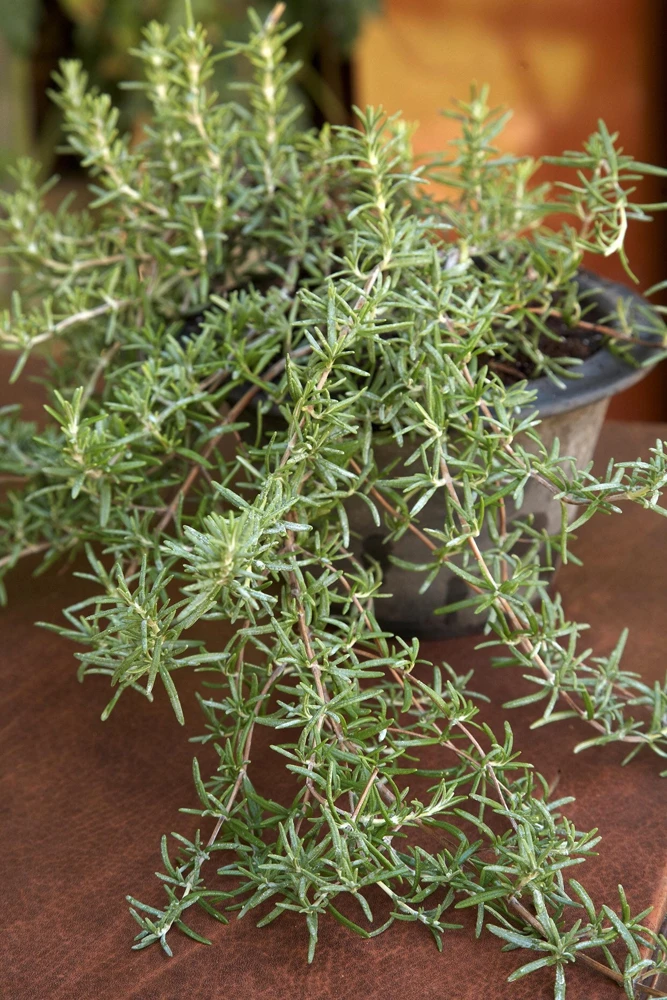
Trailing Rosemary Live Plant – Rosmarinus officinalis – Prostrate Herb – 1 Gallon Pot – Outdoor
Reviews
There are no reviews yet.