
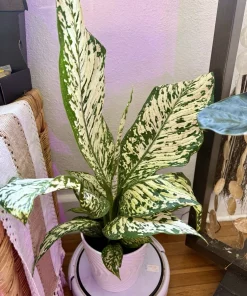
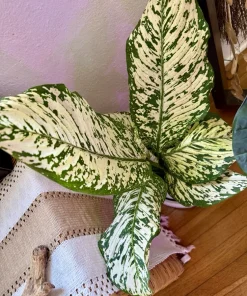
Dieffenbachia ‘White Etna’ Live Plant – Indoor Tropical Foliage
Original price was: $91.99.$71.99Current price is: $71.99.
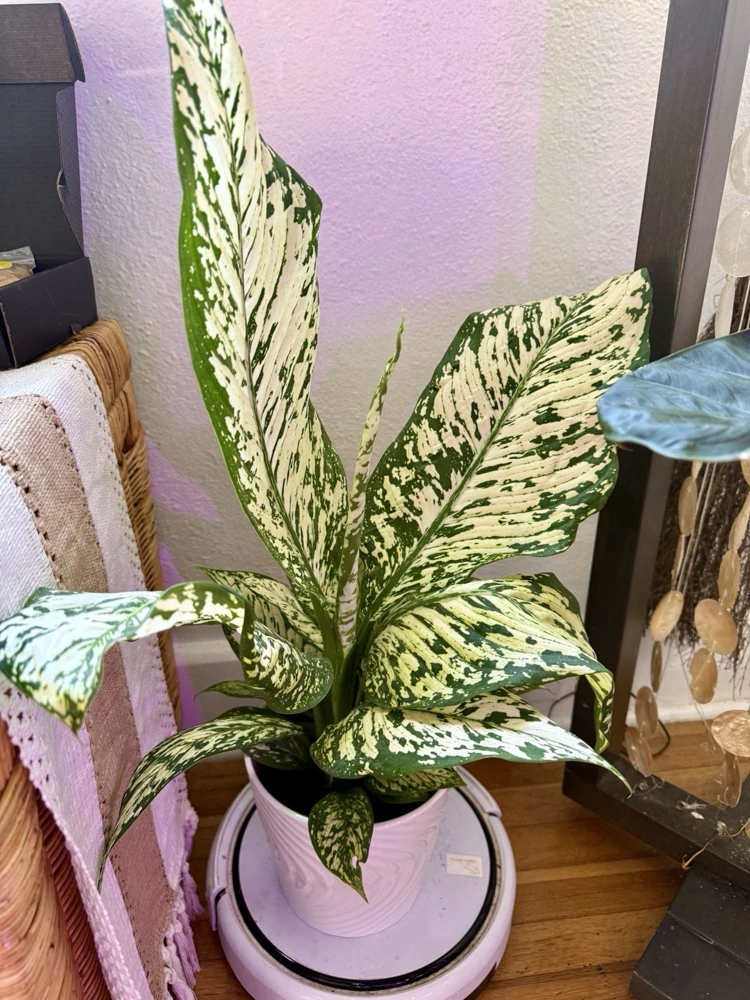
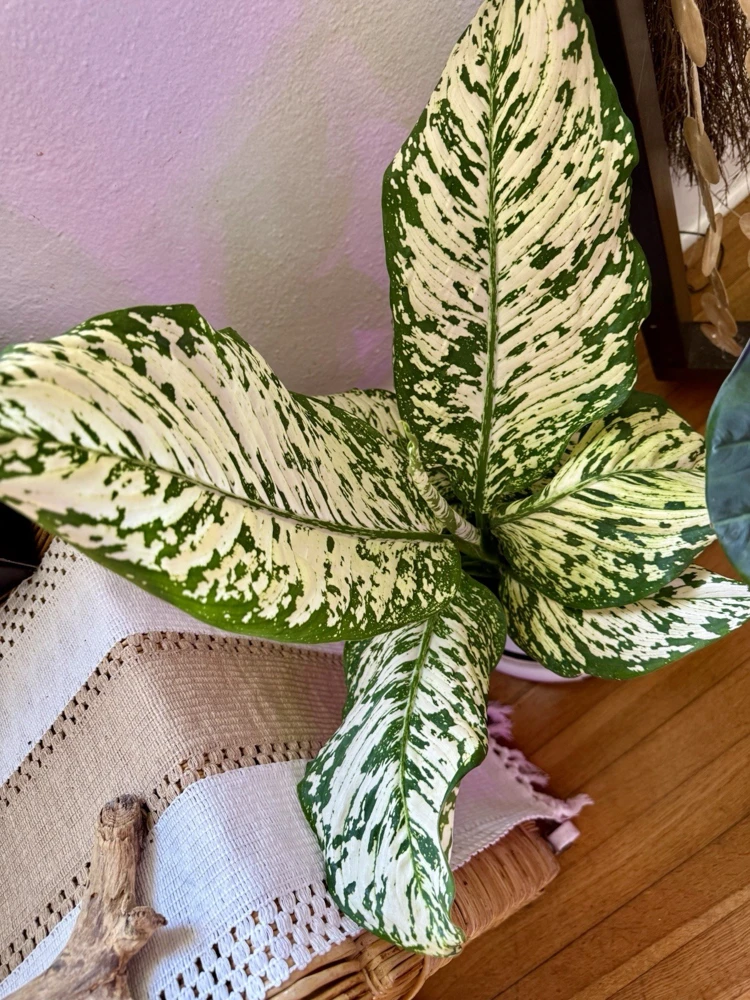
Bring exotic beauty indoors with the Dieffenbachia ‘White Etna’ live plant. This stunning tropical houseplant showcases vibrant white and green variegated foliage, making it a focal point in any room. Known for its striking appearance and relatively easy care, it’s perfect for both novice and experienced plant enthusiasts.
Estimated arrival
Oct 27
Nov 01 - Nov 03
Nov 06 - Nov 10
Shop With Confidence
30-Day Plant Health Guarantee
Arrives damaged? We’ll replace it free — see our return policy.
Responsive Support
Email us anytime, we reply within 1 business day.
Expert Packaging
Temperature-controlled shipping to protect your plants in transit.
Secure Checkout
Pay safely with Visa, Mastercard, PayPal.
Plant Specifications
-
USDA Hardiness Zone
Year-round indoors (USDA Zones 10-12 if outdoors) -
Soil Type
Well-draining potting mix -
Sunlight Exposure
Bright indirect light -
Expected Planting Period
Year-round indoors
Overview
The Dieffenbachia ‘White Etna’ live plant is a truly captivating addition to any indoor plant collection, renowned for its dramatic foliage and vibrant coloration. Often referred to as ‘Dumb Cane’ due to its sap’s temporary numbing effect if ingested, this tropical beauty originates from the rainforests of Central and South America. The ‘White Etna’ cultivar stands out with its large, oval-shaped leaves featuring a brilliant white center that radiates outwards, contrasting beautifully with deep green margins and speckles. This striking variegation makes each leaf a natural work of art, ensuring your plant is a unique and eye-catching specimen. As a mature plant, it develops a sturdy central stem, creating an upright and commanding presence. It thrives in well-lit indoor environments and offers a touch of the exotic without demanding extensive care, making it an excellent choice for adding lush, tropical vibes to your living space or office.
Cultivating a variegated Dieffenbachia like the ‘White Etna’ brings not just aesthetic appeal but also a connection to nature indoors. Its robust growth habit and impressive leaf patterns make it a favorite among those who appreciate bold, architectural plants. This particular variety is cherished for its bright white coloration, which can brighten up any corner and create a focal point in your room’s decor. Whether placed on a floor, a plant stand, or a large desk, the ‘White Etna’ makes a statement with its lush, tropical foliage. Its relatively straightforward care requirements mean that even those new to houseplants can successfully grow and enjoy this magnificent plant.
Key Benefits
The Dieffenbachia ‘White Etna’ live plant offers numerous advantages, from enhancing your home’s aesthetic to improving indoor air quality. Its unique characteristics make it a standout choice for anyone looking to add a touch of nature and elegance to their surroundings.
- Stunning Visual Appeal: The primary benefit of the Dieffenbachia ‘White Etna’ live plant is its breathtaking foliage. The bold white and green variegation creates a dramatic contrast that instantly brightens up any room and serves as a natural conversation starter. Its large, lush leaves add a vibrant, tropical feel, transforming ordinary spaces into serene, green sanctuaries.
- Air Purification: Like many houseplants, the ‘White Etna’ contributes to healthier indoor environments by filtering common airborne toxins. It helps to remove pollutants, leading to cleaner, fresher air and a more pleasant living or working space. This natural air-cleaning ability makes it a beneficial addition to any home.
- Easy Care Houseplant: Despite its exotic appearance, this easy care houseplants option is surprisingly low-maintenance. It tolerates a range of indoor conditions and doesn’t require constant attention, making it suitable for busy individuals or those just starting their plant journey. Its resilience allows it to thrive with basic watering and light provisions.
- Tropical Ambiance: The lush, broad leaves and vibrant patterns of the ‘White Etna’ instantly evoke a sense of the tropics. It can help create a calming, resort-like atmosphere, bringing the tranquility and beauty of a rainforest directly into your home. This plant is perfect for creating a focal point in a tropical-themed decor.
- Versatile Decor: Its upright growth habit and striking foliage make the ‘White Etna’ highly versatile for interior decoration. It can be placed in various settings, from living rooms and bedrooms to offices and entryways, effortlessly complementing different design styles, from modern minimalist to bohemian chic.
- Impressive Growth: With proper care, the variegated Dieffenbachia can grow into a substantial and impressive specimen. Its ability to produce large, beautiful leaves and develop a considerable size adds to its grandeur and impact as a decorative element over time.
Plant Care & Growing Tips
Caring for your Dieffenbachia ‘White Etna’ live plant is straightforward, ensuring it remains a vibrant and healthy addition to your home. Understanding its basic needs for light, water, soil, and temperature will help it flourish and maintain its stunning variegated foliage. This indoor tropical plant thrives when its environmental preferences are met consistently, leading to robust growth and impressive leaf development.
Sunlight Requirements: The ‘White Etna’ prefers bright, indirect light. Direct sunlight, especially harsh afternoon sun, can scorch its delicate leaves and fade the beautiful variegation. An east-facing window is ideal, providing gentle morning sun, or a few feet away from a south or west-facing window. If light is too low, the plant may become leggy, and its white patterns might diminish. Rotate the plant periodically to ensure even growth and light exposure on all sides.
Watering Schedule and Soil Moisture: Water thoroughly when the top 1-2 inches of soil feel dry to the touch. Dieffenbachias do not like to sit in soggy soil, as this can lead to root rot. Ensure your pot has drainage holes. Reduce watering frequency during the cooler, darker winter months when the plant’s growth slows down. Always check the soil moisture before watering to avoid over or under-watering. The dumb cane plant care involves finding a consistent watering rhythm.
Soil Type and Drainage: A well-draining potting mix is crucial for the ‘White Etna’. A standard houseplant potting mix amended with perlite or orchid bark for extra aeration works well. The soil should be rich in organic matter but allow excess water to flow through freely. Good drainage prevents waterlogged roots, which is a common cause of issues for this plant.
Temperature Range and USDA Hardiness Zone: This tropical plant thrives in warm environments, ideally between 65-80°F (18-27°C). Avoid temperatures below 60°F (15°C) and sudden cold drafts from windows or air conditioners, which can stress the plant. As an indoor plant, USDA hardiness zones are less relevant, but if grown outdoors in very warm climates, it would be suitable for zones 10-12. High humidity is also appreciated, so consider misting or placing it near a humidifier, especially in dry indoor conditions. This contributes significantly to effective dumb cane plant care.
Fertilization Schedule and Type: Feed your Dieffenbachia every 2-4 weeks during the growing season (spring and summer) with a balanced liquid fertilizer diluted to half strength. Reduce or cease fertilization during fall and winter when the plant is dormant. Over-fertilization can lead to salt buildup in the soil, which can harm the roots. Always water the plant before fertilizing to prevent root burn.
Common Problems and Solutions: Yellowing leaves can indicate overwatering or nutrient deficiency. Brown leaf tips often point to low humidity or inconsistent watering. Pests like spider mites and mealybugs can occasionally affect Dieffenbachias; inspect your plant regularly and treat infestations with insecticidal soap if necessary. Ensure your easy care houseplants are given prompt attention when issues arise.
Size & Details
The Dieffenbachia ‘White Etna’ live plant is typically shipped as a well-rooted plant in a nursery pot, ready for you to acclimate to its new home. While specific dimensions can vary based on the available stock, these plants generally arrive at a manageable size, often between 8-12 inches tall from the base of the pot, making them perfect for immediate display on a desk, shelf, or plant stand. With proper care, this indoor tropical plant has a moderate to fast growth rate and can reach an impressive height of 2-4 feet indoors, and sometimes even taller, with a spread of 1-2 feet. Its large, striking leaves contribute significantly to its overall volume and visual impact. The plant will continue to grow and produce new variegated foliage, maturing into a majestic specimen that will enhance your interior decor for years. It’s a fantastic long-term investment for plant lovers.
Frequently Asked Questions
- Q: How big does this plant get? A: The Dieffenbachia ‘White Etna’ live plant typically grows to an indoor height of 2-4 feet, with a spread of 1-2 feet, making it a substantial and eye-catching feature in your home. Its growth rate is moderate to fast under ideal conditions.
- Q: What size pot does it come in? A: The plant usually ships in a standard nursery pot, often a 4-inch or 6-inch size, depending on the plant’s maturity. This allows for safe transport and provides a good starting point for repotting as it grows.
- Q: Is this an indoor or outdoor plant? A: The Dieffenbachia ‘White Etna’ live plant is primarily an indoor plant, especially in most climates. It can be grown outdoors in tropical or subtropical regions (USDA Zones 10-12) where temperatures remain consistently warm and frost-free.
- Q: How much sunlight does it need? A: This variegated Dieffenbachia thrives in bright, indirect light. Direct sunlight can scorch its leaves, while too little light can reduce the vibrancy of its white variegation and lead to leggy growth.
- Q: Is this plant easy to care for? A: Yes, the ‘White Etna’ is considered an easy care houseplants option. It’s relatively forgiving and suitable for beginners, requiring consistent watering when the topsoil is dry and bright, indirect light to flourish.
- Q: What condition will it arrive in? A: Your Dieffenbachia ‘White Etna’ live plant will arrive carefully packaged, typically in a nursery pot with soil, ensuring it’s protected during transit and ready to be placed in your home upon arrival.
- Q: Is it pet-safe? A: No, Dieffenbachia plants are toxic if ingested by pets or humans due to calcium oxalate crystals in their sap, which can cause irritation and swelling. It’s best to keep this indoor tropical plant out of reach of children and pets.
- Q: What’s the minimum temperature it can tolerate? A: The ‘White Etna’ prefers temperatures above 60°F (15°C). Exposure to temperatures below this, especially for extended periods or sudden cold drafts, can cause stress and damage to the plant.
- Q: How often should I fertilize my dumb cane? A: During the spring and summer growing seasons, fertilize your plant every 2-4 weeks with a balanced liquid fertilizer diluted to half strength. Reduce or stop feeding during fall and winter. This is a key part of good dumb cane plant care.
- Q: Why are my Dieffenbachia leaves turning yellow? A: Yellowing leaves on your Dieffenbachia ‘White Etna’ live plant can often be a sign of overwatering, nutrient deficiency, or sometimes natural aging of lower leaves. Check your watering schedule and ensure good drainage.
Be the first to review “Dieffenbachia ‘White Etna’ Live Plant – Indoor Tropical Foliage”
People Also Viewed
Vegetable Seeds
Golden Pascal Celery Seeds – Heirloom Variety – 100 Seed Pack – Easy to Grow Outdoor Vegetable
Flower Plants
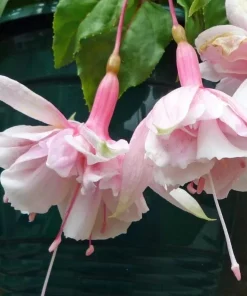
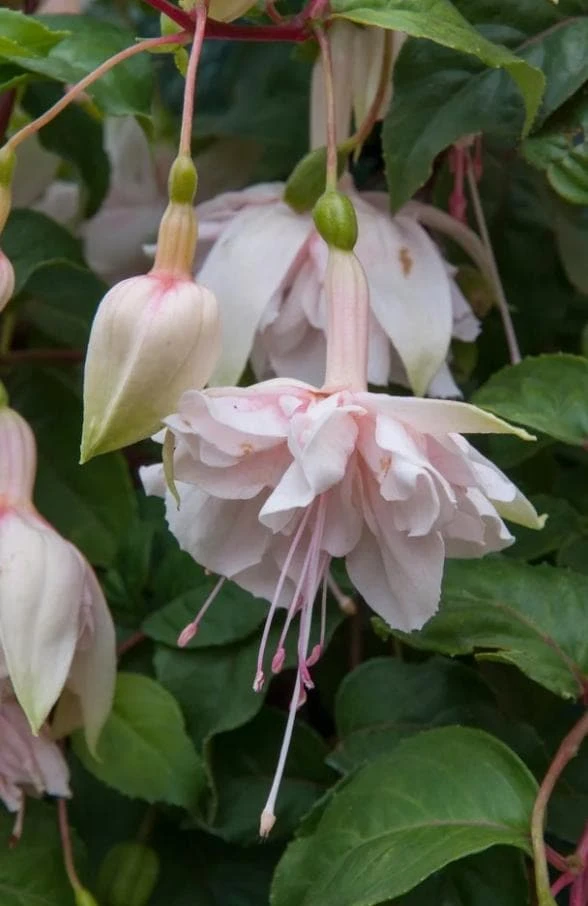
Pink Marshmallow Fuchsia Live Plant – 6″ Pot – Soft Pink Flowers – Shade-Loving Hanging Basket
Vegetables
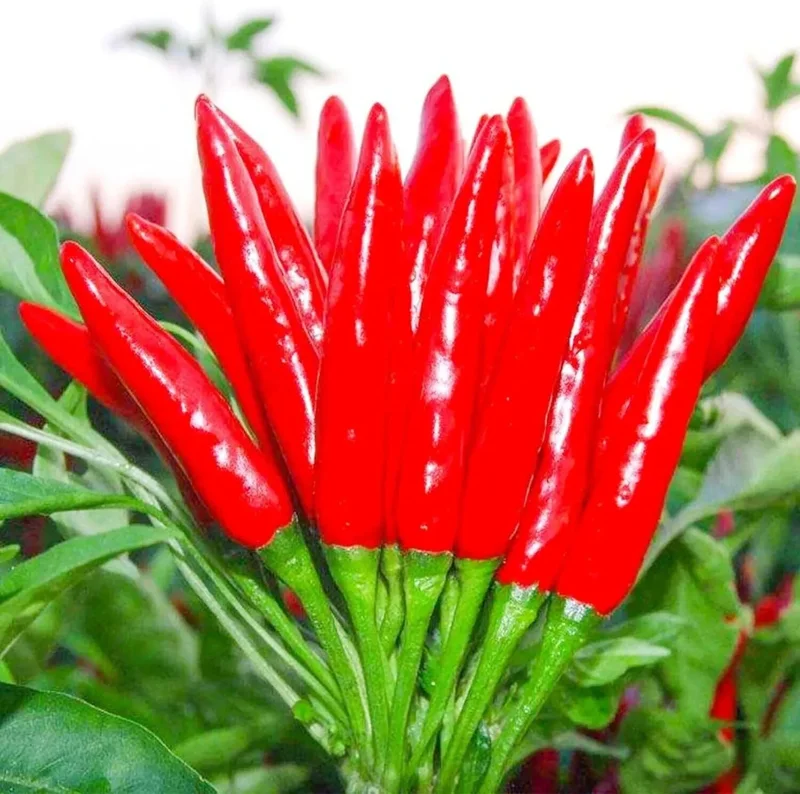
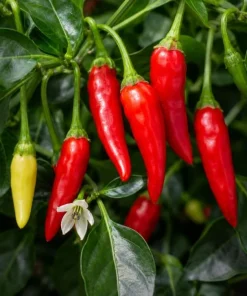
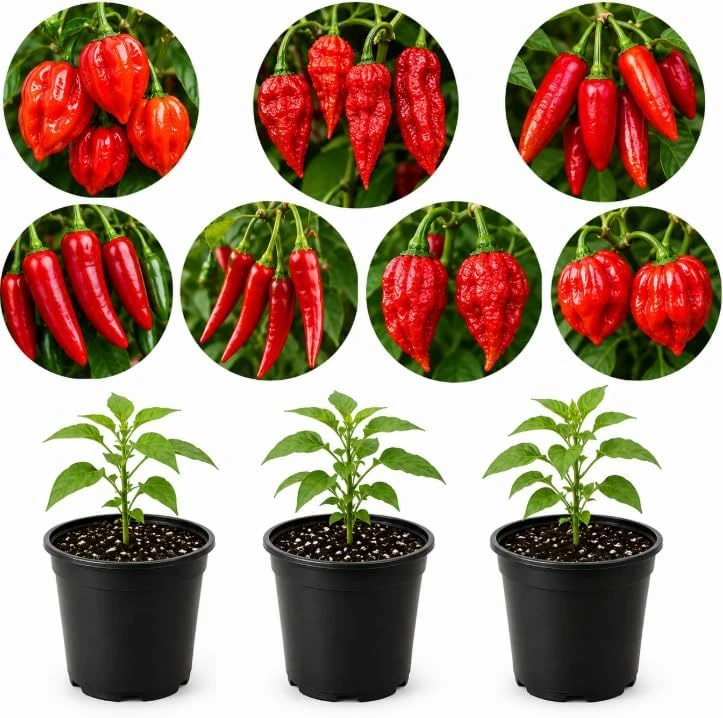
3 Mix Pepper Plants Live for Planting – 3-6 Inch Tall Vegetable Plants for Garden & Containers
Reviews
There are no reviews yet.