
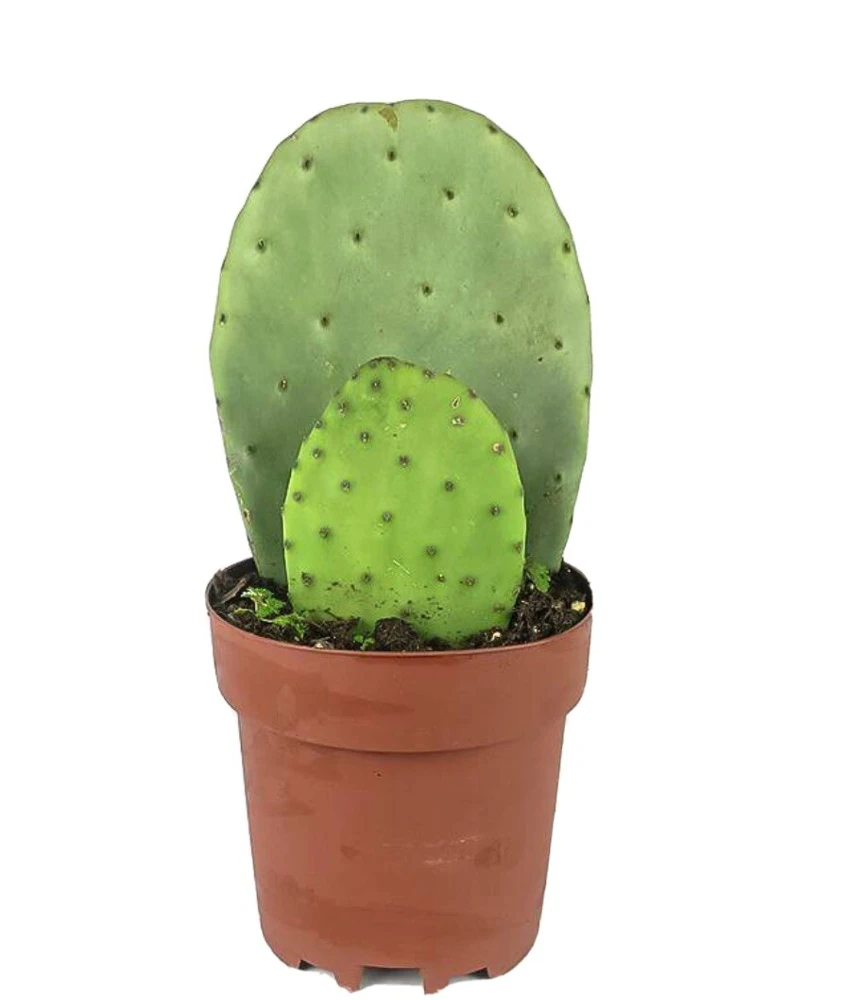
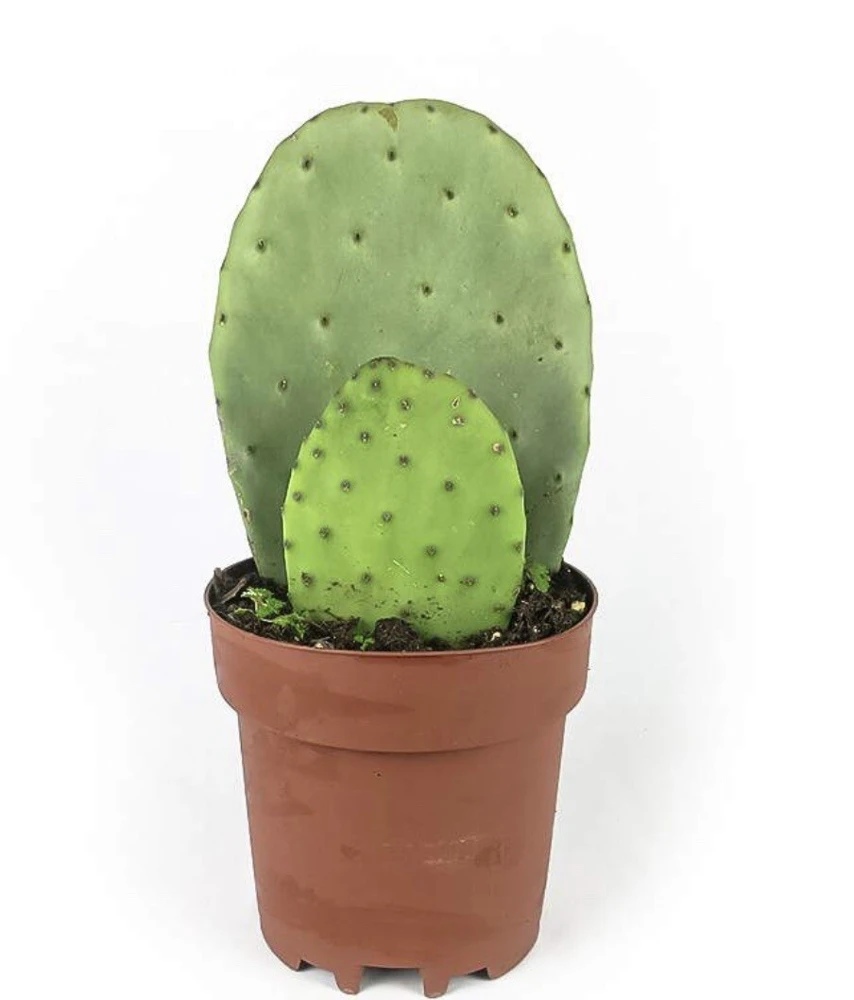
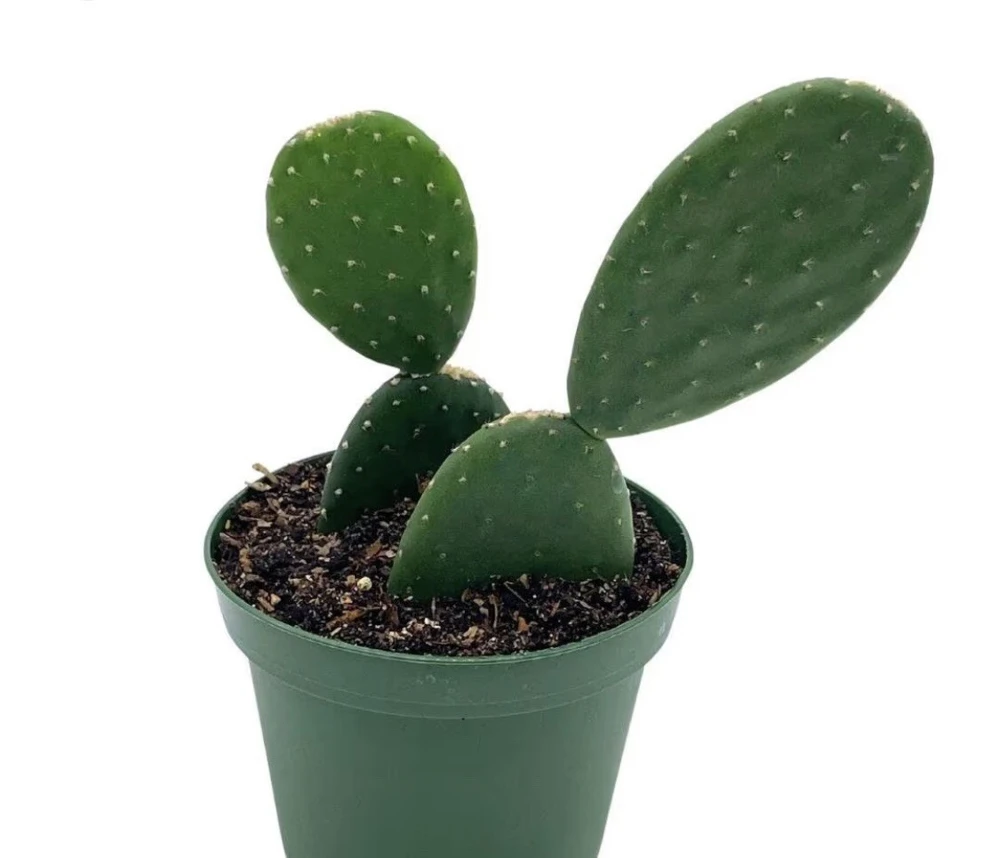
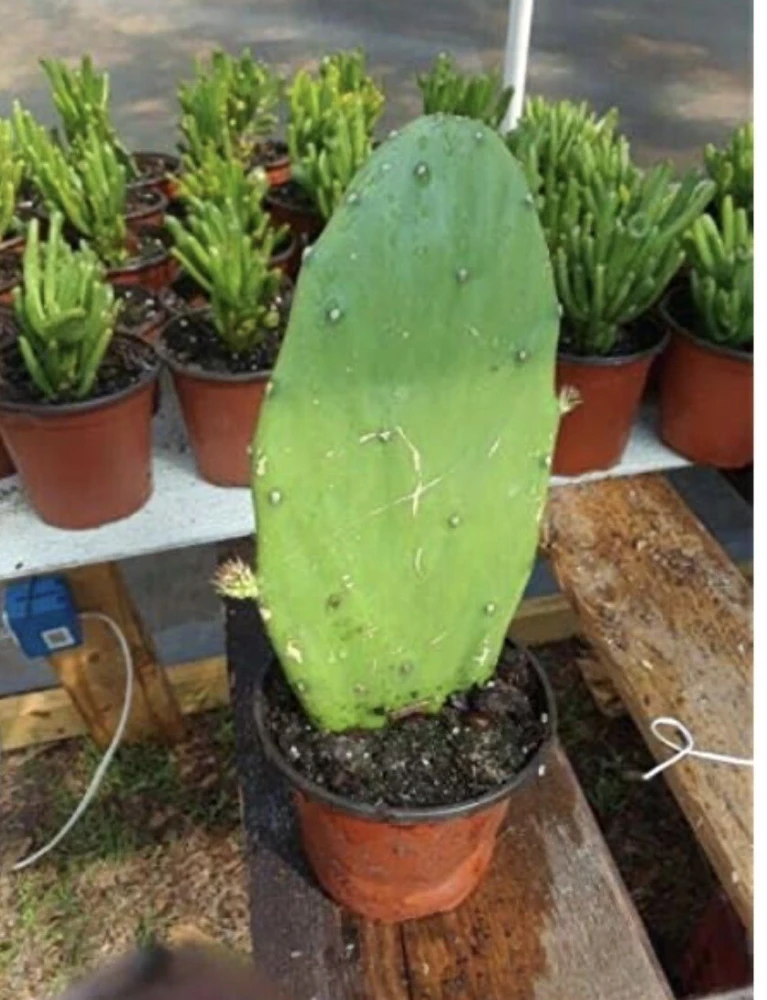
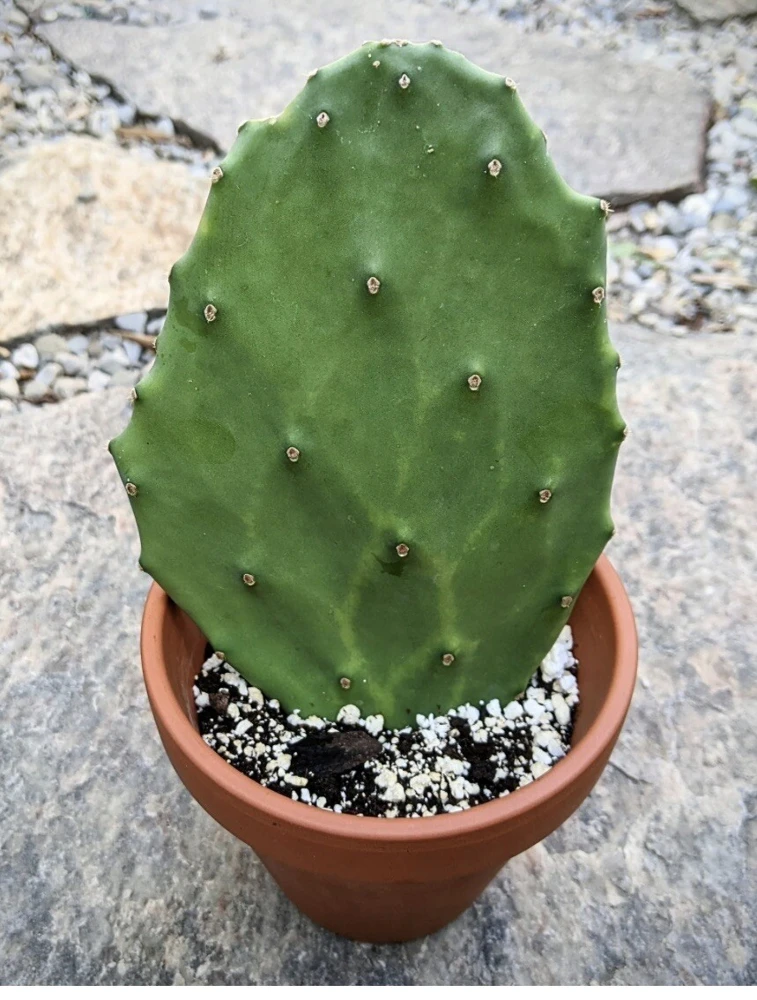
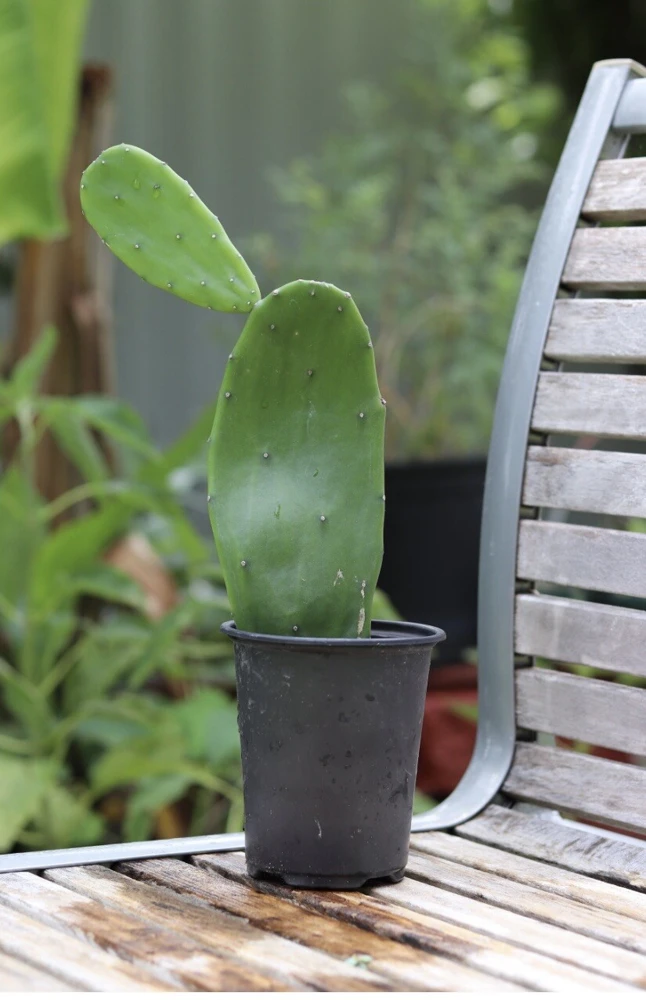
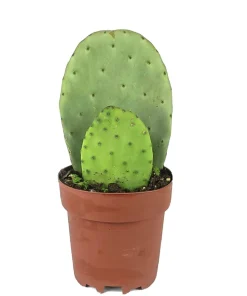
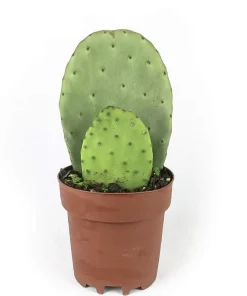
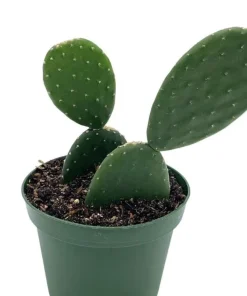
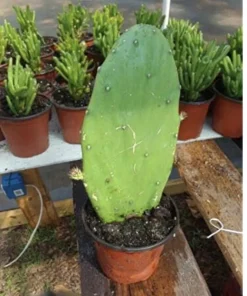
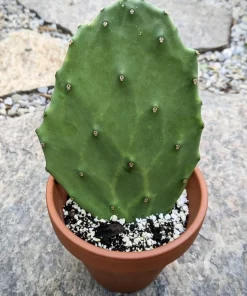
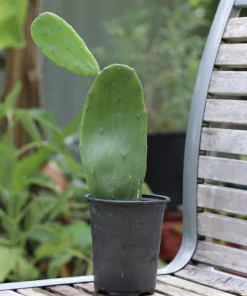
Organic Nopal Cactus Live Plant – Edible or Propagation – Potted
Original price was: $43.99.$23.99Current price is: $23.99.
Cultivate your own organic nopal cactus, a versatile plant known for its edible pads and ease of propagation. This live plant arrives ready to thrive, offering both culinary potential and ornamental beauty for your home or garden.
Estimated arrival
Oct 27
Nov 01 - Nov 03
Nov 06 - Nov 10
Shop With Confidence
30-Day Plant Health Guarantee
Arrives damaged? We’ll replace it free — see our return policy.
Responsive Support
Email us anytime, we reply within 1 business day.
Expert Packaging
Temperature-controlled shipping to protect your plants in transit.
Secure Checkout
Pay safely with Visa, Mastercard, PayPal.
Plant Specifications
-
USDA Hardiness Zone
USDA zones 9-11 -
Soil Type
Well-draining cactus or succulent mix -
Sunlight Exposure
Full sun -
Expected Planting Period
Year-round indoors, spring to summer outdoors
Overview
Bring the unique beauty and culinary versatility of the organic nopal cactus into your home or garden. This live plant, also known as prickly pear cactus (Opuntia ficus-indica), is revered for its tender, edible pads (nopales) and its ability to propagate easily. Originating from Mexico, the nopal cactus has been a staple in traditional diets and medicine for centuries, prized for its nutritional value and resilience. Whether you’re an experienced gardener or just starting, this robust succulent offers a rewarding growing experience. It’s an excellent choice for those seeking a low-maintenance, drought-tolerant plant that also provides a delicious and healthy food source. Our organic nopal cactus is carefully cultivated to ensure a healthy start for your gardening journey.
Key Benefits
The organic nopal cactus offers a multitude of benefits, making it a valuable addition to any plant collection. Its unique characteristics contribute to both aesthetic appeal and practical utility.
- Culinary Delight: The young pads, or nopales, are a popular ingredient in Mexican cuisine. They can be grilled, sautéed, or added to salads, offering a slightly tart and crisp texture with numerous health benefits. Growing your own ensures a fresh, organic supply.
- Easy Propagation: This plant is incredibly easy to propagate from its pads, allowing you to expand your collection or share with friends. Simply remove a pad, let it callus, and plant it in well-draining soil for new growth. This makes nopal propagation a simple and rewarding process.
- Drought Tolerance: As a desert native, the nopal cactus is highly drought-tolerant and requires minimal watering once established. This makes it an ideal choice for water-wise gardening and busy plant parents.
- Ornamental Value: With its distinctive pad structure and potential for vibrant flowers and fruits, the nopal cactus adds an exotic and architectural element to indoor spaces or outdoor landscapes.
- Health Benefits: Nopal cactus is rich in fiber, antioxidants, and vitamins, potentially aiding in digestion, blood sugar regulation, and overall well-being. Consuming edible nopal cactus is a great way to boost your nutritional intake.
- Low Maintenance: This hardy plant thrives on neglect, making it perfect for beginners or those looking for a plant that doesn’t demand constant attention. Its resilience against pests and diseases further contributes to its ease of care.
- Air Purification: Like many plants, the nopal cactus plant contributes to a healthier indoor environment by absorbing carbon dioxide and releasing oxygen, improving air quality.
Plant Care & Growing Tips
Caring for your organic nopal cactus is straightforward, thanks to its resilient nature. Understanding its basic needs will ensure a thriving plant. This succulent prefers abundant sunlight. Ideally, place it where it can receive at least 6 hours of direct sunlight per day. For indoor cultivation, a south-facing window is best. If moving an indoor plant outdoors, gradually acclimate it to prevent sunburn. When grown outdoors, ensure it’s in a location with full sun exposure. The USDA hardiness zones for nopal cactus typically range from 9-11, but it can be grown as a container plant and brought indoors in colder climates.
Watering is crucial, but less is more with this desert native. Allow the soil to dry out completely between waterings. Overwatering is the most common cause of root rot. During the growing season (spring and summer), water thoroughly but infrequently. Reduce watering significantly in fall and winter. For soil, a well-draining cactus or succulent mix is essential. You can also create your own by mixing potting soil with perlite or coarse sand. Good drainage is paramount to prevent waterlogged roots. Fertilize sparingly; a balanced, diluted liquid fertilizer can be applied once or twice during the growing season. Avoid fertilizing during its dormant period.
Growing nopal cactus is generally pest-free, but occasionally mealybugs or scale might appear. Treat with insecticidal soap or neem oil. Ensure adequate air circulation to prevent fungal issues. If you’re interested in nopal propagation, simply twist off a pad, allow the cut end to callus over for a week or two in a dry, shaded area, then plant it upright in well-draining soil. New roots and pads will emerge over time. With these simple guidelines, your organic nopal cactus will flourish.
Size & Details
This organic nopal cactus is shipped as a live plant, typically with one or more established pads, ready for planting in a larger pot or your garden. While exact dimensions may vary, you can expect a healthy specimen suitable for immediate growth. The plant will arrive with its root system intact and often includes its nursery pot, ensuring a smooth transition to its new environment. Nopal cacti are known for their relatively fast growth rate under optimal conditions, quickly producing new pads. The pads can grow to be quite substantial, often reaching 8-12 inches in length. This plant is ideal for those looking to cultivate a robust and productive edible nopal cactus.
Frequently Asked Questions
- Q: How big does this plant get? A: A mature nopal cactus plant can grow quite large, with pads reaching up to a foot in length and the overall plant forming a substantial bush. Its ultimate size will depend on growing conditions and pot size if container-grown.
- Q: Is this an indoor or outdoor plant? A: The organic nopal cactus can be grown both indoors and outdoors. It thrives outdoors in USDA Zones 9-11. In colder climates, it’s best grown in a pot and brought indoors when temperatures drop below freezing.
- Q: How much sunlight does it need? A: This cactus requires a minimum of 6 hours of direct sunlight daily to thrive. Indoors, place it in the brightest available window, such as a south-facing exposure. Outdoors, choose a spot with full sun.
- Q: Is this plant easy to care for? A: Yes, the organic nopal cactus is known for its low-maintenance nature. It is drought-tolerant and requires minimal attention, making it an excellent choice for beginners or busy individuals.
- Q: What condition will it arrive in? A: Your organic nopal cactus will arrive as a healthy, live plant, typically with its roots in a nursery pot. It will be carefully packaged to ensure its safe arrival, ready for you to transplant or continue growing.
- Q: Can I really eat the pads? A: Absolutely! The young, tender pads (nopales) of this edible nopal cactus are a popular culinary ingredient. They can be prepared in various ways, from grilling to sautéing, and are known for their unique flavor and health benefits.
- Q: When is the best time for nopal propagation? A: The best time for nopal propagation is during the warm growing season, typically spring or early summer. This allows the newly planted pads ample time to root and establish themselves.
- Q: What type of soil is best for this cactus? A: A well-draining soil mix is crucial for the organic nopal cactus. Use a specialized cactus and succulent potting mix, or amend regular potting soil with perlite or coarse sand to improve drainage.
- Q: Will it survive winter in my zone? A: If you live in USDA Zones 9-11, your nopal cactus can likely survive winter outdoors. In colder zones, it is essential to protect it from frost by bringing it indoors or providing adequate winter protection.
- Q: How often should I fertilize my nopal cactus? A: Fertilize your nopal cactus plant sparingly during its active growing season (spring and summer) with a diluted, balanced liquid fertilizer. Avoid fertilizing during the dormant winter months.
Be the first to review “Organic Nopal Cactus Live Plant – Edible or Propagation – Potted”
People Also Viewed
Reviews
There are no reviews yet.