
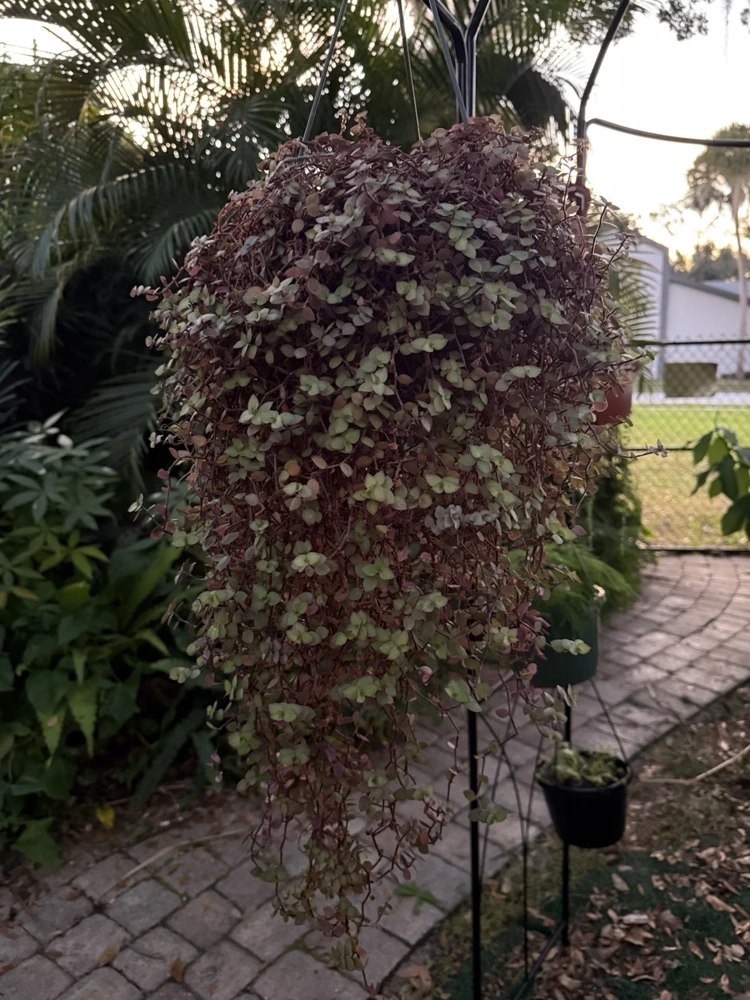
Turtle Vine Live Plant – Creeping Inchplant for Hanging Baskets
Original price was: $64.99.$44.99Current price is: $44.99.
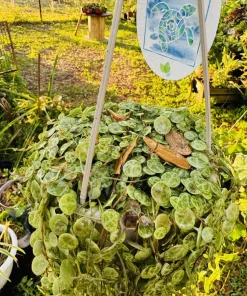
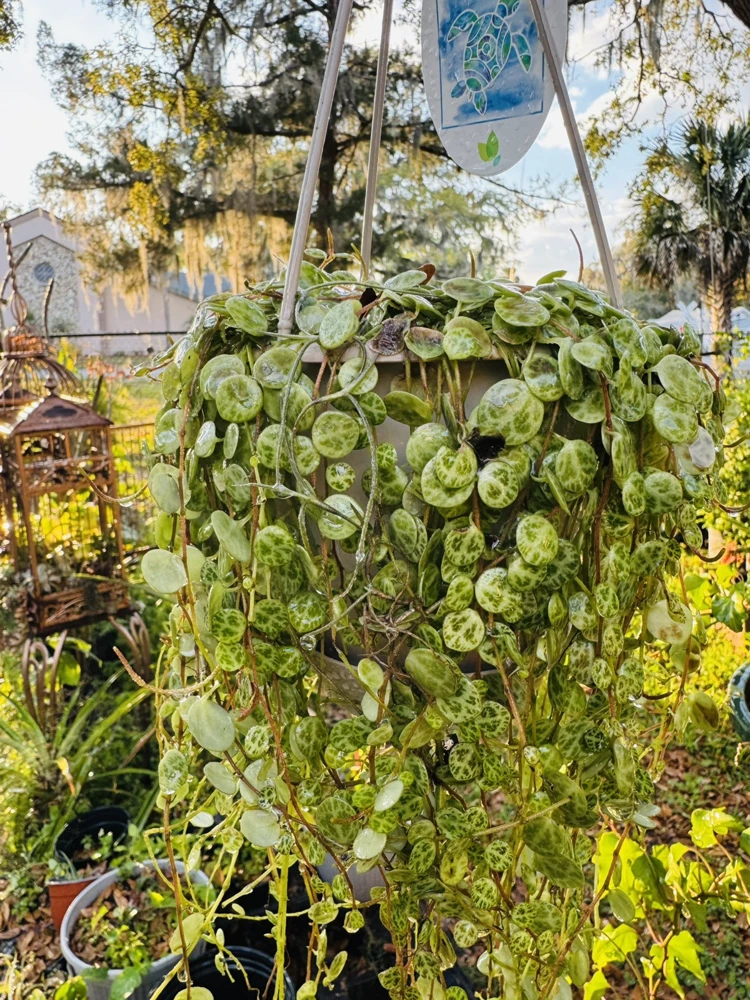
Bring natural charm to your home with a turtle vine live plant, also known as creeping inchplant care. This delightful trailing houseplant is perfect for adding lush greenery to any indoor space, thriving in hanging baskets or terrariums. Enjoy its vibrant small leaves and easy-care nature.
Estimated arrival
Oct 28
Nov 02 - Nov 04
Nov 07 - Nov 11
Shop With Confidence
30-Day Plant Health Guarantee
Arrives damaged? We’ll replace it free — see our return policy.
Responsive Support
Email us anytime, we reply within 1 business day.
Expert Packaging
Temperature-controlled shipping to protect your plants in transit.
Secure Checkout
Pay safely with Visa, Mastercard, PayPal.
Plant Specifications
-
USDA Hardiness Zone
USDA zones 9-11 (outdoors), otherwise indoors -
Soil Type
Well-draining potting mix -
Sunlight Exposure
Bright indirect light -
Expected Planting Period
Year-round indoors
Overview
Introduce a touch of vibrant greenery into your living space with the beautiful turtle vine live plant. Also known by its common name, creeping inchplant care, or its botanical name Callisia repens, this charming perennial is celebrated for its delicate, small, round leaves that cascade gracefully. Originating from Central and South America, the turtle vine is a popular choice for indoor gardeners due to its relatively low maintenance requirements and its ability to thrive in various conditions. Whether you’re looking to fill a hanging basket, create a lush groundcover in a terrarium, or simply add a touch of natural beauty to a shelf, the turtle vine offers a captivating display of foliage. Its rapid growth and ability to root easily make it a rewarding plant for both beginners and experienced plant enthusiasts.
Key Benefits
The turtle vine live plant offers numerous advantages that make it a fantastic addition to any home or office environment. Its aesthetic appeal combined with its robust nature ensures it’s a plant you’ll enjoy for years to come. Here are some of its key benefits:
- Aesthetic Appeal: The small, succulent-like leaves of the creeping inchplant care create a dense, lush carpet of green, often with hints of purple or bronze depending on light exposure. It’s an ideal plant for creating visual interest in hanging planters or as a natural spill-over element in mixed arrangements.
- Easy to Care For: This plant is remarkably forgiving, making it an excellent choice for those new to houseplants or with busy schedules. It tolerates a range of conditions and quickly recovers from minor neglect, needing only basic attention to thrive.
- Versatile Placement: The trailing habit of the turtle vine indoor makes it incredibly versatile. It can be displayed in hanging baskets, on shelves where its foliage can cascade, or even as a living groundcover in larger pots and terrariums, adapting well to different decorative styles.
- Rapid Growth: If you enjoy seeing quick results, the callisia repens plant will not disappoint. It grows rapidly, quickly filling out containers and producing long, flowing stems, which can be easily pruned to maintain desired shape and size.
- Air Purification: Like many houseplants, the turtle vine contributes to a healthier indoor environment by helping to filter out common airborne toxins, improving the overall air quality in your home.
- Propagation Made Easy: This plant is incredibly simple to propagate. Cuttings root readily in water or soil, allowing you to easily expand your collection or share with friends and family, making it a truly rewarding trailing houseplant.
Plant Care & Growing Tips
Caring for your turtle vine live plant is straightforward and rewarding, ensuring it continues to flourish and bring beauty to your space. Understanding its basic needs for light, water, and soil will set you up for success. This plant generally prefers bright, indirect light. Placing it near a window where it receives diffused sunlight for several hours a day is ideal. Direct, harsh afternoon sun can scorch its delicate leaves, while too little light can cause leggy growth and duller foliage color. Rotate the plant periodically to ensure even growth and light exposure.
When it comes to watering, the creeping inchplant care prefers consistently moist soil, but it’s crucial to avoid overwatering, which can lead to root rot. Allow the top inch of soil to dry out between waterings. During warmer months, you might need to water more frequently, while in winter, reduce watering as the plant’s growth slows. The plant benefits from good drainage, so ensure its pot has drainage holes. A well-draining potting mix, ideally one formulated for succulents or general houseplants with added perlite, is perfect. The turtle vine thrives in average room temperatures, typically between 60-75°F (15-24°C), and prefers moderate to high humidity. You can increase humidity by misting regularly or placing the pot on a pebble tray with water.
Fertilize your turtle vine indoor every 2-4 weeks during the growing season (spring and summer) with a balanced liquid fertilizer diluted to half strength. Reduce or stop fertilizing in fall and winter. Pruning is beneficial not only for maintaining a bushy, compact shape but also for encouraging new growth. Pinch back leggy stems regularly. While generally robust, keep an eye out for common houseplant pests like spider mites or mealybugs, especially if humidity is low. Treat with insecticidal soap if necessary. The callisia repens plant is generally not hardy to frost and should be kept indoors in USDA zones below 9.
Size & Details
Our turtle vine live plant typically ships as a well-rooted starter plant, ready to be transplanted into your preferred container. While specific dimensions can vary, you can expect a healthy, actively growing specimen with multiple trailing stems, usually in a 2-4 inch nursery pot. This fast-growing trailing houseplant can quickly develop stems that trail up to 1-2 feet or more, creating a beautiful cascading effect. With proper care, it can achieve a lush, full appearance within a few months. The small, ovate leaves are typically less than an inch long, giving the plant a delicate texture. It is an excellent choice for those looking for a plant that provides immediate visual impact and continuous growth, making it a dynamic addition to any collection.
Frequently Asked Questions
- Q: How big does this plant get? A: The turtle vine live plant is a fast-growing trailing plant. Its stems can reach lengths of 1-2 feet or more, creating a beautiful cascading effect, while the plant itself will spread to fill its container.
- Q: Is this an indoor or outdoor plant? A: The creeping inchplant care is primarily grown as an indoor houseplant, especially in cooler climates. It can be grown outdoors in USDA Zones 9-11 where temperatures remain above freezing year-round, often used as an annual in colder regions.
- Q: How much sunlight does it need? A: This plant thrives in bright, indirect light. Direct afternoon sun can scorch its leaves, so a spot near a window with diffused light or a north-facing window is ideal for the turtle vine indoor.
- Q: Is this plant easy to care for? A: Yes, the callisia repens plant is considered very easy to care for, making it an excellent choice for beginners. It’s quite forgiving and recovers well from minor neglect, requiring consistent watering and bright, indirect light.
- Q: What condition will it arrive in? A: Your plant will arrive as a healthy, well-rooted starter plant in a nursery pot, carefully packaged to ensure its safe journey. It will be ready for you to transplant into its permanent home.
- Q: How often should I water my turtle vine? A: Water when the top inch of soil feels dry to the touch. It prefers consistently moist, but not soggy, soil. Overwatering can lead to root rot, so ensure good drainage.
- Q: Is the Turtle Vine pet-safe? A: While generally considered non-toxic, it’s always best to keep plants out of reach of pets, as ingestion of any plant material can sometimes cause mild digestive upset.
- Q: Can I propagate this plant easily? A: Absolutely! The trailing houseplant is incredibly easy to propagate from stem cuttings. Simply snip a piece of stem, remove the lower leaves, and place it in water or moist soil, and it will typically root within a few weeks.
- Q: What kind of soil is best for a Turtle Vine? A: A well-draining potting mix is essential. A standard houseplant mix amended with perlite or a succulent/cactus mix works very well to provide the drainage this plant needs.
- Q: Will it survive winter in my zone? A: If you live in USDA zones below 9, your Turtle Vine will need to be brought indoors for the winter as it is not tolerant of frost. It thrives in average indoor temperatures.
Be the first to review “Turtle Vine Live Plant – Creeping Inchplant for Hanging Baskets”
People Also Viewed


Reviews
There are no reviews yet.