
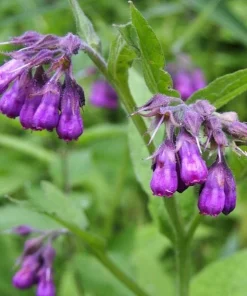
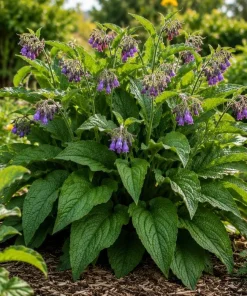
Set of 10 Bocking 14 Comfrey Bare Roots – Perennial Herb Plant, Zones 4-9
Original price was: $57.99.$37.99Current price is: $37.99.
Cultivate your own organic garden with a Set of 10 Bocking 14 Comfrey Bare Roots. These perennial herb plants are known for their vigorous growth and are ideal for outdoor gardens, thriving in USDA Zones 4-9. Perfect for permaculture systems and enriching soil.
Estimated arrival
Oct 14
Oct 19 - Oct 21
Oct 24 - Oct 28
Shop With Confidence
30-Day Plant Health Guarantee
Arrives damaged? We’ll replace it free — see our return policy.
Responsive Support
Email us anytime, we reply within 1 business day.
Expert Packaging
Temperature-controlled shipping to protect your plants in transit.
Secure Checkout
Pay safely with Visa, Mastercard, PayPal.
Plant Specifications
-
USDA Hardiness Zone
4–9 -
Soil Type
Fertile, well-draining soil -
Sunlight Exposure
Full sun to partial shade -
Expected Planting Period
Early spring to early fall
Overview
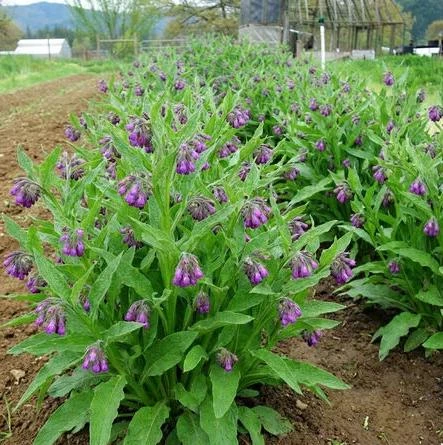
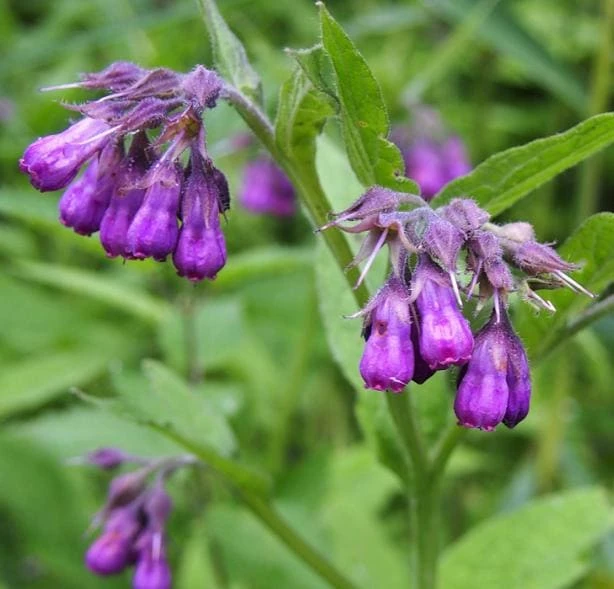
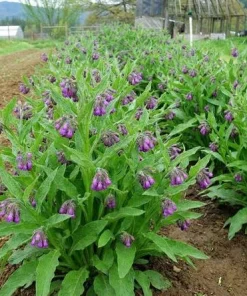
Introduce a robust and beneficial addition to your garden with this Set of 10 Bocking 14 Comfrey Bare Roots. Symphytum × uplandicum ‘Bocking 14’, commonly known as Bocking 14 comfrey bare roots, is a highly sought-after herbaceous perennial plant prized for its numerous uses in organic gardening and permaculture. Unlike other comfrey varieties, ‘Bocking 14’ is sterile, meaning it will not spread by seed, making it an excellent choice for controlled garden environments. These bare roots are ready to be planted and establish quickly, providing a reliable source of nutrient-rich biomass for composting, mulching, or creating liquid feeds. Whether you’re looking to improve soil health, attract pollinators, or simply enjoy the beauty of its bell-shaped flowers, this variety is an indispensable asset for any gardener.
As a vigorous perennial, Bocking 14 comfrey bare roots will return year after year, offering consistent yields with minimal effort once established. Its deep taproots draw up essential minerals from the subsoil, making these nutrients available to other plants when comfrey leaves are used as a chop-and-drop mulch or compost accelerator. This makes it an invaluable component of a sustainable garden system, contributing to a healthier and more productive ecosystem. Prepare to transform your garden with these easy-to-grow, highly beneficial comfrey plants.
Key Benefits
Integrating Bocking 14 comfrey bare roots into your garden offers a multitude of advantages, enhancing both soil fertility and plant health. These perennial herb plants are a cornerstone for sustainable gardening practices due to their unique properties.
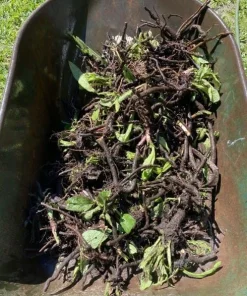
- Soil Enrichment: Comfrey’s deep taproots mine nutrients like potassium, phosphorus, and nitrogen from deep within the soil, making them available to shallow-rooted plants when leaves are chopped and dropped as mulch or added to compost. This natural nutrient cycling significantly improves soil fertility and structure.
- Compost Accelerator: The high nitrogen content and soft leaves of comfrey break down quickly, acting as an excellent activator to speed up the composting process. Adding comfrey leaves to your compost pile helps create rich, dark humus more rapidly.
- Nutrient-Rich Liquid Feed: Fermented comfrey leaves create a potent liquid fertilizer, often called ‘comfrey tea,’ which is exceptionally high in potassium. This feed is perfect for fruiting and flowering plants, promoting abundant blooms and harvests.
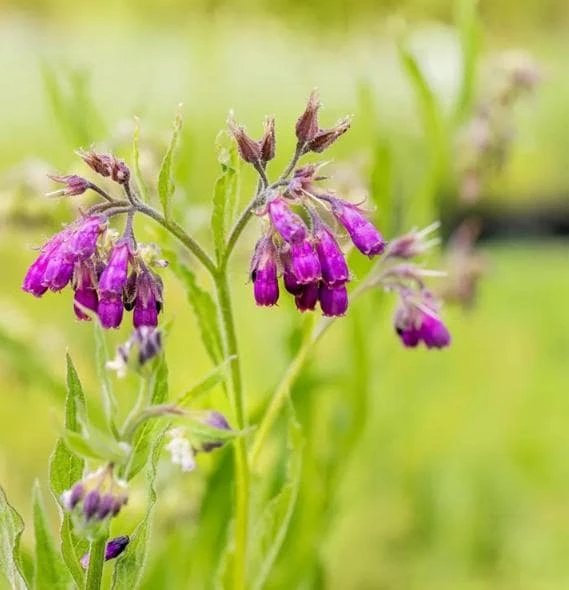
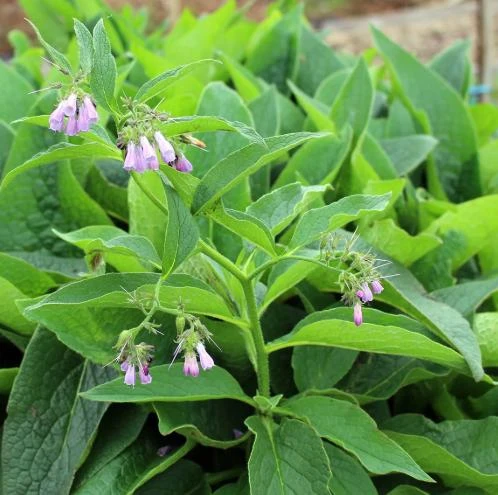
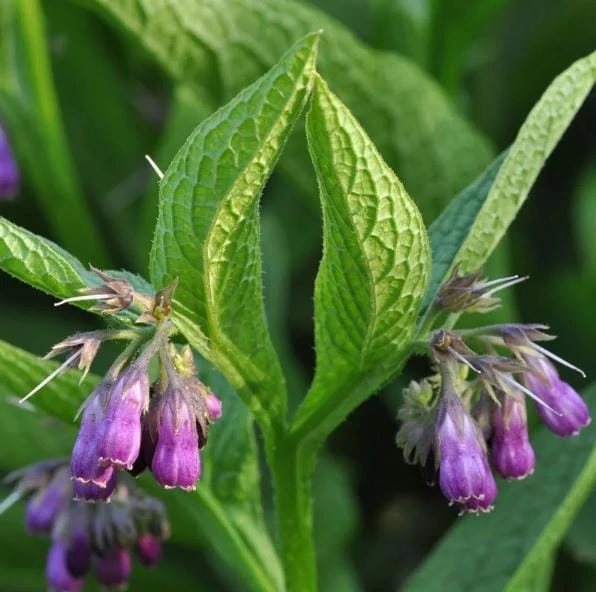
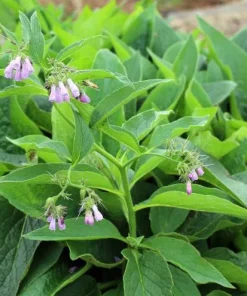
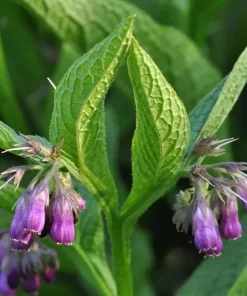
- Pollinator Attraction: The bell-shaped flowers of Symphytum uplandicum Bocking 14 are highly attractive to bees and other beneficial insects, supporting local pollinator populations and enhancing biodiversity in your garden.
- Vigorous Growth & Easy Maintenance: Once established, these comfrey for gardens are incredibly robust and low-maintenance. They tolerate a range of conditions and provide multiple harvests of leaves throughout the growing season without requiring intensive care.
- Sterile Variety: As a sterile hybrid, ‘Bocking 14’ does not produce viable seeds, preventing unwanted spread and making it easier to manage its presence in your garden compared to seed-spreading comfrey types.
- Pest Deterrent: While not a direct pest repellent, healthy, vigorous comfrey plants can contribute to a balanced ecosystem that naturally deters certain pests by supporting beneficial insects.
Plant Care & Growing Tips
To successfully grow comfrey Bocking 14, understanding its basic needs will ensure vigorous growth and abundant harvests. These hardy perennial herb plants are remarkably resilient when given the right conditions. For optimal growth, plant your Bocking 14 comfrey bare roots in a location that receives full sun to partial shade. While it can tolerate some shade, more sunlight generally leads to increased leaf production. Aim for at least 4-6 hours of direct sunlight daily.
Comfrey thrives in fertile, well-draining soil. It prefers a slightly acidic to neutral pH (6.0-7.0). Amend heavy clay soils with organic matter like compost to improve drainage, and sandy soils to enhance water retention. During establishment, it’s crucial to keep the soil consistently moist but never waterlogged. Once established, comfrey is quite drought-tolerant due to its deep taproot system, but regular watering during dry spells will encourage more lush growth. The USDA Hardiness Zones for comfrey for gardens are 4-9, meaning it can withstand winter temperatures down to -30°F (-34°C). In colder zones, ensure adequate winter mulch to protect the roots.
Fertilization is generally not heavily required for comfrey, especially if planted in rich soil. However, an annual application of compost or a balanced organic fertilizer in spring can boost production. Plant the bare roots horizontally, approximately 2-3 inches below the soil surface, spacing them about 2-3 feet apart to allow for mature plant size. Water thoroughly after planting. New growth typically appears within a few weeks. The first harvest of leaves can usually occur once the plant has established and reached about 1-2 feet in height, often 8-10 weeks after planting. Continue to harvest leaves throughout the growing season, cutting them back to about 2-4 inches above the ground; this encourages new flushes of growth. Watch out for slugs and snails on young plants, though mature comfrey is generally pest-resistant.
Size & Details
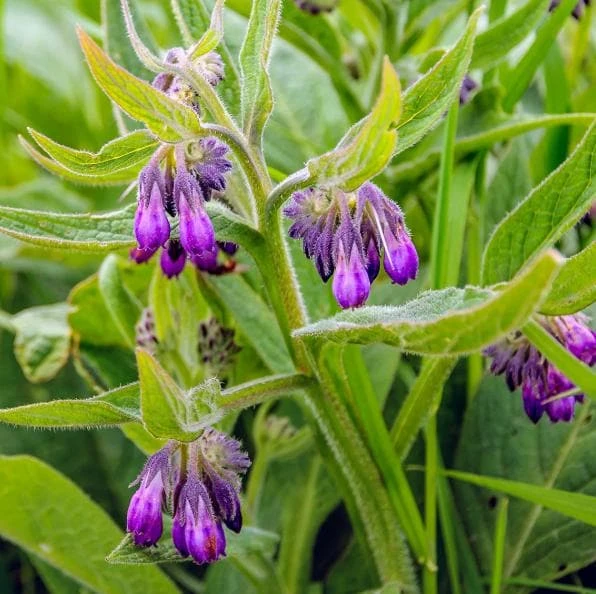
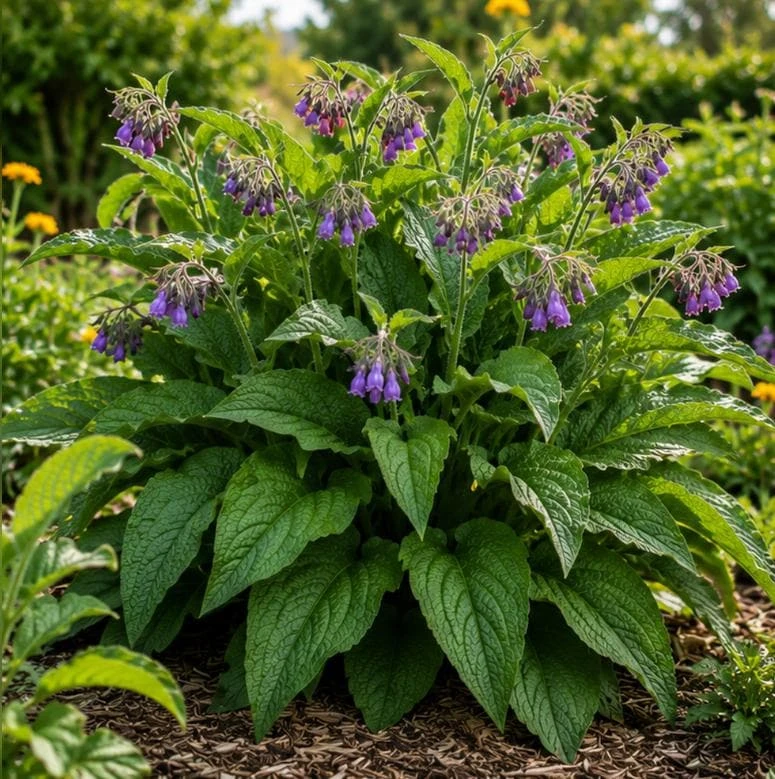
This offering includes a Set of 10 Bocking 14 Comfrey Bare Roots, providing a robust start for your garden. Each bare root is a dormant section of the plant’s root system, ready to sprout once planted in favorable conditions. Mature comfrey plants typically reach a height of 2-3 feet and can spread equally wide, forming dense clumps of large, hairy leaves. The growth rate is vigorous, especially in ideal conditions, allowing for multiple harvests within a single growing season. Expect to see significant foliage development within the first year, with plants reaching full maturity and productivity by their second year.
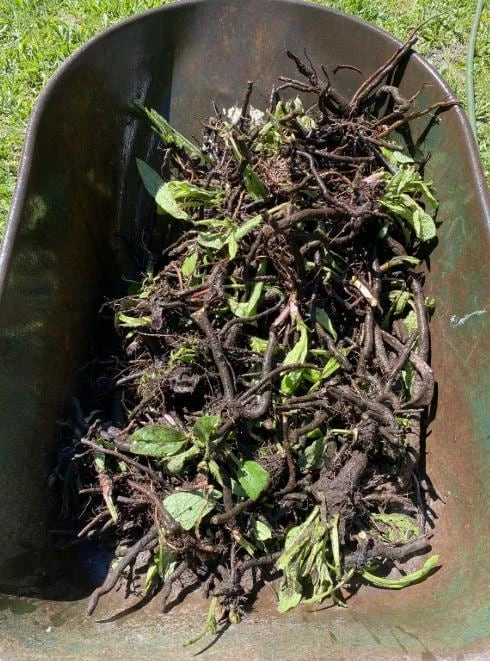
The bare roots are shipped dormant, ensuring they handle transit well and are prepared for planting upon arrival. While photos may show mature plants, your order comprises the rootstock that will develop into these impressive specimens. The exact size and appearance of new growth will depend on local climate, specific growing conditions, and the season of planting. These perennial herb plants are known for their longevity, providing many years of beneficial use in your garden. They are an excellent investment for anyone interested in sustainable gardening practices, offering continuous resources for soil improvement and plant nutrition.
Frequently Asked Questions
- Q: How big does this comfrey plant get? A: A: Mature Bocking 14 comfrey bare roots typically grow to be about 2-3 feet tall and 2-3 feet wide, forming a dense, bushy plant. Proper spacing will allow for optimal growth and air circulation.
- Q: Is this an indoor or outdoor plant? A: This is primarily an outdoor perennial herb plant. It thrives in garden beds, permaculture systems, or large containers outdoors, as it requires ample space and light to flourish.
- Q: How much sunlight does it need? A: Bocking 14 comfrey bare roots prefer full sun to partial shade, meaning at least 4-6 hours of direct sunlight per day. More sun generally leads to more vigorous growth and leaf production.
- Q: Is this plant easy to care for? A: Yes, once established, comfrey is considered a very low-maintenance and easy-to-grow plant. It’s quite hardy and can tolerate a range of conditions, making it suitable for beginners.
- Q: What condition will the bare roots arrive in? A: Your Bocking 14 comfrey bare roots will arrive dormant, which is their natural state for planting. They will not have leaves or stems but are healthy root sections ready to sprout once planted.
- Q: When is the best time to plant Bocking 14 comfrey? A: The ideal time to plant comfrey for gardens is in early spring after the last frost, or in early fall before the ground freezes. This allows the roots to establish before extreme temperatures.
- Q: Will it survive winter in my zone? A: Yes, Symphytum uplandicum Bocking 14 is hardy in USDA Zones 4-9. In these zones, it will die back to the ground in winter and re-emerge in spring.
- Q: What are the main uses for Bocking 14 comfrey? A: Its primary uses are as a nutrient accumulator for soil improvement, a compost activator, and for making nutrient-rich liquid feeds for other plants. It’s also great for attracting pollinators.
- Q: How do I harvest comfrey leaves? A: Harvest leaves when the plant is about 1-2 feet tall, cutting them back to 2-4 inches above the ground. You can typically get 3-5 harvests per season from established plants.
- Q: Is Bocking 14 comfrey invasive? A: ‘Bocking 14’ is a sterile hybrid, meaning it does not produce viable seeds, so it won’t spread aggressively via seed. However, it can spread slowly by root fragments if disturbed, so choose its planting location carefully.
Be the first to review “Set of 10 Bocking 14 Comfrey Bare Roots – Perennial Herb Plant, Zones 4-9”
People Also Viewed



Reviews
There are no reviews yet.