
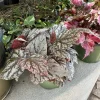
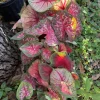
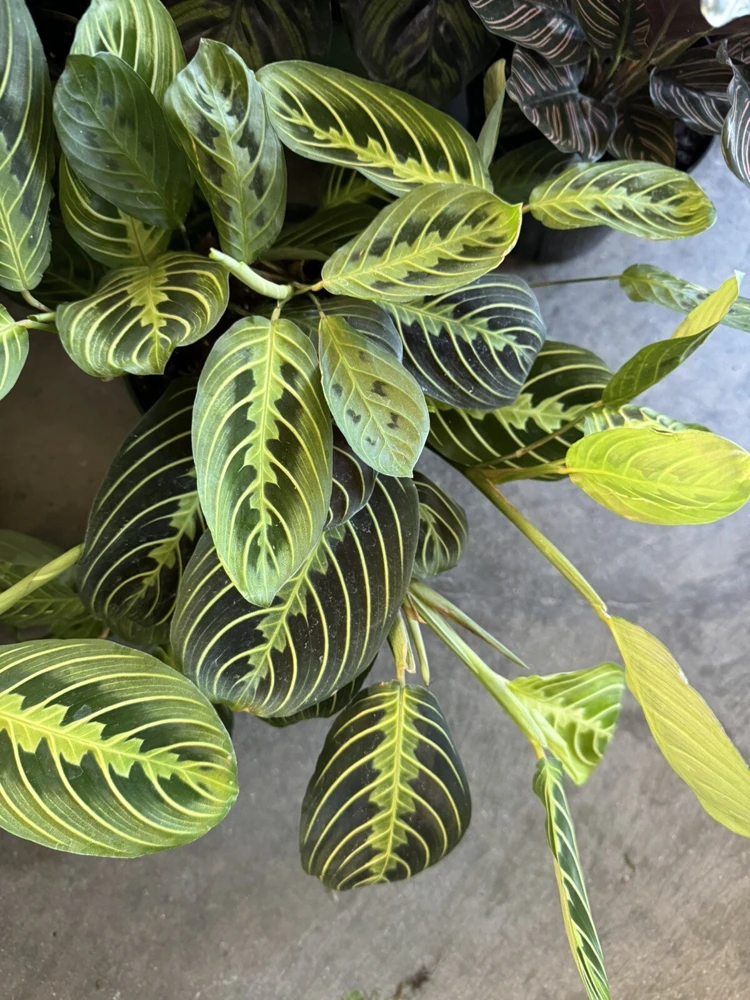
Maranta Prayer Plant – Live Houseplant in Pot – Indoor Foliage Plant
Original price was: $60.99.$40.99Current price is: $40.99.
Bring home a stunning maranta prayer plant, a captivating live houseplant known for its unique foliage that folds up at night. Ideal for indoor spaces, this red vein prayer plant adds vibrant color and texture with relatively easy care, perfect for beginners and experienced plant enthusiasts alike.
Estimated arrival
Oct 28
Nov 02 - Nov 04
Nov 07 - Nov 11
Shop With Confidence
30-Day Plant Health Guarantee
Arrives damaged? We’ll replace it free — see our return policy.
Responsive Support
Email us anytime, we reply within 1 business day.
Expert Packaging
Temperature-controlled shipping to protect your plants in transit.
Secure Checkout
Pay safely with Visa, Mastercard, PayPal.
Plant Specifications
-
USDA Hardiness Zone
year-round indoors -
Soil Type
well-draining potting mix -
Sunlight Exposure
bright indirect light -
Expected Planting Period
year-round indoors
Overview
Introduce a touch of living artistry to your home with the exquisite maranta prayer plant. This captivating live houseplant, scientifically known as Maranta leuconeura, is celebrated for its distinctive foliage and fascinating daily rhythm. Each leaf features intricate patterns, often with striking red veins on a vibrant green background, and a purple-red underside. What makes the maranta prayer plant truly special is its nyctinastic movement: the leaves lie flat during the day to absorb light and then fold upwards at night, resembling hands clasped in prayer. This unique characteristic gives it its common name and adds dynamic interest to any indoor plant collection. Perfect for tabletops, shelves, or hanging baskets, this plant thrives in warm, humid environments, bringing a tropical feel indoors.
Our maranta prayer plant arrives healthy and established in its pot, ready to enhance your living space. It is an excellent choice for those seeking a visually engaging plant that is also relatively forgiving once its basic needs are met. Whether you’re a seasoned plant parent or just starting your green journey, the beauty and charm of this plant will surely delight.
Key Benefits
The maranta prayer plant offers numerous advantages, making it a beloved choice for indoor gardeners. Its unique characteristics contribute to both aesthetic appeal and a calming atmosphere:
- Stunning Foliage: The vibrant green leaves with their distinctive red veins and purple undersides provide a striking visual display, adding a pop of color and intricate patterns to any room. This characteristic makes the red vein prayer plant a decorative focal point.
- Unique Nyctinastic Movement: Witness the captivating daily ritual as the leaves fold up at night and unfurl in the morning, a natural phenomenon that adds dynamic interest and a sense of wonder to your home.
- Air Purification: Like many houseplants, the maranta prayer plant contributes to a healthier indoor environment by helping to filter airborne toxins, improving the quality of the air you breathe.
- Relatively Low Maintenance: Once you understand its preferences for humidity and indirect light, caring for a maranta prayer plant is straightforward, making it suitable even for busy individuals.
- Non-Toxic to Pets: This plant is generally considered non-toxic to cats and dogs, offering peace of mind for pet owners who want to enjoy lush greenery without worry.
- Versatile Decor: Its compact size and trailing habit make it perfect for various display options, from office desks and bookshelves to hanging baskets, adding a touch of nature to any corner.
- Tropical Ambiance: The lush appearance and vibrant colors of the maranta prayer plant evoke a feeling of the tropics, creating a serene and inviting atmosphere in your home.
Plant Care & Growing Tips
Caring for your maranta prayer plant involves understanding its natural habitat and replicating those conditions indoors. The key to successful prayer plant care lies in providing consistent moisture, high humidity, and appropriate light. This plant thrives in bright, indirect light. Avoid direct sunlight, as it can scorch the delicate leaves and fade their vibrant colors. An east or north-facing window is often ideal, or a spot a few feet away from a south or west-facing window. If the leaves start to look bleached or dull, it’s likely receiving too much light.
Watering is crucial for a healthy maranta prayer plant. Keep the soil consistently moist but never waterlogged. Allow the top inch of soil to dry out slightly between waterings, especially during the warmer months. Reduce watering frequency in winter. Use filtered or distilled water if possible, as marantas can be sensitive to chemicals in tap water, which can lead to brown leaf tips. High humidity is paramount for this tropical beauty. You can increase humidity by misting the leaves regularly, placing the pot on a pebble tray filled with water, or using a humidifier. Grouping it with other humidity-loving plants can also help create a microclimate.
A well-draining potting mix is essential to prevent root rot. A standard houseplant mix amended with perlite or orchid bark works well. Fertilize your maranta prayer plant every 2-4 weeks during the growing season (spring and summer) with a balanced liquid fertilizer diluted to half strength. Avoid fertilizing in fall and winter. Maintain a warm environment, ideally between 65-80°F (18-27°C), and protect it from cold drafts. Common issues include brown leaf tips (low humidity, tap water) and yellowing leaves (overwatering, underwatering, nutrient deficiency). Regular inspection for pests like spider mites and mealybugs will ensure your maranta leuconeura remains vibrant and healthy.
Size & Details
This offering is for a healthy, established maranta prayer plant, carefully nurtured and shipped in its nursery pot. The plant typically arrives at a compact, desk-friendly size, generally measuring between 6 to 10 inches tall from the base of the pot. Its mature size can reach up to 12-18 inches in height and spread, with leaves growing several inches long. The plant is selected for its robust root system and vibrant foliage, ensuring it is ready to thrive in its new home. It will continue to grow and develop its characteristic trailing habit over time, making it an excellent candidate for hanging baskets or elevated planters. Expect continuous growth and the mesmerizing leaf movement that defines this beautiful species.
Frequently Asked Questions
- Q: How big does this plant get? A: A mature maranta prayer plant typically reaches a height and spread of 12-18 inches indoors. It tends to grow wider than tall, with a slightly trailing habit, making it ideal for various display settings.
- Q: Is this an indoor or outdoor plant? A: The maranta prayer plant is primarily an indoor prayer plant in most climates. It thrives in warm, humid indoor conditions and is not tolerant of cold temperatures or frost. It can be moved outdoors in shaded areas during warm summer months in appropriate USDA zones, but should be brought inside before temperatures drop.
- Q: How much sunlight does it need? A: This plant prefers bright, indirect light. Direct sunlight can scorch its leaves and fade the vibrant colors. An east or north-facing window is ideal, or a spot a few feet away from a south or west-facing window.
- Q: Is this plant easy to care for? A: While not the absolute easiest, the maranta prayer plant is considered moderately easy to care for once you understand its preferences, especially regarding humidity and watering. It’s a great plant for those looking to expand their plant care skills.
- Q: What condition will it arrive in? A: Your maranta prayer plant will arrive healthy and well-packaged in its nursery pot, with care taken to protect its delicate foliage during transit. It will be ready to be placed in your home.
- Q: Is it pet-safe? A: Yes, the maranta leuconeura is generally considered non-toxic to cats and dogs according to the ASPCA, making it a safer choice for homes with pets.
- Q: How often should I water my prayer plant? A: Water when the top inch of soil feels dry to the touch. It prefers consistently moist, but not soggy, soil. Overwatering is a common issue, so always check the soil moisture before watering.
- Q: Why are the leaves on my prayer plant turning brown? A: Brown leaf tips are often a sign of low humidity or sensitivity to chemicals in tap water. Increasing humidity, using distilled or filtered water, and ensuring consistent watering can help.
- Q: When is the best time to repot my maranta? A: Repot your indoor prayer plant in spring or early summer when it becomes root-bound, usually every 1-2 years. Choose a pot that is only one size larger than the current one.
- Q: Can I propagate my maranta prayer plant? A: Yes, maranta prayer plant can be propagated through stem cuttings in water or moist soil, or by division during repotting. This is a great way to expand your collection or share with friends.
Be the first to review “Maranta Prayer Plant – Live Houseplant in Pot – Indoor Foliage Plant”
People Also Viewed

Aquatic Plant Seeds
1000 Yellow Water Primrose Seeds – Ludwigia Alternifolia Flower Seeds
Flower Seeds
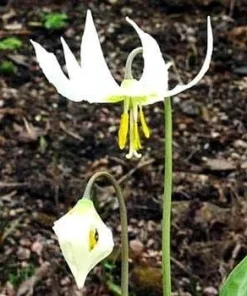
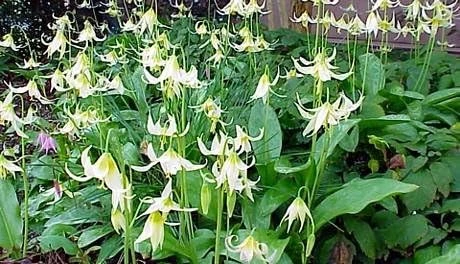
White Pagoda Violet Seeds – 10 Perennial Erythronium oregonum Seeds – Hardy Shade Plant

Houseplants
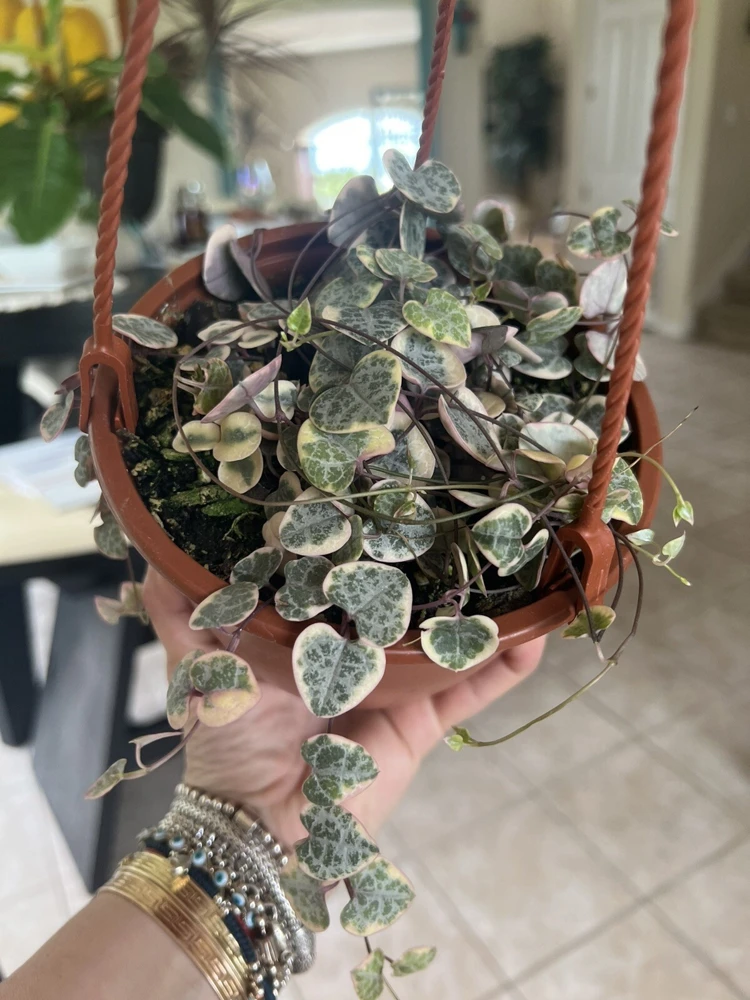
Variegated String of Hearts Live Plant – 6 inch Hanging Basket – Super Full – Indoor Vine

Reviews
There are no reviews yet.