
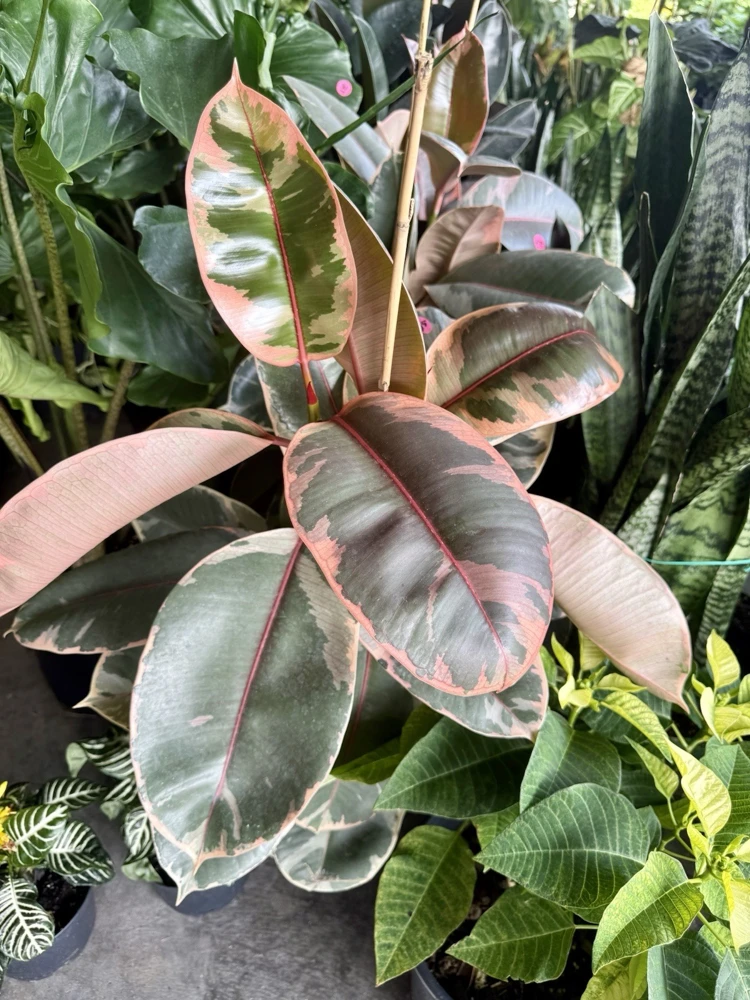
Ficus Elastica Live Plant – Rubber Tree, Indoor Houseplant
Original price was: $60.99.$40.99Current price is: $40.99.
Bring natural elegance into your home with a vibrant ficus elastica live plant. Also known as the rubber tree plant care, this popular houseplant features striking, glossy green leaves that add a sophisticated touch to any indoor space. It’s an ideal choice for both seasoned plant enthusiasts and beginners seeking easy care houseplants with a strong visual presence.
Estimated arrival
Oct 27
Nov 01 - Nov 03
Nov 06 - Nov 10
Shop With Confidence
30-Day Plant Health Guarantee
Arrives damaged? We’ll replace it free — see our return policy.
Responsive Support
Email us anytime, we reply within 1 business day.
Expert Packaging
Temperature-controlled shipping to protect your plants in transit.
Secure Checkout
Pay safely with Visa, Mastercard, PayPal.
Plant Specifications
-
USDA Hardiness Zone
Year-round indoors -
Soil Type
Well-draining potting mix -
Sunlight Exposure
Bright indirect light -
Expected Planting Period
Year-round indoors
Overview
Introduce a touch of lush greenery and sophisticated charm to your living space with the magnificent ficus elastica live plant. Commonly known as the Rubber Tree, this iconic houseplant is celebrated for its large, glossy, deep green leaves that can instantly elevate the aesthetic of any room. Originating from Southeast Asia, the Ficus elastica is a robust and visually striking specimen, making it a popular choice for indoor gardeners. As a live plant, it not only adds beauty but also contributes to a healthier indoor environment by naturally filtering the air. Its upright growth habit and impressive foliage make it a focal point in any decor scheme, from minimalist to bohemian. This particular Ficus elastica is a thriving, healthy plant ready to bring its unique presence into your home or office.
The Ficus elastica is a member of the fig genus, renowned for its resilience and relatively straightforward care requirements. Its common name, Rubber Tree, comes from the milky latex sap that was historically used to make rubber. Today, it’s cherished purely for its ornamental value. Whether you’re looking to fill an empty corner with vertical interest or seeking a statement piece for your plant collection, this ficus elastica live plant offers both beauty and a sense of calm. Its ability to adapt to various indoor conditions while maintaining its stunning appearance makes it one of the most rewarding easy care houseplants available.
Key Benefits
The ficus elastica live plant offers numerous advantages beyond its striking appearance, making it a valuable addition to any indoor setting. Its presence can significantly enhance the quality of your home environment and daily well-being.
- Air Purification: The Ficus elastica is known for its ability to filter airborne toxins, including formaldehyde, benzene, and trichloroethylene, improving indoor air quality and creating a fresher, healthier atmosphere. This natural purification contributes to a more invigorating living space.
- Dramatic Visual Appeal: With its large, thick, and glossy leaves, the Rubber Tree provides a bold, architectural statement. Its deep green foliage brings a vibrant, natural element indoors, adding a touch of elegance and sophistication to any room’s decor.
- Low Maintenance & Resilience: This plant is remarkably forgiving and requires minimal attention once established, making it perfect for busy individuals or those new to plant care. Its robust nature makes rubber tree plant care relatively simple, bouncing back easily from minor neglect.
- Vertical Growth & Height: The Ficus elastica naturally grows upwards, offering significant vertical interest. It can grow quite tall indoors, making it an excellent choice for filling empty corners or adding height and dimension to your interior design.
- Adaptability: While it thrives in bright, indirect light, the Ficus elastica can tolerate a range of light conditions, even lower light, though growth may slow. This adaptability makes it suitable for various spots within your home.
- Stress Reduction: Studies suggest that having plants indoors can reduce stress levels, improve mood, and increase focus. The calming presence of a ficus elastica live plant can contribute to a more peaceful and productive environment.
- Long Lifespan: With proper ficus elastica indoor care, these plants can live for many years, becoming a long-term, cherished part of your home decor and providing continuous beauty.
Plant Care & Growing Tips
Caring for your ficus elastica live plant is straightforward, making it a rewarding experience for both novice and experienced plant parents. Understanding its basic needs will ensure your Rubber Tree thrives and continues to display its magnificent foliage. Proper rubber tree plant care involves a balance of light, water, and appropriate environmental conditions.
Sunlight Requirements: The Ficus elastica prefers bright, indirect light. Place it near a window where it can receive plenty of light without direct, harsh sunbeams, which can scorch its leaves. An east-facing window is often ideal, or a few feet away from a south or west-facing window. While it can tolerate lower light conditions, growth may be slower, and the leaves might not be as vibrant. Rotate your plant every few weeks to ensure even growth and light exposure.
Watering Schedule and Soil Moisture: Water your Ficus elastica when the top 2-3 inches of soil feel dry to the touch. It’s crucial not to overwater, as this can lead to root rot. Ensure the pot has drainage holes to prevent water from accumulating at the bottom. During the growing season (spring and summer), it will likely need more frequent watering than in the dormant winter months. Reduce watering significantly in winter. Mist the leaves occasionally or place the plant on a pebble tray with water to increase humidity, especially in dry indoor environments.
Soil Type and Drainage: A well-draining potting mix is essential for the health of your ficus elastica live plant. A standard houseplant potting mix amended with perlite or coarse sand for improved drainage works well. The soil should be able to retain some moisture but never become waterlogged. Good drainage is key to preventing common issues. This is a critical aspect of successful ficus elastica indoor cultivation.
Temperature Range and USDA Hardiness Zone: The Ficus elastica thrives in average room temperatures, ideally between 60-75°F (15-24°C). Avoid exposing it to temperatures below 50°F (10°C) or sudden drafts, which can cause leaf drop. As an indoor plant, USDA hardiness zones are less relevant, but if kept outdoors in suitable climates, it would typically align with zones 10-12. This plant is not frost-tolerant.
Fertilization Schedule: Feed your Ficus elastica with a balanced liquid fertilizer every 2-4 weeks during the active growing season (spring and summer). Dilute the fertilizer to half strength to avoid over-fertilization, which can burn the roots. Do not fertilize during the fall and winter months when the plant is dormant.
Common Problems and Solutions: Yellowing leaves can indicate overwatering or nutrient deficiency. Brown, crispy leaves often point to underwatering or low humidity. Leaf drop can be a sign of environmental stress, such as sudden temperature changes, insufficient light, or improper watering. Inspect regularly for pests like spider mites or mealybugs; treat promptly with insecticidal soap if detected. Maintaining consistent care routines is the best defense against most problems, ensuring your large leaf plants remain healthy.
Size & Details
This ficus elastica live plant is typically shipped as a well-rooted specimen in a nursery pot, ready for you to introduce into your chosen decorative container. While exact dimensions can vary, it is generally provided at a size suitable for immediate display, often ranging from 10 to 18 inches in height from the base of the pot, with a spread proportionate to its height. The plant’s growth rate is moderate, and indoors, it can eventually reach heights of 6 to 10 feet or more with proper care and repotting, though it can be pruned to maintain a desired size. Its large, impressive leaves contribute significantly to its overall visual impact, making it one of the most popular large leaf plants for interior decoration.
The plant will arrive carefully packaged to ensure its safety during transit. It is a young, vigorous plant with healthy foliage and a robust root system, indicating strong potential for continued growth in your home. With consistent ficus elastica indoor care, you can expect it to establish quickly and begin producing new leaves, enhancing its stature and beauty over time. Repotting may be necessary every 1-2 years as the plant grows, moving it into a slightly larger pot to accommodate its expanding root system.
Frequently Asked Questions
- Q: How big does this plant get? A: The ficus elastica live plant can grow quite large indoors, typically reaching heights of 6 to 10 feet or more, depending on pot size and pruning. You can control its size by regular pruning to fit your space.
- Q: What size pot does it come in? A: This plant typically arrives in a standard nursery pot, usually around 4-6 inches in diameter, suitable for safe transport and initial placement. You can then transfer it to a decorative pot of your choice.
- Q: Is this an indoor or outdoor plant? A: The Ficus elastica is primarily cultivated as an indoor plant in most climates due to its sensitivity to cold. It can be grown outdoors in tropical or sub-tropical regions (USDA Zones 10-12).
- Q: How much sunlight does it need? A: This plant thrives in bright, indirect light. Avoid direct, harsh sunlight, which can scorch its leaves. A spot near an east-facing window or a few feet from a south or west-facing window is usually ideal for optimal growth and vibrant foliage.
- Q: Is this plant easy to care for? A: Yes, the ficus elastica live plant is considered one of the more forgiving and easy care houseplants. It’s relatively low maintenance once its basic light and watering needs are met, making it suitable for beginners.
- Q: What condition will it arrive in? A: Your plant will arrive carefully packaged to ensure it is healthy and intact. It will be a well-rooted, vibrant specimen ready to be acclimated to its new home.
- Q: Is it shipped in soil? A: Yes, the Ficus elastica is shipped in its nursery pot with soil to ensure its roots remain moist and protected during transit. This helps minimize stress from shipping.
- Q: Is the Rubber Tree plant pet-safe? A: No, the Ficus elastica is considered toxic to pets if ingested. Its milky sap can cause irritation. It’s best to keep this plant out of reach of curious pets.
- Q: How often should I water my Rubber Tree? A: Water when the top 2-3 inches of soil feel dry. This usually translates to once every 1-2 weeks, but can vary based on light, temperature, and humidity. Always check the soil moisture before watering to avoid overwatering, which is a common issue with rubber tree plant care.
- Q: What is the best way to ensure my ficus elastica indoor plant thrives? A: Provide consistent bright, indirect light, allow the topsoil to dry between waterings, maintain average room temperatures, and consider occasional misting for humidity. Regular dusting of the large leaf plants also helps with photosynthesis.
Be the first to review “Ficus Elastica Live Plant – Rubber Tree, Indoor Houseplant”
People Also Viewed



Reviews
There are no reviews yet.