
Tiny Dancer Alocasia Live Plant – Unique Indoor Houseplant
Original price was: $68.99.$48.99Current price is: $48.99.
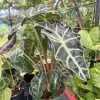
Discover the captivating beauty of the Tiny Dancer Alocasia live plant, a stunning addition to any indoor plant collection. Known for its unique, ruffled leaves and compact size, this Alocasia variety brings an exotic touch to your home decor. Easy to care for and ideal for tabletops or shelves, it’s a perfect choice for both novice and experienced plant enthusiasts.
Estimated arrival
Oct 27
Nov 01 - Nov 03
Nov 06 - Nov 10
Shop With Confidence
30-Day Plant Health Guarantee
Arrives damaged? We’ll replace it free — see our return policy.
Responsive Support
Email us anytime, we reply within 1 business day.
Expert Packaging
Temperature-controlled shipping to protect your plants in transit.
Secure Checkout
Pay safely with Visa, Mastercard, PayPal.
Plant Specifications
-
USDA Hardiness Zone
USDA zones 10-11 (outdoors); suitable for all indoor zones -
Soil Type
Well-draining, aerated potting mix (e.g., peat, perlite, orchid bark) -
Sunlight Exposure
Bright indirect light -
Expected Planting Period
Year-round indoors
Overview
Introduce a touch of exotic elegance to your indoor space with the mesmerizing Tiny Dancer Alocasia live plant. This unique Alocasia variety, often called ‘Tiny Dancer Elephant Ear’, is celebrated for its distinctive foliage and graceful, upright growth habit. Unlike its larger relatives, the Tiny Dancer remains compact, making it an ideal houseplant for smaller spaces, desks, or shelves. Its leaves are a vibrant green, with a ruffled, almost pleated texture that adds visual interest and a dynamic appeal to any room. This Tiny Dancer Alocasia live plant is a true conversation starter, bringing a piece of the tropical rainforest right into your home. It thrives in conditions mimicking its natural habitat, offering a rewarding experience for any plant lover.
The botanical name for this captivating specimen is Alocasia ‘Tiny Dancer’, a hybrid cherished for its unique aesthetic. As an indoor plant, it contributes not only to the aesthetic appeal of your home but also to a more vibrant living environment. Its compact nature ensures it won’t outgrow its space quickly, allowing for long-term enjoyment. Whether you’re looking to expand your collection of Alocasia varieties or seeking a distinctive gift for a plant enthusiast, the Tiny Dancer Alocasia live plant is an excellent choice.
Key Benefits
The Tiny Dancer Alocasia live plant offers numerous benefits, making it a highly sought-after houseplant. Its striking appearance and manageable size are just a few reasons why it’s a favorite among indoor gardeners. Here are some of the key advantages of adding this beautiful Alocasia to your home:
- Unique Ornamental Value: The distinct ruffled, dark green leaves and upright stems resemble a dancer’s pose, providing an unparalleled aesthetic appeal that enhances any interior design. It’s a living sculpture that draws attention.
- Compact Growth Habit: Unlike many Alocasia varieties, the ‘Tiny Dancer’ remains relatively small, making it perfect for windowsills, office desks, or small apartments where space is limited. This also makes Alocasia Tiny Dancer care more manageable.
- Air Purification: Like many houseplants, the Tiny Dancer Alocasia live plant contributes to improved indoor air quality by absorbing toxins and releasing oxygen, promoting a healthier living environment.
- Tropical Ambiance: Its exotic appearance instantly transforms any room into a lush, tropical oasis, creating a calming and invigorating atmosphere. It’s an excellent way to bring nature indoors.
- Relatively Low Maintenance: Once its basic needs for light and humidity are met, the Tiny Dancer Alocasia is not overly demanding, making it suitable for those with busy lifestyles. Understanding Alocasia Tiny Dancer care is key to its success.
- Versatile Decor: Its elegant form and vibrant color complement a wide range of decor styles, from modern minimalist to bohemian chic, making it a versatile decorative element.
- Collector’s Item: For plant enthusiasts, this unique hybrid is a valuable addition to an existing collection of indoor Alocasia varieties, offering a rare and beautiful specimen.
Plant Care & Growing Tips
Caring for your Tiny Dancer Alocasia live plant involves understanding its specific needs to ensure it thrives in your home. These tropical beauties appreciate consistent conditions that mimic their native environment. Proper Alocasia Tiny Dancer care will lead to lush, vibrant foliage and a healthy plant.
Light: The Tiny Dancer Alocasia prefers bright, indirect light. Avoid direct sunlight, which can scorch its delicate leaves. An east-facing window is often ideal, or a few feet away from a south or west-facing window. Insufficient light can lead to leggy growth and smaller leaves. Rotate your plant every few weeks to ensure even growth.
Watering: Keep the soil consistently moist but never waterlogged. Allow the top inch or two of soil to dry out slightly between waterings. Overwatering can lead to root rot, a common issue for Alocasias. Underwatering, on the other hand, can cause the leaves to droop and turn yellow. Reduce watering in the cooler, dormant months. Using filtered or distilled water is preferable as they can be sensitive to chemicals in tap water. Monitoring the plant closely will help you understand its unique watering rhythm, which is crucial for Alocasia Tiny Dancer care.
Humidity: High humidity is crucial for the Tiny Dancer Alocasia live plant. They thrive in environments with 60% humidity or higher. You can increase humidity by misting the leaves regularly, placing the pot on a pebble tray filled with water, or using a humidifier. Grouping it with other plants can also create a microclimate with higher humidity. Dry air can lead to crispy leaf edges and make the plant more susceptible to pests.
Soil: Use a well-draining, aerated potting mix that retains some moisture. A mix containing peat moss, perlite, and orchid bark or coco coir works well. Good drainage is essential to prevent waterlogged roots. Repotting should be done every 1-2 years, or when the plant becomes root-bound, typically in spring or early summer.
Temperature: Maintain warm temperatures, ideally between 65°F and 80°F (18°C-27°C). Avoid temperatures below 60°F (15°C) and sudden temperature fluctuations, which can stress the plant. Keep it away from cold drafts from windows or air conditioning vents. These tropical plants are not frost-tolerant.
Fertilization: During the growing season (spring and summer), feed your Tiny Dancer Alocasia live plant with a balanced liquid fertilizer diluted to half strength every 2-4 weeks. Reduce or stop fertilizing during the fall and winter months when the plant’s growth slows down. Over-fertilization can burn the roots.
Pests and Diseases: Alocasias can be susceptible to common houseplant pests like spider mites, mealybugs, and aphids, especially in low humidity. Inspect your plant regularly and treat any infestations promptly with insecticidal soap or neem oil. Fungal issues can arise from overwatering, so ensure proper air circulation and drainage.
Size & Details
The Tiny Dancer Alocasia live plant is renowned for its charming, compact size, making it a perfect fit for a variety of indoor settings. Typically, this plant grows to an average height of 1-2 feet (30-60 cm) tall and about 1 foot (30 cm) wide, though individual growth can vary based on care and environment. Its modest stature ensures it won’t overwhelm your space, making it an excellent choice for tabletops, shelves, or terrariums. The plant will be shipped as a healthy, established live plant, carefully packaged to ensure its safe arrival. It typically comes in a grower’s pot, ready for you to enjoy and potentially repot into a decorative container of your choice. Expect steady growth with consistent care, gradually revealing its full, elegant form. This makes it one of the most desirable indoor Alocasia varieties for those seeking manageable beauty.
Frequently Asked Questions
- Q: How big does the Tiny Dancer Alocasia get? A: The Tiny Dancer Alocasia live plant typically reaches a height of 1 to 2 feet (30-60 cm) and a width of about 1 foot (30 cm) when mature, making it a wonderful compact houseplant.
- Q: Is this an indoor or outdoor plant? A: The Tiny Dancer Alocasia live plant is primarily an indoor plant in most climates. It can be grown outdoors in USDA zones 10-11 if protected from direct sun and cold temperatures, but it truly thrives as a houseplant.
- Q: How much sunlight does the Tiny Dancer Alocasia need? A: This plant prefers bright, indirect light. Direct sunlight can scorch its leaves, while too little light can lead to leggy growth. An east-facing window or a shaded spot near a bright window is ideal for Alocasia Tiny Dancer care.
- Q: Is this plant easy to care for? A: While not as hands-off as some succulents, the Tiny Dancer Alocasia is considered moderately easy to care for. Providing consistent humidity, proper watering, and indirect light are key to its success. It’s a rewarding plant for those willing to learn its specific needs, especially for those interested in unique houseplants for sale.
- Q: What condition will it arrive in? A: Your Tiny Dancer Alocasia live plant will arrive as a healthy, established plant in a grower’s pot, carefully packaged to minimize stress during transit. Some minor leaf yellowing might occur due to shipping stress, but it usually recovers quickly.
- Q: How often should I water my Tiny Dancer Alocasia? A: Water when the top 1-2 inches of soil feel dry to the touch. It’s crucial to keep the soil consistently moist but never soggy. This typically means watering every 5-7 days, but always check the soil moisture before watering to perfect your Alocasia Tiny Dancer care routine.
- Q: Is the Tiny Dancer Alocasia pet-safe? A: No, like other Alocasia varieties, the Tiny Dancer Alocasia live plant is toxic if ingested by pets or humans due to calcium oxalate crystals. Keep it out of reach of children and pets.
- Q: What kind of soil does it need? A: Use a well-draining, airy potting mix that retains some moisture. A blend of peat moss, perlite, and orchid bark or coco coir is generally suitable to ensure good aeration and prevent root rot.
- Q: Why are the leaves of my Alocasia turning yellow? A: Yellowing leaves on your Tiny Dancer Alocasia live plant can be a sign of several issues, including overwatering, underwatering, nutrient deficiency, or insufficient light. Assess your watering schedule and light conditions to diagnose the problem.
- Q: How can I increase humidity for my Alocasia? A: To boost humidity for your Tiny Dancer Alocasia live plant, you can use a humidifier, place the pot on a pebble tray with water, or mist the leaves regularly. Grouping it with other plants also helps create a more humid microclimate. This is a critical aspect of Alocasia Tiny Dancer care.
Be the first to review “Tiny Dancer Alocasia Live Plant – Unique Indoor Houseplant”
People Also Viewed
Flowers
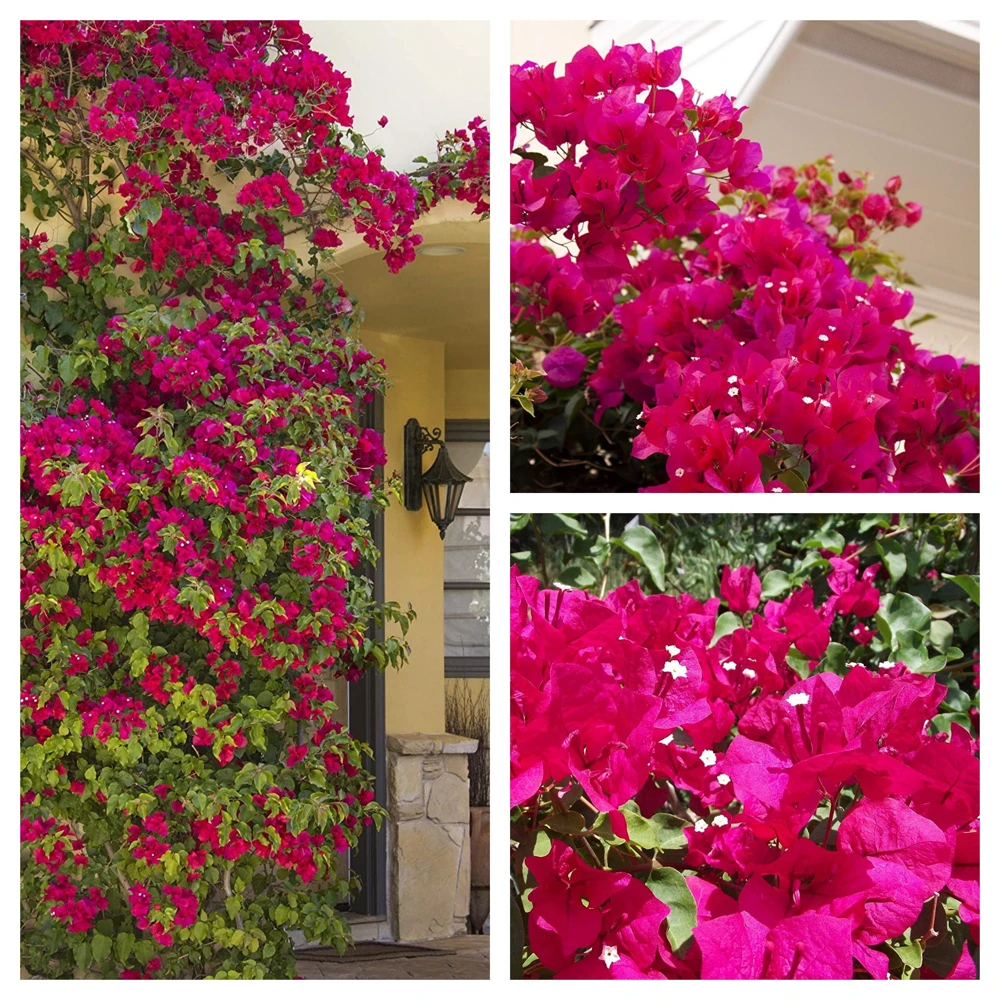
Bougainvillea Live Plant – Barbara Karst Starter Plants – 2 Pack – Bright Red Flowers – Outdoor
Flower Seeds
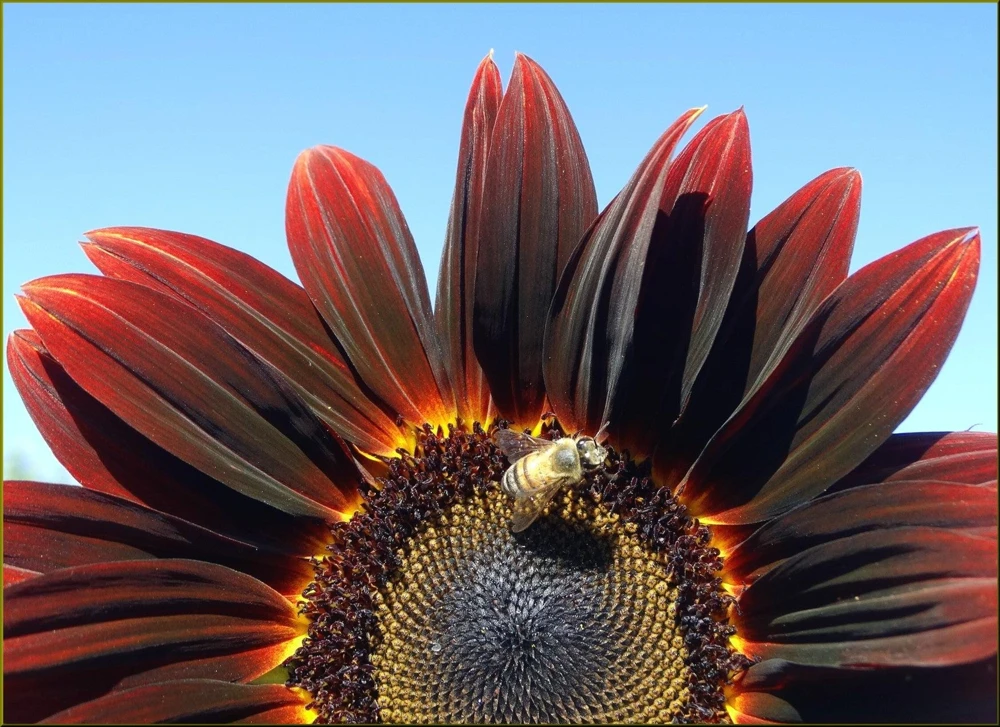
Chocolate Cherry Sunflower Seeds – 25 Helianthus Annuus Seeds, Red & Brown, 6-7′ Tall, Pollen-Free
Uncategorized
Flower Plants
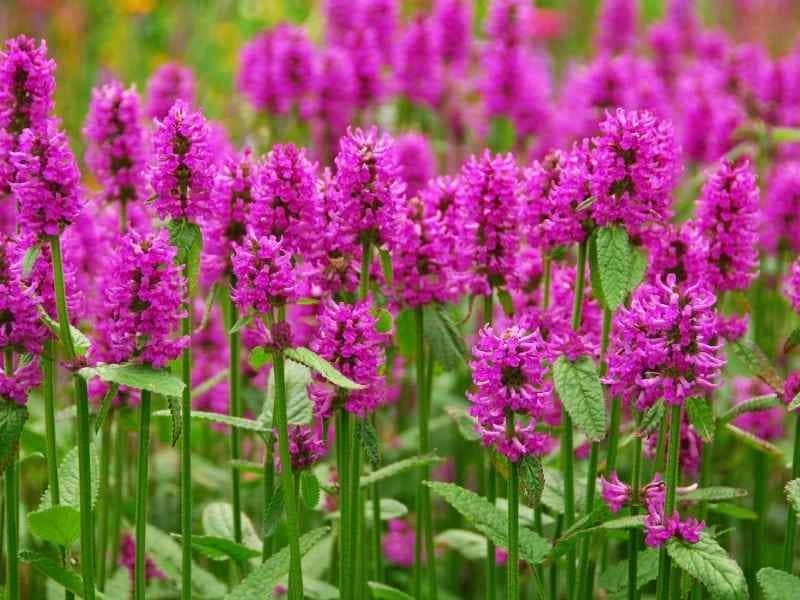
Agastache Tutti Frutti Live Plant – Raspberry Giant Hyssop Perennial – 1 Gallon Pot – Outdoor
Vegetable Seeds
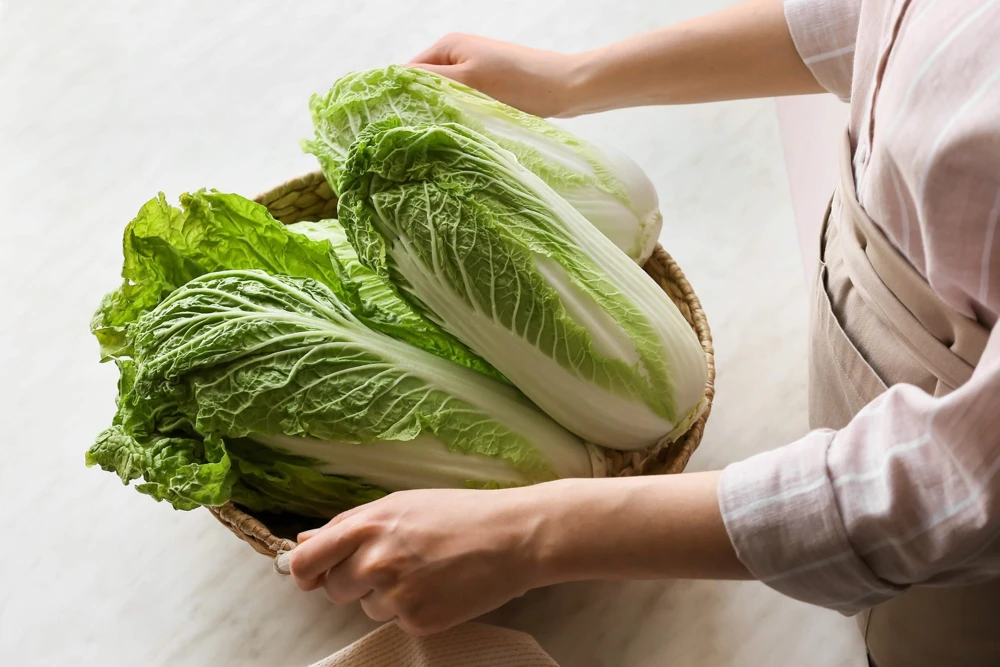
500 Michihili Cabbage Seeds – Chinese Chard, Bok Choy, Pak Choi
Reviews
There are no reviews yet.