

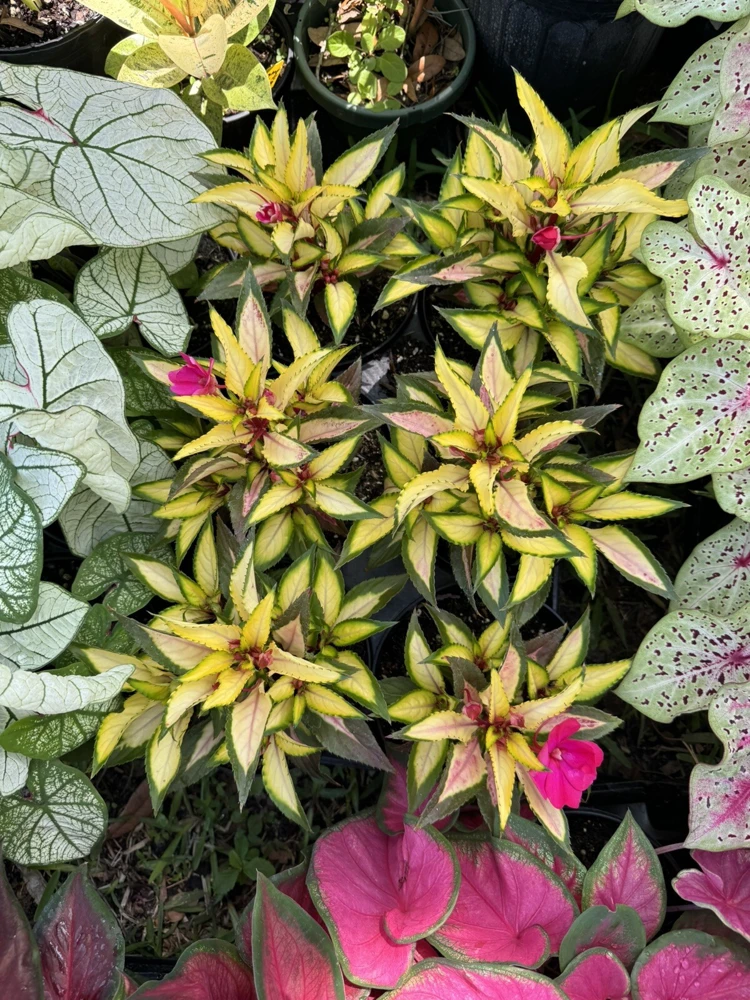
New Guinea Plant – Live Houseplant – Indoor Tropical Greenery
Original price was: $43.99.$23.99Current price is: $23.99.
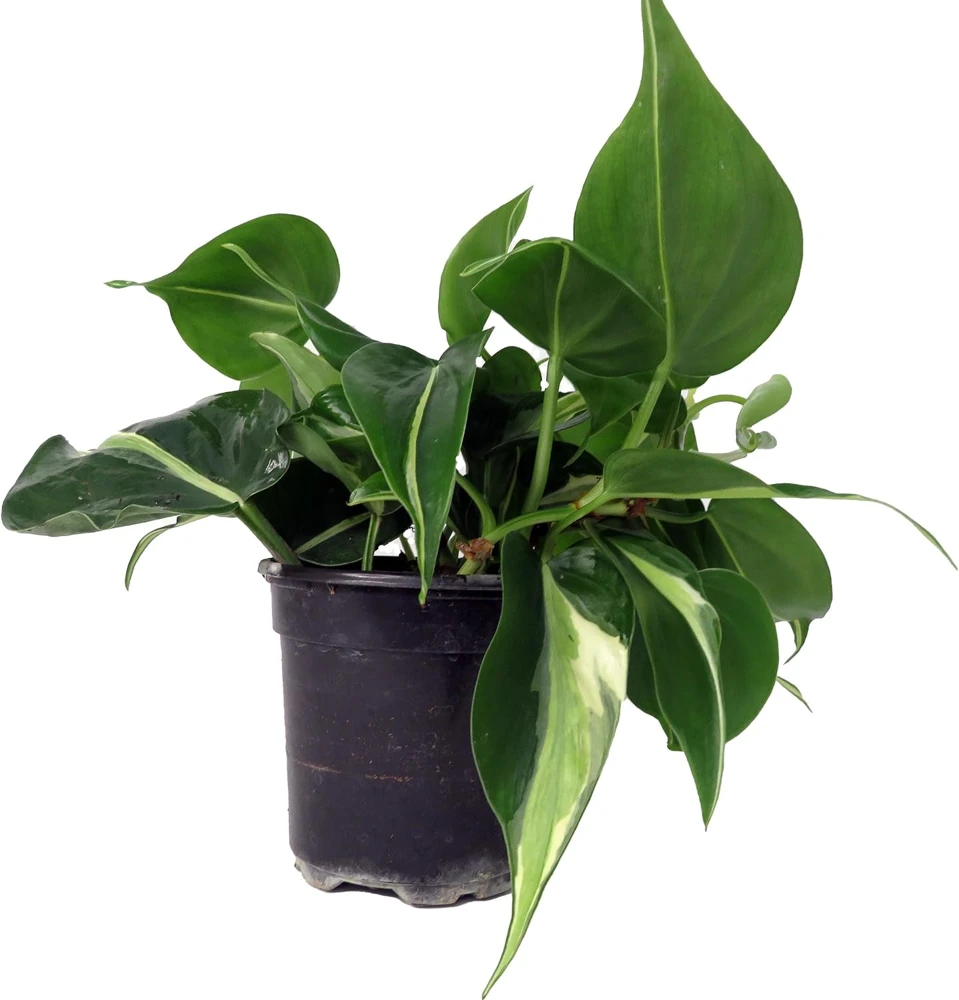
Bring a touch of the tropics indoors with the beautiful New Guinea Plant. This striking indoor tropical plant is celebrated for its lush, vibrant foliage, making it a perfect addition to any home or office space. Enjoy its captivating presence and relatively easy care houseplants requirements.
Estimated arrival
Oct 27
Nov 01 - Nov 03
Nov 06 - Nov 10
Shop With Confidence
30-Day Plant Health Guarantee
Arrives damaged? We’ll replace it free — see our return policy.
Responsive Support
Email us anytime, we reply within 1 business day.
Expert Packaging
Temperature-controlled shipping to protect your plants in transit.
Secure Checkout
Pay safely with Visa, Mastercard, PayPal.
Plant Specifications
-
USDA Hardiness Zone
USDA zones 10-11 (typically grown indoors) -
Soil Type
Well-draining potting mix -
Sunlight Exposure
Bright indirect light -
Expected Planting Period
Year-round indoors
Overview
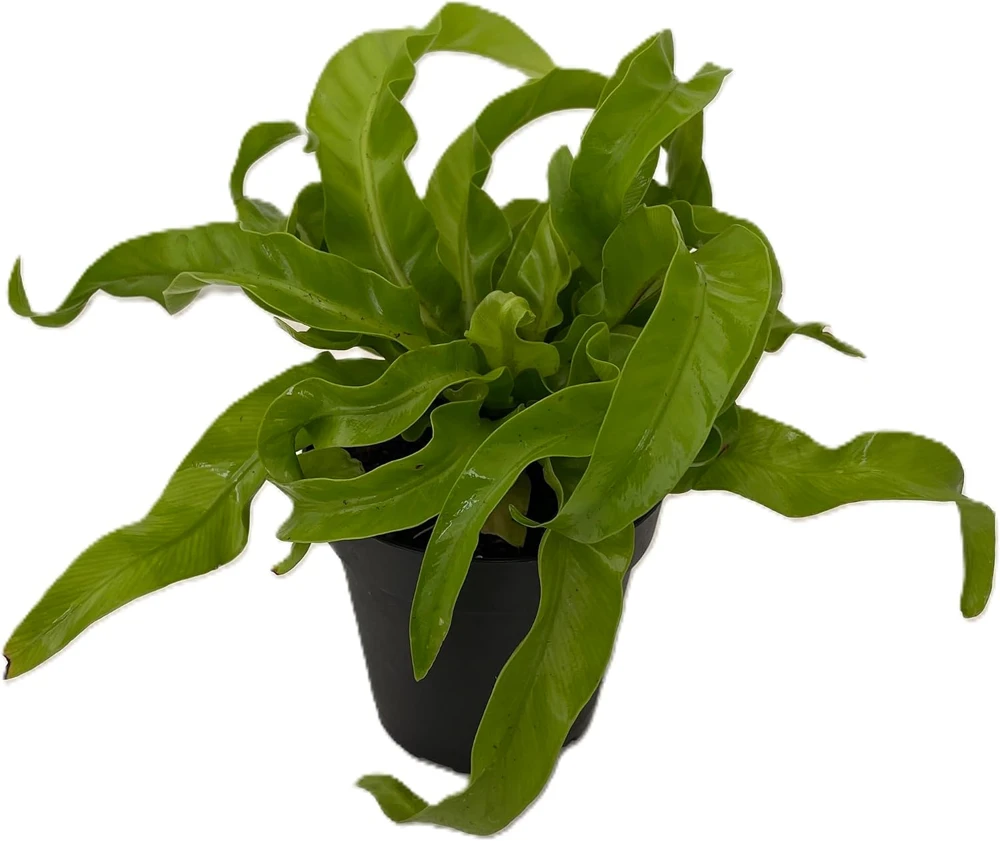
Introduce a splash of exotic beauty into your living space with the captivating New Guinea Plant. This stunning specimen is a highly sought-after indoor tropical plant, prized for its exceptionally vibrant and often variegated foliage. While commonly known as the New Guinea Plant, it’s a diverse group, often referring to species like certain Impatiens or other lush tropicals that thrive in indoor environments. Its rich green leaves, sometimes accented with various patterns or colors, create a dynamic visual appeal that can brighten any room.
The New Guinea Plant is an excellent choice for both novice and experienced plant enthusiasts looking to enhance their indoor garden. Its robust nature and striking appearance make it a focal point in any decor, offering a continuous display of natural elegance. Whether placed on a desk, shelf, or as part of a larger plant arrangement, this plant is sure to draw admiration and create a serene, green sanctuary within your home.
Embrace the joy of cultivating a piece of the tropics right where you live. This plant is not only beautiful but also contributes to a more lively and inviting atmosphere, making it a wonderful addition to your collection of vibrant indoor greenery.
Key Benefits
The New Guinea Plant offers numerous advantages, making it a fantastic choice for enhancing your indoor environment. Its beauty and resilience contribute to a healthier and more aesthetically pleasing home.
- Stunning Visual Appeal: The primary benefit of the New Guinea Plant is its captivating foliage. With its lush, often glossy green leaves and potential for colorful accents, it instantly elevates the visual appeal of any room, adding a touch of exotic elegance.
- Enhances Indoor Ambiance: Bringing natural elements like the indoor tropical plant into your home can significantly improve your mood and create a more relaxing and inviting atmosphere, contributing to overall well-being.
- Relatively Easy Care: Despite its exotic appearance, many varieties of the New Guinea Plant are known for being easy care houseplants. They generally adapt well to indoor conditions with consistent watering and appropriate light, making them suitable for busy individuals.
- Versatile Decor Piece: Its moderate size and attractive form allow the New Guinea Plant to fit seamlessly into various interior design styles, from modern minimalist to bohemian, adding a natural focal point wherever it’s placed.
- Year-Round Greenery: Unlike outdoor plants that might go dormant, the New Guinea Plant provides continuous vibrant indoor greenery throughout the year, ensuring your home always feels fresh and alive.
- Promotes Relaxation: The presence of living plants is known to reduce stress and promote a sense of calm. Caring for your New Guinea Plant can be a therapeutic activity, contributing to a more peaceful home environment.
- Air Purification: Like many houseplants, the New Guinea Plant can help improve indoor air quality by absorbing common toxins and releasing oxygen, contributing to a fresher and healthier living space.
Plant Care & Growing Tips
Caring for your New Guinea Plant is straightforward, ensuring it thrives and continues to display its beautiful New Guinea foliage. Understanding its basic needs for light, water, and soil will set you up for success.
Sunlight Requirements: The New Guinea Plant prefers bright, indirect light. Place it near a window where it can receive plenty of light without being exposed to harsh, direct afternoon sun, which can scorch its leaves. An east or north-facing window is often ideal. If you notice the leaves looking dull or leggy, it might need more light. Conversely, if the leaves appear faded or burnt, move it to a slightly shadier spot.
Watering and Soil: This indoor tropical plant enjoys consistently moist, but not waterlogged, soil. Water thoroughly when the top inch of soil feels dry to the touch. Ensure the pot has drainage holes to prevent root rot. Reduce watering slightly during the cooler, darker months. A good quality, well-draining potting mix is essential. A mix designed for tropical plants or houseplants, often containing peat moss, perlite, or vermiculite, will provide the aeration and moisture retention the New Guinea Plant needs.
Temperature and Humidity: The New Guinea Plant thrives in warm temperatures, ideally between 65-75°F (18-24°C). Avoid exposing it to temperatures below 55°F (13°C) as it is sensitive to cold. As a tropical plant, it appreciates high humidity. You can increase humidity by misting the leaves regularly, placing the pot on a pebble tray with water, or using a humidifier, especially in dry indoor environments. This helps maintain the lush appearance of its New Guinea foliage.
Fertilization and Pruning: During the growing season (spring and summer), feed your New Guinea Plant every 2-4 weeks with a balanced liquid fertilizer diluted to half strength. Reduce or stop fertilizing during fall and winter. Prune occasionally to maintain shape and encourage bushier growth. Pinch back leggy stems to promote new shoots. Regularly inspect your plant for pests like spider mites or mealybugs and treat them promptly with insecticidal soap if necessary, ensuring your easy care houseplants remain healthy.
Size & Details
The New Guinea Plant typically grows as a compact to medium-sized houseplant, making it suitable for various indoor settings. While exact dimensions can vary by species and growing conditions, most varieties reach an average height of 1-2 feet (30-60 cm) with a similar spread. It is usually shipped as a young, actively growing live plant, often in a nursery pot (e.g., 4-6 inches in diameter), ready to be acclimated to its new home. Its growth rate is generally moderate, allowing you to enjoy its development without it quickly outgrowing its space. With proper care, this vibrant indoor greenery can provide continuous beauty for many years, becoming a cherished part of your indoor garden.
Frequently Asked Questions
- Q: How big does this plant get? A: The New Guinea Plant typically grows to a height of 1 to 2 feet (30-60 cm) and can have a similar spread, making it a manageable size for most indoor spaces. Its compact nature makes it a great choice for various decor styles.
- Q: Is this an indoor or outdoor plant? A: While some varieties may tolerate outdoor conditions in very warm, humid climates, the New Guinea Plant is primarily cultivated as an indoor tropical plant in most regions. It thrives in controlled indoor environments where temperatures and humidity can be maintained.
- Q: How much sunlight does it need? A: This plant prefers bright, indirect light. Avoid direct afternoon sun, which can scorch its delicate New Guinea foliage. An east or north-facing window is usually ideal, providing ample light without harsh intensity.
- Q: Is this plant easy to care for? A: Yes, many varieties of the New Guinea Plant are considered easy care houseplants. They require consistent watering, bright indirect light, and moderate humidity, making them suitable for beginners who can provide these basic conditions.
- Q: What condition will it arrive in? A: Your New Guinea Plant will typically arrive as a live, healthy plant in a nursery pot, carefully packaged to ensure its safety during transit. It will be ready for you to acclimate to its new home and continue its growth.
- Q: How often should I water my New Guinea Plant? A: Water your New Guinea Plant when the top inch of soil feels dry to the touch. It prefers consistently moist, but not soggy, soil. Always ensure the pot has good drainage to prevent root rot, which is crucial for the health of this vibrant indoor greenery.
- Q: What kind of soil is best for the New Guinea Plant? A: A well-draining potting mix that retains some moisture is ideal. A mix formulated for tropical plants or general houseplants, often containing peat moss, perlite, or vermiculite, will provide the best growing environment.
- Q: Does the New Guinea Plant require high humidity? A: Yes, as a tropical plant, it appreciates high humidity. You can increase humidity by misting the leaves, placing the pot on a pebble tray with water, or using a room humidifier, especially during dry seasons or in heated homes.
- Q: Is the New Guinea Plant pet-safe? A: It’s always best to research the specific species if you have pets, as some Impatiens (often associated with New Guinea plants) can be mildly toxic if ingested. To be safe, keep plants out of reach of curious pets.
- Q: When is the best time to fertilize this plant? A: Fertilize your New Guinea Plant during its active growing season, typically spring and summer, every 2-4 weeks with a balanced liquid fertilizer diluted to half strength. Reduce or stop fertilization during fall and winter when growth slows.
Be the first to review “New Guinea Plant – Live Houseplant – Indoor Tropical Greenery”
People Also Viewed
Houseplants
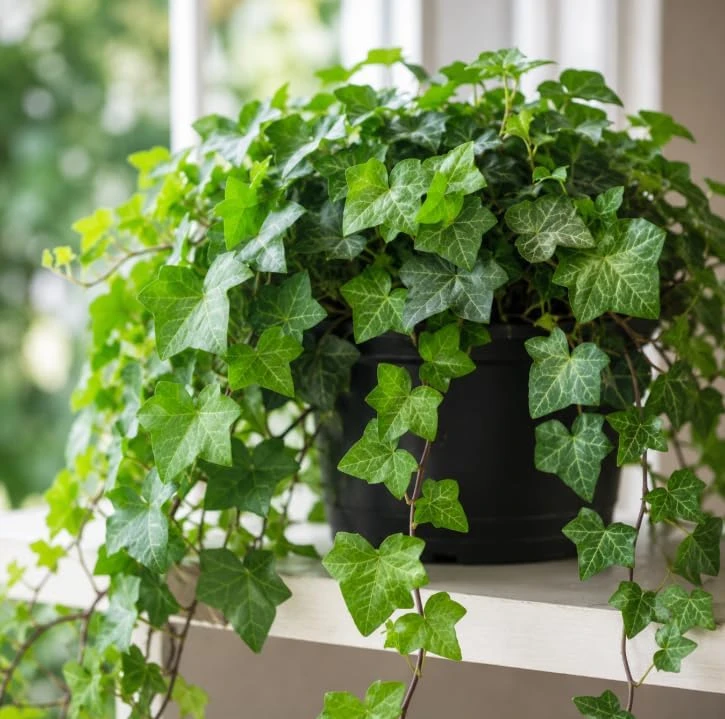
English Ivy Live Plant – 2 Plants, 3-5 Inches Tall in 4 Inch Pot – Indoor/Outdoor Trailing Vine


Shrubs
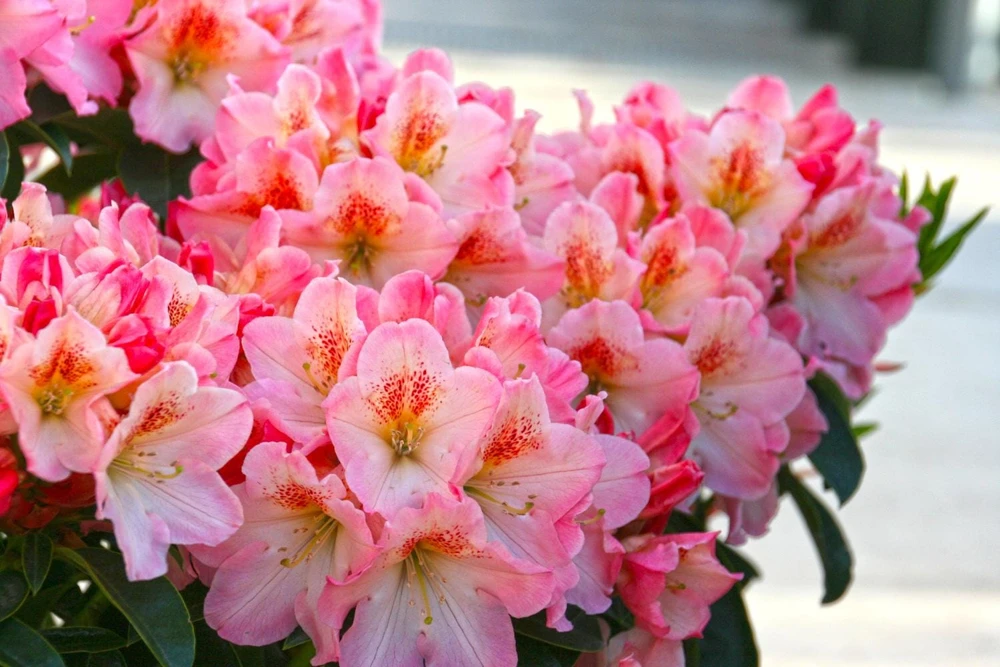
Rhododendron ‘Coral Mist’ Live Plant – Pink & Orange Blossoms – 3″ Wide Flowers – #2 Container
Reviews
There are no reviews yet.