
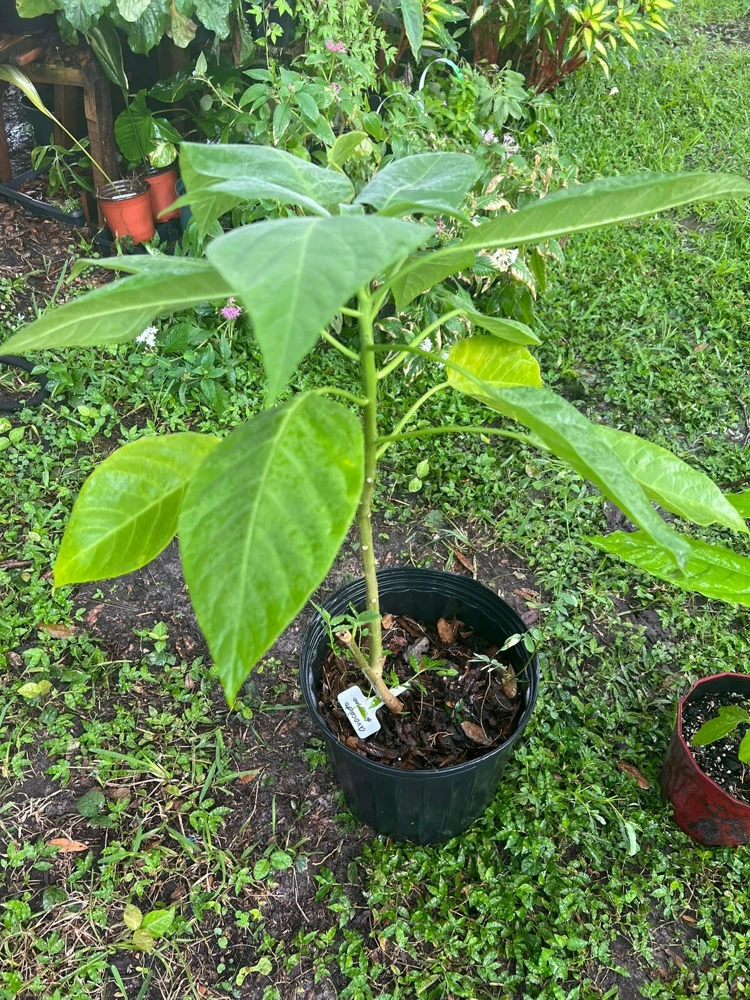
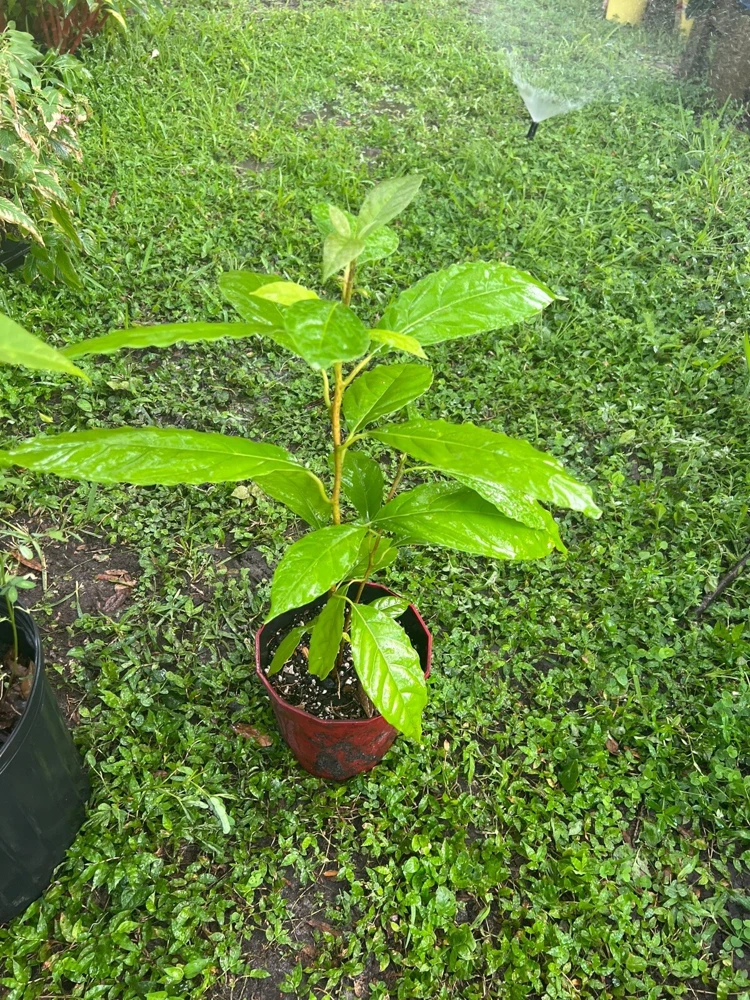
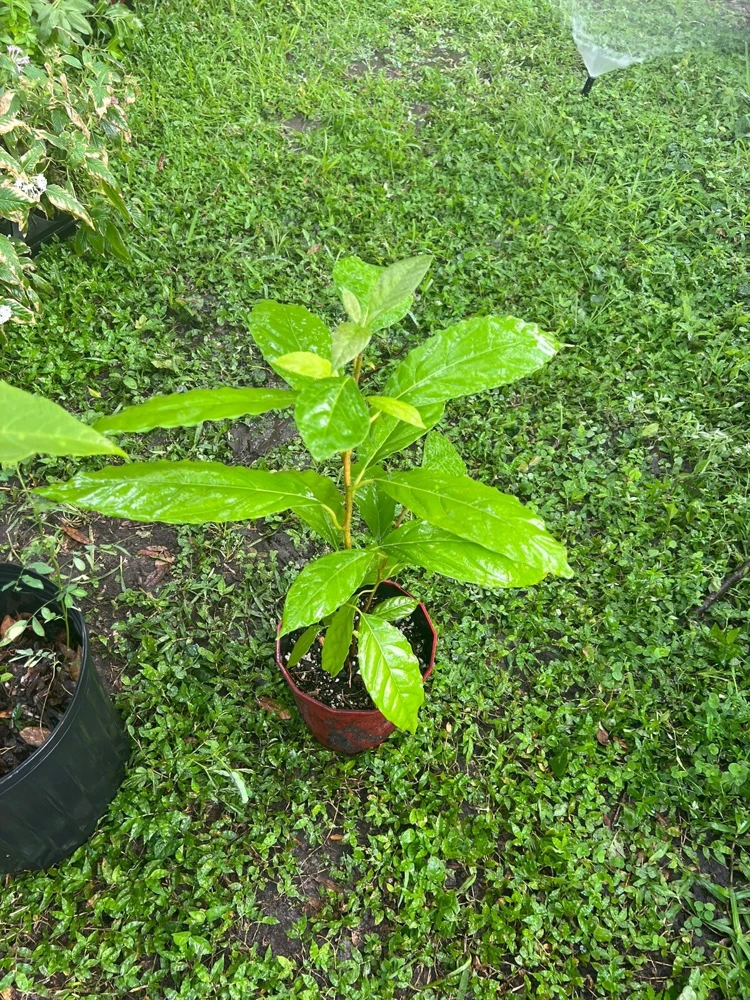
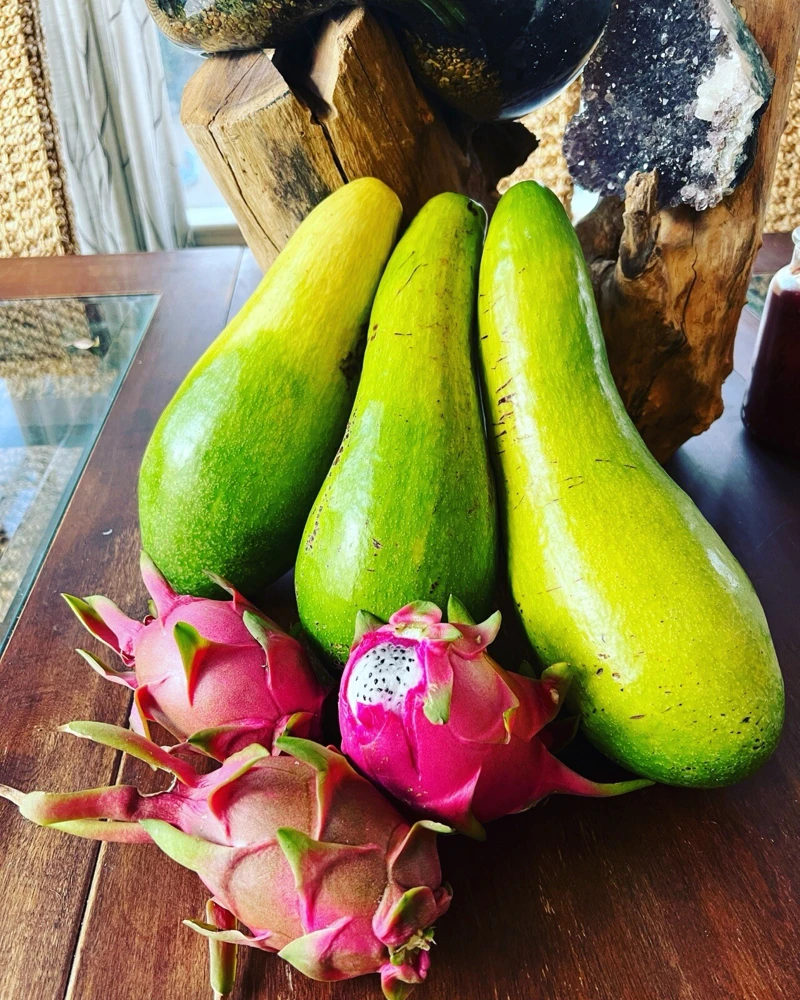
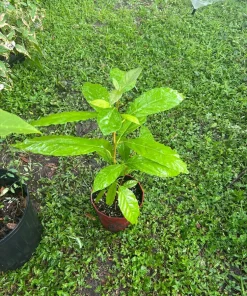
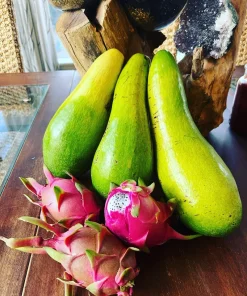
Long Neck Avocado Tree Live Plant – Self-Pollinating – Outdoor Fruit Tree
Original price was: $81.99.$61.99Current price is: $61.99.
Cultivate your own bounty with a long neck avocado tree. This exceptional variety is self pollinating avocado tree, simplifying the growing process for delicious, home-grown fruit. Perfect for adding a tropical touch to your outdoor garden.
Estimated arrival
Oct 27
Nov 01 - Nov 03
Nov 06 - Nov 10
Shop With Confidence
30-Day Plant Health Guarantee
Arrives damaged? We’ll replace it free — see our return policy.
Responsive Support
Email us anytime, we reply within 1 business day.
Expert Packaging
Temperature-controlled shipping to protect your plants in transit.
Secure Checkout
Pay safely with Visa, Mastercard, PayPal.
Plant Specifications
-
USDA Hardiness Zone
USDA Zones 9-11 -
Soil Type
Well-draining, sandy loam -
Sunlight Exposure
Full sun -
Expected Planting Period
Spring to early summer
Overview
Bring the joy of fresh, homegrown avocados to your garden with the remarkable long neck avocado tree. This robust and unique variety produces elongated, pear-shaped fruits known for their creamy texture and rich flavor. As a self pollinating avocado tree, it simplifies the cultivation process, meaning you don’t necessarily need a second tree for successful fruit production, though cross-pollination can often enhance yields. Ideal for home gardeners looking for a reliable and productive avocado plant, this live tree specimen is ready to thrive in suitable climates. Enjoy the satisfaction of harvesting your own delicious, nutrient-rich avocados right from your backyard, making it a fantastic addition to any edible landscape.
The ‘Long Neck’ variety is celebrated not only for its distinctive fruit shape but also for its vigorous growth and adaptability. It’s an excellent choice for those new to growing avocado tree or experienced gardeners seeking a unique and rewarding fruit tree. This particular avocado tree live plant offers a wonderful opportunity to cultivate a tropical staple, providing both ornamental beauty and a bountiful harvest. Prepare to transform your garden into a productive oasis with this impressive avocado specimen.
Key Benefits
Beyond the delicious fruit, the long neck avocado tree offers a multitude of advantages for the home gardener:
- Self-Pollinating Convenience: This variety is a self pollinating avocado tree, meaning it has both male and female flower parts that can fertilize each other. While having another avocado tree nearby can increase fruit set, this tree can produce fruit on its own, making it an excellent choice for smaller gardens or those with limited space.
- Unique & Delicious Fruit: Produces distinctive, elongated fruits with a rich, buttery flavor and smooth texture. These avocados are not only a culinary delight but also a conversation starter due to their unusual shape.
- Ornamental Appeal: With its lush, evergreen foliage, the avocado tree live plant adds a tropical and vibrant aesthetic to any garden or landscape. It provides shade and a beautiful backdrop, enhancing the overall appeal of your outdoor space.
- Homegrown Freshness: Enjoy the unparalleled taste and nutritional benefits of freshly picked avocados, free from pesticides and ripened naturally on the tree. This ensures maximum flavor and health benefits.
- Rewarding Gardening Experience: Watching your own avocado tree grow and produce fruit is an incredibly satisfying experience. It connects you with nature and provides a tangible reward for your gardening efforts.
- Sustainable Food Source: Cultivating your own fruit reduces reliance on store-bought produce, contributing to a more sustainable lifestyle and reducing your carbon footprint.
- Health Benefits: Avocados are packed with healthy fats, vitamins, and minerals, making them a superfood. Having them readily available encourages a healthier diet.
Plant Care & Growing Tips
Caring for your long neck avocado tree is a rewarding experience, leading to bountiful harvests with proper attention. These trees thrive in specific conditions that mimic their native tropical and subtropical environments. For optimal growth and fruit production, understanding these requirements is key. Remember, successful avocado plant care starts with the right foundation.
Sunlight Requirements: Your avocado tree live plant requires at least 6-8 hours of direct sunlight per day to flourish and produce fruit. Choose a location in your garden that receives full sun, ideally with some protection from harsh afternoon sun in extremely hot climates. While young trees can tolerate partial shade, mature trees need ample light. In cooler zones, planting against a south-facing wall can provide additional warmth and protection.
Watering Schedule & Soil Moisture Preferences: Avocados prefer consistently moist, but not waterlogged, soil. Water deeply and regularly, especially during dry periods and when the tree is young. Allow the top few inches of soil to dry out slightly between waterings. Overwatering can lead to root rot, so good drainage is crucial. Consider using a drip irrigation system for efficient and consistent watering.
Soil Type & Drainage Requirements: Well-draining soil is paramount for the health of your long neck avocado tree. They prefer slightly acidic to neutral soil (pH 6.0-7.0). A sandy loam enriched with organic matter is ideal. If your soil is heavy clay, amend it generously with compost, perlite, or coarse sand to improve drainage. Raised beds can also be an excellent solution for areas with poor drainage. Proper soil preparation is a critical step in growing avocado tree successfully.
Temperature Range & USDA Hardiness Zone: Avocado trees are sensitive to frost. They generally thrive in USDA Hardiness Zones 9-11. Young trees are particularly vulnerable to cold temperatures below 30°F (-1°C). In areas that experience occasional light frosts, consider protecting young trees with frost cloths or moving potted trees indoors during cold snaps. Established trees can tolerate brief dips in temperature but prefer a warm, consistent climate.
Fertilization Schedule & Type: Fertilize your avocado tree beginning in its second year. Use a balanced fertilizer specifically formulated for fruit trees or avocados, or one with a slightly higher nitrogen content for young trees. Apply fertilizer 3-4 times a year, typically in late winter, spring, and early summer. Follow package instructions for application rates. Micronutrients like zinc are also important, so look for a fertilizer that includes them. Regular feeding supports vigorous growth and fruit development, which is essential for proper avocado plant care.
Common Problems & Solutions: Watch out for common pests like avocado thrips, mites, and scale, and diseases such as root rot (often due to overwatering) and anthracnose. Regular inspection helps in early detection. Treat pests with horticultural oils or insecticidal soaps, and ensure good air circulation and proper watering to prevent fungal issues. Yellowing leaves can indicate nutrient deficiencies or watering problems. Addressing these issues promptly will ensure a healthy long neck avocado tree.
Size & Details
This long neck avocado tree is a live plant specimen, typically shipped in a nursery pot, ready for transplanting into your garden or a larger container. The exact size upon arrival may vary, but you can generally expect a young, healthy tree, usually between 1-3 feet tall, depending on the current growth cycle and availability. With proper care, these trees can grow to a mature height of 20-30 feet, though they can be kept smaller with regular pruning, making them suitable for various garden sizes. The growth rate is moderate, and you can expect your tree to begin bearing fruit within 3-5 years, with increasing yields as it matures. The distinctive fruits are elongated, often reaching 6-10 inches in length.
When you receive your avocado tree live plant, ensure it is promptly unwrapped and watered if the soil feels dry. Acclimate it to its new environment gradually before planting it in its final location. This careful transition will help the tree establish strong roots and ensure a successful start to your growing avocado tree journey. This variety is known for its robust nature, contributing to a reliable and delicious harvest for years to come.
Frequently Asked Questions
- Q: How big does this long neck avocado tree get? A: With proper care and growing conditions, a mature long neck avocado tree can reach heights of 20-30 feet. However, it can be maintained at a smaller, more manageable size through regular pruning, making it suitable for various garden spaces.
- Q: Is this an indoor or outdoor plant? A: The long neck avocado tree is primarily an outdoor plant, thriving in warm, subtropical to tropical climates (USDA Zones 9-11). While young trees can be grown in containers and brought indoors during cold weather, they generally need outdoor conditions for optimal growth and fruit production.
- Q: How much sunlight does it need? A: For the best growth and fruit yield, your avocado tree live plant requires at least 6-8 hours of direct sunlight per day. Choose a sunny location in your garden where it will receive ample light throughout the day.
- Q: Is this plant easy to care for? A: While avocado trees have specific requirements regarding sunlight, water, and soil, they are considered moderately easy to care for once established. The self-pollinating nature of this variety simplifies the fruiting process, making avocado plant care more straightforward.
- Q: What condition will it arrive in? A: Your avocado tree live plant will arrive carefully packaged in a nursery pot, ensuring its health and safety during transit. It will be a young, healthy specimen ready for planting and continued growth in your garden.
- Q: When is the best time to plant a long neck avocado tree? A: The best time to plant your long neck avocado tree is in the spring or early summer after the last threat of frost has passed. This allows the tree ample time to establish itself before cooler temperatures arrive.
- Q: Will it survive winter in my zone? A: This long neck avocado tree is suited for USDA Hardiness Zones 9-11. If you live in a zone colder than 9, you will need to provide significant winter protection or grow it in a container that can be moved indoors during cold periods to ensure its survival.
- Q: How long until it blooms and fruits? A: Typically, a young avocado tree live plant will begin to bloom and set fruit within 3-5 years after planting, though this can vary depending on growing conditions and care. As the tree matures, fruit production will increase.
- Q: What does it mean for an avocado tree live plant to be self-pollinating? A: A self pollinating avocado tree means it possesses both male and female flower parts that can fertilize each other. While it can produce fruit on its own, having another avocado tree (even of the same variety) nearby can often lead to a greater yield due.
- Q: What kind of soil is best for growing avocado tree? A: Avocados thrive in well-draining soil that is rich in organic matter. A sandy loam with a slightly acidic to neutral pH (6.0-7.0) is ideal. Ensure good drainage to prevent root rot, which is a common issue with improper soil.
Be the first to review “Long Neck Avocado Tree Live Plant – Self-Pollinating – Outdoor Fruit Tree”
People Also Viewed

Reviews
There are no reviews yet.