
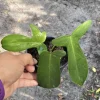
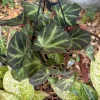
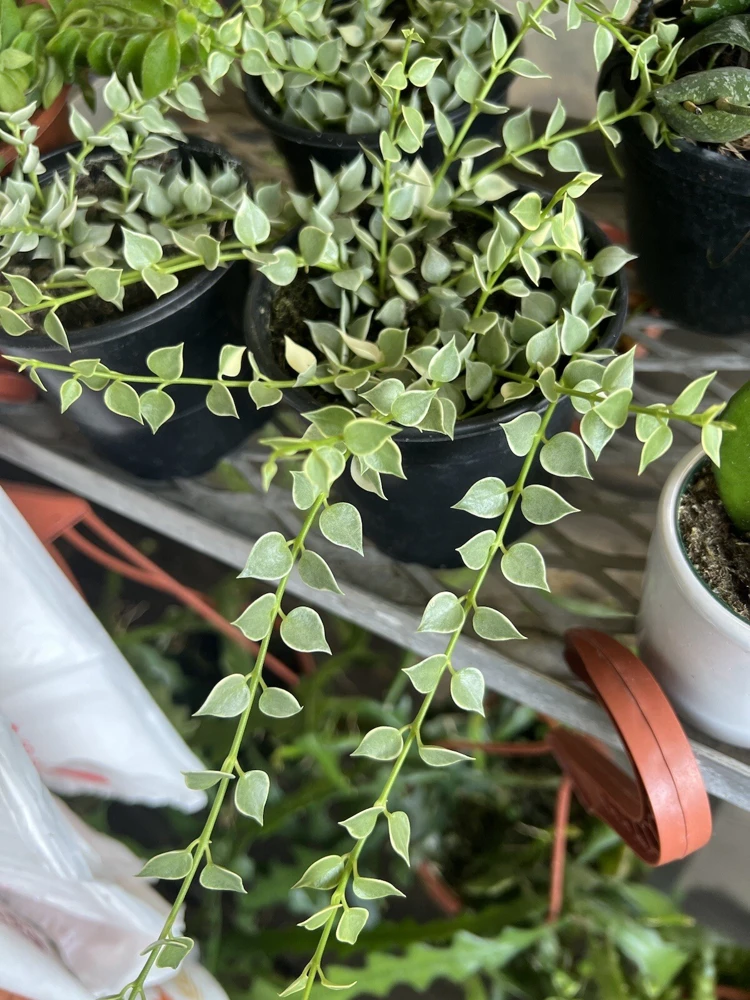
Dischidia Live Plant – Trailing Houseplant for Hanging Baskets – Easy Care
Original price was: $70.99.$50.99Current price is: $50.99.
Bring unique appeal to your home with a beautiful Dischidia live plant. Perfect for hanging baskets, this easy care houseplant offers attractive trailing foliage that thrives indoors.
- Ideal for bright, indirect light
- Low maintenance and adaptable
- Adds natural elegance to any room
Estimated arrival
Sep 14
Sep 19 - Sep 21
Sep 24 - Sep 28
Shop With Confidence
30-Day Plant Health Guarantee
Arrives damaged? We’ll replace it free — see our return policy.
Responsive Support
Email us anytime, we reply within 1 business day.
Expert Packaging
Temperature-controlled shipping to protect your plants in transit.
Secure Checkout
Pay safely with Visa, Mastercard, PayPal.
Plant Specifications
-
USDA Hardiness Zone
Year-round indoors -
Soil Type
Well-draining potting mix -
Sunlight Exposure
Bright indirect light -
Expected Planting Period
Year-round indoors
Overview
Introduce a touch of botanical elegance to your indoor sanctuary with this exquisite Dischidia live plant. Known for its unique foliage and charming growth habit, Dischidia species are popular choices for plant enthusiasts seeking something a little different. These epiphytic plants, often found growing on trees in their natural habitat, are perfectly suited for hanging baskets or terrariums, where their trailing vines can cascade gracefully. Our Dischidia live plant arrives ready to thrive, offering an immediate enhancement to your living space with its lush, vibrant presence. It’s an ideal specimen for both seasoned collectors and those new to the world of houseplants, promising beauty with relatively minimal fuss.
Dischidia plants are closely related to Hoyas and share many similar characteristics, including their succulent-like leaves and often unique growth patterns. They are celebrated for their ability to adapt well to indoor environments, making them a fantastic addition to any home or office. This particular Dischidia live plant will provide continuous visual interest, with its intricate leaves forming a dense, appealing display. Its natural resilience and striking appearance make it a stand-out choice among various hanging basket plants.
Key Benefits
Owning a Dischidia offers numerous advantages beyond its aesthetic appeal. These plants are not only beautiful but also contribute positively to your indoor environment and well-being. Here are some of the key benefits:
- Unique Ornamental Appeal: The distinctive foliage and trailing habit of the Dischidia live plant create a captivating display, making it a focal point in any room. Its natural elegance complements various decor styles, from modern minimalist to bohemian chic.
- Low Maintenance: This plant is an incredibly easy care houseplant, requiring minimal attention once its basic needs are met. It’s forgiving of occasional neglect, making it perfect for busy individuals or those new to plant parenthood.
- Air Purification: Like many houseplants, Dischidia contributes to improved indoor air quality by absorbing common pollutants and releasing fresh oxygen, fostering a healthier home environment.
- Versatile Display Options: Its trailing nature makes it an excellent choice for hanging baskets, elevated shelves, or even as a ground cover in larger terrariums, allowing for creative placement throughout your home.
- Compact Growth: While it trails, the Dischidia plant generally maintains a manageable size, making it suitable for smaller spaces or apartments where larger plants might be impractical.
- Pet-Friendly Potential: While always best to verify specific species, many Dischidia varieties are considered non-toxic to pets, offering peace of mind for pet owners.
- Drought Tolerance: Due to its semi-succulent nature, the Dischidia live plant can tolerate periods of dryness, reducing the frequency of watering and making it more resilient.
Plant Care & Growing Tips
Caring for your Dischidia live plant is straightforward, making it an excellent choice for both beginners and experienced plant enthusiasts. These plants thrive with consistent, but not demanding, care. Understanding their natural epiphytic tendencies helps in providing the best environment. The key to a happy Dischidia is balancing light, water, and humidity.
For sunlight, Dischidias prefer bright, indirect light. A spot near an east or west-facing window is often ideal, where they can receive gentle morning or afternoon sun. Avoid harsh, direct midday sun, which can scorch their delicate leaves. If your plant isn’t getting enough light, its growth may become leggy, and its vibrant color might fade. Conversely, too much direct sun can lead to leaf burn. As an easy care houseplant, it adapts well to typical indoor lighting conditions, but always aim for consistent, moderate brightness.
When it comes to watering, less is often more. Allow the top inch or two of the soil to dry out completely between waterings. Overwatering is a common killer for Dischidias, leading to root rot. Water thoroughly until it drains from the bottom, then ensure no standing water remains in the saucer. During winter months, reduce watering frequency as the plant’s growth slows. Dischidias appreciate higher humidity, so consider misting the foliage regularly, especially in dry indoor environments, or placing it near a humidifier. A well-draining potting mix, ideally one formulated for orchids or succulents, is crucial to prevent waterlogging. While generally resilient, keeping an eye out for common pests like mealybugs or spider mites and treating them promptly will ensure your trailing indoor plant remains healthy. Fertilize sparingly during the growing season (spring and summer) with a diluted, balanced liquid fertilizer.
Size & Details
This Dischidia live plant is typically shipped as a well-rooted specimen, ready to be placed in its new home. It will arrive as a young, actively growing plant, perfectly sized for immediate integration into a hanging basket or on a shelf where its trailing vines can begin to develop. While specific dimensions can vary slightly based on individual plant growth, you can generally expect a compact starter plant that will quickly establish itself. Dischidias are known for their moderate growth rate, gradually extending their vines to create a lush, full appearance over time. The plant is grown in a nursery pot, ensuring it has a healthy root system for a smooth transition. Expect the foliage to grow several inches per year, with mature plants capable of producing vines that trail a foot or more, creating a stunning natural curtain. This particular variety is selected for its robust health and appealing aesthetic, making it an excellent addition for anyone looking for beautiful hanging basket plants.
Frequently Asked Questions
- Q: How big does this Dischidia live plant get? A: This Dischidia live plant typically arrives as a compact starter plant. Its trailing vines can eventually reach lengths of 1 to 2 feet or more, creating a beautiful cascading effect, especially when grown as a trailing indoor plant.
- Q: Is this an indoor or outdoor plant? A: Dischidia plants are primarily grown as indoor houseplants due to their preference for stable temperatures and indirect light. They can be placed outdoors in warm, humid, and shaded conditions during summer in suitable climates, but should be brought inside before temperatures drop.
- Q: How much sunlight does it need? A: Your Dischidia live plant thrives in bright, indirect light. Avoid direct, harsh sunlight which can scorch its leaves. An east or west-facing window is usually ideal, providing gentle morning or afternoon sun.
- Q: Is this plant easy to care for? A: Yes, Dischidias are considered an easy care houseplant, making them suitable for beginners. They are relatively low maintenance, requiring moderate watering and bright indirect light.
- Q: What condition will it arrive in? A: Your Dischidia live plant will arrive as a healthy, well-rooted specimen in a nursery pot, carefully packaged to ensure its safe journey. It will be ready to be placed in its new permanent container or hanging basket.
- Q: How often should I water my Dischidia? A: Water your Dischidia live plant when the top 1-2 inches of soil feel dry to the touch. It’s better to underwater than overwater, as they are susceptible to root rot. Reduce watering in cooler months.
- Q: What type of soil is best for Dischidia? A: A well-draining potting mix is crucial for Dischidia. Many growers use a mix similar to what’s used for orchids or succulents, which often includes bark, perlite, and peat moss to ensure proper aeration and drainage.
- Q: Is the Dischidia plant pet-safe? A: While many Dischidia species are generally considered non-toxic to pets, it’s always recommended to keep plants out of reach of curious animals. If you have concerns, consult a veterinarian or a reliable plant toxicity resource.
- Q: Can I grow this in a terrarium? A: Yes, the Dischidia live plant is an excellent choice for terrariums, especially those with higher humidity. Its trailing habit and compact root system allow it to thrive in enclosed environments.
- Q: What is the best way to display this plant? A: This plant is perfect for displaying in hanging baskets, on shelves where its foliage can trail downwards, or even mounted on wood like an epiphyte. Its unique form makes it a versatile choice among hanging basket plants.
Be the first to review “Dischidia Live Plant – Trailing Houseplant for Hanging Baskets – Easy Care”
People Also Viewed

Flowers
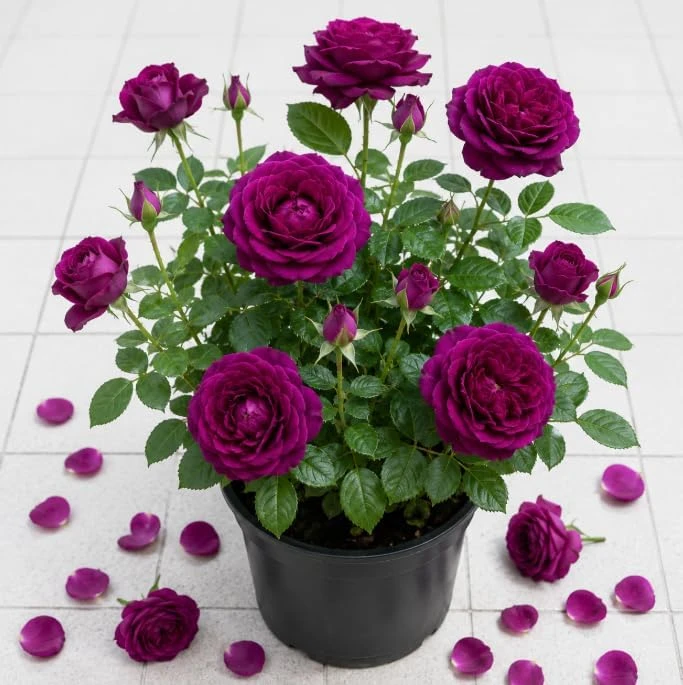
Deep Purple Rose Plant Live for Planting – Fragrant Floribunda Bush 4-6 Inch Tall Outdoor Garden
Uncategorized
Reviews
There are no reviews yet.