
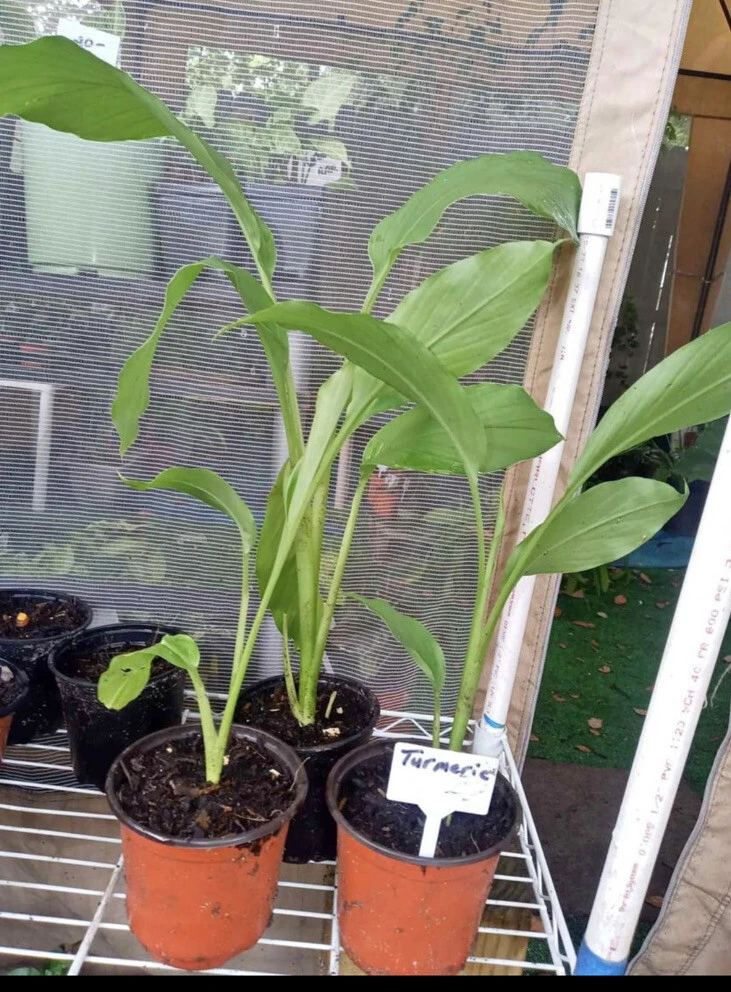
Turmeric Live Plant – Curcuma Longa – Potted Herb for Culinary & Health Benefits
Original price was: $60.99.$40.99Current price is: $40.99.
Bring the vibrant flavor and health benefits of turmeric live plant into your home. This potted Curcuma longa is ready to thrive, offering fresh rhizomes for culinary use and traditional remedies. Easy to grow indoors or out in warm climates.
Estimated arrival
Oct 27
Nov 01 - Nov 03
Nov 06 - Nov 10
Shop With Confidence
30-Day Plant Health Guarantee
Arrives damaged? We’ll replace it free — see our return policy.
Responsive Support
Email us anytime, we reply within 1 business day.
Expert Packaging
Temperature-controlled shipping to protect your plants in transit.
Secure Checkout
Pay safely with Visa, Mastercard, PayPal.
Plant Specifications
-
USDA Hardiness Zone
USDA zones 9-11 (outdoors) or indoors year-round -
Soil Type
Rich, well-draining potting mix -
Sunlight Exposure
Partial shade to full sun (indoors: bright, indirect light) -
Expected Planting Period
Year-round indoors; Spring to early summer outdoors
Overview
Experience the joy of growing your own spices with a vibrant turmeric live plant. This beautiful and beneficial Curcuma longa specimen arrives potted and ready to flourish, whether you’re an experienced gardener or just starting out. Known for its distinctive golden-orange rhizomes, turmeric is a staple in many cuisines worldwide and cherished for its potential health-promoting properties. Our turmeric live plant offers an accessible way to cultivate this incredible herb at home, providing a continuous supply of fresh turmeric root for your kitchen and well-being. Imagine harvesting your own pungent, earthy turmeric, far superior in flavor and freshness to dried powders. This robust plant will not only enhance your culinary adventures but also add an exotic touch to your indoor or outdoor garden space.
The curcuma longa plant is a tropical perennial herb belonging to the ginger family (Zingiberaceae). It is primarily cultivated for its underground rhizomes, which are harvested, boiled, dried, and ground into the familiar yellow powder. However, growing it fresh allows you to enjoy its milder, more nuanced flavor and the full spectrum of its beneficial compounds. This particular offering is a healthy, established plant, ensuring a strong start for your home cultivation project. It’s a wonderful choice for anyone interested in edible gardening, herbal remedies, or simply adding a unique and attractive plant to their collection.
Key Benefits
Cultivating a turmeric live plant at home comes with a multitude of advantages, from culinary delight to potential wellness support. It’s an investment in your kitchen and your health, providing a fresh, organic source of this powerful root.
- Fresh Culinary Ingredient: Enjoy the superior taste and aroma of freshly harvested turmeric root in your cooking. It’s perfect for curries, soups, stews, golden milk, and teas, offering a more vibrant and complex flavor profile than dried turmeric powder.
- Potential Health Benefits: Turmeric is renowned for its active compound, curcumin, which is studied for its antioxidant and anti-inflammatory properties. Growing your own ensures you have access to this potent herb for traditional uses.
- Attractive Tropical Foliage: Beyond its roots, the curcuma longa plant features lush, broad green leaves that add a beautiful tropical aesthetic to any indoor or outdoor setting. Some varieties even produce lovely flower spikes.
- Easy to Grow: With the right conditions, turmeric plants are surprisingly easy to care for, making them suitable for gardeners of all experience levels. They thrive in warm, humid environments and are forgiving if given consistent moisture.
- Sustainable & Organic Source: By growing your own fresh turmeric root, you have complete control over its cultivation, ensuring it’s free from pesticides and chemicals, and always available fresh from your garden.
- Educational Experience: It’s a fantastic plant for teaching children and adults about where food comes from and the process of growing spices.
- Versatile Growing Options: This potted turmeric plant care is adaptable to various environments, thriving in containers indoors or as a garden plant in suitable climates.
Plant Care & Growing Tips
Caring for your turmeric live plant is straightforward, especially if you can mimic its native tropical environment. Consistent warmth and moisture are key to a thriving plant and a bountiful harvest of fresh turmeric root.
Sunlight Requirements: Turmeric plants prefer partial shade to full sun. If growing indoors, place your potted plant in a location that receives at least 4-6 hours of bright, indirect sunlight daily. A south or west-facing window is often ideal. Outdoors, choose a spot that gets morning sun and afternoon shade, especially in hotter climates, to protect the leaves from scorching. Too much direct, intense sun can burn the foliage, while too little can result in smaller rhizomes.
Watering Schedule and Soil Moisture: Turmeric thrives in consistently moist, but not waterlogged, soil. Water thoroughly when the top inch of soil feels dry to the touch. During warmer months and active growth, this might mean watering every 2-3 days. Reduce watering in cooler months or if the plant goes dormant. Good drainage is crucial to prevent root rot. Ensure your pot has drainage holes.
Soil Type and Drainage: A rich, well-draining potting mix is essential. A blend of compost, peat moss, and perlite or sand works well. The ideal soil pH is slightly acidic to neutral (6.0-7.0). Good drainage is paramount; soggy soil will quickly lead to problems. When considering how to grow turmeric at home, remember that fertile soil will yield the best rhizomes.
Temperature Range and USDA Hardiness Zone: Turmeric is a tropical plant and prefers warm temperatures, ideally between 68°F and 86°F (20°C and 30°C). It is sensitive to cold and will not tolerate frost. In USDA Zones 8 and below, it should be grown in containers and brought indoors before the first frost. In warmer climates (USDA Zones 9-11), it can be grown outdoors year-round. This makes potted turmeric plant care an excellent option for most regions.
Fertilization Schedule: Feed your curcuma longa plant every 2-4 weeks during its active growing season (spring through fall) with a balanced liquid fertilizer. A fertilizer rich in potassium can promote rhizome development. Reduce or stop fertilizing during dormancy. Organic compost or worm castings can also be incorporated into the soil for a natural nutrient boost.
Common Problems and Solutions: The most common issues are related to improper watering. Overwatering can lead to root rot, characterized by yellowing leaves and a soft stem base. Underwatering can cause leaves to wilt and turn brown. Pests are generally not a major issue, but watch out for spider mites or mealybugs, especially indoors. Treat with insecticidal soap if necessary. Ensure your growing environment provides adequate humidity, especially indoors, by misting regularly or using a pebble tray.
Size & Details
This offering is for one healthy turmeric live plant, typically shipped in a nursery pot (size may vary, but commonly 4-6 inches in diameter) to ensure a strong start. The plant height will vary based on maturity, usually ranging from 6 to 12 inches tall upon arrival, with lush green foliage. Turmeric has a moderate growth rate, and under ideal conditions, it can reach heights of 3 to 4 feet with a similar spread when mature. The rhizomes develop underground, swelling over several months.
Your turmeric live plant is a tropical perennial. It will grow actively during warm months and may go dormant in cooler temperatures, appearing to die back to the ground. This is normal; new shoots will emerge when conditions are favorable again. Harvesting of fresh turmeric root typically occurs 8-10 months after planting, once the foliage begins to yellow and die back. You can harvest some rhizomes while leaving others to continue growing, allowing for a continuous supply. This plant is shipped as a well-rooted, established specimen, ready to be transplanted into a larger pot or your garden bed.
Frequently Asked Questions
- Q: How big does this turmeric live plant get? A: While it arrives in a smaller size, a mature turmeric plant can grow up to 3-4 feet tall and wide under optimal conditions. Its rhizomes will spread underground as it matures.
- Q: Is this an indoor or outdoor plant? A: The curcuma longa plant can be grown both indoors and outdoors. It thrives outdoors in warm, frost-free climates (USDA Zones 9-11) and can be grown indoors as a houseplant in cooler regions, especially when given bright, indirect light.
- Q: How much sunlight does it need? A: Turmeric prefers partial shade to full sun. Indoors, aim for 4-6 hours of bright, indirect light. Outdoors, a spot with morning sun and afternoon shade is ideal to prevent leaf scorch.
- Q: Is this plant easy to care for? A: Yes, with consistent warmth, moisture, and well-draining soil, the turmeric live plant is relatively easy to care for. It’s a great option for beginners looking to grow turmeric at home.
- Q: What condition will it arrive in? A: Your turmeric plant will arrive as a healthy, established plant, typically in a nursery pot with soil, carefully packaged to ensure its safe journey to your home.
- Q: Can I use fresh turmeric root in cooking? A: Absolutely! The primary reason to grow your own turmeric is for the superior flavor and freshness of the raw rhizomes. They can be grated, sliced, or juiced for curries, teas, smoothies, and more.
- Q: When is the best time to plant or repot this potted turmeric plant care? A: The best time to plant or repot is in spring or early summer when temperatures are consistently warm and the plant is actively growing. This gives it ample time to establish before cooler weather.
- Q: How long until I can harvest the fresh turmeric root? A: Turmeric rhizomes typically take 8-10 months to mature for harvesting. You’ll know they’re ready when the plant’s foliage starts to yellow and die back naturally.
- Q: What kind of soil is best for a curcuma longa plant? A: A rich, well-draining potting mix is best. Incorporate compost or other organic matter to provide nutrients and ensure good drainage to prevent waterlogging.
- Q: Will it survive winter in my zone? A: If you live in USDA Zones 9-11, it can survive winter outdoors. In colder zones, you’ll need to bring your turmeric live plant indoors before the first frost, or treat it as an annual.
Be the first to review “Turmeric Live Plant – Curcuma Longa – Potted Herb for Culinary & Health Benefits”
People Also Viewed
Reviews
There are no reviews yet.