
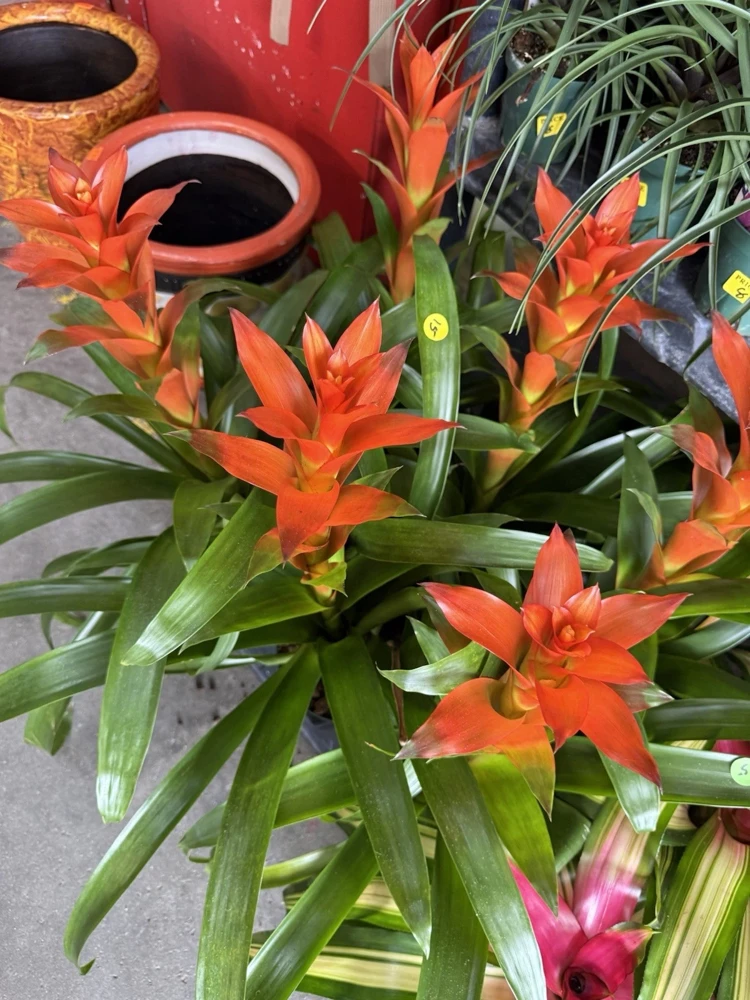
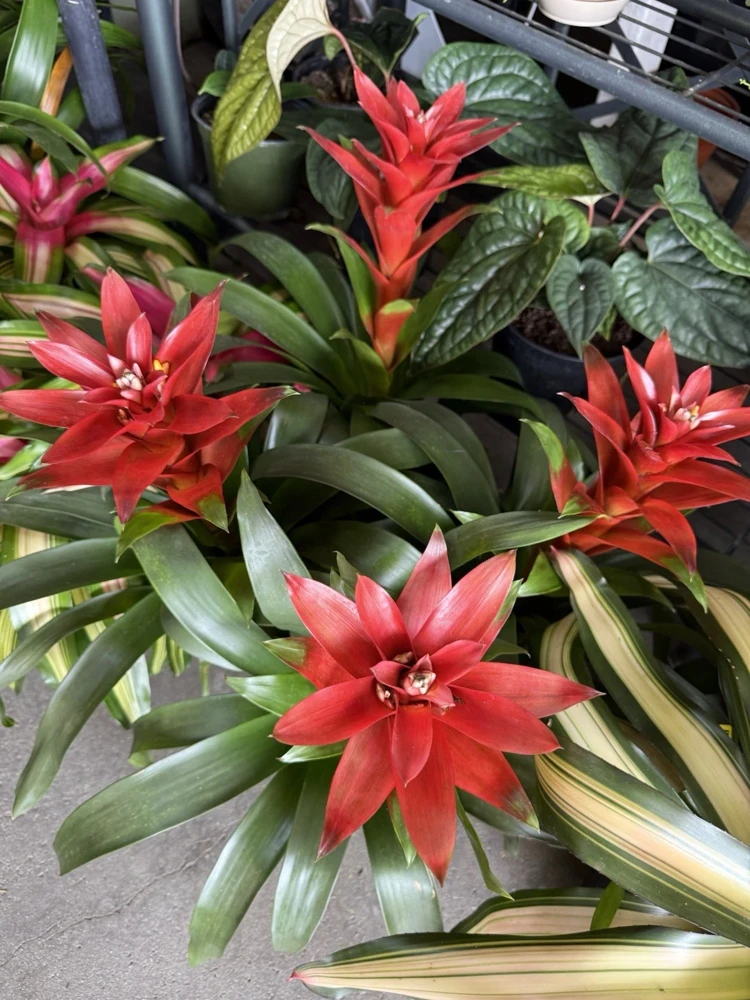
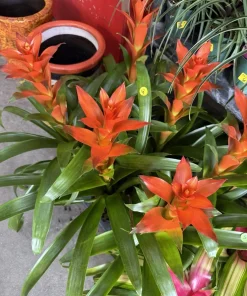
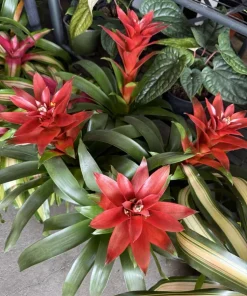
Bromeliad Live Plant – Vibrant Tropical Houseplant for Indoor Decor
Original price was: $60.99.$40.99Current price is: $40.99.
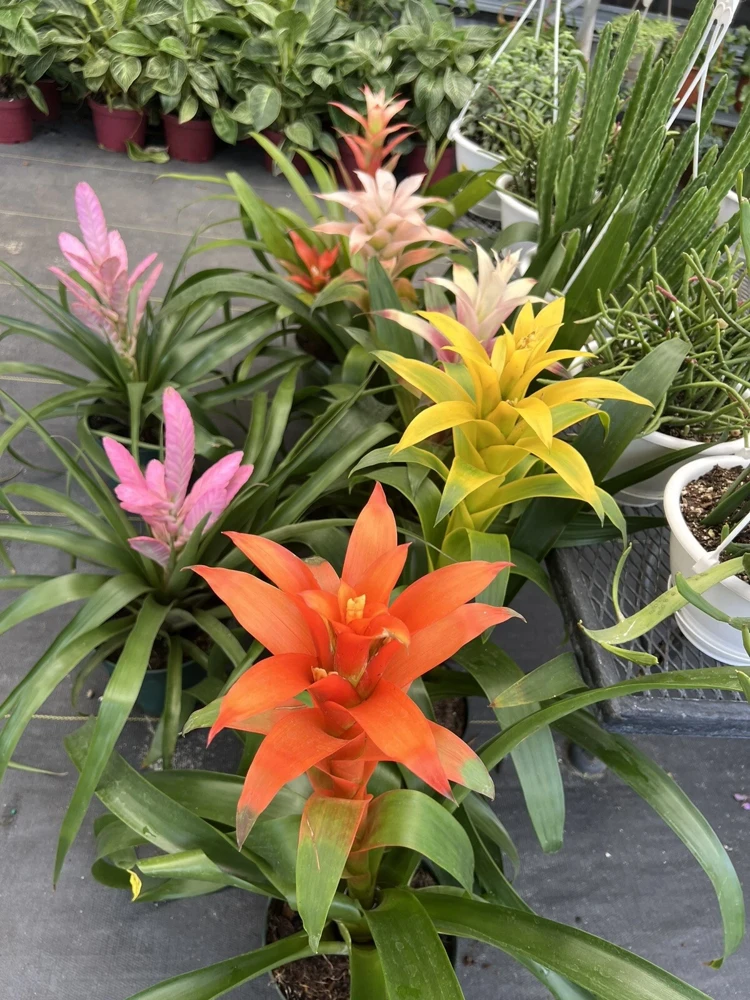
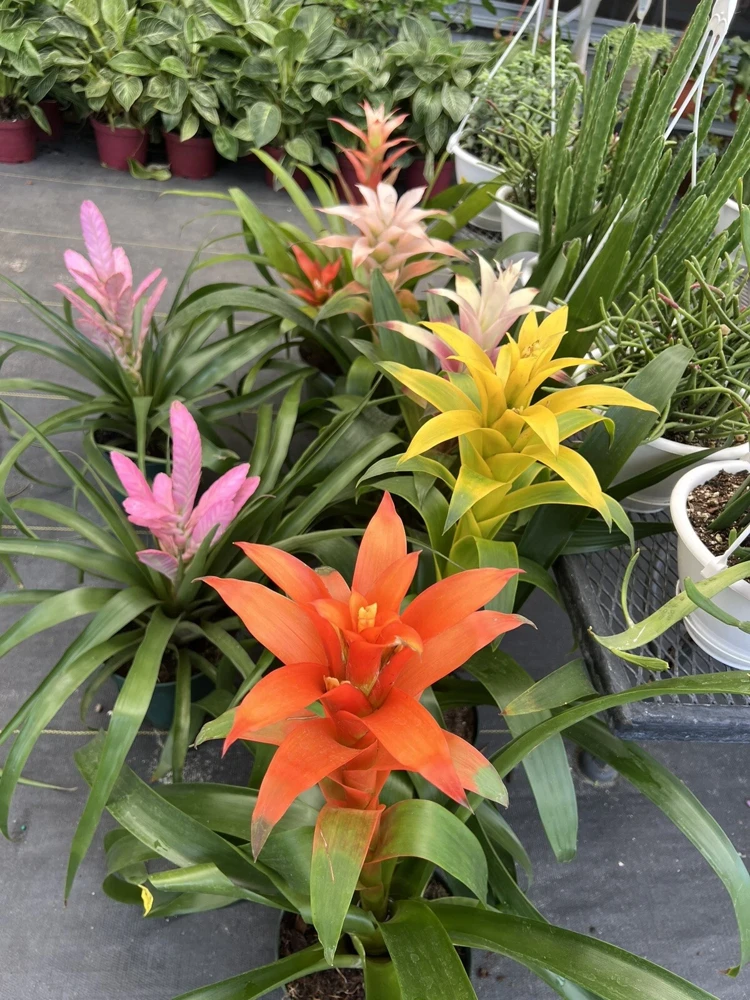
Bring a touch of the tropics into your home with a stunning bromelia live plant. These vibrant tropical houseplants are renowned for their striking foliage and colorful, long-lasting blooms. Easy to care for and perfect for adding exotic beauty to any indoor setting.
Estimated arrival
Sep 12
Sep 17 - Sep 19
Sep 22 - Sep 26
Shop With Confidence
30-Day Plant Health Guarantee
Arrives damaged? We’ll replace it free — see our return policy.
Responsive Support
Email us anytime, we reply within 1 business day.
Expert Packaging
Temperature-controlled shipping to protect your plants in transit.
Secure Checkout
Pay safely with Visa, Mastercard, PayPal.
Plant Specifications
-
USDA Hardiness Zone
USDA zones 9-11 (outdoors); Year-round indoors -
Soil Type
Well-draining potting mix (e.g., orchid mix) -
Sunlight Exposure
Bright indirect light -
Expected Planting Period
Year-round indoors
Overview
Introduce a splash of vibrant color and exotic appeal to your living space with a beautiful bromelia live plant. These captivating plants, commonly known as Bromeliads, are members of the Bromeliaceae family and are native to tropical and subtropical regions of the Americas. Renowned for their unique rosette-forming foliage and spectacular, long-lasting floral spikes, Bromeliads are a fantastic choice for both novice and experienced plant enthusiasts. Our bromelia live plant arrives healthy and ready to thrive, transforming your home or office into a lush, tropical oasis. They are celebrated for their architectural beauty and their ability to bring a sense of the rainforest indoors, making them perfect tropical houseplants for any decor style.
Bromeliads are epiphytic plants in their natural habitat, meaning they grow on other plants (like trees) for support rather than in soil, absorbing water and nutrients through their leaves. While some varieties can be planted in soil, many are well-suited for mounting or growing in free-draining mediums. The central cup, or ‘tank’, formed by their tight leaf rosettes, collects water and nutrients, serving as a mini ecosystem. This distinctive feature, coupled with their often brilliant and varied coloration, makes them a truly remarkable addition to any plant collection. Understanding proper bromeliad plant care is key to enjoying these stunning specimens for many months.
Key Benefits
Investing in a bromelia live plant offers a multitude of benefits beyond just its aesthetic appeal. These plants are not only beautiful but also surprisingly resilient and rewarding to grow. They contribute positively to your indoor environment and overall well-being:
- Stunning Visual Appeal: Bromeliads boast incredibly vibrant and diverse colors, with many varieties featuring striking patterns and textures on their leaves and bracts. Their unique inflorescences can last for several months, providing continuous visual interest and a focal point in any room.
- Low Maintenance: Despite their exotic appearance, bromelia live plant varieties are generally easy to care for, making them an excellent choice for busy individuals or those new to gardening. They require less frequent watering than many other houseplants and are tolerant of a range of indoor conditions.
- Air Purification: Like many houseplants, Bromeliads contribute to a healthier indoor environment by filtering toxins from the air, helping to improve air quality and create a fresher atmosphere in your home or office.
- Unique Structure: The rosette formation and the central ‘tank’ that collects water are distinctive features that set Bromeliads apart. This unique structure not only serves a biological function but also adds an intriguing architectural element to your plant display.
- Long-Lasting Blooms: Unlike many flowering plants whose blooms fade quickly, Bromeliad inflorescences are remarkably long-lasting, often staying vibrant for several months. This ensures extended enjoyment of their exotic beauty.
- Versatility in Decor: Whether placed on a desk, shelf, or as part of a larger plant arrangement, Bromeliads fit seamlessly into various interior design styles. Their compact size and striking appearance make them ideal for adding a tropical touch anywhere.
- Great for Gifting: Due to their beauty, ease of care, and longevity, a bromelia live plant makes a thoughtful and impressive gift for any occasion, suitable for both experienced gardeners and those just starting their plant journey.
Plant Care & Growing Tips
Proper bromeliad plant care is straightforward, ensuring your plant remains healthy and vibrant for a long time. These resilient tropical houseplants thrive with a few specific considerations. For sunlight, Bromeliads prefer bright, indirect light. Avoid direct, harsh sunlight, especially during the hottest parts of the day, as this can scorch their leaves. An east or west-facing window is often ideal, or a north-facing window with ample ambient light. If you are looking to grow bromeliad indoors, ensure they receive at least 6 hours of bright, indirect light daily. Insufficient light can lead to dull leaf color and may prevent flowering.
When it comes to watering, the most crucial aspect is keeping the central cup (or ‘tank’) filled with fresh water. Use distilled or rainwater if possible, as tap water can leave mineral deposits. Flush the cup every few weeks to prevent stagnation. The soil or growing medium should be kept lightly moist but never soggy. Allow the top inch of the medium to dry out before watering again. During cooler months, reduce watering frequency. Good drainage is essential; ensure your pot has drainage holes. A well-draining potting mix, such as one formulated for orchids or a mix of peat, perlite, and pine bark, is ideal for terrestrial Bromeliads or for those you want to grow bromeliad indoors in pots.
Bromeliads prefer warm, humid conditions, mimicking their native tropical environment. Maintain indoor temperatures between 65-80°F (18-27°C) and avoid sudden temperature drops. They are typically not frost-tolerant, making them best suited as houseplants in most USDA zones. While specific USDA zones vary by species, most Bromeliads are suitable for zones 9-11 if grown outdoors, but thrive year-round indoors. Humidity can be increased by misting the leaves regularly or placing the plant on a pebble tray filled with water. Fertilize sparingly; a diluted liquid fertilizer (1/4 strength) can be applied to the central cup or the soil once every 1-2 months during the growing season (spring and summer). Common problems include root rot from overwatering and leaf tip burn from too much direct sun or low humidity. Watch for signs of pests like mealybugs or scale, and treat promptly with insecticidal soap.
Size & Details
Our bromelia live plant typically ships as a well-established specimen, ready to display. The exact size will vary slightly depending on the specific variety and growth stage, but most plants arrive with a height of approximately 8-12 inches from the base of the pot to the top of the foliage or bloom spike. The spread of the rosette usually ranges from 6-10 inches. Each plant is carefully selected for health and vigor, ensuring you receive a robust specimen. It is shipped in a nursery pot, usually 4-6 inches in diameter, providing a stable environment for transit and initial growth. While the main plant will eventually produce ‘pups’ (offsets) after its bloom cycle, the initial plant is a single, mature specimen. Expect the vibrant inflorescence to last for several months, bringing sustained color to your home.
Frequently Asked Questions
- Q: How big does this bromelia live plant get? A: Most Bromeliads, especially those commonly sold as houseplants, will grow to a mature height of 1-2 feet and a similar spread. The specific size can vary by variety, but they generally remain a manageable size for indoor spaces.
- Q: Is this an indoor or outdoor plant? A: While Bromeliads are tropical plants that can thrive outdoors in warm, humid climates (USDA zones 9-11), they are most commonly grown as tropical houseplants in temperate regions due to their sensitivity to cold.
- Q: How much sunlight does a bromelia live plant need? A: Bromeliads prefer bright, indirect light. Avoid direct, harsh sunlight, which can scorch their leaves. An east or west-facing window is often ideal, providing gentle morning or afternoon sun.
- Q: Is this plant easy to care for? A: Yes, Bromeliads are considered relatively easy to care for, making them suitable for beginners. Their main requirements are consistent water in their central cup and bright, indirect light, which simplifies bromeliad plant care significantly.
- Q: What condition will it arrive in? A: Your Bromeliad will arrive as a healthy, live plant in its nursery pot, carefully packaged to ensure minimal stress during transit. It will be ready to be placed in your desired location or repotted if you choose.
- Q: How often should I water my Bromeliad? A: Keep the central cup filled with fresh water, flushing it every few weeks. The soil should be kept lightly moist, but allow the top inch to dry out between waterings. Avoid overwatering the soil to prevent root rot.
- Q: What kind of soil is best for growing bromeliad indoors? A: A well-draining potting mix is crucial. An orchid mix, or a blend of peat moss, perlite, and pine bark, works well to provide the aeration and drainage these plants prefer.
- Q: How long do Bromeliad blooms last? A: One of the most appealing features of Bromeliads is their long-lasting inflorescences, which can remain vibrant for several months, often 3-6 months or even longer, depending on the variety and conditions.
- Q: What should I do after the bloom fades? A: Once the main bloom fades, the mother plant will slowly decline but will produce ‘pups’ or offsets at its base. These can be removed and repotted when they are about one-third the size of the mother plant to start new Bromeliad plants. This is a great way to propagate your tropical houseplants.
- Q: Are Bromeliads pet-safe? A: Bromeliads are generally considered non-toxic to pets, including cats and dogs, making them a safe choice for homes with animals.
Be the first to review “Bromeliad Live Plant – Vibrant Tropical Houseplant for Indoor Decor”
People Also Viewed
Vegetable Seeds
Reviews
There are no reviews yet.