


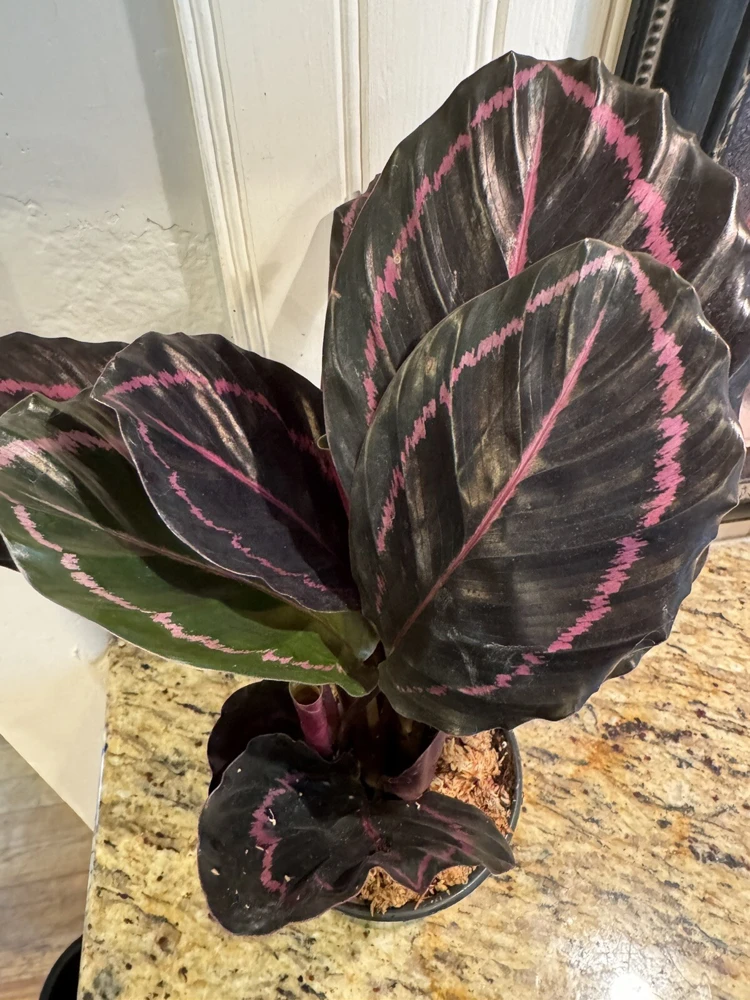
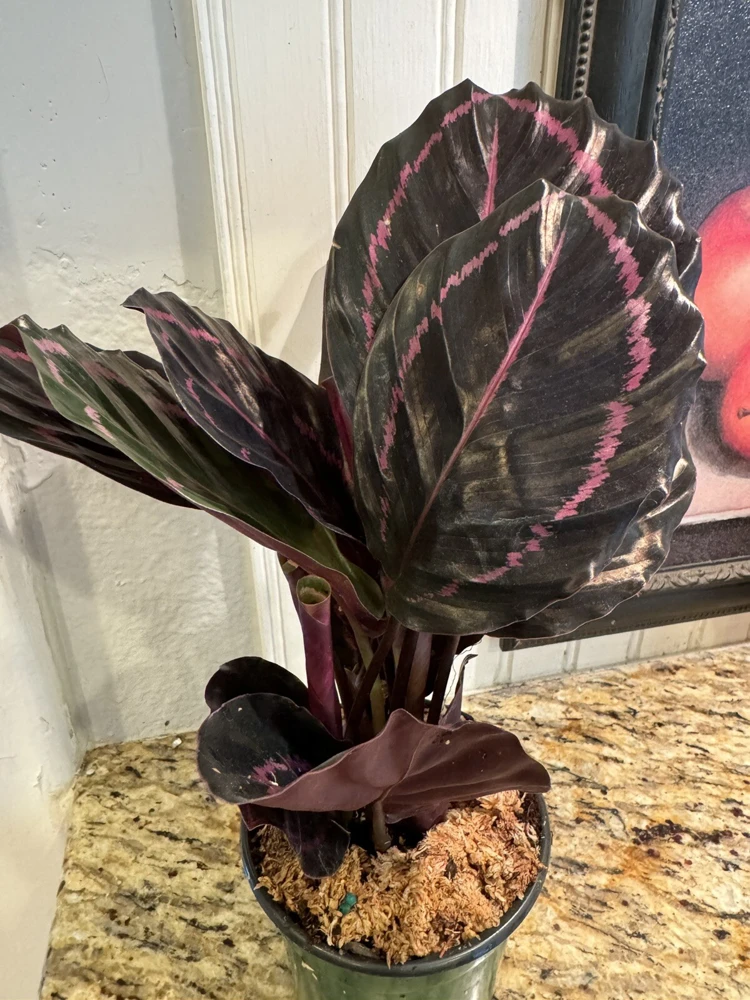
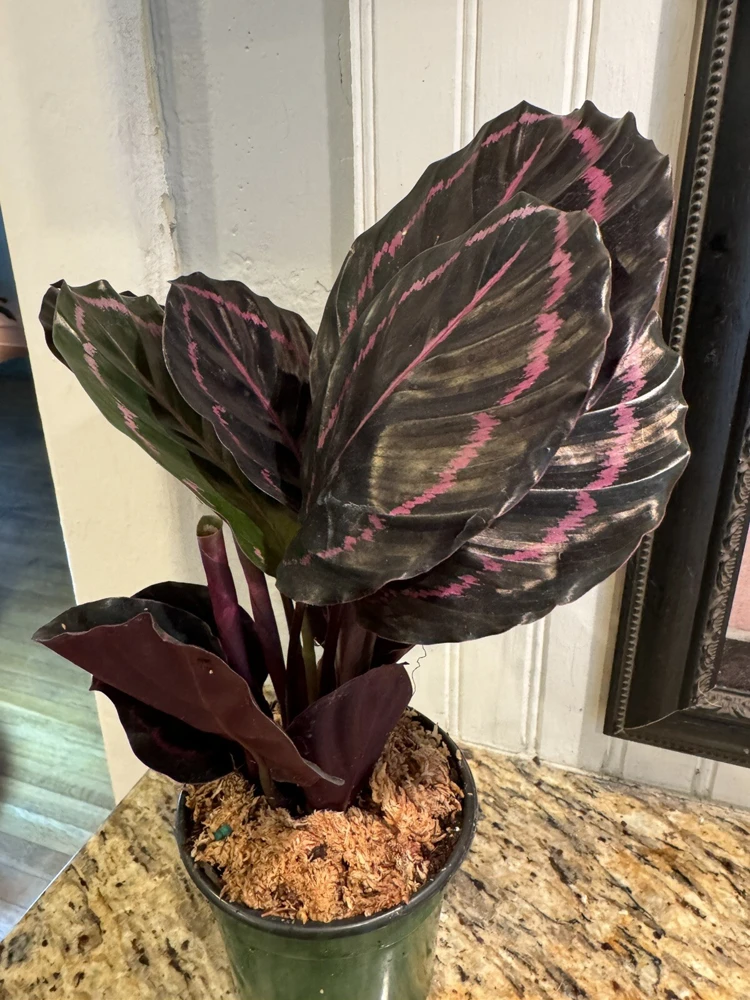
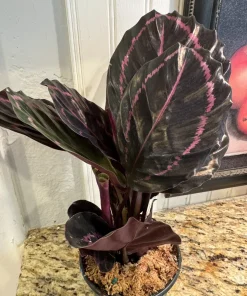
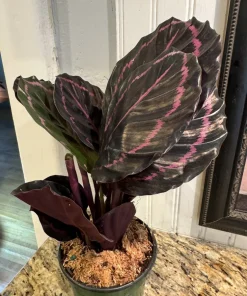
Calathea Roseopicta Live Plant – Ornata Prayer Plant – Indoor Houseplant
Original price was: $64.99.$44.99Current price is: $44.99.
Bring exotic beauty into your home with a Calathea Roseopicta live plant. This captivating prayer plant indoor variety features striking, patterned leaves that fold up at night, making it a dynamic addition to any collection. Ideal for adding a vibrant touch to bright, indirect light environments.
Estimated arrival
Oct 27
Nov 01 - Nov 03
Nov 06 - Nov 10
Shop With Confidence
30-Day Plant Health Guarantee
Arrives damaged? We’ll replace it free — see our return policy.
Responsive Support
Email us anytime, we reply within 1 business day.
Expert Packaging
Temperature-controlled shipping to protect your plants in transit.
Secure Checkout
Pay safely with Visa, Mastercard, PayPal.
Plant Specifications
-
USDA Hardiness Zone
unknown (best as indoor plant) -
Soil Type
well-draining, peat-based potting mix -
Sunlight Exposure
bright indirect light -
Expected Planting Period
year-round indoors
Overview
Introduce a touch of the tropics to your living space with the exquisite Calathea Roseopicta live plant. Renowned for its breathtaking foliage, this stunning houseplant is a true showstopper, often referred to as the Rose-Painted Calathea or Ornata Prayer Plant. Each leaf is a work of art, featuring intricate patterns of deep green, often with rose-pink or white stripes radiating from the central vein, creating a dramatic contrast. As a member of the Marantaceae family, like many other Calatheas, it exhibits nyctinasty – the fascinating movement of its leaves, which fold upwards at night as if in prayer, and then unfurl again with the morning light. This dynamic characteristic adds an engaging element to its already captivating appearance. Originating from the rainforests of South America, the Calathea Roseopicta live plant thrives in environments that mimic its natural habitat, making it an ideal choice for adding lush, vibrant greenery to indoor settings. Its unique beauty and engaging behavior make it a favorite among plant enthusiasts looking for an impactful and elegant addition to their indoor garden.
Key Benefits
The Calathea Roseopicta live plant offers a multitude of benefits beyond its undeniable aesthetic appeal, enriching your home environment in various ways. Its striking appearance is just the beginning of what makes this plant a fantastic choice for any indoor plant enthusiast.
- Exceptional Decorative Appeal: The primary allure of the Calathea Roseopicta live plant lies in its spectacularly patterned leaves. The ‘rose-painted’ effect, with vibrant pink or white veins against dark green, ensures it stands out as a living piece of art, instantly elevating the decor of any room.
- Natural Air Purifier: Like many houseplants, the Calathea Roseopicta actively works to improve indoor air quality. It helps to filter out common airborne toxins, contributing to a healthier and fresher living environment for you and your family.
- Fascinating Leaf Movement: The captivating habit of the leaves folding up at night and unfurling during the day, a characteristic of the prayer plant indoor, provides a dynamic and engaging element. This natural rhythm adds a unique, living dimension to your plant collection.
- Adds Humidity to Air: As a plant originating from tropical rainforests, Calathea Roseopicta releases moisture into the air through transpiration. This can help to slightly increase humidity levels in your home, which is beneficial for both other plants and human well-being, especially in drier climates.
- Pet-Friendly Foliage: Unlike many common houseplants, Calatheas are generally considered non-toxic to pets, making the Calathea Roseopicta live plant a safer choice for homes with curious cats and dogs.
- Promotes Relaxation: The presence of lush, vibrant greenery and the gentle, rhythmic movement of the leaves can contribute to a more calming and serene atmosphere, helping to reduce stress and promote a sense of well-being.
- Unique Gift Option: Due to its stunning appearance and interesting characteristics, a Calathea Roseopicta makes a thoughtful and memorable gift for plant lovers, housewarming parties, or any special occasion.
Plant Care & Growing Tips
Caring for an ornate calathea care requires attention to detail, but the rewards of its vibrant foliage are well worth the effort. These tropical beauties thrive in conditions that mimic their native rainforest environment. For optimal growth and to keep your Calathea Roseopicta live plant looking its best, focus on consistent moisture and appropriate light.
Sunlight Requirements: Calathea Roseopicta prefers bright, indirect light. Direct sunlight can scorch its delicate leaves, causing the vibrant patterns to fade. An east-facing window or a spot several feet away from a south or west-facing window is ideal. Too little light can also cause the patterns to become less defined, so finding the right balance is crucial for this prayer plant indoor. Ensure it receives consistent, diffused light throughout the day.
Watering Schedule and Soil Moisture: These plants love consistent moisture but hate being waterlogged. Water thoroughly when the top inch of soil feels dry to the touch. Use filtered, distilled, or rainwater, as Calatheas are sensitive to chemicals in tap water, which can lead to brown leaf tips. Ensure excellent drainage. During winter, reduce watering slightly, allowing the soil to dry out a bit more between waterings. Humidity is also key; mist your plant regularly, place it near a humidifier, or set it on a pebble tray with water.
Soil Type and Drainage: A well-draining, peat-based potting mix is best for your Calathea Roseopicta live plant. A mix designed for tropical plants or a blend of potting soil, perlite, and orchid bark will provide the necessary aeration and moisture retention. Good drainage is paramount to prevent root rot. Ensure your pot has drainage holes.
Temperature Range and USDA Hardiness Zone: Calatheas are tropical plants and prefer warm, stable temperatures between 65-80°F (18-27°C). Avoid sudden temperature fluctuations or drafts from windows and doors. They are not cold hardy and will suffer in temperatures below 60°F (15°C). As an indoor plant, USDA hardiness zones are less relevant, but generally, they would thrive outdoors only in zones 10-11 if protected.
Fertilization Schedule and Type: Feed your Calathea Roseopicta with a balanced liquid fertilizer diluted to half strength every 2-4 weeks during the growing season (spring and summer). Do not fertilize during fall and winter when the plant’s growth slows. Over-fertilization can lead to fertilizer burn on the sensitive roots and leaves.
Common Problems and Solutions: Brown leaf tips are often a sign of low humidity or chemical sensitivity from tap water. Increase humidity and use purified water. Yellowing leaves can indicate overwatering or nutrient deficiency. Pests like spider mites can be an issue in dry conditions; regular misting helps prevent them, and insecticidal soap can treat infestations. Keeping your tropical foliage plant happy means being attentive to these environmental factors.
Size & Details
Our Calathea Roseopicta live plant typically ships as an established plant, ready to bring immediate vibrancy to your indoor garden. The specific size will vary based on availability, but they generally arrive in a nursery pot, often a 4 to 6-inch size, allowing for healthy root development and easy transplanting into your preferred decorative container. At maturity, this stunning easy indoor plant can reach heights of 1-2 feet and spread similarly, creating a lush, compact bush of foliage. The growth rate is moderate, with new leaves unfurling regularly under optimal care conditions. You can expect the full, dramatic coloring of the leaves to develop as the plant matures, showcasing its signature rose or white patterns. This plant is primarily grown for its foliage, as its flowers are usually small and inconspicuous.
Frequently Asked Questions
- Q: How big does a Calathea Roseopicta get? A: A: The Calathea Roseopicta live plant typically grows to a height and spread of 1 to 2 feet indoors, forming a beautiful, dense clump of foliage over time. Its size makes it ideal for tabletops, shelves, or as a vibrant floor plant in smaller spaces.
- Q: Is this an indoor or outdoor plant? A: This is primarily an indoor houseplant in most climates. It thrives in stable indoor temperatures and humidity. While it can be grown outdoors in very warm, humid, and shaded tropical climates (USDA zones 10-11), it is best suited for an indoor environment.
- Q: How much sunlight does my Calathea Roseopicta need? A: Your prayer plant indoor requires bright, indirect light. Direct sunlight will scorch its leaves and cause its vibrant patterns to fade. An east-facing window or a well-lit room away from direct sun is ideal.
- Q: Is this plant easy to care for? A: Calathea Roseopicta is considered moderately challenging. It thrives with consistent care, particularly regarding humidity and watering with purified water. It’s a great plant for those ready to delve a bit deeper into houseplant care.
- Q: What condition will the Calathea Roseopicta arrive in? A: Your Calathea Roseopicta live plant will arrive carefully packaged, typically in its nursery pot, with soil to ensure its health during transit. We take utmost care to protect the plant from damage.
- Q: Can I use tap water for my Calathea? A: It’s best to avoid tap water for your ornate calathea care as it can be sensitive to chlorine and other chemicals, which may cause brown leaf tips. Filtered, distilled, or rainwater is highly recommended for optimal health.
- Q: Is the Calathea Roseopicta pet-safe? A: Yes, Calathea Roseopicta is generally considered non-toxic to cats and dogs, making it a safer choice for homes with pets. However, it’s always best to discourage pets from chewing on any plant.
- Q: What is the best soil for this tropical foliage plant? A: A well-draining, peat-based potting mix is ideal. You can use a standard houseplant mix amended with perlite or orchid bark to improve drainage and aeration, which is crucial for the health of your tropical foliage plant.
- Q: Why are the leaves of my Calathea folding up? A: The leaves of the Calathea Roseopicta naturally fold upwards at night and unfurl in the morning. This is a normal and fascinating characteristic of this prayer plant indoor species. If they are folding up during the day, it might indicate stress from lack of water or light.
- Q: How do I increase humidity for my Calathea Roseopicta? A: To increase humidity, you can mist your plant regularly, use a pebble tray filled with water beneath the pot (ensuring the pot doesn’t sit in the water), or place a humidifier nearby. Grouping plants together can also create a microclimate with higher humidity.
Be the first to review “Calathea Roseopicta Live Plant – Ornata Prayer Plant – Indoor Houseplant”
People Also Viewed



Houseplants
Reviews
There are no reviews yet.