
Live Edamame Soybean Plant – Heirloom Vegetable Starter – 3-5 Inches Tall – Outdoor
Original price was: $46.99.$26.99Current price is: $26.99.
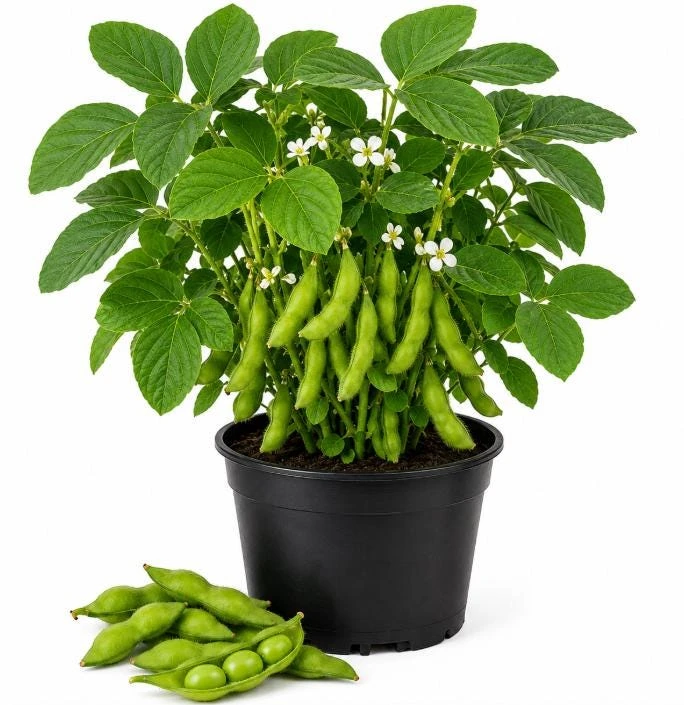
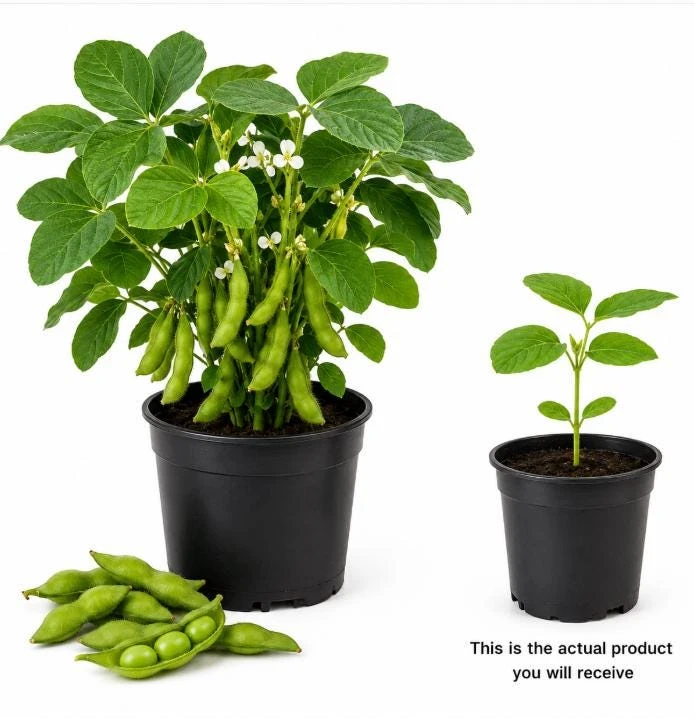
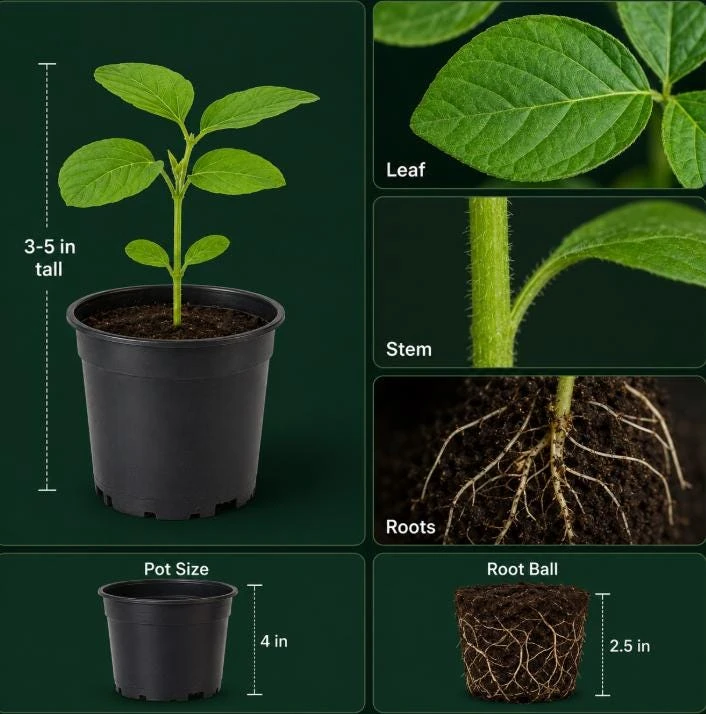
Start your own vegetable garden with a live edamame soybean plant. These 3-5 inch tall seedlings are perfect for growing fresh, edible beans at home. Enjoy the ease of cultivating this heirloom vegetable plant in your backyard or patio containers.
Estimated arrival
Oct 15
Oct 20 - Oct 22
Oct 25 - Oct 29
Shop With Confidence
30-Day Plant Health Guarantee
Arrives damaged? We’ll replace it free — see our return policy.
Responsive Support
Email us anytime, we reply within 1 business day.
Expert Packaging
Temperature-controlled shipping to protect your plants in transit.
Secure Checkout
Pay safely with Visa, Mastercard, PayPal.
Plant Specifications
-
USDA Hardiness Zone
USDA Zones 3–11 (grown seasonally) -
Soil Type
Fertile, well-draining soil -
Sunlight Exposure
Full sun -
Expected Planting Period
Spring to early summer (after last frost)
Overview
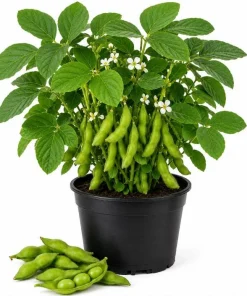
Cultivate your own delicious and nutritious edamame with this vibrant live edamame soybean plant. Arriving at a healthy 3-5 inches tall, these young seedlings are ready to be transplanted into your garden, raised beds, or patio containers. Edamame, also known as young soybeans, are a popular and healthy snack, rich in protein and fiber. This heirloom vegetable plant offers a rewarding gardening experience, providing fresh, homegrown produce directly from your backyard. Enjoy the satisfaction of harvesting your own beans and sharing them with family and friends. This plant is ideal for gardeners looking for an easy grow edible bean that thrives in warm conditions.
Growing edamame plants is a fantastic way to introduce fresh vegetables into your diet and connect with nature. These plants are annuals, meaning they complete their life cycle within one growing season, offering a bountiful harvest before the first frost. They are a staple in many cuisines and can be enjoyed boiled, steamed, or added to salads and stir-fries. Starting with a live plant gives you a head start compared to seeds, ensuring a quicker path to harvest and a higher success rate for beginners and experienced gardeners alike.
Key Benefits
Adding a live edamame soybean plant to your garden offers numerous advantages, from fresh produce to an engaging gardening experience. Discover the key benefits of growing these versatile legumes:
- Fresh, Homegrown Produce: Enjoy the unparalleled taste of freshly harvested edamame, free from pesticides and chemicals, straight from your garden to your plate.
- Nutrient-Rich Snack: Edamame beans are packed with protein, fiber, and essential vitamins, making them a healthy and satisfying addition to any diet.
- Easy to Grow: These young plants are sturdy and adaptable, making them an excellent choice for gardeners of all skill levels. With proper care, you’ll be enjoying your harvest in no time.
- Versatile Culinary Use: Fresh edamame can be steamed, boiled, roasted, or added to a variety of dishes, offering endless culinary possibilities for healthy meals and snacks.
- Sustainable Gardening: Growing your own food reduces your carbon footprint and promotes a more sustainable lifestyle. Embrace the joy of self-sufficiency with this heirloom vegetable plant.
- Educational for Families: Engage children in the gardening process and teach them about where their food comes from by growing edamame at home.
- Garden Beautification: The lush green foliage of the edamame plant adds an attractive element to any vegetable garden or container arrangement.
Plant Care & Growing Tips
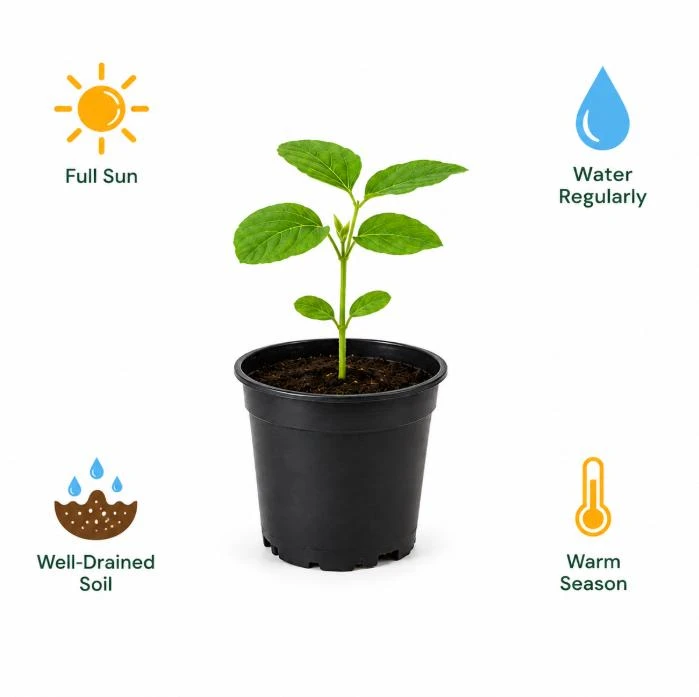
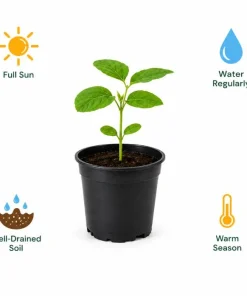
Proper edamame plant care is crucial for a successful and abundant harvest. These plants thrive in warm conditions and require consistent attention to watering and sunlight. Ensure your chosen location receives full sun, meaning at least 6-8 hours of direct sunlight per day. This is vital for the plant’s growth and bean production. If you live in a region with intense afternoon sun, some partial shade during the hottest part of the day might be beneficial, especially for younger plants, though full sun is generally preferred.
When it comes to soil, edamame plants prefer fertile, well-draining soil. Amend heavy clay soils with organic matter like compost to improve drainage and nutrient content. A slightly acidic to neutral pH (6.0-7.0) is ideal. Keep the soil consistently moist, especially during active growth and when the pods are forming. Avoid waterlogging, as this can lead to root rot. Water deeply in the morning, allowing the top inch of soil to dry out slightly between waterings. During dry spells, you may need to water more frequently. Fertilize sparingly; edamame are legumes and can fix their own nitrogen, so excessive nitrogen can lead to more foliage and fewer beans. A balanced, all-purpose fertilizer at half strength once or twice during the growing season is usually sufficient.
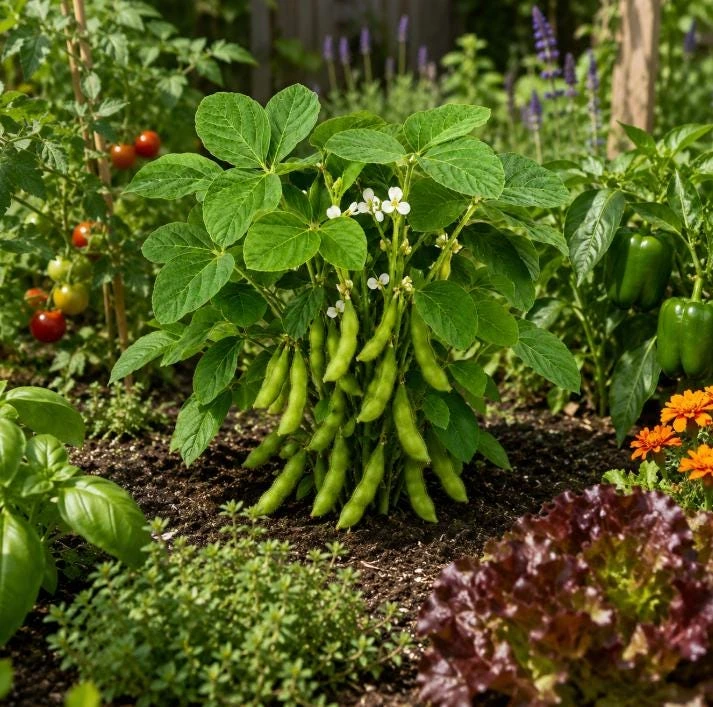
Edamame plants are annuals and prefer warm growing conditions, typically performing best when temperatures are between 65°F and 80°F (18°C-27°C). They are sensitive to frost, so plant them after all danger of frost has passed in your area. This easy grow edible bean can be grown in USDA Zones 3-11 seasonally. Protect young plants from pests like aphids and spider mites, and be vigilant for common diseases such as powdery mildew. Good air circulation and proper spacing can help prevent fungal issues. For those growing edamame at home, consider companion planting with corn or sunflowers to provide natural support and shade.
Size & Details
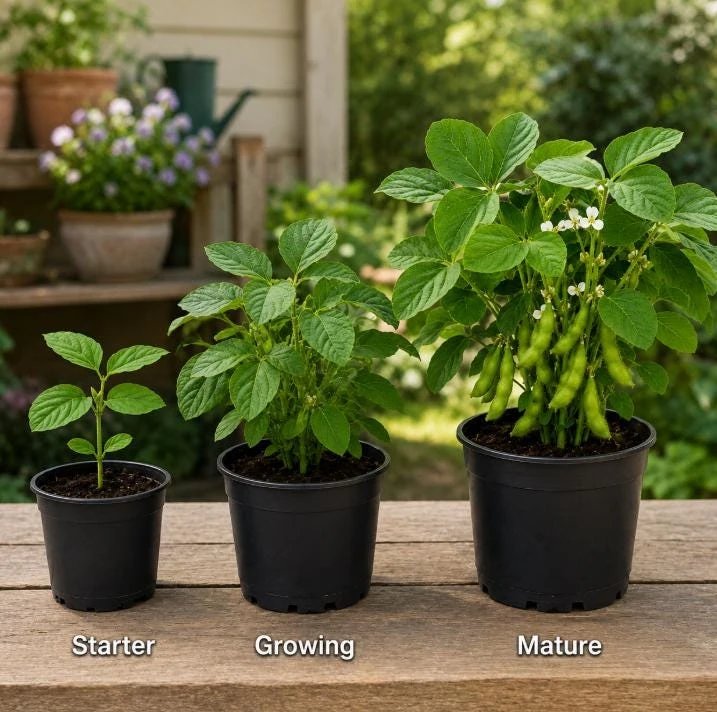
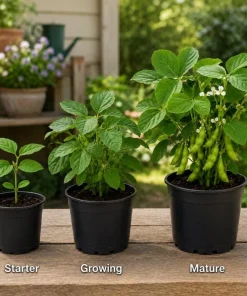
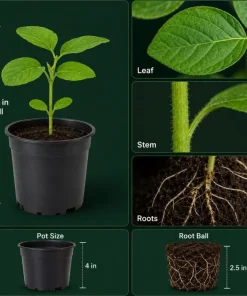
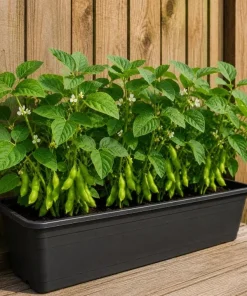
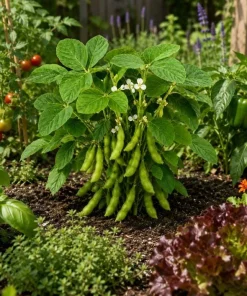
This offering includes one healthy live edamame soybean plant, typically measuring between 3 to 5 inches tall upon arrival. These young seedlings are carefully packaged to ensure safe transit and are ready for immediate planting in your garden. Edamame plants generally grow to a mature height of 18-36 inches (45-90 cm) and a similar spread, forming bushy, upright plants. The growth rate is moderate, with pods typically ready for harvest 75-100 days after planting, depending on the variety and growing conditions. Each plant is expected to produce numerous pods, yielding a satisfying harvest for fresh consumption.
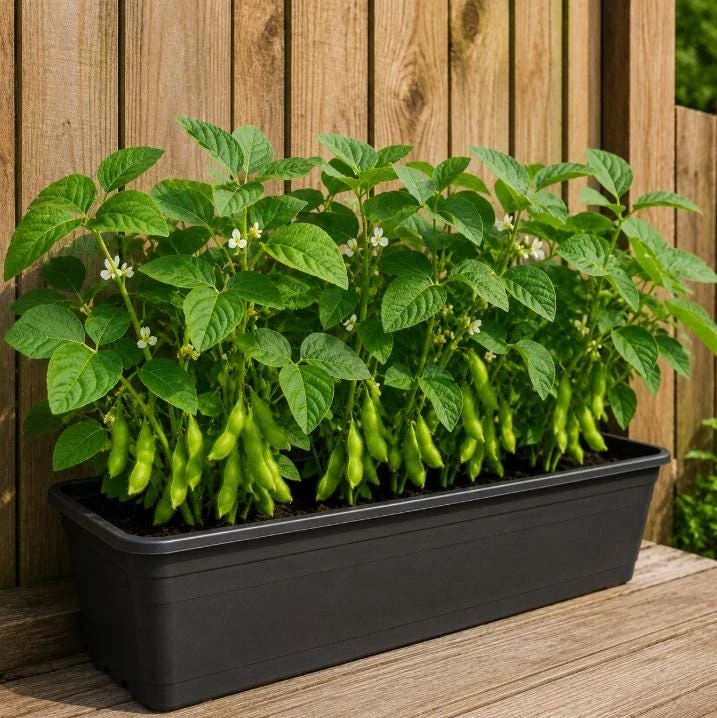
Our heirloom vegetable plant varieties are chosen for their robust growth and delicious beans. These plants are shipped in a small nursery pot or with their root ball carefully wrapped, ready to be transplanted into a larger container or directly into your garden bed. While specific pot size is not provided, the plants are suitable for immediate transplanting. They are well-suited for both in-ground cultivation and container gardening, making them versatile for various home garden setups. Expect vibrant green foliage and plentiful pods, making this an ideal addition for anyone looking for an easy grow edible bean plant.
Frequently Asked Questions
- Q: How big does this plant get? A: This live edamame soybean plant arrives 3-5 inches tall and can grow to a mature height of 18-36 inches with a similar spread, depending on growing conditions and variety.
- Q: What size pot does it come in? A: The plant is shipped as a young seedling, typically with its root ball carefully packaged or in a small nursery pot, ready for transplanting into a larger container or garden bed.
- Q: Is this an indoor or outdoor plant? A: Edamame plants are primarily outdoor vegetable plants, requiring full sun to thrive and produce beans. They are not typically grown as indoor houseplants.
- Q: How much sunlight does it need? A: For optimal growth and bean production, your edamame plant needs at least 6-8 hours of direct sunlight per day. Full sun is crucial for a good harvest.
- Q: Is this plant easy to care for? A: Yes, this easy grow edible bean plant is considered relatively easy to care for, especially when starting with a live seedling. Consistent watering and adequate sunlight are the main requirements.
- Q: Is it good for beginners? A: Absolutely! Starting with a live seedling makes growing edamame at home very accessible for beginner gardeners who want to enjoy fresh, homegrown vegetables.
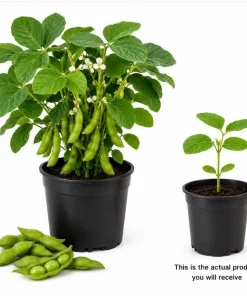
- Q: What condition will it arrive in? A: Your plant will arrive healthy and carefully packaged to ensure it withstands shipping and is ready to be planted upon arrival.
- Q: Is it shipped in soil? A: Yes, the plant will be shipped either in a small amount of soil within a nursery pot or with its root ball protected by soil and packaging to maintain moisture during transit.
- Q: Can I use this heirloom vegetable plant in cooking? A: Yes, the primary purpose of this plant is to grow edible edamame beans, which are excellent for cooking. They can be steamed, boiled, or added to various dishes.
- Q: How long until it produces beans? A: Edamame plants typically produce harvestable pods 75-100 days after planting, depending on the variety and your specific growing conditions.
- Q: When is the best time to plant? A: Plant your live edamame soybean plant outdoors after all danger of frost has passed in your area, when soil temperatures have warmed up.
- Q: Will it survive winter in my zone? A: Edamame is an annual plant and will not survive winter in most zones. It is grown seasonally and will need to be replanted each year.
Be the first to review “Live Edamame Soybean Plant – Heirloom Vegetable Starter – 3-5 Inches Tall – Outdoor”
People Also Viewed

Shrubs
5 Blue Rug Juniper Live Plant – Juniperus horizontalis ‘Wiltonii’ Starter – Outdoor Groundcover
Reviews
There are no reviews yet.