
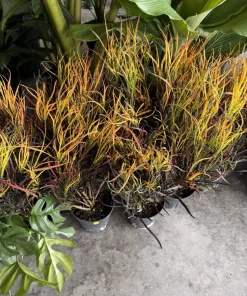
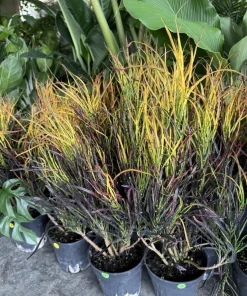
Paintbrush Croton Live Plant – Colorful Indoor & Outdoor Foliage
Original price was: $70.99.$50.99Current price is: $50.99.
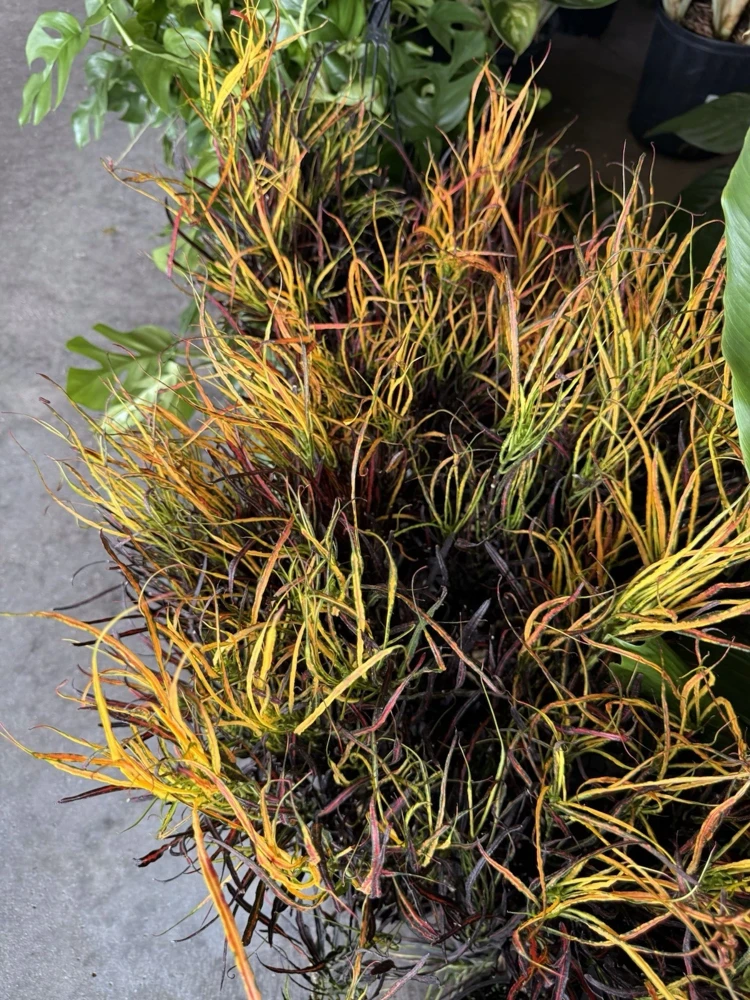
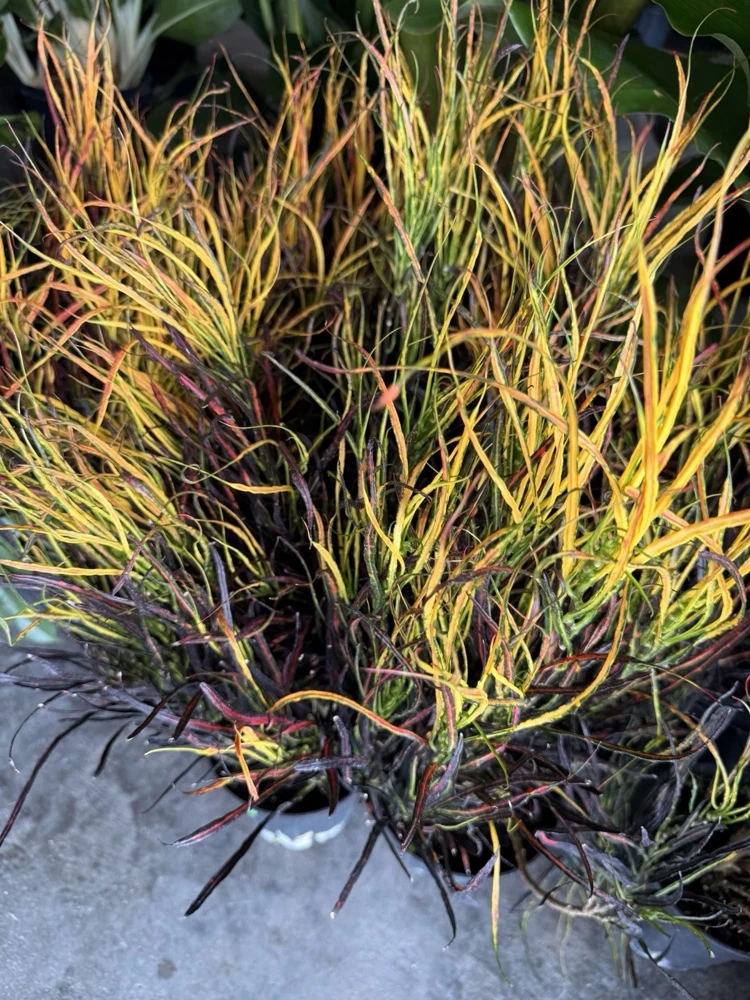
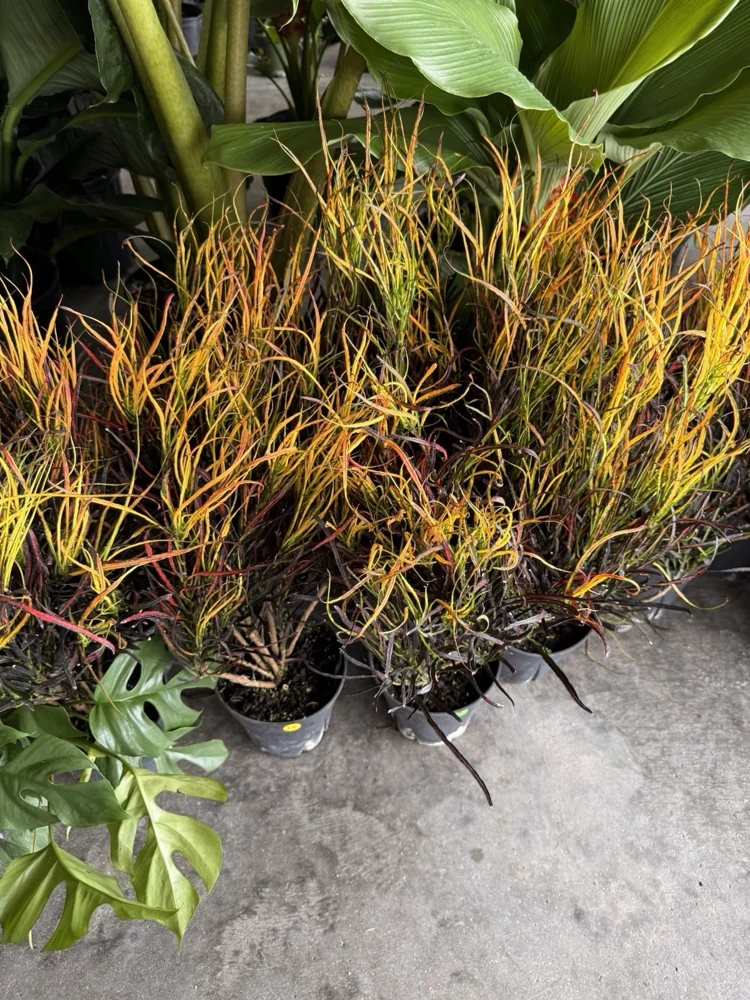
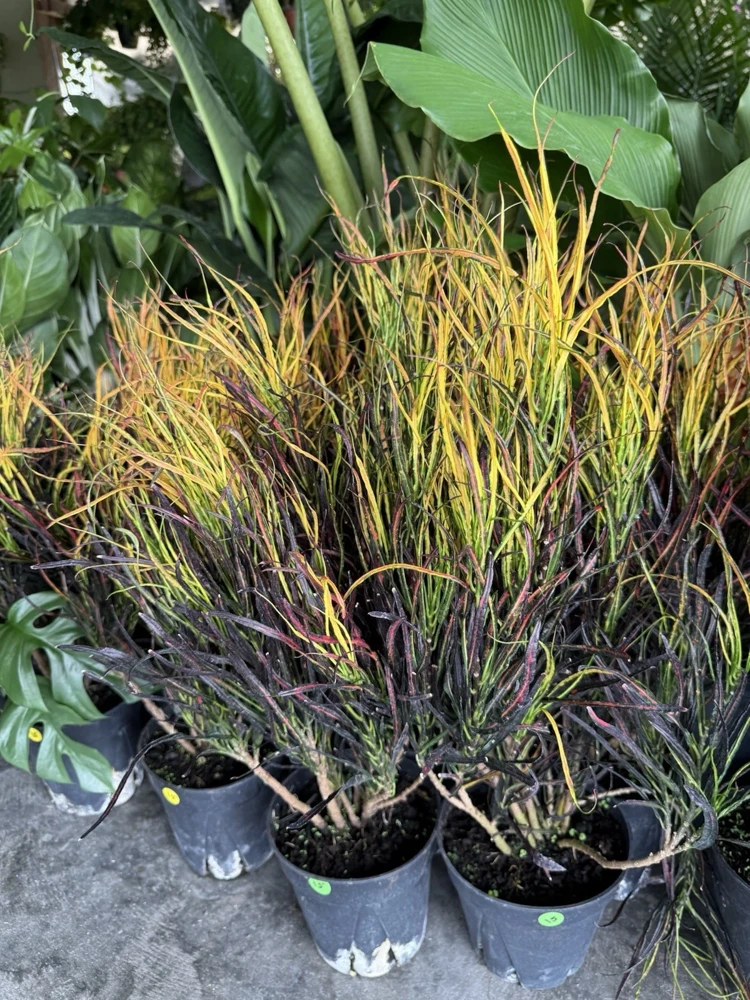
Bring vibrant color into your home with a paintbrush croton live plant. This stunning plant features unique, brushstroke-like variegation on its leaves, making it a focal point in any room. Ideal for both indoor and outdoor settings in warmer climates, it’s a fantastic choice for adding tropical flair.
Estimated arrival
Oct 27
Nov 01 - Nov 03
Nov 06 - Nov 10
Shop With Confidence
30-Day Plant Health Guarantee
Arrives damaged? We’ll replace it free — see our return policy.
Responsive Support
Email us anytime, we reply within 1 business day.
Expert Packaging
Temperature-controlled shipping to protect your plants in transit.
Secure Checkout
Pay safely with Visa, Mastercard, PayPal.
Plant Specifications
-
USDA Hardiness Zone
USDA zones 9-11 (outdoors), suitable for all zones indoors -
Soil Type
Well-draining potting mix -
Sunlight Exposure
Bright indirect light -
Expected Planting Period
Year-round indoors, spring to early summer outdoors in suitable climates
Overview
Transform your living space with the dazzling beauty of the paintbrush croton live plant. Known for its spectacular, vividly colored foliage, this plant is a true showstopper. Each leaf displays an array of hues, often resembling an artist’s brushstrokes with shades of green, yellow, orange, and red. The Paintbrush Croton, scientifically known as Codiaeum variegatum, is a popular choice for plant enthusiasts seeking to add a dramatic splash of color and texture to their indoor or outdoor plant collection. This particular variety is celebrated for its unique leaf shape and striking patterns, making it a magnificent specimen that captures attention and admiration.
Originating from tropical regions, the Paintbrush Croton thrives in warm, humid environments, making it an excellent houseplant in most climates. When provided with the right conditions, it can grow into a lush, vibrant shrub. Its distinctive appearance makes it a versatile decorative element, perfect for brightening up a dull corner, adding a tropical touch to a patio, or serving as a stunning centerpiece. Embrace the exotic charm and dynamic coloration that only a paintbrush croton live plant can provide, and watch your space come alive with its unique appeal.
Key Benefits
The paintbrush croton live plant offers a multitude of benefits beyond its undeniable beauty, making it a valuable addition to any plant enthusiast’s collection. Its vibrant presence can significantly enhance the aesthetic and atmosphere of your home or garden.
- Stunning Visual Appeal: The most prominent benefit is its incredible foliage. The leaves are a kaleidoscope of colors, often featuring shades of green, yellow, orange, and red in intricate patterns. This natural artistry makes each plant a unique living masterpiece, constantly drawing the eye and serving as a conversation starter. The vibrant coloration of the paintbrush croton live plant can instantly uplift any space.
- Air Purification: Like many houseplants, crotons contribute to a healthier indoor environment by helping to filter airborne toxins. While not as potent as some other air purifiers, it still plays a role in improving air quality, making your home a fresher place to breathe.
- Versatile Decor: Whether placed in a bright living room, a sunny office, or as part of a tropical outdoor landscape in suitable climates, the Paintbrush Croton adapts well. Its bold colors complement a wide range of interior designs, from modern minimalist to bohemian eclectic.
- Engaging Growth: Watching the new leaves emerge and develop their full coloration is a rewarding experience. The dynamic changes in color as the plant matures add an element of intrigue and natural beauty to your surroundings.
- Relatively Low Maintenance: Once its basic needs for light and water are met, the croton plant care is straightforward. It doesn’t demand constant attention, making it suitable for both experienced and novice plant parents who appreciate a striking plant without excessive fuss.
- Boosts Mood and Well-being: Surrounding yourself with vibrant, living plants has been shown to reduce stress, improve focus, and enhance overall mood. The lively colors of this plant can bring a sense of joy and vitality to your daily life.
- Unique Foliage Texture: Beyond color, the distinct shape and texture of the leaves add another layer of interest, contributing to a rich, diverse plant collection.
Plant Care & Growing Tips
Providing the right care is crucial for maintaining the vibrant colors and overall health of your paintbrush croton live plant. These tropical beauties thrive when their specific needs for light, water, and humidity are met. For optimal croton plant care, understanding these requirements will ensure your plant flourishes.
Sunlight Requirements: Paintbrush Crotons need plenty of bright, indirect light to develop their best colors. Inadequate light will result in greener leaves with less variegation. A spot near an east or west-facing window is often ideal indoors. If outdoors, a location with morning sun and afternoon shade is best to prevent leaf scorching. Direct, harsh midday sun can burn the delicate foliage. Aim for at least 4-6 hours of bright light daily, ensuring it’s not too intense.
Watering Schedule and Soil Moisture: Consistency is key when watering your croton. Keep the soil consistently moist but never soggy. Water thoroughly when the top inch of soil feels dry to the touch. Ensure proper drainage to prevent root rot, which crotons are susceptible to. Reduce watering slightly during the cooler, less active months. Overwatering is a common mistake, so always check soil moisture before adding more water. Good drainage is vital for a healthy indoor croton plant.
Soil Type and Drainage Requirements: A well-draining potting mix is essential for crotons. A mixture designed for tropical plants or a general-purpose potting mix amended with perlite or coarse sand will work well. The soil should be rich in organic matter and allow water to pass through freely. Ensure your pot has drainage holes to prevent water from accumulating at the bottom.
Temperature Range and Humidity: Crotons are tropical plants and prefer warm temperatures, ideally between 65-80°F (18-27°C). They are not tolerant of cold drafts or temperatures below 50°F (10°C), which can cause leaf drop. High humidity is also important for these plants. Indoors, you can increase humidity by misting the leaves regularly, placing the pot on a pebble tray with water, or using a humidifier. This helps prevent dry leaf edges and keeps the plant looking lush, contributing to successful colorful foliage plant growth.
Fertilization: Feed your croton every 2-4 weeks during the growing season (spring and summer) with a balanced liquid fertilizer diluted to half strength. Reduce or stop fertilizing during fall and winter when the plant’s growth slows down. Over-fertilization can lead to nutrient burn, so always follow product instructions.
Common Problems: Leaf drop is a common issue, often caused by sudden changes in temperature, light, or watering. Pests like spider mites can also be a problem, especially in dry conditions. Regular inspection and prompt treatment with insecticidal soap can manage infestations. Providing consistent care and a stable environment will help your Codiaeum variegatum thrive.
Size & Details
The paintbrush croton live plant typically arrives as a young, actively growing specimen, ready to establish itself in your home or garden. While specific dimensions can vary, most young croton plants range from 6 to 12 inches in height when shipped, often in a 4-6 inch nursery pot. These plants are known for their moderate growth rate, and with proper care, they can achieve impressive sizes. Indoors, they generally mature to an average height of 2 to 4 feet, with a similar spread, creating a bushy and full appearance. Outdoors in tropical climates, they can grow significantly larger, even reaching up to 6-8 feet tall, forming a striking shrub.
The distinctive foliage, which gives the plant its name, features elongated leaves with pointed tips, showcasing a vibrant mix of green, yellow, orange, and red. The intensity of these colors is directly influenced by the amount of bright, indirect light the plant receives. Your plant will be shipped securely, usually in its nursery pot with soil, to ensure minimal stress during transit. Expect vibrant new growth and increasing color intensity as it acclimates to its new environment and continues to mature. This colorful foliage plant is a long-lived addition to any collection, providing years of aesthetic pleasure.
Frequently Asked Questions
- Q: How big does a paintbrush croton live plant get? A: Indoors, Paintbrush Crotons typically grow to about 2-4 feet tall and wide. In ideal outdoor conditions in tropical climates, they can reach heights of 6-8 feet, forming a substantial shrub.
- Q: Is this an indoor or outdoor plant? A: The Paintbrush Croton can be grown both indoors and outdoors. It thrives as a houseplant in most regions and can be grown outdoors year-round in USDA zones 9-11 or as an annual in cooler climates.
- Q: How much sunlight does a croton need? A: For the best leaf coloration, crotons require bright, indirect light for at least 4-6 hours a day. Too little light will result in greener leaves, while too much direct sun can scorch the foliage.
- Q: Is this plant easy to care for? A: While not the absolute easiest, the croton plant care is manageable for most plant enthusiasts. It requires consistent watering, high humidity, and stable temperatures to prevent leaf drop, making it a rewarding challenge.
- Q: What condition will my colorful foliage plant arrive in? A: Your plant will arrive securely packaged in its nursery pot with soil, carefully prepared to minimize stress during shipping. It will be a healthy, actively growing plant ready for its new home.
- Q: How often should I water my croton? A: Water your croton when the top inch of soil feels dry to the touch. Ensure the pot has good drainage, and avoid letting the plant sit in standing water to prevent root rot.
- Q: Is the Paintbrush Croton pet-safe? A: No, crotons are considered toxic to pets and humans if ingested. Keep this plant out of reach of children and pets. This is an important aspect of indoor croton plant ownership.
- Q: What is the ideal temperature range for a Codiaeum variegatum? A: Crotons prefer warm temperatures between 65-80°F (18-27°C). They are sensitive to cold and should be protected from temperatures below 50°F (10°C).
- Q: Why are the leaves on my croton turning green? A: If your croton’s vibrant colors are fading to green, it’s likely not receiving enough bright, indirect light. Move it to a brighter location to encourage its characteristic variegation.
- Q: Do I need to fertilize my croton? A: Yes, fertilize your croton every 2-4 weeks during the spring and summer growing season with a balanced liquid fertilizer diluted to half strength. Reduce or stop fertilization in fall and winter.
Be the first to review “Paintbrush Croton Live Plant – Colorful Indoor & Outdoor Foliage”
People Also Viewed


Vegetable Seeds
Delectable Bicolor Sweet Corn Seeds – 60 Yellow & White Zea Mays



Reviews
There are no reviews yet.