
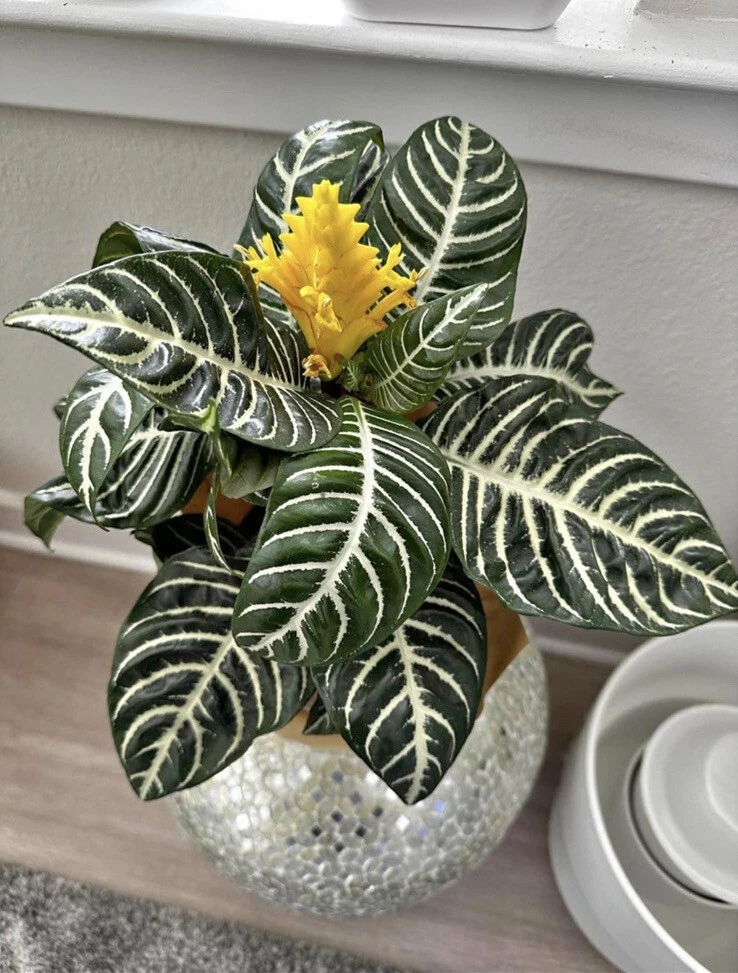
Zebra Plant Live Plant – Aphelandra squarrosa – Potted Houseplant
Original price was: $80.99.$60.99Current price is: $60.99.
Discover the captivating beauty of a zebra plant live plant, perfect for adding a touch of the exotic to any indoor setting. This striking aphelandra squarrosa features unique, bold striped foliage plant and is shipped ready for display in its pot.
Estimated arrival
Oct 27
Nov 01 - Nov 03
Nov 06 - Nov 10
Shop With Confidence
30-Day Plant Health Guarantee
Arrives damaged? We’ll replace it free — see our return policy.
Responsive Support
Email us anytime, we reply within 1 business day.
Expert Packaging
Temperature-controlled shipping to protect your plants in transit.
Secure Checkout
Pay safely with Visa, Mastercard, PayPal.
Plant Specifications
-
USDA Hardiness Zone
USDA zones 10-11 (outdoors); typically grown indoors -
Soil Type
Rich, well-draining potting mix -
Sunlight Exposure
Bright indirect light -
Expected Planting Period
Year-round indoors
Overview
Introduce a touch of the tropics and a splash of dramatic foliage into your home with the exquisite zebra plant live plant. Also scientifically known as Aphelandra squarrosa, this stunning houseplant is celebrated for its incredibly decorative leaves. Each leaf boasts a deep green color, beautifully contrasted by prominent, creamy-white or yellow veins that create a distinctive zebra-like pattern. This vibrant display makes the aphelandra squarrosa a focal point in any room, effortlessly enhancing your interior decor. Originating from the tropical rainforests of Brazil, the zebra plant thrives in warm, humid conditions, bringing a piece of its native habitat into your living space. It’s not just a plant; it’s a living piece of art that adds dynamic texture and color to your plant collection. Its compact growth habit ensures it fits well on shelves, desks, or as a centerpiece.
The allure of the zebra plant live plant extends beyond its foliage; under optimal conditions, it can produce bright yellow-orange flower bracts that emerge from cone-like spikes, providing an additional burst of color. While often grown for its stunning leaves, these flowers are a delightful bonus. This plant is a fantastic choice for plant enthusiasts seeking an eye-catching specimen that requires attentive but rewarding care. Whether you’re an experienced gardener or looking to expand your indoor jungle, the zebra plant live plant offers unparalleled visual appeal and a rewarding growing experience.
Key Benefits
The zebra plant live plant offers several advantages for indoor gardeners, making it a popular choice for enhancing home aesthetics and creating a vibrant atmosphere. Its unique characteristics contribute to a more engaging and beautiful indoor environment.
- Striking Visual Appeal: The primary benefit of the aphelandra squarrosa is its dramatic and unique foliage. The dark green leaves with bright white or yellow veins create an unmistakable pattern that draws the eye and adds a sophisticated touch to any room. This vibrant striped foliage plant makes a powerful statement.
- Natural Air Purifier: Like many houseplants, the zebra plant contributes to a healthier indoor environment by helping to filter airborne toxins. It naturally improves air quality, making your living space fresher and more pleasant.
- Compact Growth Habit: This plant typically maintains a manageable size, making it ideal for various indoor spaces, from small apartments to spacious homes. It fits well on windowsills, bookshelves, and tabletops without overwhelming the area.
- Adds Tropical Ambiance: With its lush appearance and vibrant colors, the zebra plant live plant instantly infuses a tropical feel into your home. It creates a calming and exotic atmosphere, perfect for relaxation.
- Rewarding Floral Display: While primarily grown for its leaves, the zebra plant can produce beautiful, long-lasting yellow flower bracts. These add an unexpected burst of color and extend the plant’s decorative value.
- Engaging Plant to Grow: Caring for a zebra plant live plant can be a deeply satisfying experience. Its specific needs encourage a deeper connection with nature and provide a sense of accomplishment as you watch it thrive and flourish.
Plant Care & Growing Tips
Caring for an aphelandra squarrosa requires attention to detail, but the reward is a spectacularly vibrant plant. Understanding its native tropical environment will guide you in providing the best conditions. The most crucial aspect of zebra plant care is consistent humidity and proper watering.
Your zebra plant live plant thrives in bright, indirect light. Direct sunlight can scorch its delicate leaves, causing the vibrant patterns to fade or turn brown. An east-facing window is often ideal, providing gentle morning sun, or a few feet away from a south or west-facing window. Insufficient light, however, can lead to leggy growth and duller foliage. Keep the soil consistently moist but never waterlogged. Allow the top inch of soil to dry out slightly between waterings, especially during its active growing season. Reduce watering frequency in winter. High humidity is essential; consider placing the pot on a pebble tray with water, using a room humidifier, or misting the leaves regularly. Avoid letting the plant sit in standing water, as this can lead to root rot.
The ideal soil for your indoor zebra plant is a rich, well-draining potting mix that retains some moisture. A mix containing peat moss, perlite, and pine bark works well. Maintain warm temperatures, ideally between 65-75°F (18-24°C), and avoid sudden temperature fluctuations or cold drafts. The zebra plant is not frost-tolerant and should never be exposed to temperatures below 55°F (13°C). Fertilize every 2-4 weeks during spring and summer with a balanced liquid fertilizer diluted to half strength. Reduce or stop fertilizing during fall and winter when the plant’s growth slows. Pruning can help maintain a bushy shape and encourage new growth. Watch out for common pests like spider mites and mealybugs, especially in dry conditions. Regular inspection and prompt treatment are key to successful zebra plant care.
Size & Details
This zebra plant live plant is carefully cultivated and shipped as a healthy, established specimen, ready to be a stunning addition to your home. It typically arrives in a nursery pot, ensuring it is well-rooted and prepared for its new environment. The exact size may vary slightly based on the growth stage, but you can generally expect a compact plant, perfect for tabletops or shelves.
Mature aphelandra squarrosa plants can reach heights of 1-2 feet indoors with a similar spread, creating a full and lush appearance. The distinctive striped foliage plant will begin to develop its vibrant patterns early in its growth. With proper zebra plant care, you can expect steady growth and the potential for its unique yellow-orange flower bracts to emerge during its blooming season, typically in late summer to early fall. This potted plant offers immediate decorative value and continues to grow and flourish with attentive care, becoming a long-term feature in your indoor garden.
Frequently Asked Questions
- Q: How big does this plant get? A: The zebra plant live plant typically grows to an indoor height of 1-2 feet (30-60 cm) with a similar spread, making it a medium-sized houseplant suitable for various spaces.
- Q: What size pot does it come in? A: The plant is shipped in a standard nursery pot, usually between 4-6 inches in diameter, providing ample space for its initial growth and root establishment.
- Q: Is this an indoor or outdoor plant? A: The aphelandra squarrosa is primarily an indoor plant, especially in temperate climates, due to its need for warm, consistent temperatures and high humidity. It can be grown outdoors in USDA zones 10-11.
- Q: How much sunlight does it need? A: This striped foliage plant thrives in bright, indirect light. Avoid direct sunlight, which can scorch its leaves, and ensure it receives adequate ambient light for vibrant foliage.
- Q: Is this plant easy to care for? A: While not the easiest houseplant, the zebra plant live plant is manageable for intermediate gardeners. It requires consistent attention to humidity, watering, and light conditions.
- Q: What condition will it arrive in? A: Your zebra plant live plant will arrive as a healthy, well-rooted specimen, carefully packaged to ensure minimal stress during transit, ready to be placed in your home.
- Q: Is it pet-safe? A: The zebra plant (Aphelandra squarrosa) is generally considered to be non-toxic to cats and dogs, but it’s always best to prevent pets from chewing on plants.
- Q: When is the best time to plant? A: As an indoor houseplant, the indoor zebra plant can be ‘planted’ or repotted any time of year, though spring is often preferred for active growth.
- Q: What’s the minimum temperature it can tolerate? A: The zebra plant is sensitive to cold and should not be exposed to temperatures below 55°F (13°C). It prefers consistent warmth.
- Q: How often should I fertilize my zebra plant? A: Fertilize your zebra plant live plant every 2-4 weeks during the spring and summer growing season with a diluted liquid fertilizer. Reduce or stop feeding in fall and winter.
Be the first to review “Zebra Plant Live Plant – Aphelandra squarrosa – Potted Houseplant”
People Also Viewed
Reviews
There are no reviews yet.