
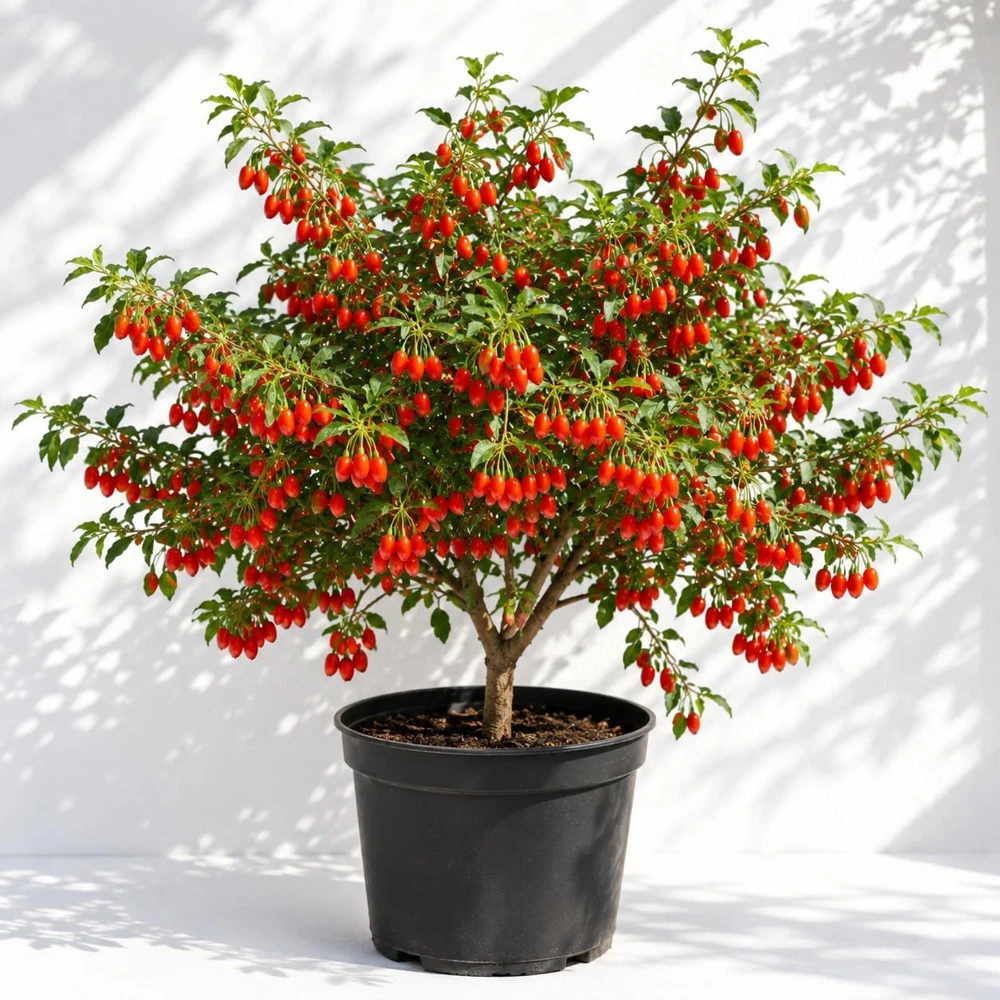
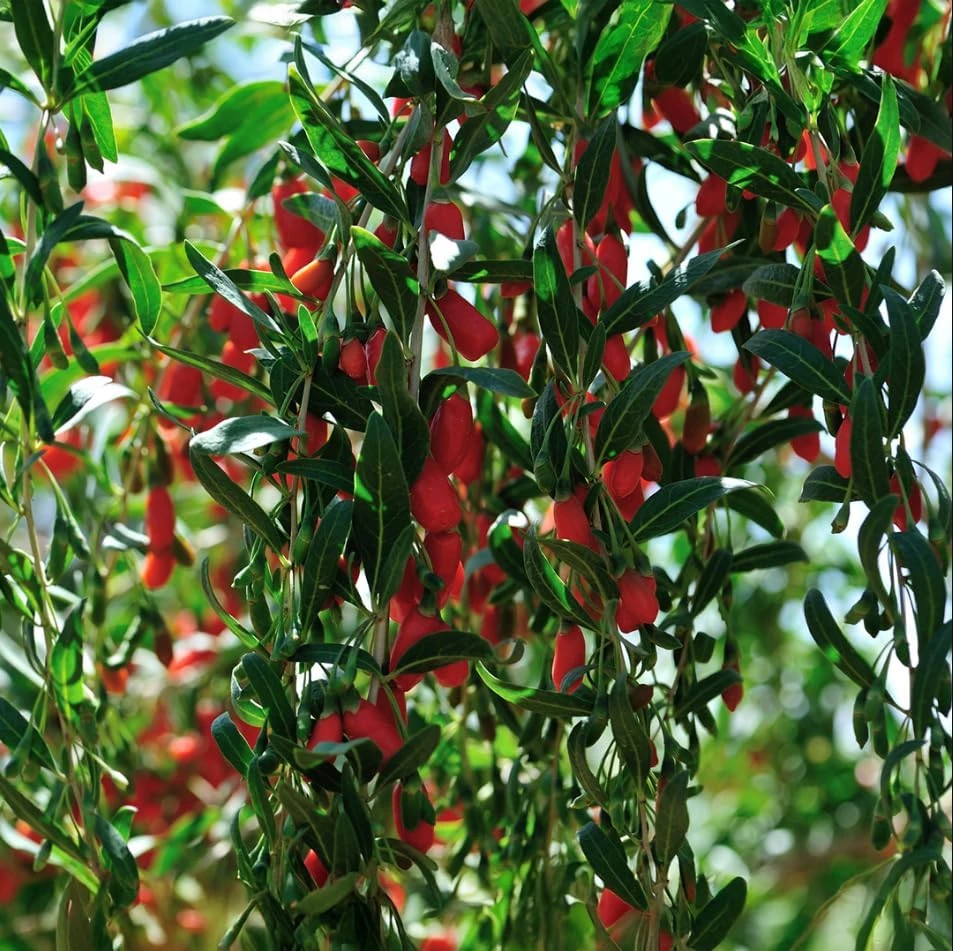
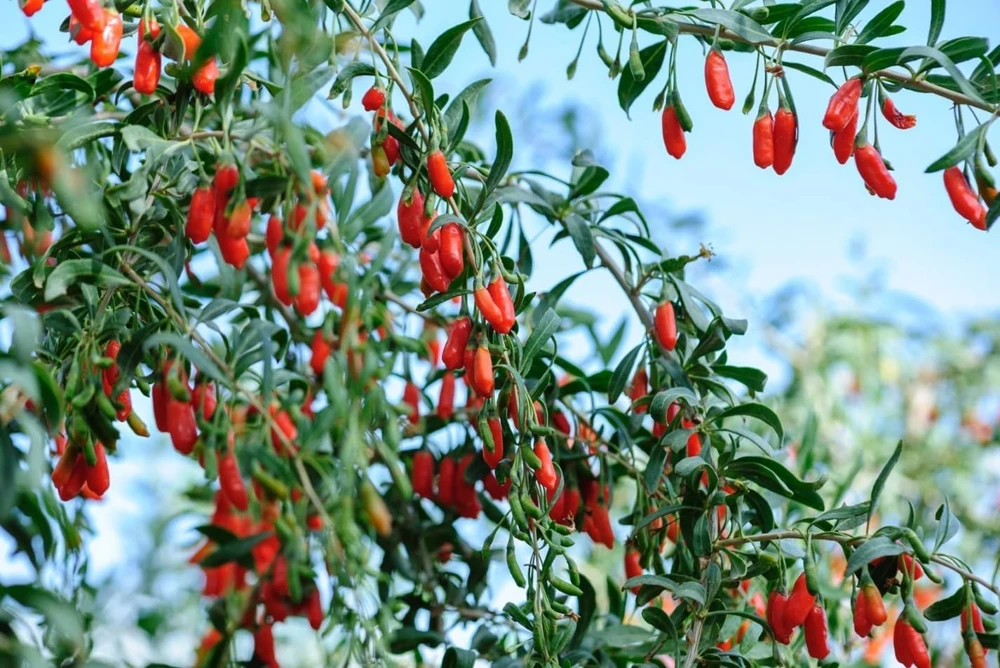
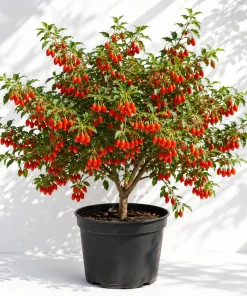
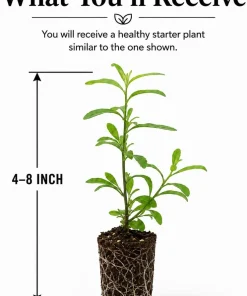
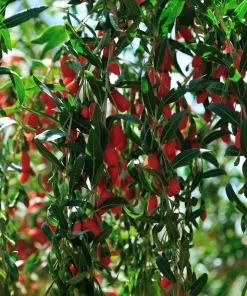
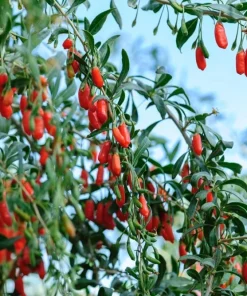
Goji Berry Live Plant, 4-8 Inch, Red Tropical Perennial Fruit Bush for Planting
Original price was: $42.99.$17.99Current price is: $17.99.
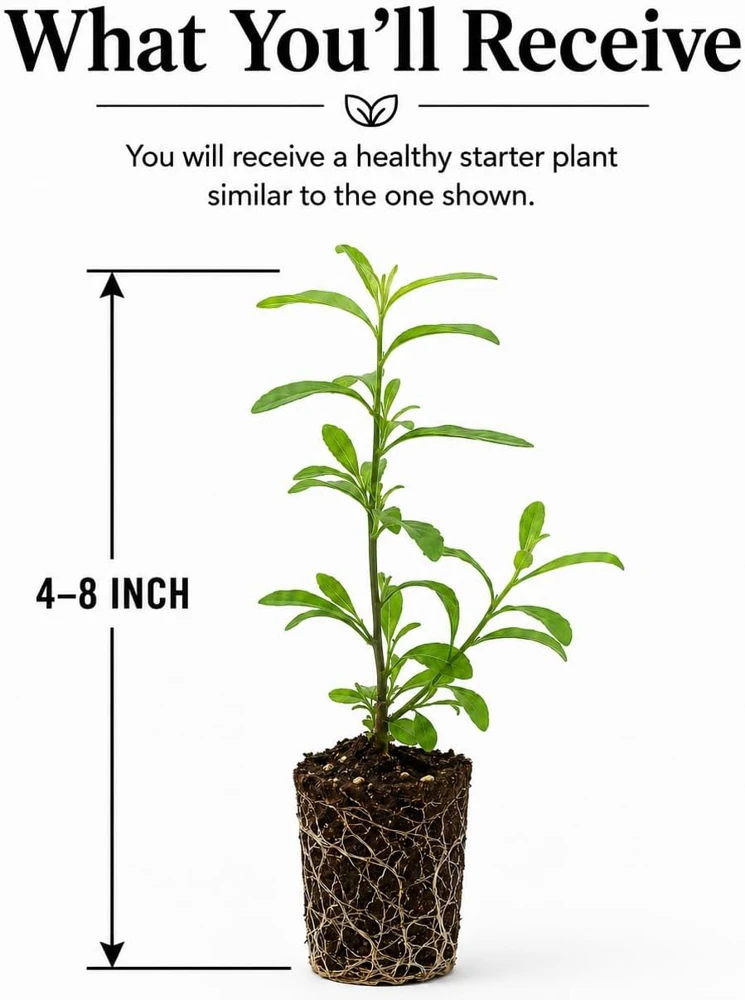
Cultivate your own superfood with this vibrant goji berry live plant. A tropical perennial fruit tree, it’s perfect for gardening enthusiasts looking to add a resilient and productive shrub to their landscape. Arrives as a 4-8 inch tall plant, ready for planting.
Estimated arrival
Oct 27
Nov 01 - Nov 03
Nov 06 - Nov 10
Shop With Confidence
30-Day Plant Health Guarantee
Arrives damaged? We’ll replace it free — see our return policy.
Responsive Support
Email us anytime, we reply within 1 business day.
Expert Packaging
Temperature-controlled shipping to protect your plants in transit.
Secure Checkout
Pay safely with Visa, Mastercard, PayPal.
Plant Specifications
-
USDA Hardiness Zone
5-9 -
Soil Type
Well-draining soil -
Sunlight Exposure
Full sun -
Expected Planting Period
Late spring to summer
Overview
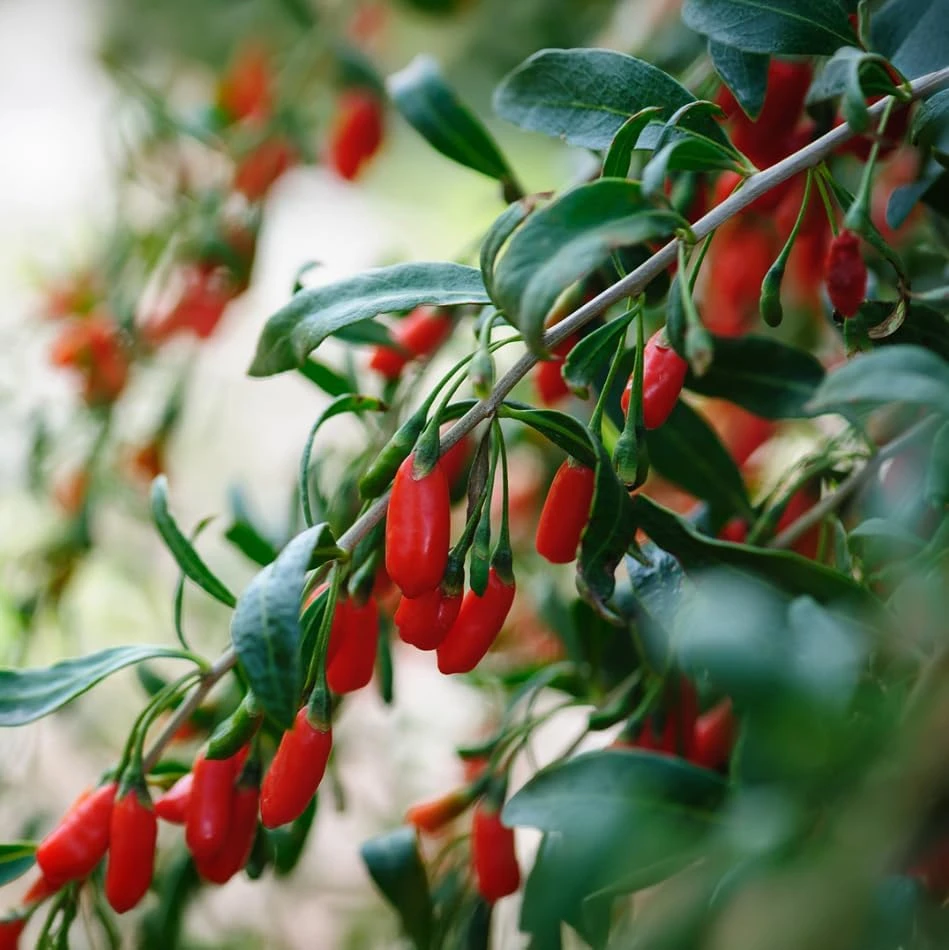
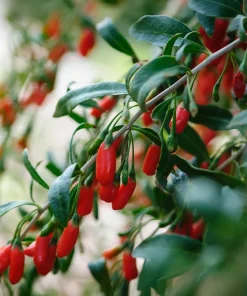
Embark on a journey of home-grown superfoods with our premium goji berry live plant. This remarkable tropical perennial fruit tree, scientifically known as Lycium barbarum, is celebrated for its vibrant red berries, packed with antioxidants and essential nutrients. Originating from Asia, the goji berry plant is a resilient shrub that brings both ornamental beauty and edible rewards to your garden. Whether you’re an experienced horticulturist or a budding enthusiast, growing your own goji berries offers a unique and satisfying experience. These plants are known for their adaptability and ability to thrive in various conditions, making them a fantastic addition to many home gardens across the United States.
Our goji berry live plant is carefully nurtured to ensure a strong start in your garden. It arrives as a young, healthy specimen, typically 4-8 inches tall, ready to be transplanted into its new home. This robust bush will quickly establish itself, eventually producing an abundance of sweet and slightly tangy red berries. Enjoy the satisfaction of harvesting fresh goji berries directly from your own backyard, knowing they are free from pesticides and grown with care. The plant’s attractive foliage and delicate flowers also add a touch of exotic charm to any landscape.
Key Benefits
Cultivating a goji berry live plant offers a multitude of advantages, enhancing both your garden and your well-being. From its nutritional output to its ease of care, this plant is a valuable addition to any home.
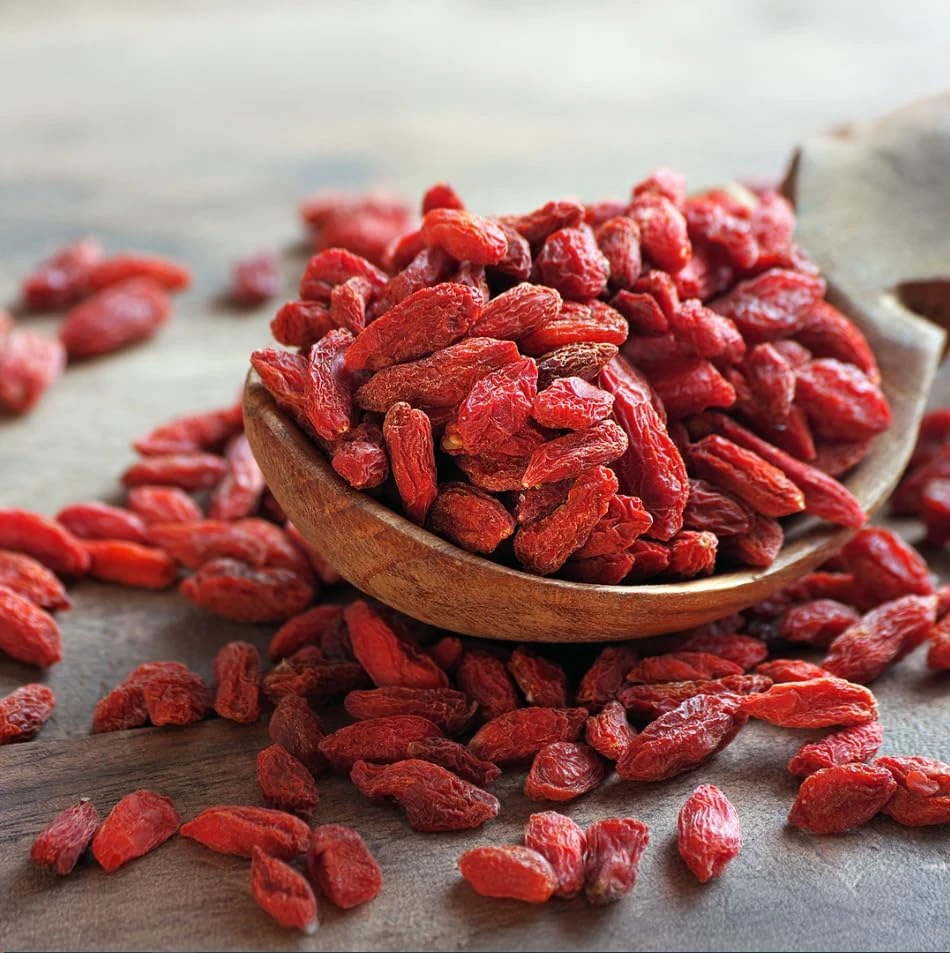
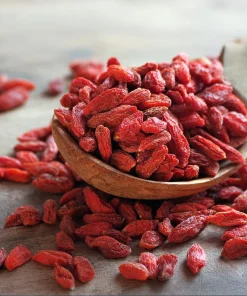
- Nutrient-Rich Harvest: Enjoy a consistent supply of fresh, organic goji berries known for their high levels of vitamins, minerals, and antioxidants. These berries can be eaten fresh, dried, or added to smoothies and desserts.
- Hardy and Resilient: The goji berry live plant is incredibly tough, tolerating a wide range of temperatures and soil conditions once established. This makes it a low-maintenance choice for many gardeners.
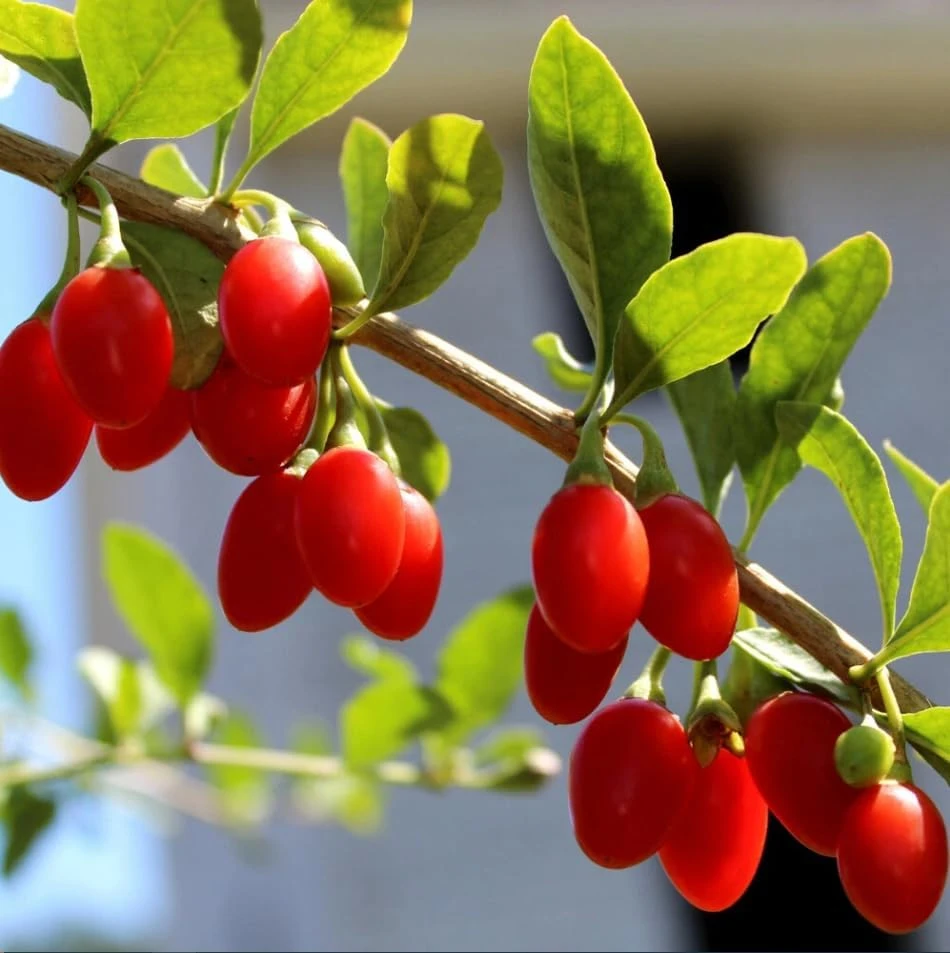
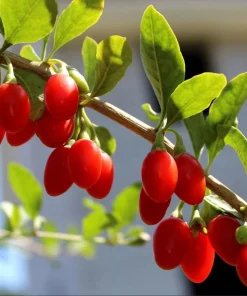
- Beautiful Landscape Addition: With its slender branches, green foliage, and bright red berries, the goji berry bush adds an attractive and unique element to your garden design. It can be grown as a specimen plant or integrated into edible landscapes.
- Attracts Pollinators: The plant’s delicate purple flowers attract bees and other beneficial pollinators, contributing to the health and biodiversity of your garden ecosystem.
- Long Production Season: Goji berries typically produce fruit from late spring through summer, providing a prolonged harvest period for fresh enjoyment.
- Versatile Use: Beyond fresh eating, grow goji berries for drying, making jams, juices, or incorporating into various culinary creations, offering diverse ways to enjoy your harvest.
- Easy to Propagate: Once established, goji plants can be relatively easy to propagate from cuttings, allowing you to expand your berry patch or share with friends.
Plant Care & Growing Tips
Ensuring the success of your goji berry live plant involves understanding its basic needs for sunlight, water, and soil. These plants are generally forgiving, but optimal conditions will lead to a more bountiful harvest of delicious red berries.
Sunlight Requirements: Goji berry plants thrive in full sun, requiring at least 6-8 hours of direct sunlight per day to produce the best fruit. While they can tolerate partial shade, fruit production may be reduced. Choose a location in your garden that receives ample sun exposure throughout the day. If you are wondering how to grow goji berries successfully, sufficient light is paramount.
Watering Schedule & Soil: This tropical perennial fruit tree prefers well-draining soil. During establishment, water regularly to keep the soil consistently moist but not waterlogged. Once mature, goji plants are quite drought-tolerant, but consistent moisture during dry spells will encourage better fruit development. Avoid heavy, clay soils that retain too much water, as this can lead to root rot. A slightly sandy or loamy soil with a pH between 6.5 and 7.0 is ideal. Incorporating organic matter can improve drainage and fertility.
Temperature & Hardiness: Goji berry plants are remarkably hardy and can withstand a wide range of temperatures, from -20 degrees Fahrenheit to 100 degrees Fahrenheit. They are suitable for USDA Zones 5-9, meaning they can tolerate significant winter cold and summer heat. Providing some winter protection in the colder end of their range (Zone 5) can help ensure their survival and early spring growth. This resilience is a key aspect of goji berry plant care.
Fertilization: While tolerant of poor soils, a balanced, slow-release fertilizer applied in early spring can boost growth and fruit production. Avoid excessive nitrogen, which can lead to lush foliage at the expense of berries. Composted manure or an organic all-purpose fertilizer works well. Pruning is also important for maintaining plant health and encouraging fruit. Prune in late winter or early spring to remove dead or weak branches and to shape the bush for easier harvesting. You’ll soon see your red goji berry bush flourish.
Size & Details
This offering is for one healthy goji berry live plant, typically measuring 4-8 inches tall upon arrival. It is shipped as a bare root or a small starter plant, without a pot, to minimize shipping stress and allow for easy transplanting into your garden or a larger container. These plants have a moderate to fast growth rate, and with proper care, they can reach a mature height of 5-10 feet and a spread of 4-6 feet, though they can be kept smaller with regular pruning. Expect your plant to begin producing fruit within 1-2 years after planting, with full production typically achieved by the third year. The plant’s indeterminate growth habit means it will continue to produce berries throughout the late spring and summer months.
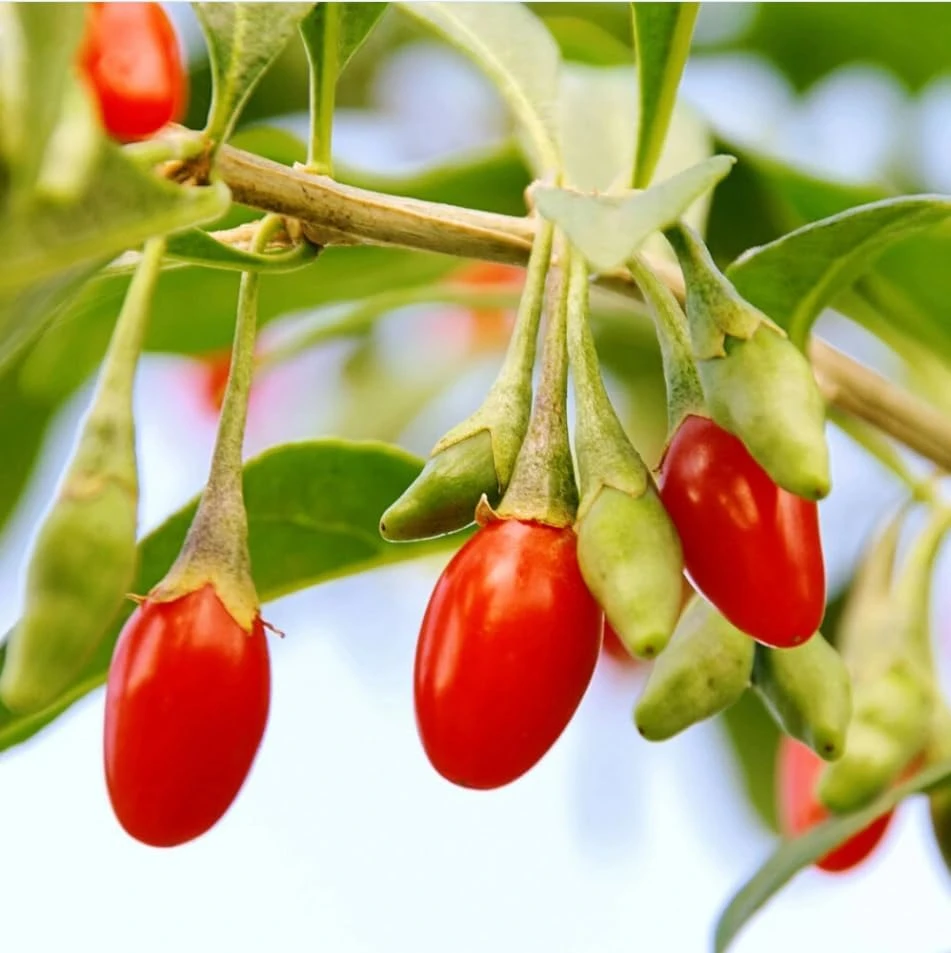
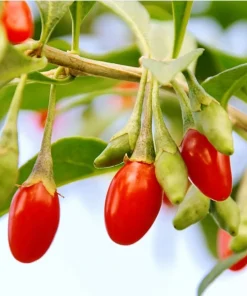
The goji berry live plant is a long-lived perennial, providing many years of delicious harvests. Its flexible branches can be trained on a trellis or allowed to grow as a free-standing bush. The vibrant red berries are oval-shaped and ripen to a sweet, slightly tart flavor, making them a versatile addition to your diet. This hardy shrub is an excellent investment for any edible landscape or permaculture garden, promising a steady supply of nutrient-dense fruit.
Frequently Asked Questions
- Q: How big does this plant get? A: Your goji berry live plant typically arrives 4-8 inches tall. With proper care, it can grow to a mature height of 5-10 feet and a spread of 4-6 feet, though it can be kept smaller with pruning.
- Q: Is this an indoor or outdoor plant? A: The goji berry live plant is primarily an outdoor plant, thriving in full sun. It is a deciduous shrub that requires a dormancy period and is best suited for garden planting in USDA Zones 5-9.
- Q: How much sunlight does it need? A: This plant requires at least 6-8 hours of direct sunlight daily to ensure optimal growth and fruit production. Full sun exposure is crucial for a bountiful harvest of goji berries.
- Q: Is this plant easy to care for? A: Yes, the goji berry live plant is considered relatively easy to care for once established. It’s known for its hardiness and drought tolerance, making it suitable for gardeners of various experience levels, especially those looking to grow goji berries.
- Q: What condition will it arrive in? A: Your plant will arrive as a healthy, young specimen, typically 4-8 inches tall, either as a bare root or in a small starter plug, ready for immediate planting in your garden.
- Q: How long until it blooms and produces fruit? A: Goji berry plants typically begin to bloom and produce fruit within 1-2 years after planting, with more significant harvests expected in the third year and beyond.
- Q: Will it survive winter in my zone? A: Yes, this tropical perennial fruit tree is hardy in USDA Zones 5-9, meaning it can tolerate winter temperatures as low as -20 degrees Fahrenheit. Providing mulch around the base can offer extra protection in colder zones.
- Q: What type of soil is best for a red goji berry bush? A: A red goji berry bush prefers well-draining soil with a pH between 6.5 and 7.0. Loamy or sandy soil enriched with organic matter is ideal for healthy growth and fruit production.
- Q: Can I grow this plant in a pot? A: While goji berry plants prefer to be planted directly in the ground, they can be grown in large containers (at least 15-20 gallons) with good drainage, especially in areas outside their optimal hardiness zones.
- Q: Is this the ‘Lycium barbarum’ variety? A: Yes, this goji berry live plant is indeed the Lycium barbarum species, commonly known for producing the highly sought-after red goji berries.
Be the first to review “Goji Berry Live Plant, 4-8 Inch, Red Tropical Perennial Fruit Bush for Planting”
People Also Viewed
Flower Plants
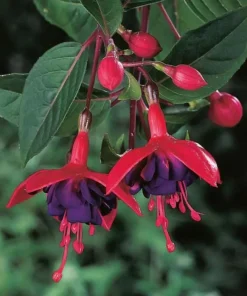
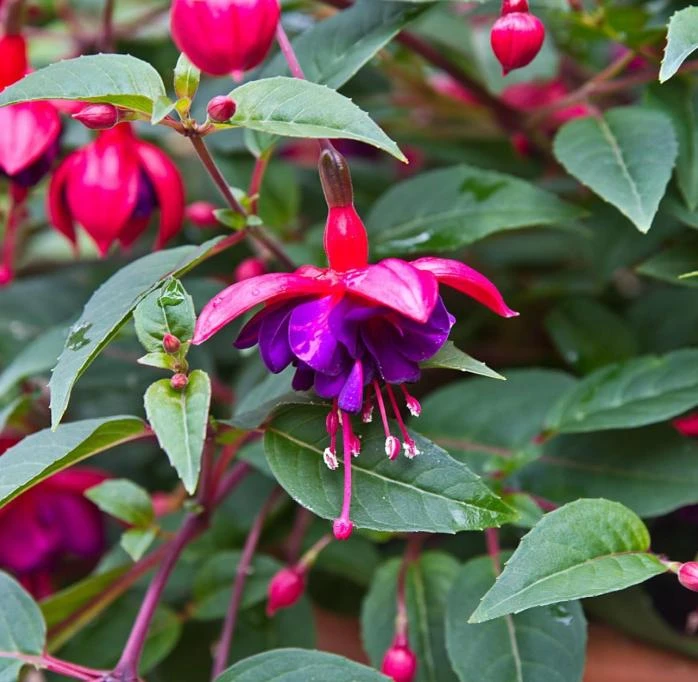
Dollar Princess Fuchsia Live Plant – 5″ Pot – Pink & Purple Flowering Ornamental – Shade-Loving
Reviews
There are no reviews yet.