



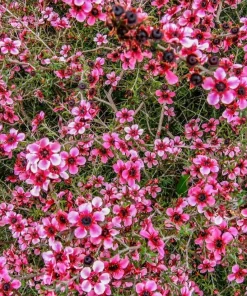
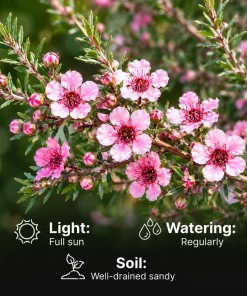
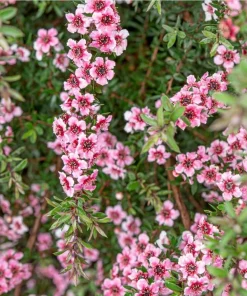
Pink Manuka Tea Live Plant (2 Pack) – Leptospermum scoparium – 4-6 Inch Tall Bush for Outdoor
Original price was: $53.99.$28.99Current price is: $28.99.
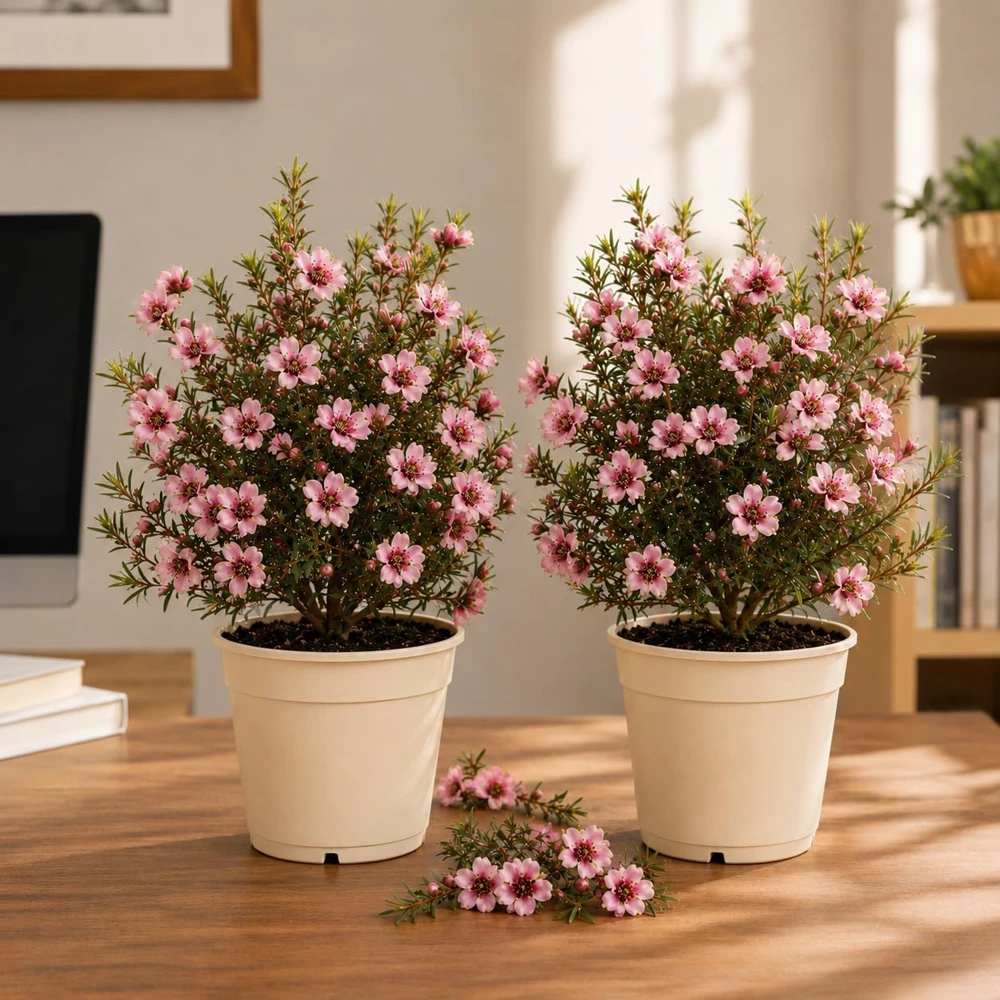
Bring vibrant color to your garden with this pink manuka tea plant 2-pack. These Leptospermum scoparium live plant starters, 4-6 inches tall, will develop into beautiful manuka bushes with stunning pink flowers. Ideal for outdoor planting in USDA Zones 9-11.
Estimated arrival
Oct 27
Nov 01 - Nov 03
Nov 06 - Nov 10
Shop With Confidence
30-Day Plant Health Guarantee
Arrives damaged? We’ll replace it free — see our return policy.
Responsive Support
Email us anytime, we reply within 1 business day.
Expert Packaging
Temperature-controlled shipping to protect your plants in transit.
Secure Checkout
Pay safely with Visa, Mastercard, PayPal.
Plant Specifications
-
USDA Hardiness Zone
9–11 -
Soil Type
Well-draining soil -
Sunlight Exposure
Full sun -
Expected Planting Period
Spring to early summer
Overview
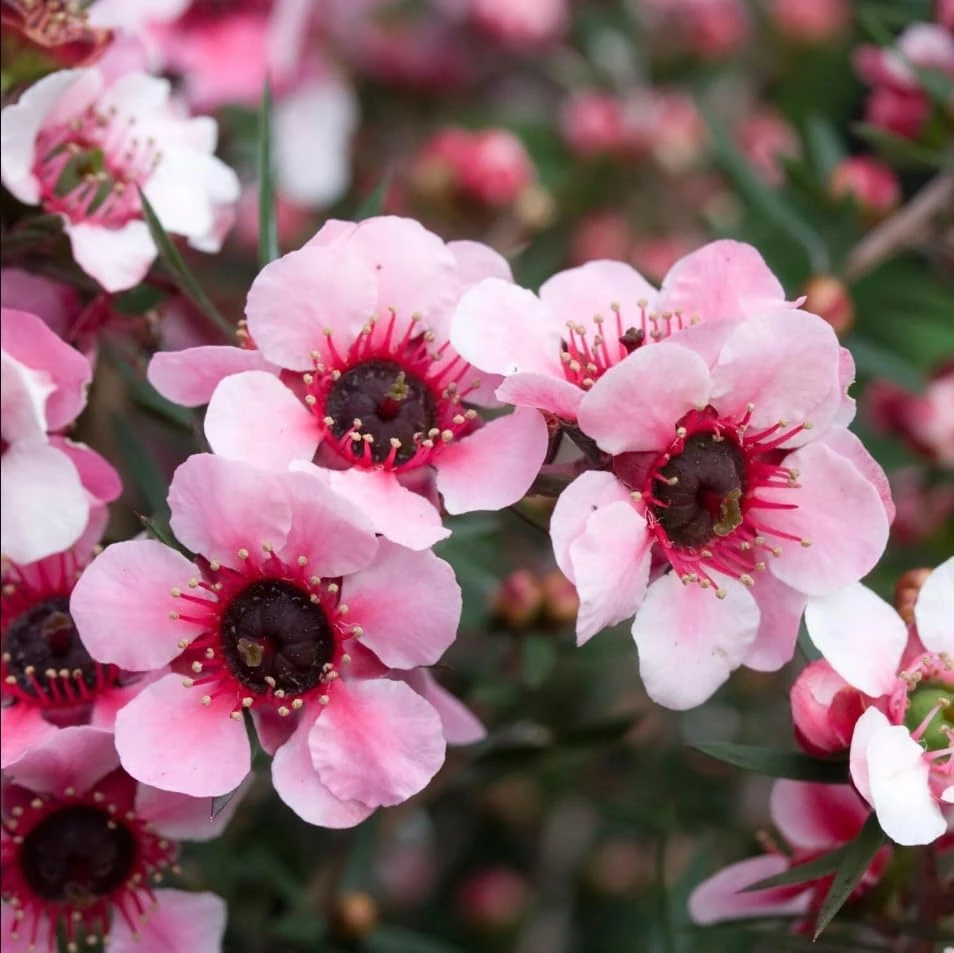
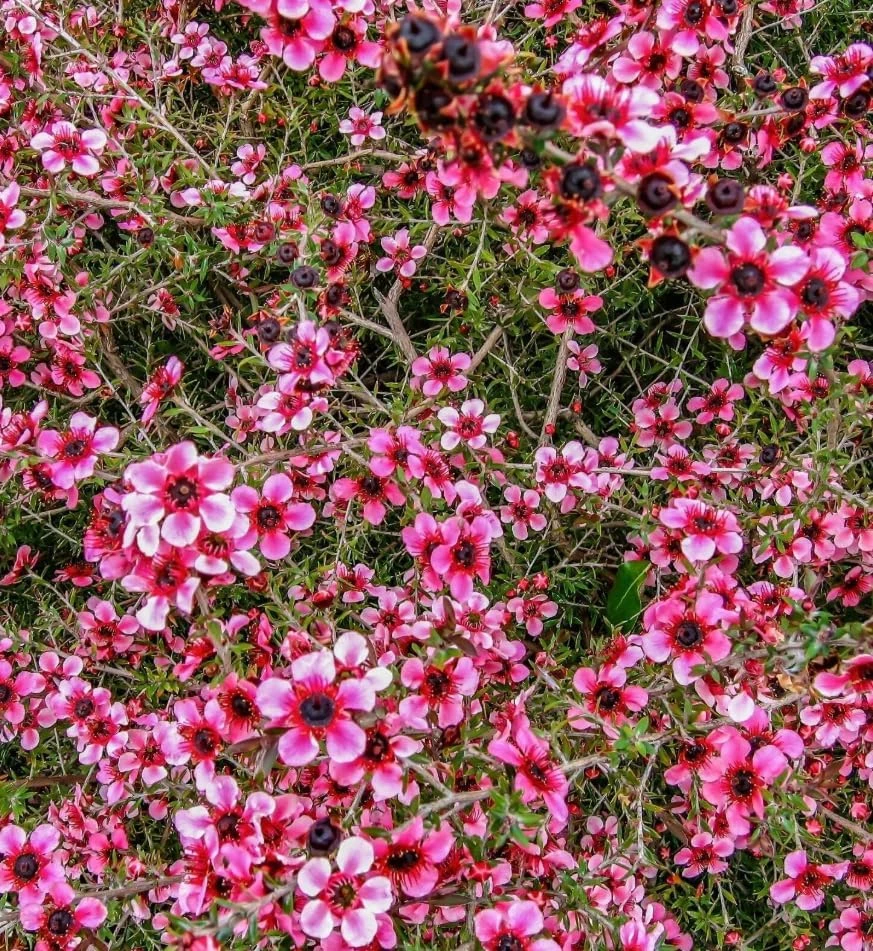
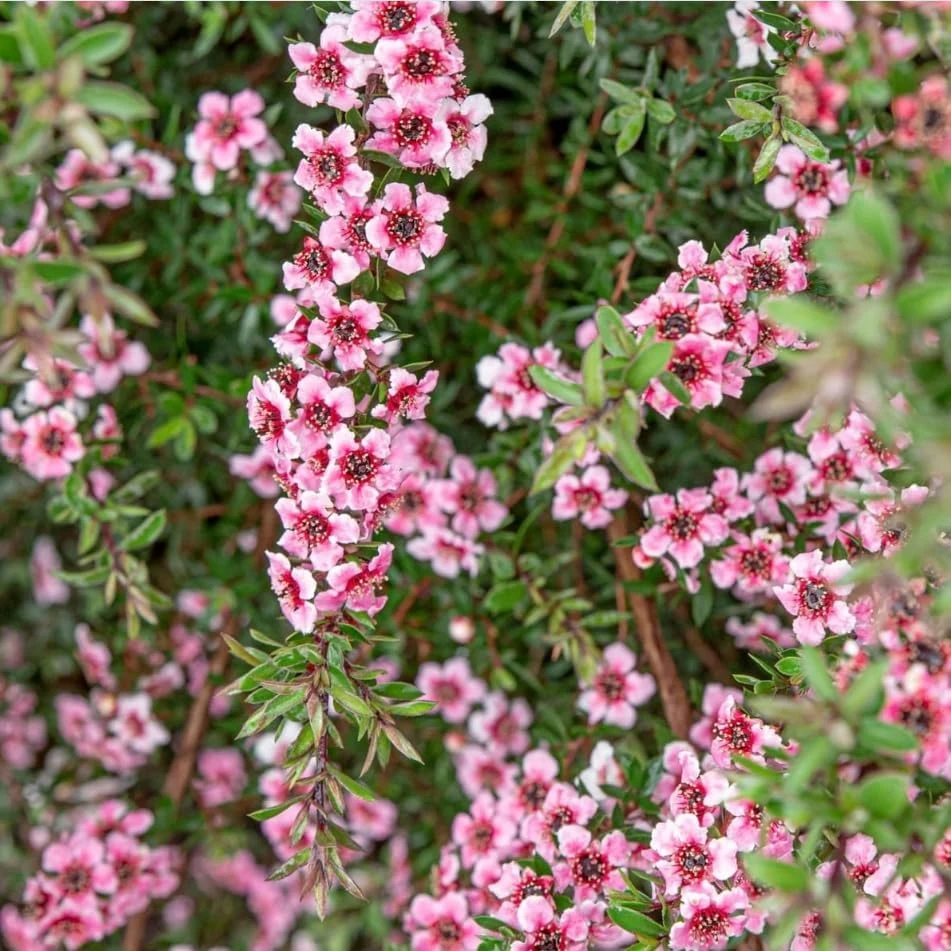
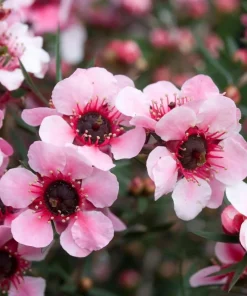
Introduce a touch of elegance and natural beauty to your landscape with our pink manuka tea plant 2-pack. These exquisite Leptospermum scoparium live plant specimens are known for their delicate, yet vibrant, pink flowers that bloom profusely, creating a stunning visual display. Originating from New Zealand and Australia, the Manuka plant, also commonly referred to as the Manuka Bush, is a versatile evergreen shrub that can enhance various garden styles, from cottage gardens to more formal landscapes. You will receive young starter plants, approximately 4-6 inches tall, ready for planting and nurturing into mature, flowering shrubs. While you may receive young starter plants without current blooms, they are poised to grow into robust plants, promising a spectacular show of color in the future. The pink manuka tea plant is a resilient and rewarding addition for gardeners looking for a unique and attractive flowering shrub.
Key Benefits
Choosing the pink manuka tea plant for your garden offers a multitude of advantages, enhancing both the aesthetic appeal and ecological value of your outdoor space. This beautiful shrub is not just a pretty face; it’s a robust grower with several desirable traits.
- Stunning Floral Display: Enjoy an abundance of charming pink flowers that cover the bush from spring to early summer, providing a long-lasting and impressive visual impact. These blooms are a true highlight, transforming your garden into a lively sanctuary.
- Pollinator Attraction: The nectar-rich flowers of the Leptospermum scoparium live plant are highly attractive to bees, butterflies, and other beneficial pollinators, contributing to the health and biodiversity of your local ecosystem.
- Low Maintenance: Once established, the manuka bush for sale is relatively easy to care for, requiring minimal attention beyond regular watering during dry spells and occasional pruning to maintain shape. This makes it an excellent choice for busy gardeners.
- Evergreen Foliage: Maintain year-round interest in your garden with the attractive, small, and aromatic evergreen leaves of the Manuka plant. Its dense foliage provides a lush backdrop even when not in bloom.
- Drought Tolerance: After establishment, these plants exhibit good drought tolerance, making them suitable for water-wise landscaping in appropriate climates.
- Versatile Landscaping: Perfect for use as a specimen plant, in mixed borders, as an informal hedge, or even in large containers. The pink manuka tea plant adapts well to various garden designs.
Plant Care & Growing Tips
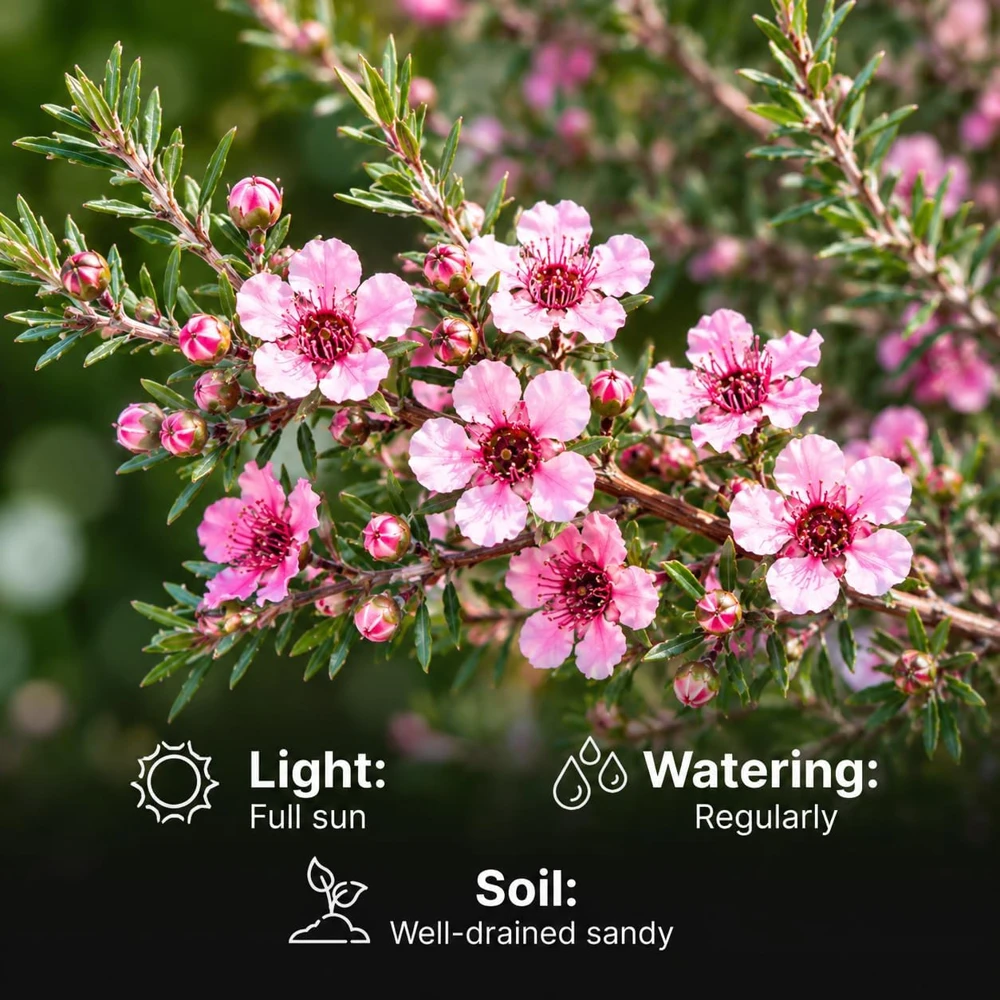
To ensure your pink manuka tea plant thrives and provides years of beautiful blooms, understanding its specific care requirements is essential. This resilient shrub prefers a full sun location, meaning it should receive at least 6 hours of direct sunlight per day to encourage the most prolific flowering. While it can tolerate partial shade, flowering may be reduced. Ensure your planting site has well-draining soil; Manuka plants do not tolerate waterlogged conditions. If your soil is heavy clay, amend it with organic matter like compost or sand to improve drainage. When you are growing manuka tea plant, water regularly during the first growing season to help establish a strong root system. Once established, it becomes more drought-tolerant, but moderate watering is still recommended, especially during prolonged dry periods. Always allow the top inch or two of soil to dry out between waterings.
The ideal temperature range for the pink manuka tea plant is between 50 and 85 degrees Fahrenheit. It is hardy in USDA Zones 9–11, meaning it can withstand mild frosts but may require protection in colder climates. Fertilize sparingly; a balanced, slow-release fertilizer in early spring is usually sufficient. Avoid over-fertilizing, which can lead to excessive foliage growth at the expense of flowers. Pruning should be done after the main flowering period to maintain shape and encourage bushier growth. Remove any dead or damaged branches. Watch out for common pests like scale insects or spider mites, and treat with horticultural oil or insecticidal soap if necessary. By following these guidelines, your pink flowering shrub will flourish.
Size & Details
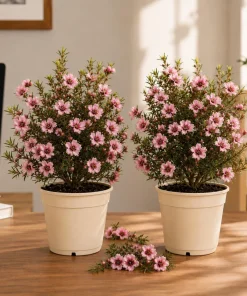
You will receive a pack of two pink manuka tea plant starter plants, each approximately 4-6 inches tall. These young plants are carefully selected to ensure healthy growth and establishment in your garden. Manuka bushes are known for their moderate growth rate, typically reaching a mature height of 6-10 feet and a similar spread, depending on growing conditions and pruning. The plants are shipped without pots to minimize shipping costs and environmental impact, allowing you to plant them directly into your chosen location or larger containers upon arrival. While they may not have flowers upon arrival, these starters are primed to develop into robust, flowering shrubs, offering a spectacular display of pink blooms from spring to early summer in their mature form. The leptospermum scoparium live plant is a long-lived shrub, providing beauty for many years.
Frequently Asked Questions
- Q: How big will the pink manuka tea plant get? A: A: The pink manuka tea plant typically grows to a mature height of 6-10 feet and can spread similarly, depending on growing conditions and whether it’s pruned. It forms a dense, attractive bush.
- Q: Is this an indoor or outdoor plant? A: This is primarily an outdoor shrub, best suited for gardens in USDA Zones 9-11. It thrives in full sun and can tolerate mild frosts.
- Q: How much sunlight does the Leptospermum scoparium live plant need? A: It requires full sun, meaning at least 6 hours of direct sunlight per day, to produce the most abundant flowers. It can tolerate partial shade, but flowering may be reduced.
- Q: What condition will the plants arrive in? A: You will receive young starter plants, 4-6 inches tall, without pots. They are carefully packaged to ensure they arrive healthy and ready for planting. They may not have flowers upon arrival.
- Q: Is this manuka bush for sale easy to care for? A: Yes, once established, the Manuka bush is relatively low-maintenance. It requires well-draining soil, moderate watering, and occasional pruning.
- Q: When is the best time to plant a pink manuka tea plant? A: Spring to early summer is generally the best time for planting, allowing the plant to establish its root system before extreme weather.
- Q: Will this growing manuka tea plant survive winter in my zone? A: It is hardy in USDA Zones 9-11. If you are in a colder zone, you may need to provide winter protection or grow it in a container that can be moved indoors.
- Q: What kind of soil does the pink flowering shrub prefer? A: It thrives in well-draining soil. Amending heavy clay soils with organic matter can improve drainage and overall plant health.
- Q: How often should I water the pink manuka tea plant? A: Water regularly during establishment. Once mature, water moderately, allowing the top soil to dry out between waterings. Avoid waterlogged conditions.
Be the first to review “Pink Manuka Tea Live Plant (2 Pack) – Leptospermum scoparium – 4-6 Inch Tall Bush for Outdoor”
People Also Viewed
Reviews
There are no reviews yet.