
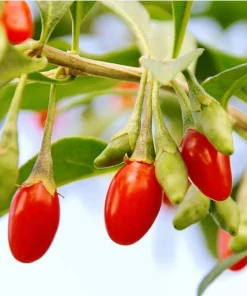
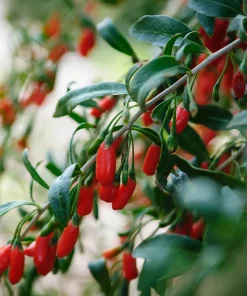
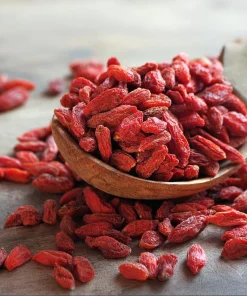
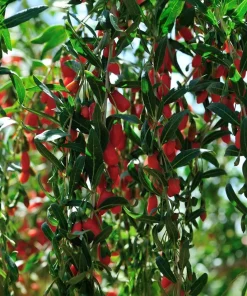
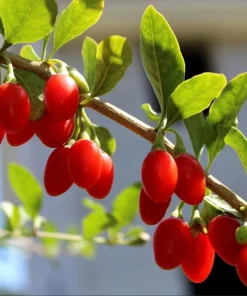
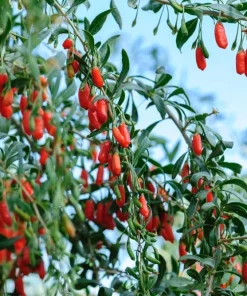
Goji Berry Live Plant – Red Goji Bush for Home Garden, 4-8 Inch Tall
Original price was: $42.99.$17.99Current price is: $17.99.
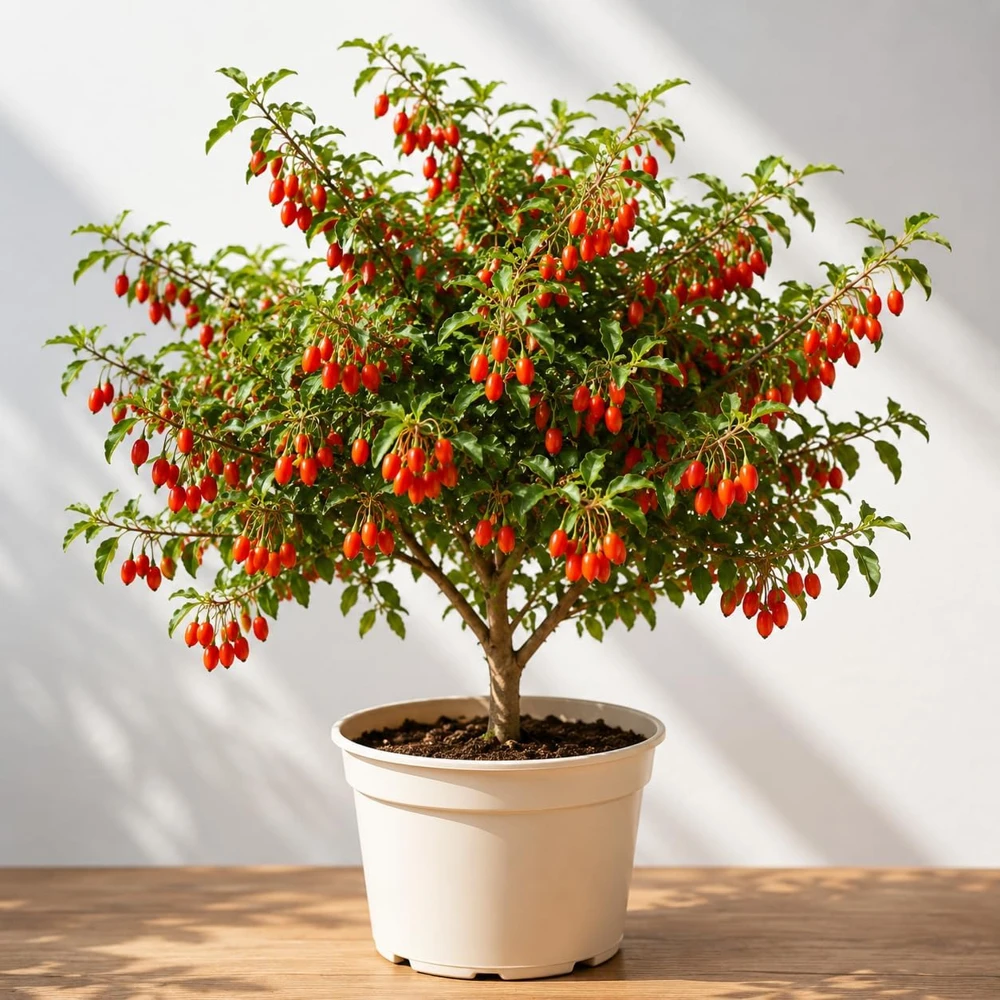
Cultivate your own superfood with this goji berry live plant. This 4-8 inch tall red goji bush is a tropical perennial fruit tree, perfect for home gardens. Enjoy fresh goji berries from late spring to summer. Hardy in USDA Zones 5-9, it thrives in full sun with well-draining soil.
Estimated arrival
Oct 27
Nov 01 - Nov 03
Nov 06 - Nov 10
Shop With Confidence
30-Day Plant Health Guarantee
Arrives damaged? We’ll replace it free — see our return policy.
Responsive Support
Email us anytime, we reply within 1 business day.
Expert Packaging
Temperature-controlled shipping to protect your plants in transit.
Secure Checkout
Pay safely with Visa, Mastercard, PayPal.
Plant Specifications
-
USDA Hardiness Zone
5-9 -
Soil Type
Well-draining soil -
Sunlight Exposure
Full sun -
Expected Planting Period
Early spring to early fall
Overview
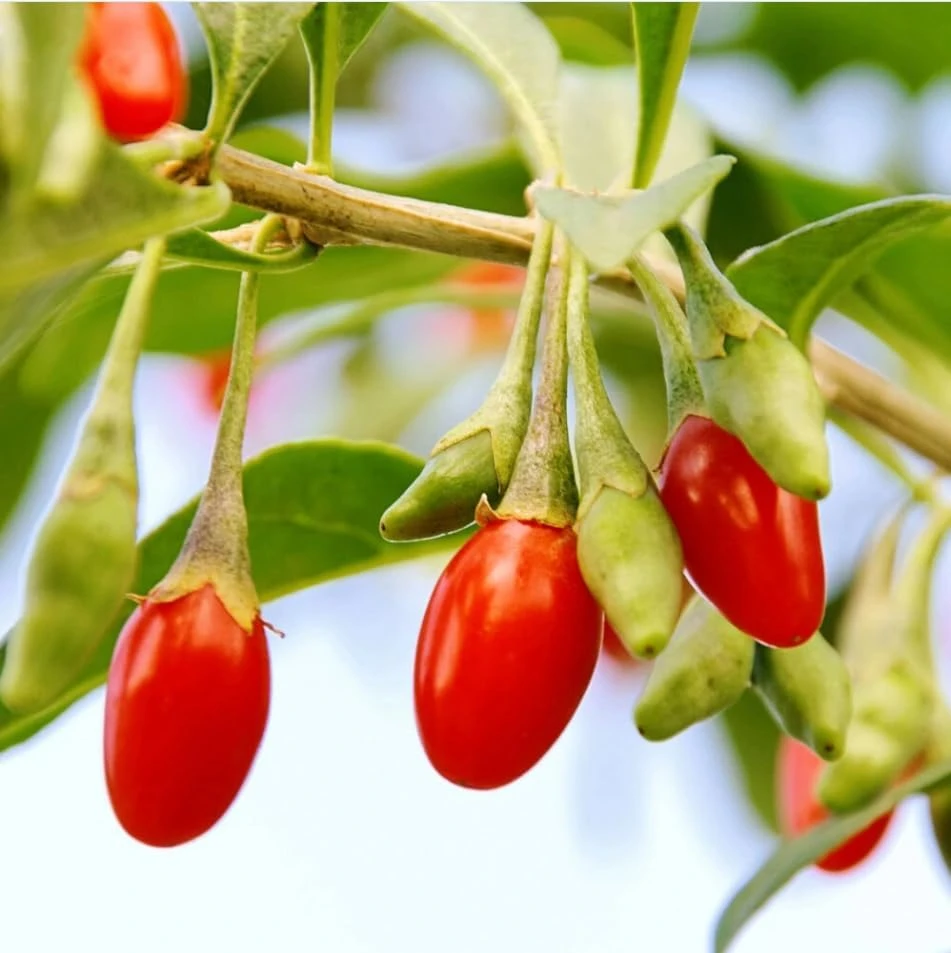
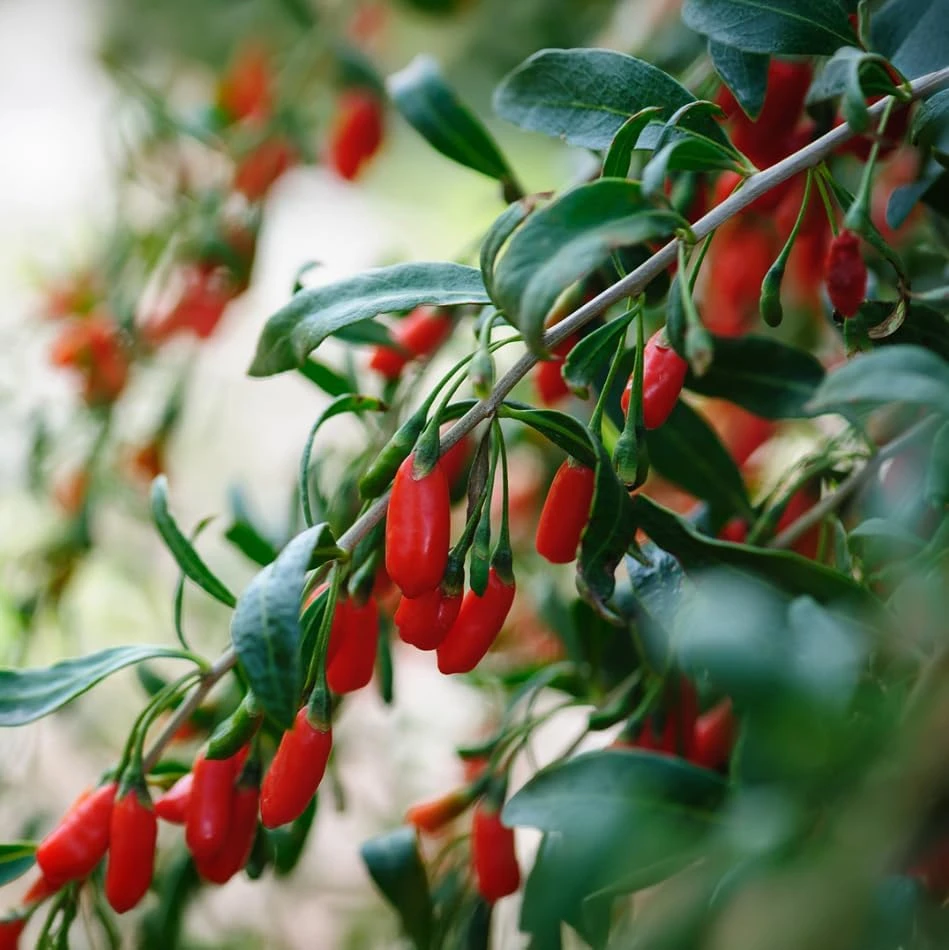
Introduce a powerhouse of nutrition and vibrant beauty to your home garden with this exquisite goji berry live plant. Known for its bright red, nutrient-dense berries, the goji berry (Lycium barbarum) is a versatile and resilient perennial shrub that offers both ornamental appeal and a bountiful harvest. This particular offering is a vigorous young plant, typically 4-8 inches tall, ready for planting directly into your garden or a suitable container. Often referred to as a red goji bush, these plants are celebrated for their ease of care and adaptability, making them an excellent choice for both seasoned gardeners and beginners looking to cultivate their own superfoods. Originating from Asia, goji berries have been cherished for centuries for their healthful properties and delicious, slightly sweet-tart flavor. Imagine stepping into your backyard and plucking fresh, organic goji berries right from your own plant!
Our goji berry live plant comes prepared for successful transplantation, ensuring a strong start in its new home. It’s a tropical perennial fruit tree that will continue to produce year after year with proper care. Whether you’re aiming to enhance your landscape with an attractive fruiting shrub or eager to incorporate fresh goji berries into your diet, this plant is an ideal addition. Its ability to tolerate a wide range of temperatures, from -20°F to 100°F, speaks to its robust nature, making it a reliable choice for diverse climates within its recommended hardiness zones.
Key Benefits
Adding a goji berry live plant to your garden offers a multitude of advantages beyond just its delicious fruit. This resilient shrub contributes to both the aesthetic and nutritional value of your outdoor space.
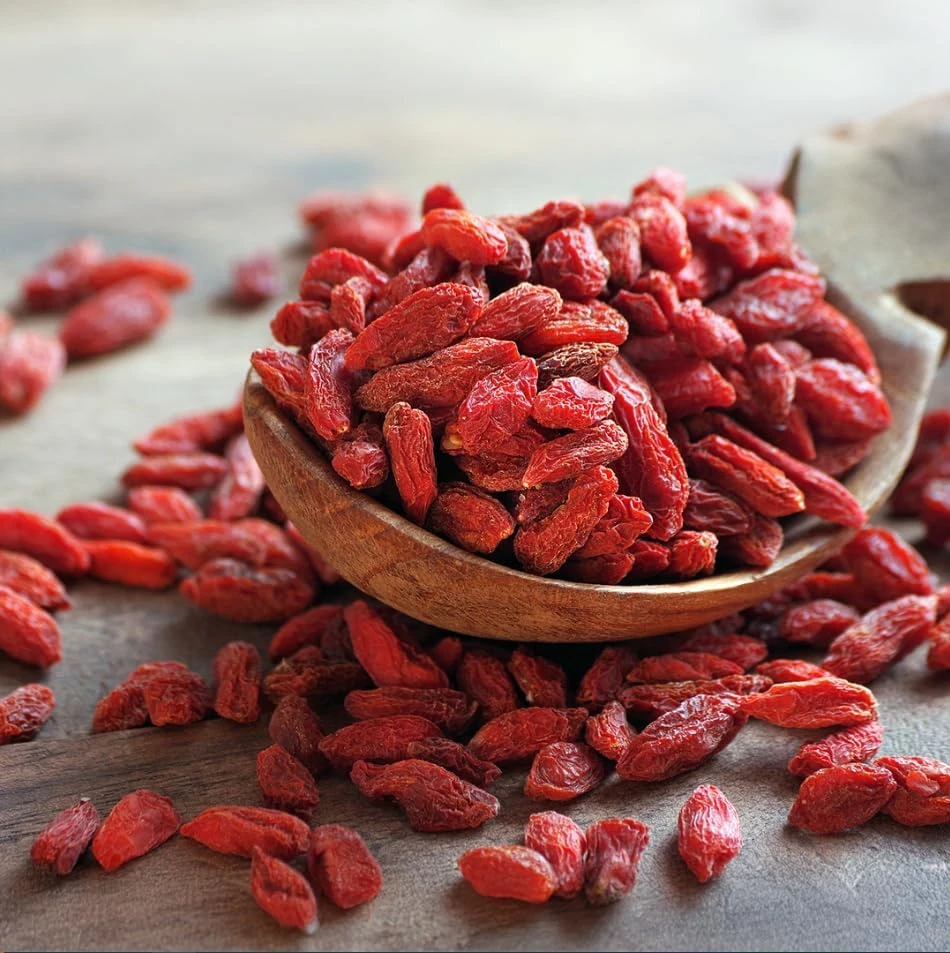
- Nutrient-Rich Harvest: Enjoy a continuous supply of fresh, organic goji berries, packed with antioxidants, vitamins, and minerals. Growing your own ensures you have access to the freshest, most potent berries for smoothies, snacks, and culinary creations.
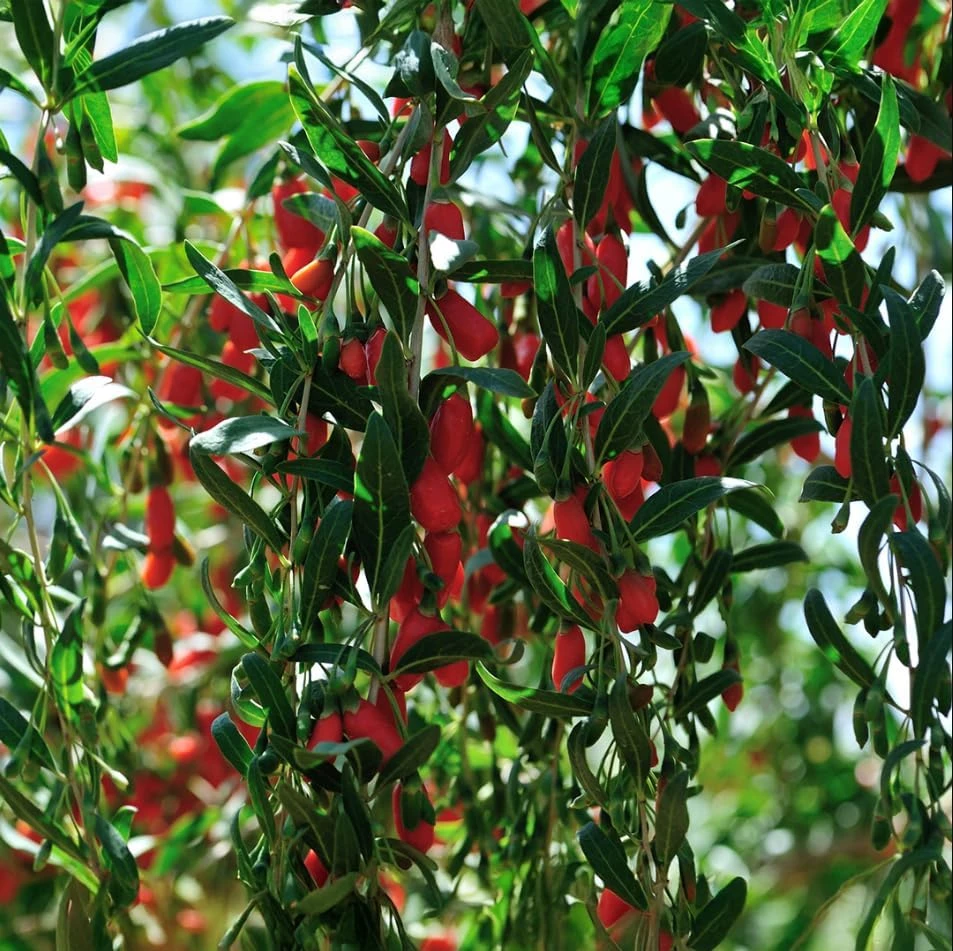
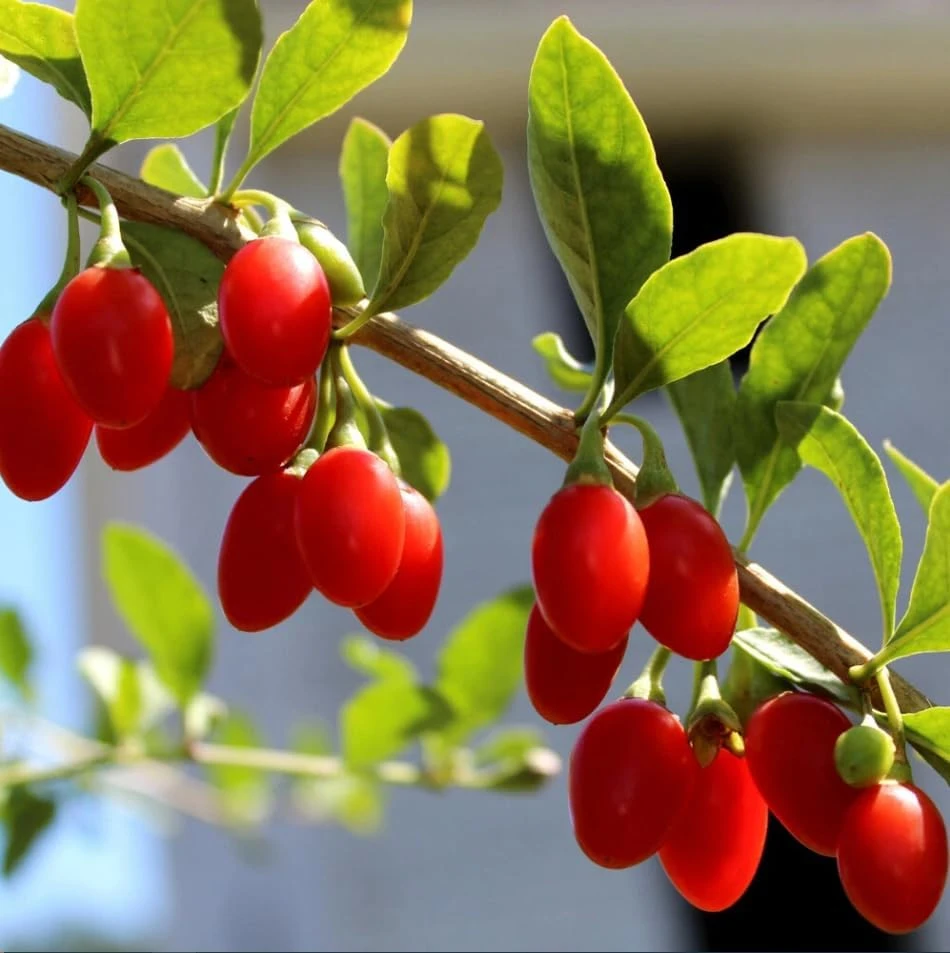
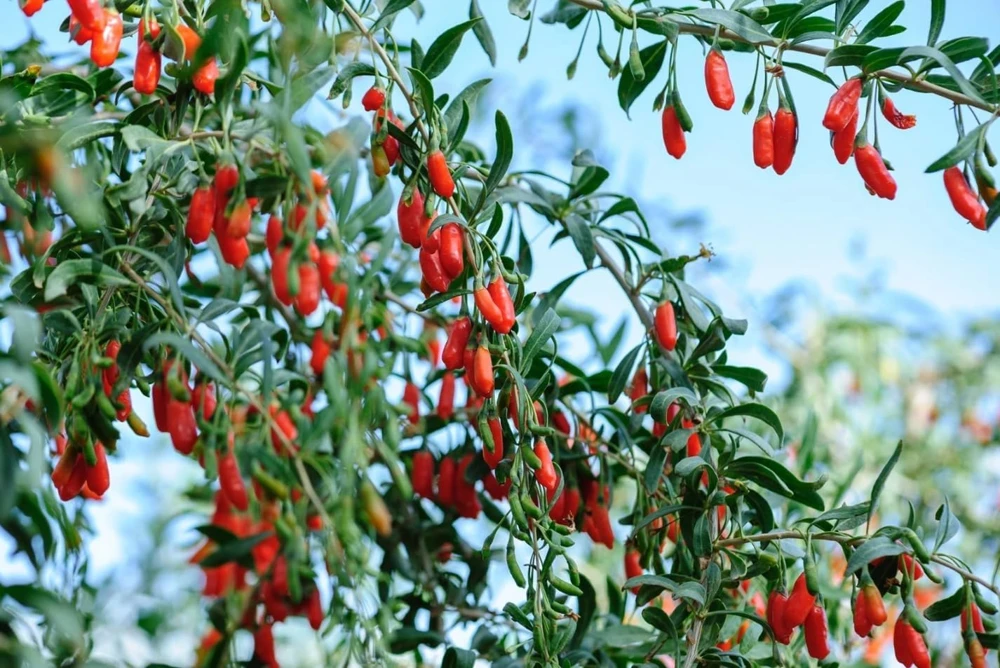
- Attractive Landscape Addition: The vibrant green foliage and bright red berries create an eye-catching display in your garden, adding visual interest throughout the growing season. The graceful arching branches of the red goji bush provide a unique texture.
- Easy to Grow: Goji berries are renowned for their hardiness and low-maintenance nature. They are forgiving plants that thrive in a variety of conditions, making them ideal for gardeners of all skill levels. Learning to grow goji berries is a rewarding experience.
- Perennial Production: As a perennial fruit plant, your goji berry bush will return year after year, providing a reliable harvest without the need for annual replanting. This long-term investment yields continuous returns.
- Adaptable to Various Climates: With a wide hardiness range of USDA Zones 5-9, this plant is suitable for many regions, able to withstand both cold winters and hot summers. This adaptability makes goji berry live plant a versatile choice.
- Pollinator Friendly: The small, lavender-colored flowers that precede the berries attract beneficial pollinators like bees, contributing to the overall health and biodiversity of your garden ecosystem.
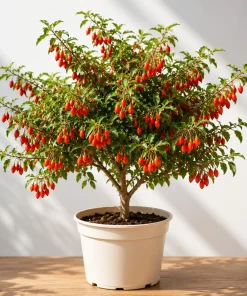
- Space-Efficient: While capable of growing into a sizable bush, goji berry plants can be pruned to maintain a more compact size, making them suitable for smaller gardens or even large containers.
Plant Care & Growing Tips
Caring for your goji berry live plant is straightforward and rewarding, leading to a healthy, fruit-producing bush. These plants are quite resilient, but providing optimal conditions will ensure the best growth and berry yield. The first step to success is choosing the right location. Goji berries thrive in full sun, meaning they need at least 6-8 hours of direct sunlight per day. A sunny spot will encourage more flowers and, subsequently, more fruit. They are tolerant of a wide temperature range, from -20°F to 100°F, making them suitable for USDA Zones 5-9.
When it comes to soil, goji berries prefer well-draining soil. While they can adapt to various soil types, a sandy loam with a neutral to slightly alkaline pH (6.5-7.5) is ideal. Ensure good drainage to prevent root rot, especially in heavier clay soils. Amend with organic matter like compost to improve soil structure and fertility. Water regularly during the establishment phase, typically the first year after planting, to help the root system develop. Once established, goji berries are relatively drought-tolerant, but consistent moisture during flowering and fruiting periods will enhance your harvest. Avoid overwatering, as this can be detrimental to the plant’s health. Fertilize in early spring with a balanced, slow-release fertilizer or a good quality organic compost to support vigorous growth and fruit production. Pruning is essential for maintaining plant shape, encouraging new growth, and maximizing fruit yield. Prune in late winter or early spring to remove dead or weak branches and to open up the canopy for better air circulation and sunlight penetration. You’ll find that with these simple steps, your red goji bush will flourish.
Common problems for goji berries are few, but keep an eye out for powdery mildew in humid conditions or aphids. Good air circulation and occasional organic pest control can manage these issues. Learning to grow goji berries successfully involves understanding their basic needs and responding to their signals. With a little attention, you’ll be enjoying fresh berries in no time. For those wondering how to grow goji berries from a young plant, remember that consistent care in the first year paves the way for years of abundant harvests.
Size & Details
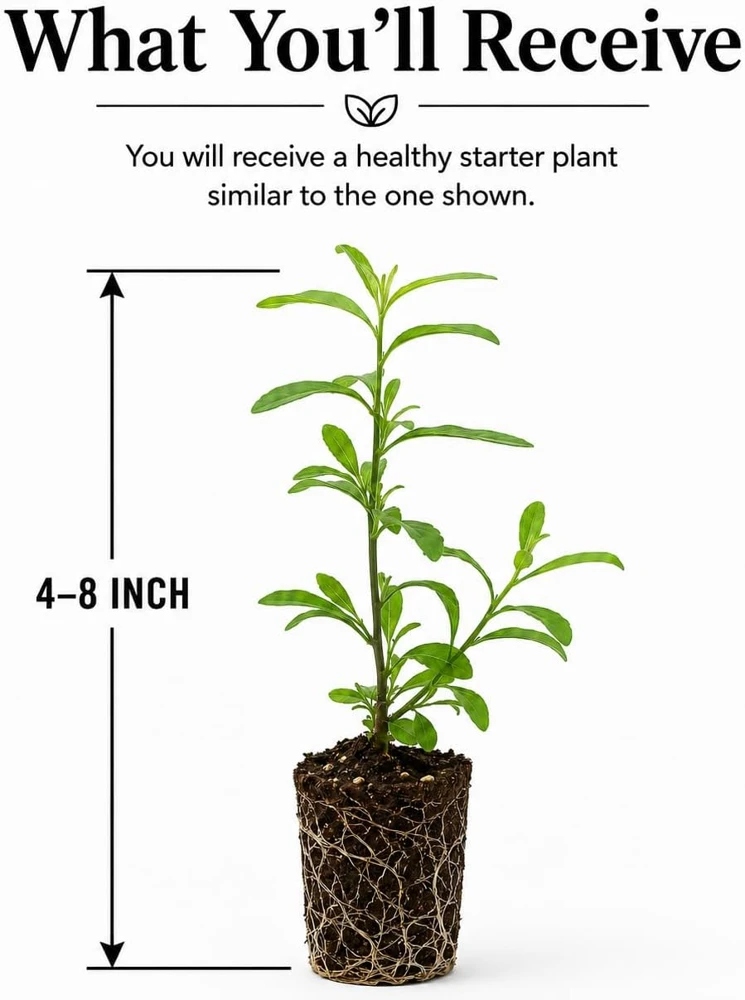
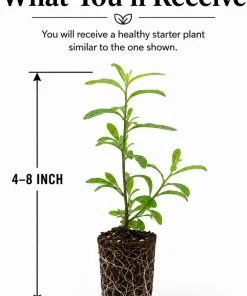
This offering is for a young goji berry live plant, typically measuring 4-8 inches tall from the base of the plant to the tip of its tallest stem. It is shipped as a bare root plant or in a small nursery plug, without a decorative pot, to ensure safe and efficient transit. Upon arrival, it will be ready for immediate planting in your garden or a larger container. The plant is a vigorous grower and, once established, can reach heights of 5-10 feet with a similar spread if left unpruned, developing into a substantial red goji bush. Its growth rate is moderate to fast, meaning you can expect to see significant development within the first growing season. While berries can sometimes appear in the first year, a more substantial harvest typically begins in the second or third year after planting.
The plant is a perennial, meaning it will return year after year, providing a long-term source of fresh fruit. It blooms from late spring to summer, with berries ripening shortly thereafter. This species is hardy in USDA Zones 5-9 and is well-adapted to a wide range of temperatures. The form of the plant is naturally sprawling, and it can be trained to grow as a bush or even a small, vining tree with support. This makes it a versatile addition to various garden designs, whether you’re creating an edible landscape or integrating it into an existing fruit orchard. For those looking to enjoy homegrown superfoods, this perennial fruit plant offers excellent value and a delightful gardening experience.
Frequently Asked Questions
- Q: How big does this plant get and what size pot does it come in? A: This goji berry live plant is typically 4-8 inches tall upon arrival. It is shipped without a pot, as a bare root or in a small nursery plug, ready for planting. Once established, it can grow 5-10 feet tall and wide if not pruned.
- Q: Is this an indoor or outdoor plant? How much sunlight does it need? A: Goji berries are primarily outdoor plants. They are best suited for planting directly in the garden. They require full sun, meaning at least 6-8 hours of direct sunlight per day, to produce the most fruit.
- Q: Is this plant easy to care for? Is it good for beginners? A: Yes, goji berry plants are known for being relatively easy to care for and are an excellent choice for beginners. They are hardy and adaptable, requiring well-draining soil and plenty of sun. Proper pruning is key for good fruit production.
- Q: What condition will it arrive in? Is it shipped in soil? A: Your goji berry live plant will arrive either as a bare root plant or in a small nursery plug, securely packaged to ensure its health during transit. It will not be in a large pot with soil, but it will be ready for immediate planting.
- Q: Can I use goji berries in cooking? Is it pet-safe? A: Yes, goji berries are widely used in cooking, smoothies, teas, and eaten fresh. They are considered a superfood. While the berries are safe for human consumption, generally the leaves and unripe berries are not recommended for pets, so it’s best to keep pets from consuming large quantities.
- Q: How long until it blooms? When is the best time to plant? A: Goji berry plants typically begin to bloom in late spring to summer. While some plants may produce berries in their first year, a significant harvest usually begins in the second or third year. The best time to plant is in early spring after the last frost, or in early fall.
- Q: Will it survive winter in my zone? What’s the minimum temperature? A: This red goji bush is hardy in USDA Zones 5-9. It can tolerate a wide range of temperatures, from approximately -20°F to 100°F. In colder zones (5-6), some winter dieback might occur, but the plant typically regrows from the roots in spring.
- Q: How do I ensure my goji berry plant produces a lot of fruit? A: To maximize fruit production for your perennial fruit plant, ensure it receives full sun, has well-draining soil, and is watered consistently during flowering and fruiting. Regular pruning to encourage new growth and an annual feeding with a balanced fertilizer will also significantly boost your harvest.
- Q: Do I need more than one plant to get fruit? A: Goji berry plants are generally self-pollinating, meaning you only need one plant to produce fruit. However, planting multiple bushes can often lead to a larger and more consistent yield.
- Q: What kind of soil is best for a goji berry live plant? A: For optimal growth, your goji berry live plant prefers well-draining soil, ideally a sandy loam. It can tolerate a range of soil types but good drainage is crucial to prevent root issues. A neutral to slightly alkaline pH (6.5-7.5) is also beneficial.
Be the first to review “Goji Berry Live Plant – Red Goji Bush for Home Garden, 4-8 Inch Tall”
People Also Viewed
Reviews
There are no reviews yet.