
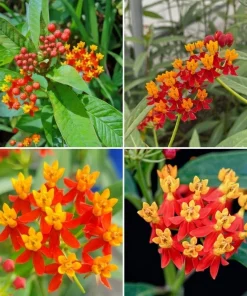
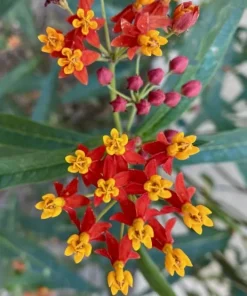
Set of 4 Red Milkweed Live Plants – Asclepias Starter Plants 4-6 Inch – Outdoor Perennial
Original price was: $60.99.$35.99Current price is: $35.99.
Cultivate a vibrant garden with this set of 4 red milkweed live plants. These 4-6 inch asclepias milkweed care starter plants are perfect for attracting pollinators and adding natural beauty to your outdoor spaces. Ideal for gardens, patios, and borders, they are easy to establish and maintain.
Estimated arrival
Oct 27
Nov 01 - Nov 03
Nov 06 - Nov 10
Shop With Confidence
30-Day Plant Health Guarantee
Arrives damaged? We’ll replace it free — see our return policy.
Responsive Support
Email us anytime, we reply within 1 business day.
Expert Packaging
Temperature-controlled shipping to protect your plants in transit.
Secure Checkout
Pay safely with Visa, Mastercard, PayPal.
Plant Specifications
-
USDA Hardiness Zone
USDA zones 3-9 -
Soil Type
Well-draining soil -
Sunlight Exposure
Full sun to partial shade -
Expected Planting Period
Spring to early summer
Overview
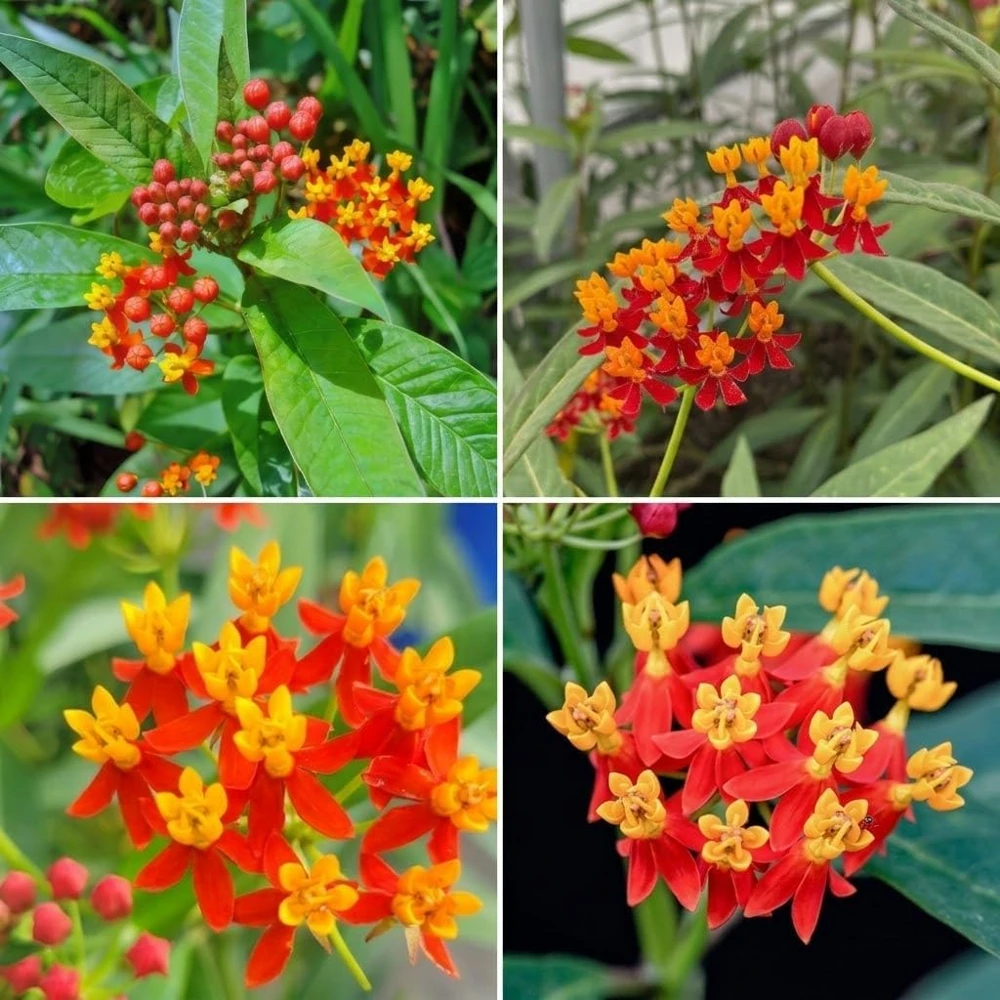
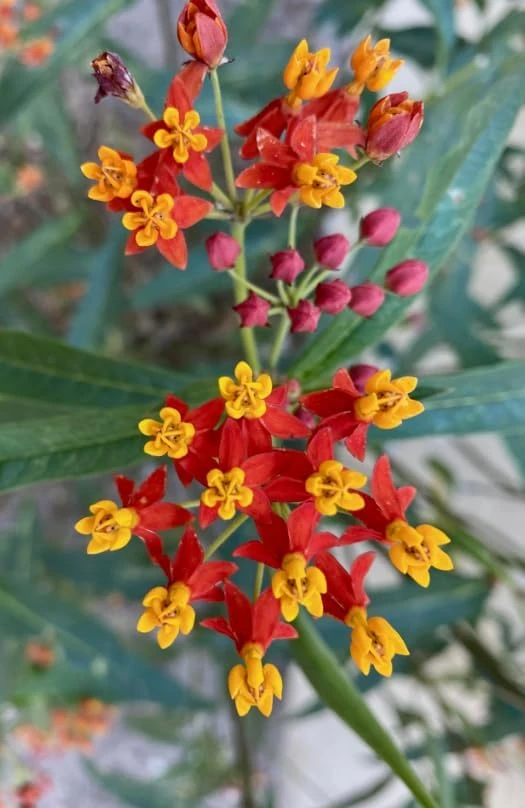
Introduce a splash of vibrant color and essential ecological support to your garden with our set of four red milkweed live plants. These robust 4-6 inch starter plants, scientifically known as Asclepias, are a crucial addition for any gardener looking to support local ecosystems, especially monarch butterflies. Red milkweed live plants are not only beautiful with their striking red-orange blooms but also serve as the sole host plant for monarch butterfly caterpillars, making them an invaluable asset for pollinator gardens. Each plant is carefully cultivated to ensure a healthy start in your garden, ready to thrive in various outdoor settings. Perfect for creating a welcoming habitat for beneficial insects and adding a dynamic visual element to your landscape, these perennials promise years of beauty and ecological benefit.
Our red milkweed live plants are carefully nurtured to provide you with strong, healthy specimens ready for planting. They are known for their resilience and adaptability, making them a fantastic choice for both novice and experienced gardeners. These starter plants will quickly establish themselves, growing into mature plants that produce abundant flowers throughout the growing season. Beyond their aesthetic appeal, milkweed plays a vital role in biodiversity, attracting a wide array of pollinators including bees and other butterflies, enriching the health of your garden environment.
Key Benefits
Investing in red milkweed live plants brings a multitude of benefits to your garden and local environment. These plants are celebrated for their ecological importance and their stunning visual impact. Here are some of the key advantages you’ll enjoy with these vibrant additions:
- Supports Pollinators:Red milkweed live plants are an absolute magnet for monarch butterflies, providing essential food for their caterpillars and nectar for adult butterflies. They also attract a wide range of other beneficial pollinators like bees and hummingbirds, fostering a healthy garden ecosystem.
- Vibrant Garden Addition: With their distinctive red-orange flower clusters, these milkweed plants add a bold and cheerful burst of color to any garden bed, border, or container. Their unique appearance makes them a focal point in any landscape design.
- Low Maintenance & Drought Tolerant: Once established, asclepias milkweed care is relatively easy. These plants are known for their hardiness and ability to withstand periods of drought, making them an excellent choice for water-wise gardening. They require minimal intervention to thrive.
- Perennial Growth: As perennial plants, they return year after year, growing stronger and more floriferous with each season. This provides long-term beauty and consistent support for pollinators without the need for annual replanting.
- Versatile Planting Options: These starter plants are suitable for a variety of outdoor applications. Plant them in garden beds, along borders, in patio containers, or as part of a naturalized meadow. Their adaptability ensures they can enhance almost any outdoor space.
- Educational Value: Observing the life cycle of monarch butterflies on your red milkweed for pollinators can be a fascinating and educational experience for families and children, offering a direct connection to nature and conservation efforts.
- Deer Resistance: Milkweed plants are generally unappealing to deer, making them a good choice for gardens in areas where deer browsing is a concern.
Plant Care & Growing Tips
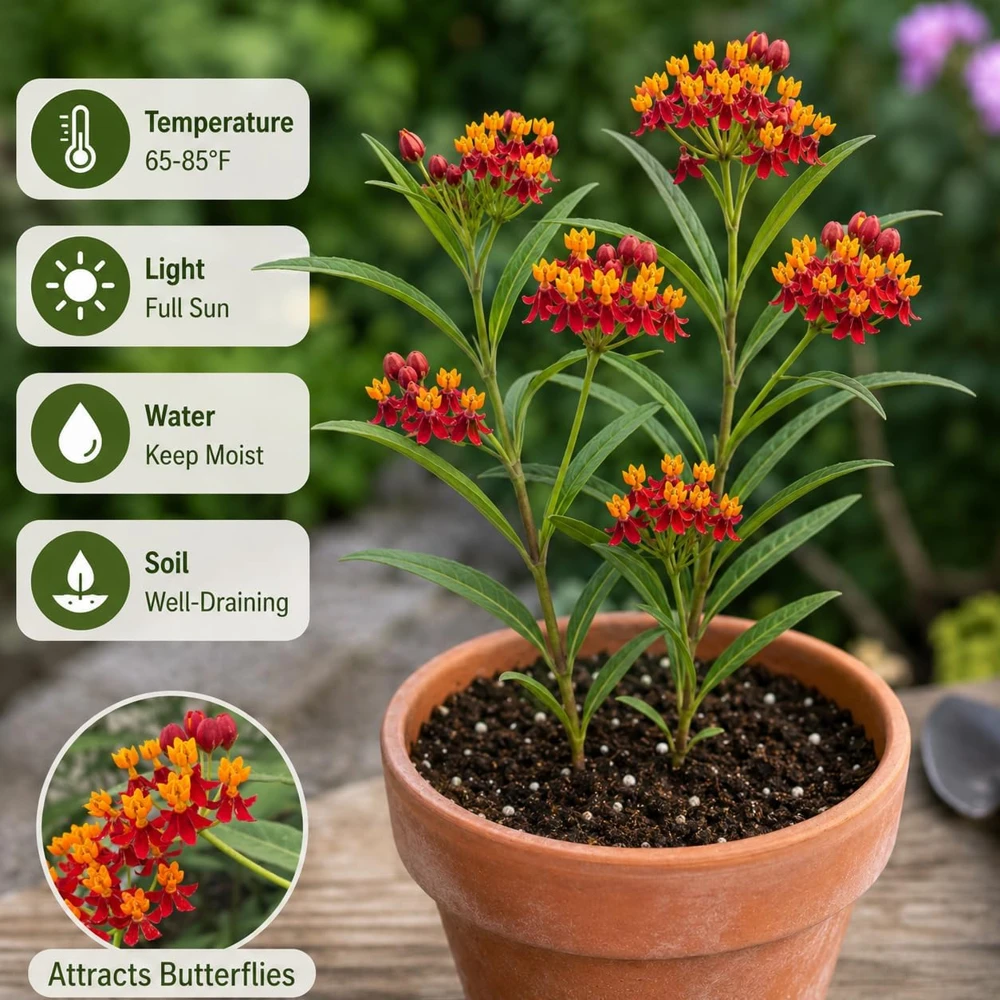
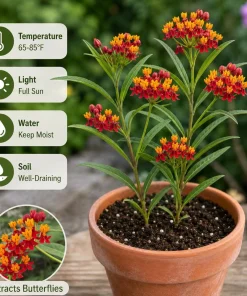
Ensuring your red milkweed live plants thrive is straightforward with a few key care practices. These plants are quite resilient, but providing optimal conditions will lead to stronger growth and more abundant blooms. When considering asclepias milkweed care, sunlight is paramount. Milkweed prefers full sun, meaning at least 6-8 hours of direct sunlight per day. While they can tolerate partial shade, too little sun may result in leggy growth and fewer flowers. Position your plants in the brightest spot in your garden for the best results.
Regarding watering, red milkweed live plants are fairly drought-tolerant once established. During their initial planting phase and during prolonged dry spells, provide regular watering to help them establish a strong root system. Aim for consistently moist, but not waterlogged, soil. Well-draining soil is crucial to prevent root rot. A good quality garden soil amended with some compost will provide the necessary nutrients and drainage. These plants are adaptable to a range of soil types but prefer sandy or loamy soils. For optimal growth, especially when growing red milkweed, they generally do not require heavy fertilization. A light application of balanced, slow-release fertilizer in early spring can be beneficial, but excessive nitrogen can reduce flowering.
Red milkweed for pollinators is generally hardy and can withstand various temperatures. It is typically suited for USDA Hardiness Zones 3-9, meaning it can tolerate cold winters and return in the spring. In colder zones, the plant will die back to the ground in winter and regrow from its roots. Pests are usually not a major issue, though aphids can sometimes appear; a strong spray of water or insecticidal soap can manage them. Deadheading spent flowers can encourage more blooms, and cutting back plants in late fall can help maintain tidiness and promote healthy regrowth the following spring. Remember that buying red milkweed plants is an investment in your garden’s biodiversity.
Size & Details
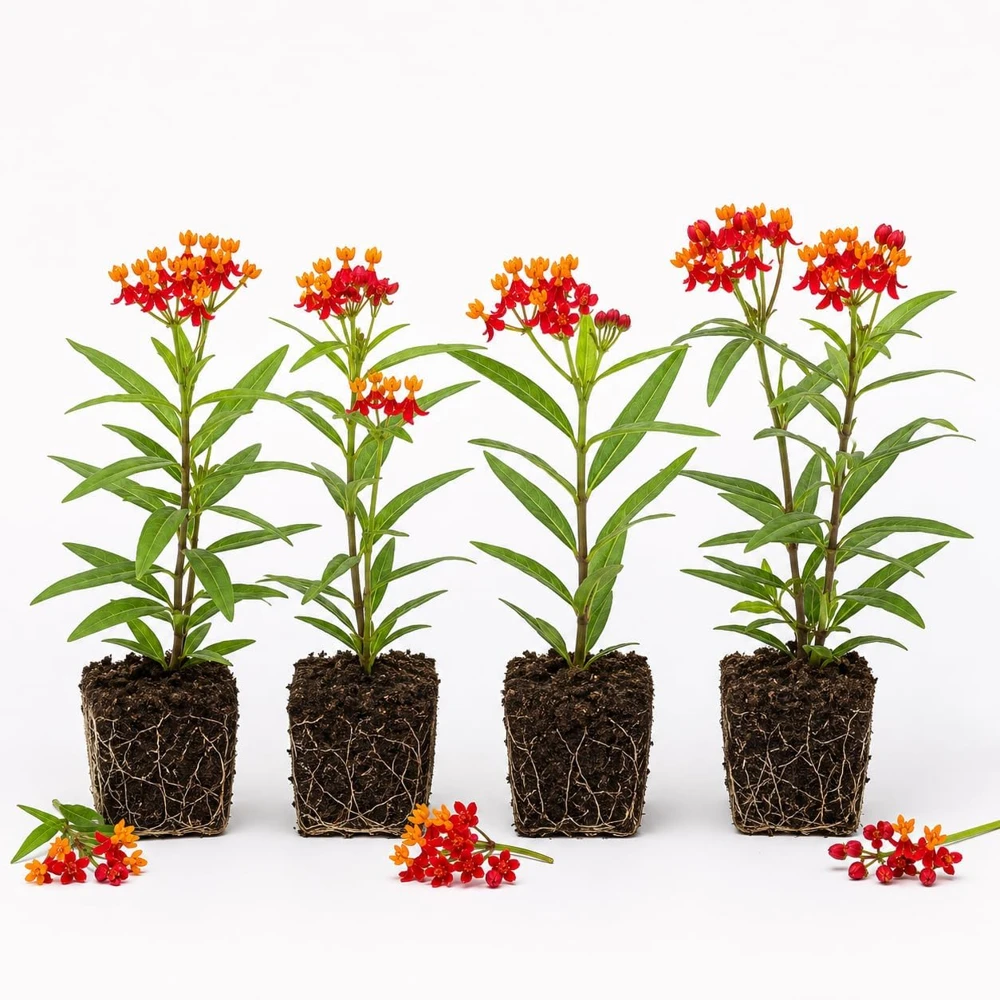
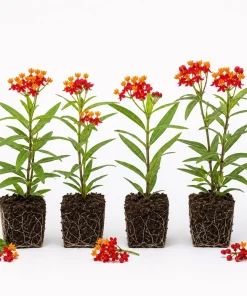
This offering includes a set of four healthy red milkweed live plants, each measuring approximately 4-6 inches in height from the soil line. These are vigorous starter plants, ready to be transplanted into your garden or larger containers. They are shipped in nursery pots with their root systems intact, ensuring a smooth transition to their new home. When mature, red milkweed live plants typically grow to a height of 2-4 feet and a similar spread, forming attractive clumps. Their growth rate is moderate, establishing quickly in suitable conditions and beginning to produce their characteristic red-orange flower clusters in their first or second year, usually blooming from early summer through fall.
These plants are perennials, meaning they will return each year, growing larger and more established over time. The vibrant blooms are followed by distinctive seed pods, which will eventually burst open to release fluffy, wind-dispersed seeds. This natural process allows for potential self-seeding in your garden, further expanding your milkweed patch. The compact size of these starter plants makes them easy to handle and plant, ideal for immediate integration into an existing garden design or for starting a new pollinator-friendly area. Remember, when you are buying red milkweed plants, you are getting a durable and beneficial addition to your landscape.
Frequently Asked Questions
- Q: How big do these red milkweed live plants get? A: These starter plants are 4-6 inches tall upon arrival. When mature, they typically reach a height of 2-4 feet and a similar spread, forming a bushy perennial clump in your garden.
- Q: Is this an indoor or outdoor plant? A: Red milkweed live plants are primarily outdoor plants, thriving in full sun conditions. While they can be started indoors in certain climates, they are best suited for gardens, patios, and outdoor containers.
- Q: How much sunlight do these plants need? A: For optimal growth and flowering, asclepias milkweed care requires at least 6-8 hours of direct sunlight per day. They can tolerate some partial shade, but full sun encourages the most robust blooms.
- Q: Is this plant easy to care for? A: Yes, growing red milkweed is considered relatively easy. Once established, they are drought-tolerant and require minimal maintenance, making them suitable for gardeners of all experience levels.
- Q: What condition will the plants arrive in? A: Your red milkweed live plants will arrive as healthy, well-rooted starter plants in nursery pots, carefully packaged to ensure their safe journey and readiness for planting.
- Q: When is the best time to plant these milkweed plants? A: The best time to plant red milkweed for pollinators is in spring after the last frost or in early fall, allowing the roots to establish before extreme temperatures.
- Q: Will these plants attract monarch butterflies? A: Absolutely! Red milkweed live plants are the exclusive host plant for monarch butterfly caterpillars and are a primary nectar source for adult monarchs, making them essential for monarch conservation.
- Q: What kind of soil is best for red milkweed? A: These plants prefer well-draining soil, thriving in sandy or loamy conditions. Amending your garden soil with compost can improve drainage and fertility.
- Q: How long until they bloom? A: Depending on when they are planted, your red milkweed live plants may produce their first blooms in the first growing season, or robust flowering will begin in their second year.
- Q: Is this plant considered invasive? A: While milkweed can spread through rhizomes and self-seeding, it is generally considered a beneficial native plant in many regions and not typically invasive in a harmful ecological sense.
Be the first to review “Set of 4 Red Milkweed Live Plants – Asclepias Starter Plants 4-6 Inch – Outdoor Perennial”
People Also Viewed

Flower Plants
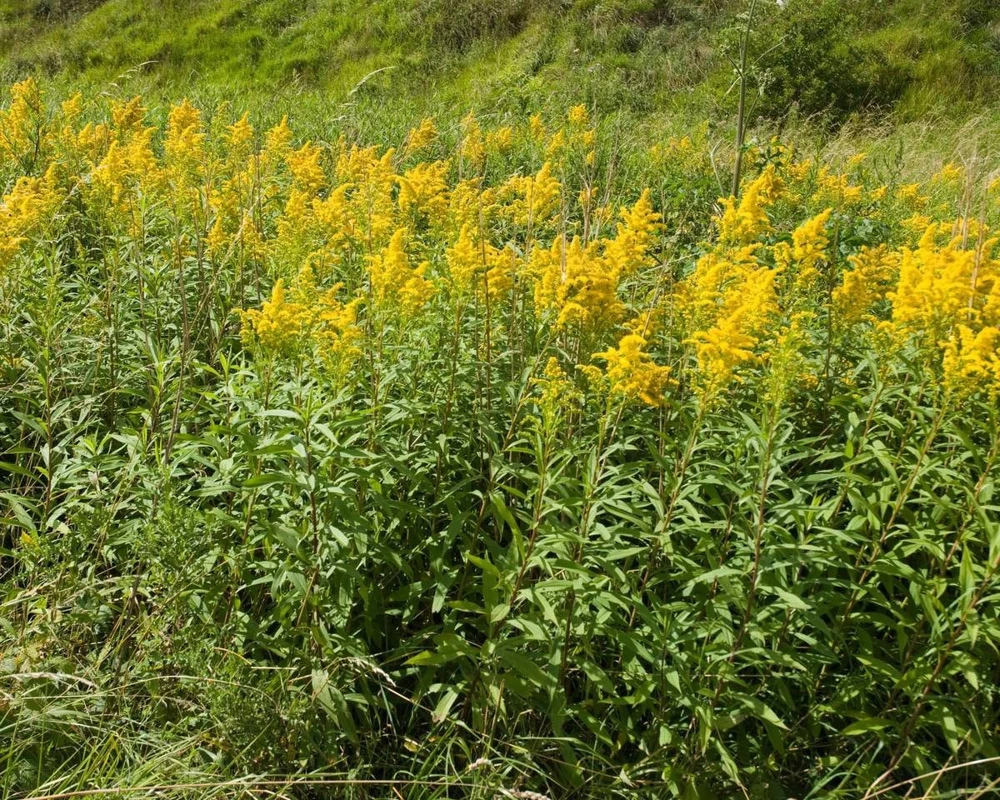
10 Goldenrod Bare Root Plants – Perennial Wildflower for Monarch Butterflies & Pollinators, Full Sun
Reviews
There are no reviews yet.