


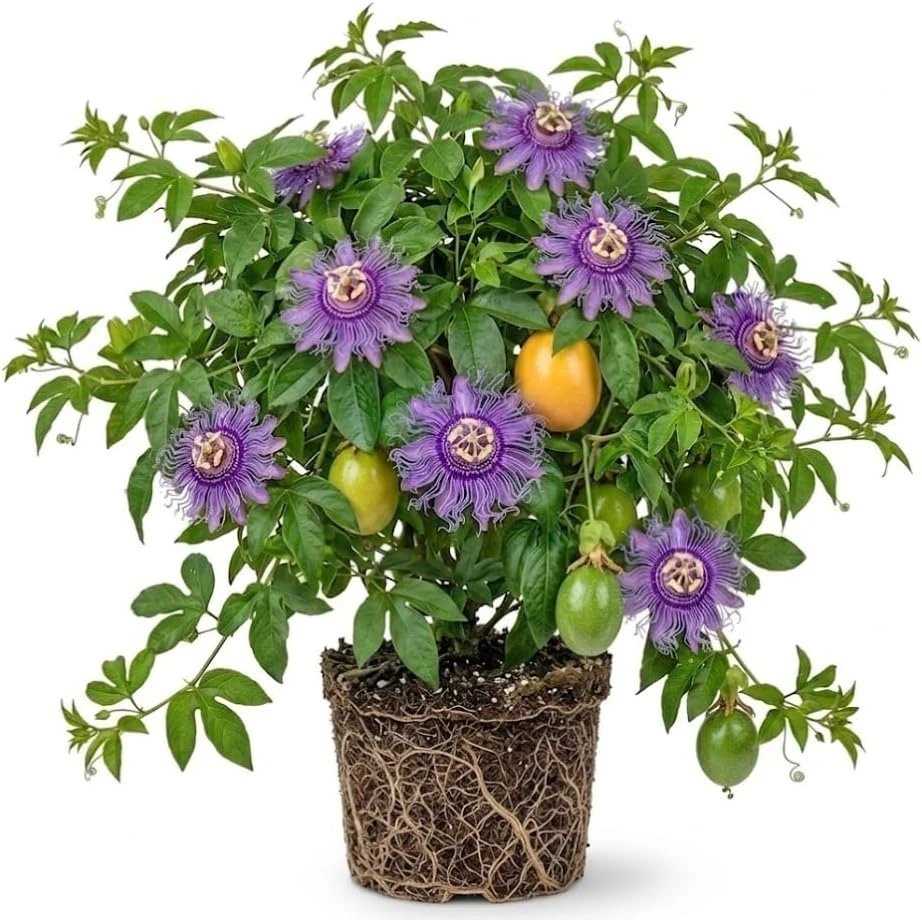
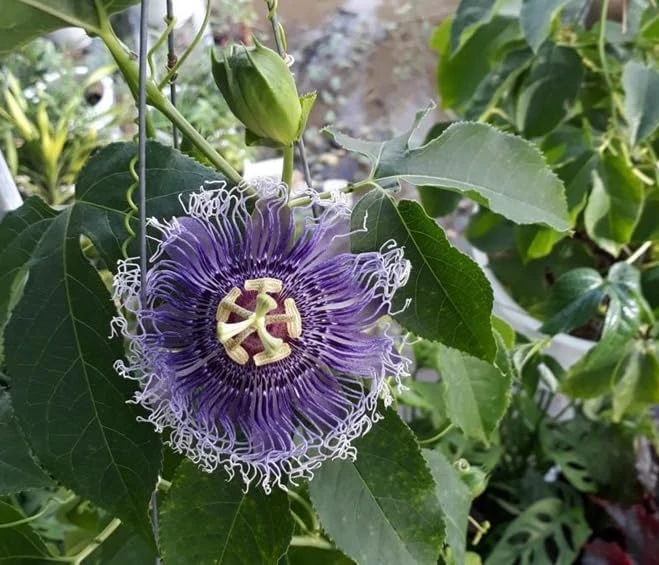
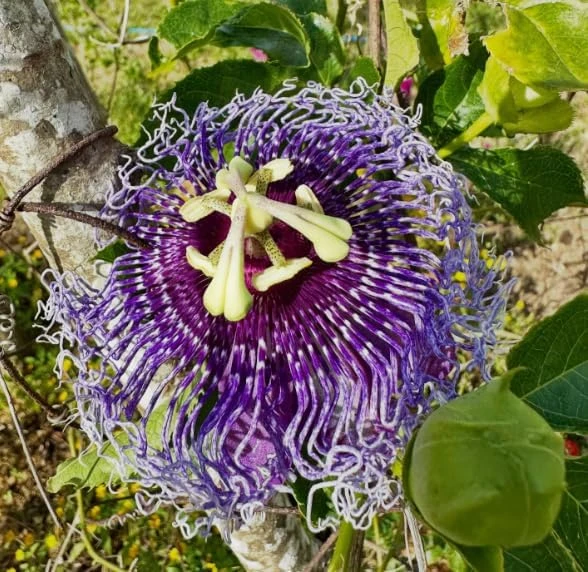
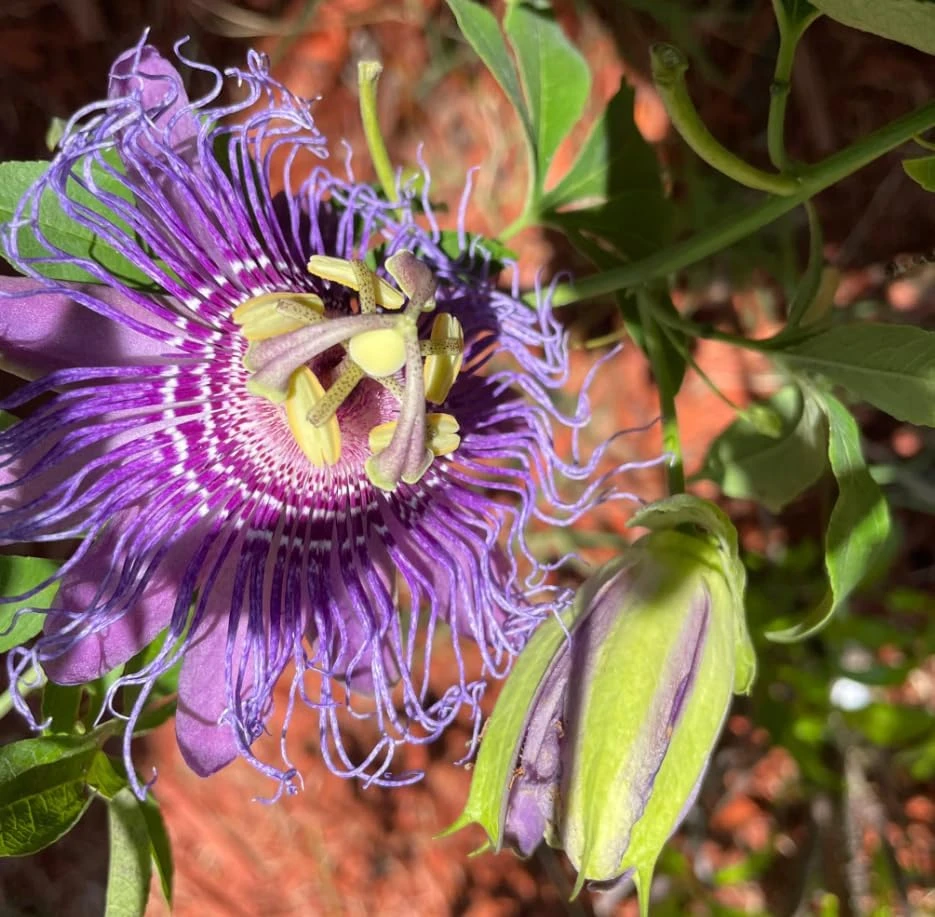
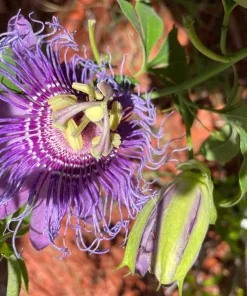
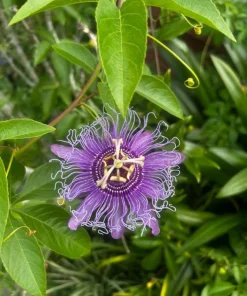
Maypop Passionflower Live Plant – Passiflora Incarnata, 4-6 Inch Tall
Original price was: $44.99.$19.99Current price is: $19.99.
Bring charming beauty to your garden with a maypop passionflower live plant. This vigorous vine, Passiflora incarnata, features stunning purple blooms and edible fruit, thriving in USDA Zones 6-10. Perfect for trellises and fences, it adds a unique tropical touch.
Estimated arrival
Oct 25
Oct 30 - Nov 01
Nov 04 - Nov 08
Shop With Confidence
30-Day Plant Health Guarantee
Arrives damaged? We’ll replace it free — see our return policy.
Responsive Support
Email us anytime, we reply within 1 business day.
Expert Packaging
Temperature-controlled shipping to protect your plants in transit.
Secure Checkout
Pay safely with Visa, Mastercard, PayPal.
Plant Specifications
-
USDA Hardiness Zone
USDA Zones 6 to 10 -
Soil Type
Well-drained sandy or loamy soil -
Sunlight Exposure
Full sun to partial sun -
Expected Planting Period
Spring to fall
Overview
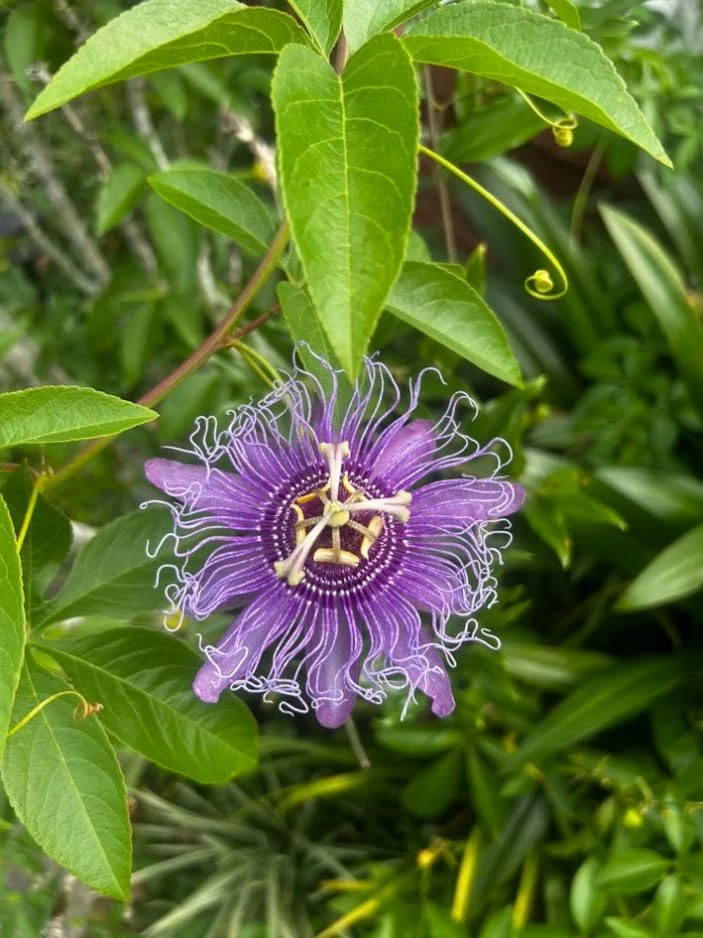
Immerse your garden in the exotic allure of the maypop passionflower live plant. Scientifically known as Passiflora incarnata, this resilient and captivating vine is a must-have for any enthusiast looking to add vibrant color and unique edible fruits to their landscape. Often referred to simply as Maypop due to the sound its fruit makes when stepped on, or as Purple Passionflower, this plant is native to the southeastern United States. It’s renowned for its intricate, showy purple flowers that bloom from spring to fall, attracting pollinators like bees and butterflies. Our well-rooted live plants are ready to establish quickly in your home garden, promising a season of beauty and bounty. This particular variety offers a stunning visual display and boasts a fascinating growth habit, making it an excellent choice for arbors, fences, or as ground cover.
The maypop passionflower live plant is not just a visual delight; it’s also a source of delicious, slightly tart, egg-shaped fruits that ripen in late summer. These fruits can be enjoyed fresh or used in jams, jellies, and desserts. Beyond its ornamental and edible qualities, Passiflora incarnata is also known for its historical use in traditional remedies, adding another layer of interest to this versatile plant. When you bring home a maypop plant for sale, you’re investing in a piece of living art that provides both aesthetic pleasure and practical benefits.
Key Benefits
The maypop passionflower live plant offers a multitude of benefits that extend beyond its striking appearance, making it a valuable addition to diverse garden settings. Its vigorous growth and stunning blooms contribute significantly to garden aesthetics and ecological health.
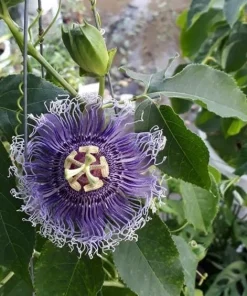
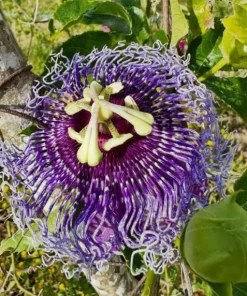
- Stunning Ornamental Value: The intricate, lavender-to-purple flowers of the maypop passionflower live plant are truly a sight to behold. Each bloom features a unique crown of filaments, creating a tropical and exotic focal point in any garden space. They add an element of sophisticated beauty that is hard to match.
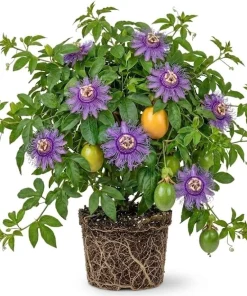
- Edible & Delicious Fruit: Beyond its flowers, the Maypop produces tasty, golf-ball-sized fruits that ripen in late summer and early fall. These fruits have a distinctive sweet-tart flavor, perfect for fresh eating or crafting homemade jellies and beverages. It’s a delightful surprise for any gardener.
- Attracts Pollinators: This plant is a magnet for local wildlife, especially bees, butterflies, and hummingbirds, which are drawn to its nectar-rich flowers. Planting a purple passionflower vine helps support local ecosystems and promotes biodiversity in your garden.
- Fast-Growing & Vigorous: Known for its rapid growth, Passiflora incarnata quickly covers trellises, fences, and arbors, providing lush greenery and beautiful blooms in a short amount of time. It’s an excellent choice for quickly establishing a green screen or adding vertical interest.
- Drought Tolerant & Low Maintenance: Once established, the Maypop is relatively drought-tolerant and requires minimal care, making it suitable for busy gardeners. It’s a resilient plant that thrives with basic attention, allowing you more time to enjoy its beauty.
- Cold Hardy Perennial: Unlike many tropical passionflowers, Passiflora incarnata is surprisingly cold hardy, surviving winters in USDA Zones 6-10. It dies back to the ground in colder climates but reliably re-emerges in spring, offering perennial joy.
- Native Plant Benefits: As a native edible plant, the Maypop is well-adapted to local conditions, requiring fewer resources and providing habitat and food for native fauna. Incorporating native species helps create a more sustainable and harmonious garden environment.
Plant Care & Growing Tips
Caring for your maypop passionflower live plant is relatively straightforward, making it a rewarding choice for both novice and experienced gardeners. This robust vine thrives with proper attention to its basic needs, ensuring a profusion of flowers and fruit. For optimal growth, choose a location that receives full sun to partial sun; at least 6 hours of direct sunlight per day is ideal for abundant flowering and fruiting. While it can tolerate some afternoon shade, especially in hotter climates, too much shade will result in fewer blooms and less vigorous growth.
When it comes to watering, the passiflora incarnata care routine is quite forgiving. This plant prefers moderate watering, especially during its establishment phase and dry spells. The soil should be kept consistently moist but never waterlogged. It thrives in well-drained sandy or loamy soil. Good drainage is crucial to prevent root rot, so consider amending heavy clay soils with organic matter to improve aeration. The ideal temperature range for this plant is between 70°F and 90°F, though it is quite adaptable. It is hardy in USDA Zones 6 to 10, meaning it can withstand winter temperatures in these regions, often dying back to the ground and re-emerging in spring.
Fertilization can be done sparingly. A balanced, all-purpose fertilizer applied in spring as new growth emerges is usually sufficient. Avoid over-fertilizing, especially with high-nitrogen formulas, as this can encourage foliage growth at the expense of flowers and fruit. Pruning is beneficial to manage the vine’s vigorous growth and encourage bushiness. Prune in late winter or early spring to remove dead or weak stems and shape the plant. Watch out for common pests like aphids or spider mites, which can be managed with insecticidal soap. Providing a strong support structure like a trellis or arbor is essential for this climbing purple passionflower vine to thrive and display its beauty.
Size & Details
This offering is for a healthy maypop passionflower live plant, typically ranging from 4 to 6 inches tall at the time of shipment. Each plant is well-rooted and established in its nursery pot, ensuring a smooth transition into your garden. Passiflora incarnata is a fast-growing perennial vine, capable of reaching lengths of 10 to 20 feet in a single growing season once established. It spreads by rhizomes, forming colonies, which makes it an excellent choice for covering large areas or providing dense screening. The plant will arrive in a ready-to-plant condition, carefully packaged to minimize stress during transit. Expect blooming to begin from spring to fall, with fruits ripening in late summer. This resilient plant offers a continuous display of unique flowers and the added benefit of edible fruits, making it a truly rewarding addition to any garden.
Frequently Asked Questions
- Q: How big does this maypop passionflower live plant get? A: This vigorous vine can grow quite large, typically reaching lengths of 10 to 20 feet in a single growing season. It spreads by underground rhizomes, forming a dense patch over time if not contained.
- Q: What size pot does it come in? A: Our maypop passionflower live plant ships as a well-rooted plant, usually 4 to 6 inches tall, in a suitable nursery pot to ensure its health during transit and successful transplanting.
- Q: Is this an indoor or outdoor plant? A: The Maypop Passionflower is primarily an outdoor plant, thriving in full sun to partial sun conditions. It is hardy in USDA Zones 6 to 10 and prefers to grow outside where it can climb and spread.
- Q: How much sunlight does it need? A: For optimal flowering and fruiting, the purple passionflower vine requires at least 6 hours of direct sunlight per day. It can tolerate partial sun, but intense direct sunlight promotes the best growth.
- Q: Is this plant easy to care for? A: Yes, Passiflora incarnata is considered relatively easy to care for once established. It is drought-tolerant and resilient, making it a good choice for gardeners of various experience levels.
- Q: What condition will it arrive in? A: Your maypop plant for sale will arrive as a healthy, well-rooted live plant, carefully packaged to protect it during shipping. We ensure it’s ready for immediate planting upon arrival.
- Q: Can I use the Maypop fruit in cooking? A: Absolutely! The fruits of the Maypop are edible and have a sweet-tart flavor. They are excellent for eating fresh, making jams, jellies, pies, or flavoring beverages. It’s a fantastic native edible plant.
- Q: How long until it blooms? A: While blooming times can vary, you can typically expect your maypop passionflower live plant to begin flowering from spring through fall, especially once it’s established and growing vigorously.
- Q: When is the best time to plant? A: The best time to plant your Maypop is in spring after the last frost, allowing it ample time to establish before the heat of summer or the arrival of winter.
- Q: Will it survive winter in my zone? A: Yes, the Maypop is cold hardy and will survive winters in USDA Zones 6 to 10. In colder zones, it will die back to the ground but reliably re-emerge from its roots in the spring.
Be the first to review “Maypop Passionflower Live Plant – Passiflora Incarnata, 4-6 Inch Tall”
People Also Viewed



Trees
Owari Satsuma Mandarin Tree – Live Grafted Plant, 1 Gallon, 2 ft Tall – Cold Hardy Citrus Fruit

Reviews
There are no reviews yet.