
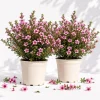
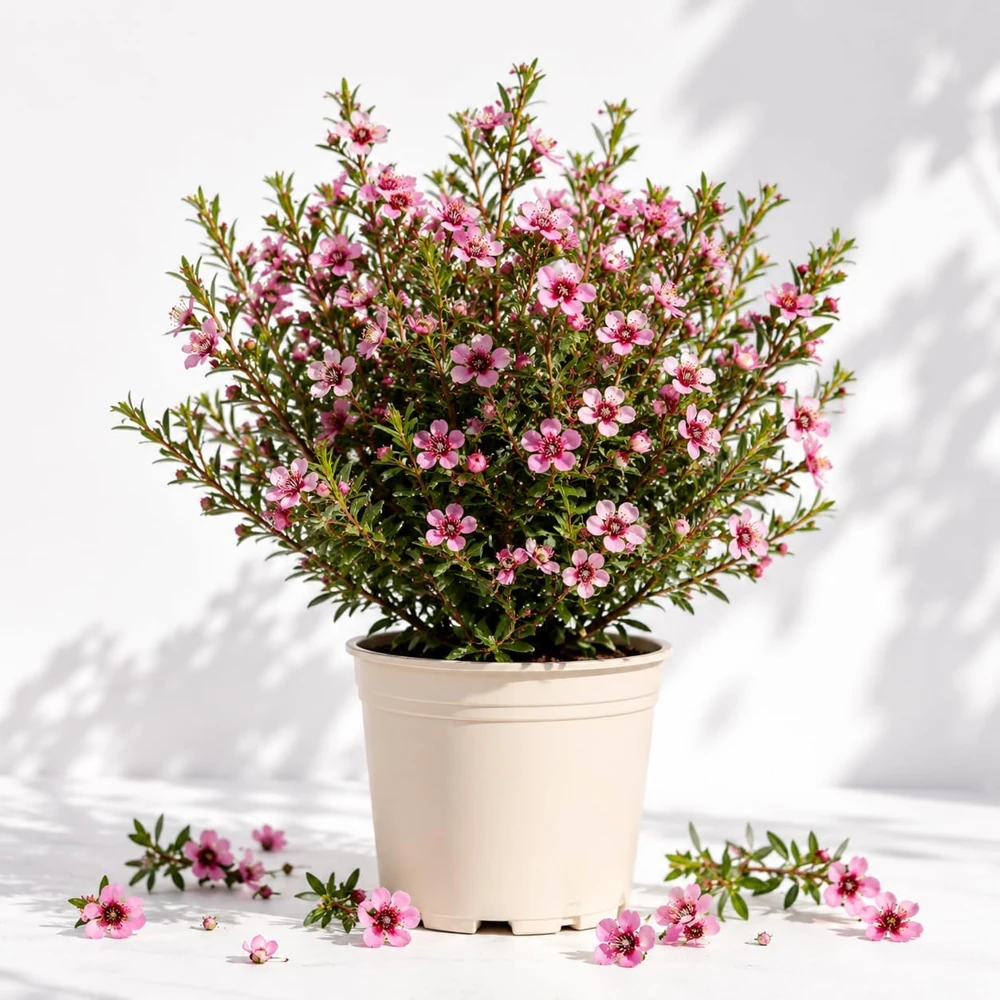


Pink Manuka Tea Plant Live, Pink Flowers Leptospermum, 4-6 Inch Tall Bush
Original price was: $42.99.$17.99Current price is: $17.99.
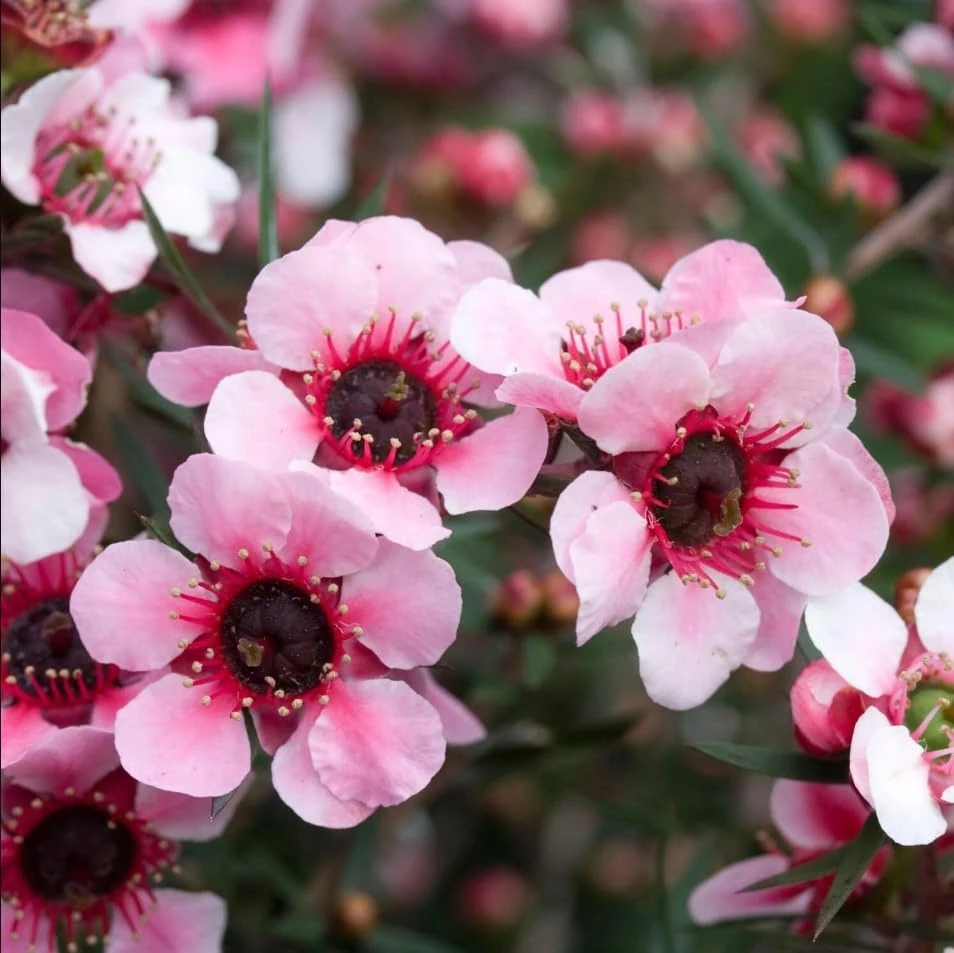
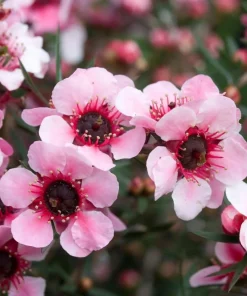
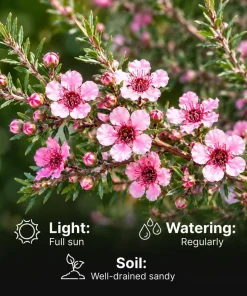
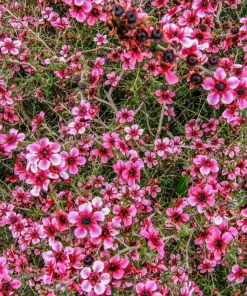
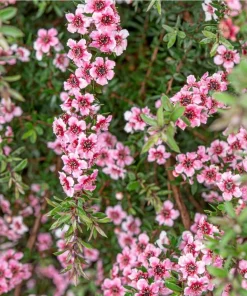
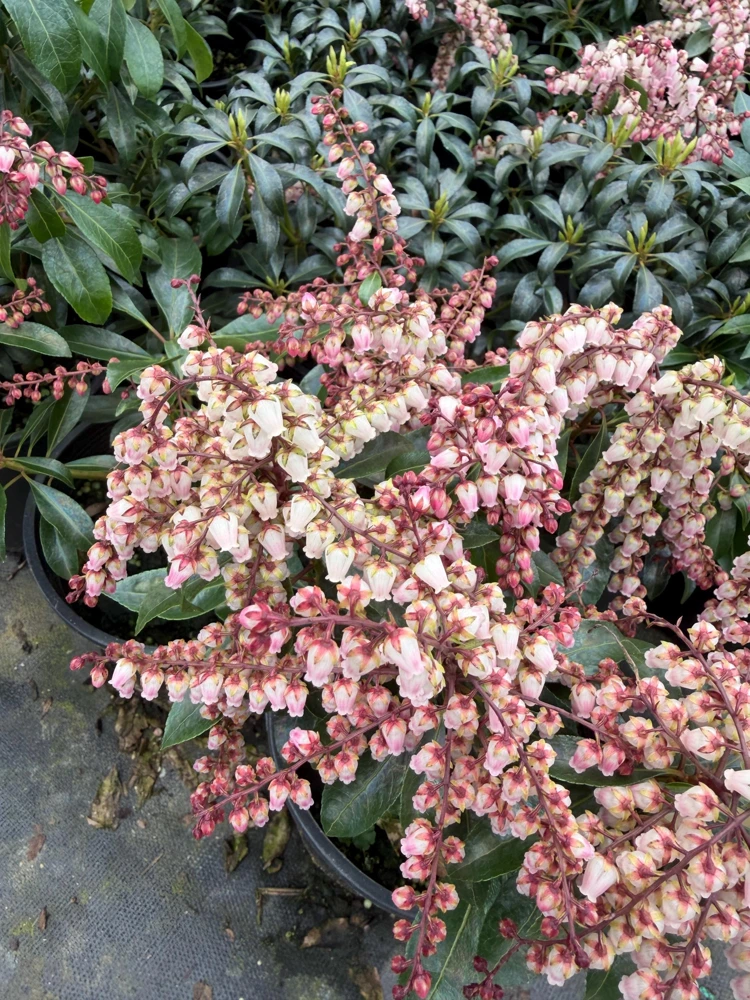
Cultivate a charming pink manuka tea plant, a live Leptospermum scoparium bush known for its delicate pink flowers. This 4-6 inch tall specimen is ideal for adding vibrant color and a touch of elegance to your outdoor garden spaces. Enjoy the unique beauty of this pink flowering shrub.
Estimated arrival
Oct 27
Nov 01 - Nov 03
Nov 06 - Nov 10
Shop With Confidence
30-Day Plant Health Guarantee
Arrives damaged? We’ll replace it free — see our return policy.
Responsive Support
Email us anytime, we reply within 1 business day.
Expert Packaging
Temperature-controlled shipping to protect your plants in transit.
Secure Checkout
Pay safely with Visa, Mastercard, PayPal.
Plant Specifications
-
USDA Hardiness Zone
USDA Zones 9–11 -
Soil Type
Well-draining soil -
Sunlight Exposure
Full sun -
Expected Planting Period
Spring to early summer
Overview
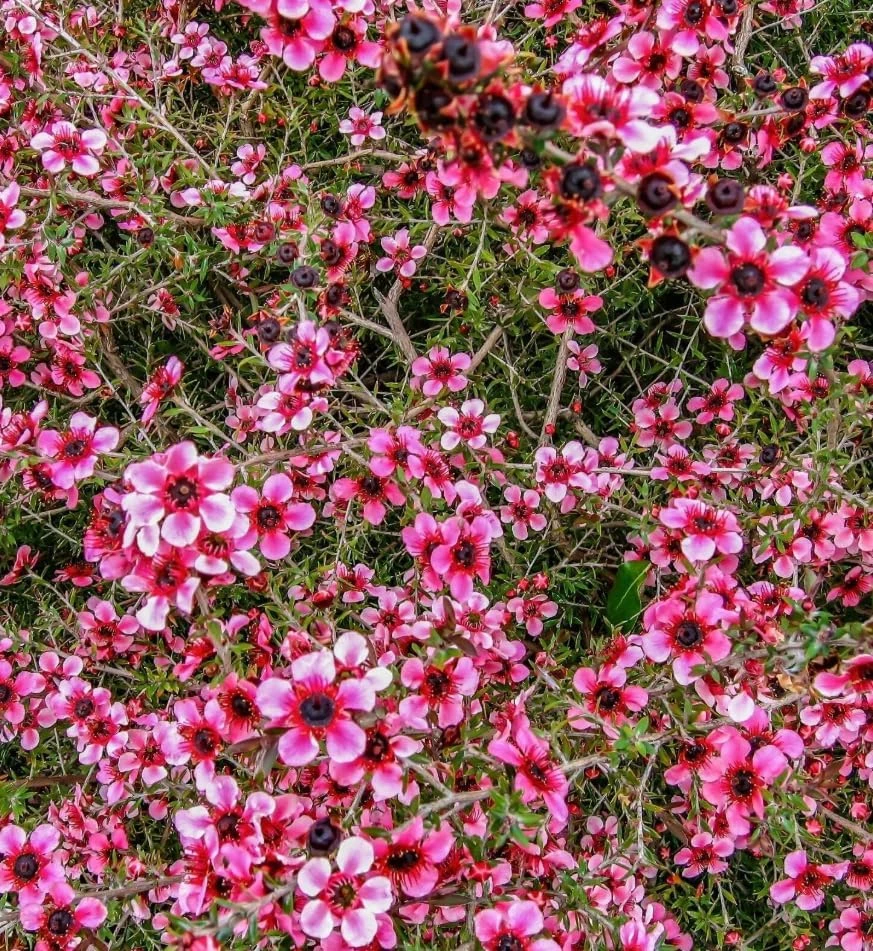
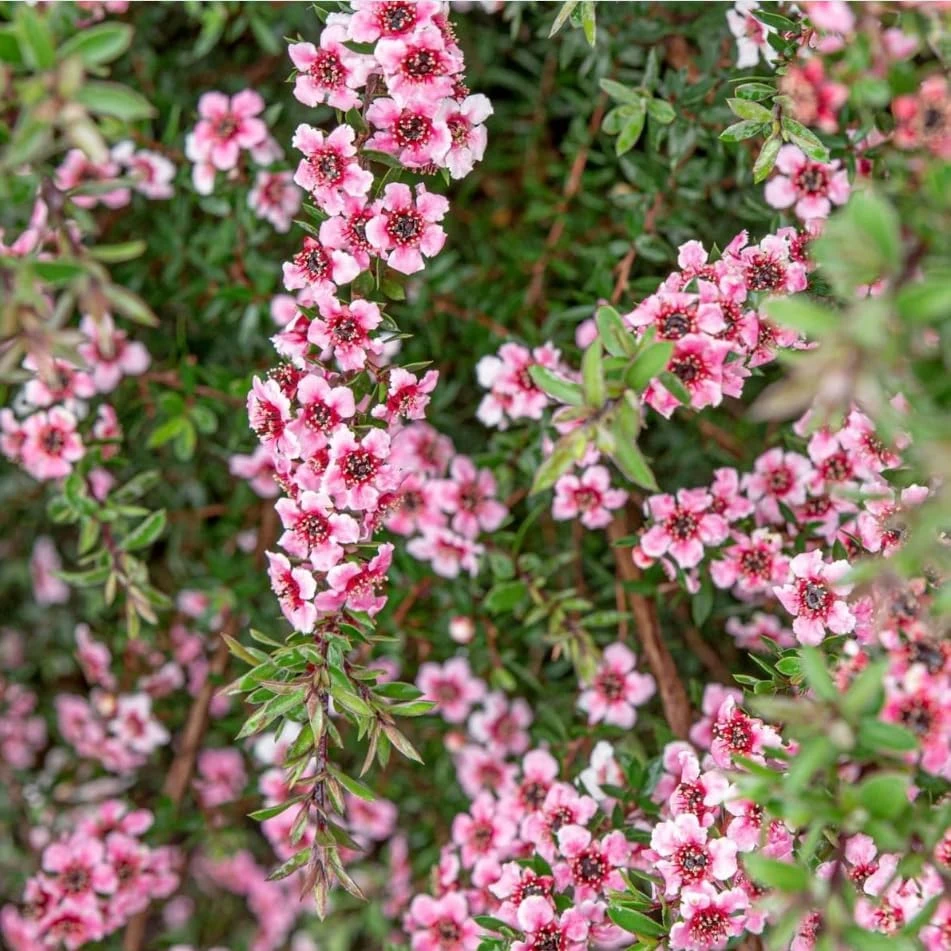
Introduce a touch of vibrant charm to your garden with the exquisite pink manuka tea plant. This beautiful live specimen, scientifically known as Leptospermum scoparium, is celebrated for its stunning pink blossoms that create a captivating display. Often referred to as a manuka bush plant, this variety is a delightful addition for both seasoned gardeners and enthusiastic beginners. Growing between 4-6 inches tall upon arrival, these young plants are ready for transplanting into your garden, offering the promise of a lush, flowering shrub. The pink manuka tea plant is known for its resilience and ability to thrive in suitable conditions, transforming your outdoor space with its delicate yet striking appearance. Its common name, Manuka, links it to the famed tea tree, though this specific variety is primarily grown for its ornamental value and charming floral display.
Originating from New Zealand and Australia, the Manuka plant has a rich history and cultural significance. While the leaves of some Manuka species are used to make herbal tea, this particular ornamental variety brightens landscapes with its profusion of pink flowers. It’s a fantastic choice for creating natural borders, adding texture to mixed beds, or simply as a standalone feature that draws the eye. The compact size upon delivery makes it easy to handle and establish, paving the way for a flourishing and visually appealing pink manuka tea plant in your home garden.
Key Benefits
Bringing a pink manuka tea plant into your garden offers a myriad of benefits beyond its sheer beauty. These resilient shrubs are a fantastic choice for enhancing your outdoor environment with minimal fuss and maximum impact.
- Stunning Floral Display: Enjoy an abundance of delicate yet vibrant pink flowers, creating a breathtaking visual spectacle that transforms your garden into a picturesque haven. This pink flowering shrub provides continuous bloom during its season.
- Attracts Pollinators: The charming flowers of the pink manuka tea plant are a magnet for bees and other beneficial pollinators, contributing to the health and biodiversity of your garden ecosystem.
- Low Maintenance: Once established, this Leptospermum scoparium is remarkably easy to care for, requiring minimal attention and making it suitable for gardeners of all experience levels.
- Drought Tolerant: Known for its hardiness, the manuka bush plant demonstrates good drought resistance once mature, making it an excellent choice for water-wise landscaping.
- Versatile Landscaping: Its adaptable nature allows it to be used in various garden settings, from hedges and borders to container planting, adding structure and color wherever it’s placed.
- Unique Foliage: Beyond the flowers, the small, needle-like leaves of the pink manuka tea plant add interesting texture and a subtle aromatic quality to your garden.
- Resilient Growth: This plant is known for its robust growth habit, quickly establishing itself and developing into a healthy, thriving shrub that withstands various environmental conditions.
Plant Care & Growing Tips
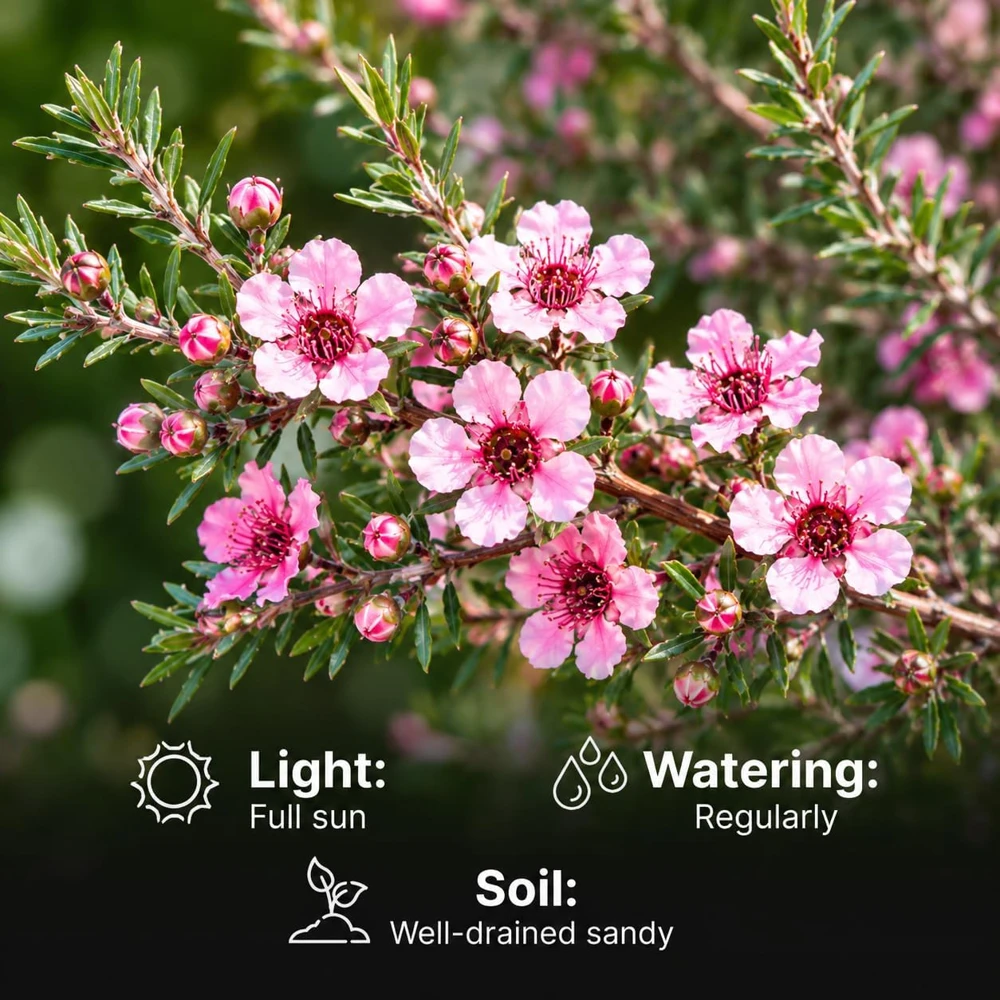
Caring for your pink manuka tea plant is straightforward, ensuring a healthy and flourishing shrub that will grace your garden with its beautiful pink flowers. To begin, select a location that receives full sun, meaning at least 6-8 hours of direct sunlight per day. Adequate sunlight is crucial for abundant flowering and vigorous growth of this Leptospermum scoparium. While it can tolerate some partial shade, flowering may be reduced. The ideal temperatures for growth are between 50 and 85 degrees Fahrenheit, making it well-suited for temperate climates. In hotter regions, ensure it receives morning sun and some afternoon shade to protect it from intense heat.
When it comes to soil, the manuka bush plant thrives in well-draining soil. It is adaptable to various soil types, including sandy or loamy soils, but absolutely dislikes waterlogged conditions. If your soil is heavy clay, consider amending it with organic matter like compost or sand to improve drainage. For watering, keep the soil consistently moist during the plant’s establishment period, typically the first year after planting. Once established, it becomes more drought-tolerant and requires moderate watering; allow the top inch or two of soil to dry out between waterings. Avoid overwatering, as this can lead to root rot. Fertilize sparingly; a balanced slow-release fertilizer in spring is usually sufficient. Pruning can be done after flowering to maintain shape and encourage bushier growth. Watch out for common pests like scale insects or mealybugs, and treat with horticultural oil or insecticidal soap if necessary. Proper care will ensure your pink manuka tea plant thrives and produces a spectacular display.
Size & Details
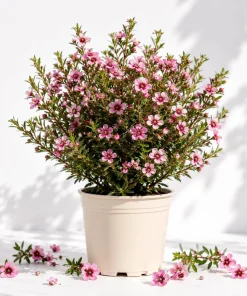
This offering includes a live pink manuka tea plant, standing approximately 4-6 inches tall at the time of shipment. These young plants are typically shipped without a pot, as bare roots or with minimal soil around the root ball, carefully packaged to ensure their health during transit. Upon arrival, they are ready for immediate planting in your garden or a larger container. The mature size of a Leptospermum scoparium can vary, but it generally grows into a dense shrub reaching 6-10 feet in height and width, depending on growing conditions and pruning. The growth rate is moderate, allowing you to observe its development over time. Expect your pink flowering shrub to begin blooming in spring to early summer, providing a long-lasting show of color. It is well-suited for USDA Zones 9–11, thriving in these warmer climates. The compact size of the young plant makes it easy to integrate into existing garden designs or start new planting projects, promising a future of vibrant blooms from your tea tree plant care efforts.
Frequently Asked Questions
- Q: How big does this pink manuka tea plant get? A: Upon arrival, the plant is 4-6 inches tall. With proper care, a mature pink manuka tea plant can grow into a shrub reaching 6-10 feet in height and spread, depending on environmental conditions and pruning.
- Q: Is this an indoor or outdoor plant? A: The Leptospermum scoparium is primarily an outdoor plant. It thrives in full sun and is best suited for garden planting within USDA Zones 9–11. It can be grown in containers outdoors in colder zones and brought indoors for winter.
- Q: How much sunlight does the manuka bush plant need? A: This plant requires full sun, which means at least 6-8 hours of direct sunlight per day, to ensure optimal growth and abundant flowering.
- Q: Is this plant easy to care for? A: Yes, once established, the pink manuka tea plant is considered low-maintenance. It requires well-draining soil, moderate watering, and occasional fertilization. It’s a great choice for both novice and experienced gardeners.
- Q: What condition will it arrive in? A: Your 4-6 inch tall plant will arrive live and healthy, typically as a bare root or with minimal soil, carefully packaged to protect it during shipping. It will be ready for immediate planting upon arrival.
- Q: When is the best time to plant this pink flowering shrub? A: The best time to plant is in spring or early summer, allowing the plant sufficient time to establish its root system before extreme weather conditions.
- Q: What are the USDA Zones for this plant? A: This plant thrives in USDA Hardiness Zones 9–11, where it can be grown as a perennial shrub.
- Q: What kind of soil does the tea tree plant care require? A: It prefers well-draining soil and can adapt to various soil types, including sandy or loamy. Avoid heavy, waterlogged soils to prevent root issues.
- Q: How often should I water my pink manuka tea plant? A: Water regularly during the establishment phase. Once mature, water moderately, allowing the top soil to dry out between waterings. It is relatively drought tolerant once established.
- Q: Is this the plant used for Manuka honey? A: While this is a Manuka plant (Leptospermum scoparium), many species exist. This specific variety is primarily cultivated for its ornamental pink flowers. The Manuka honey is typically derived from other specific varieties of Leptospermum.
Be the first to review “Pink Manuka Tea Plant Live, Pink Flowers Leptospermum, 4-6 Inch Tall Bush”
People Also Viewed
Vegetable Seeds
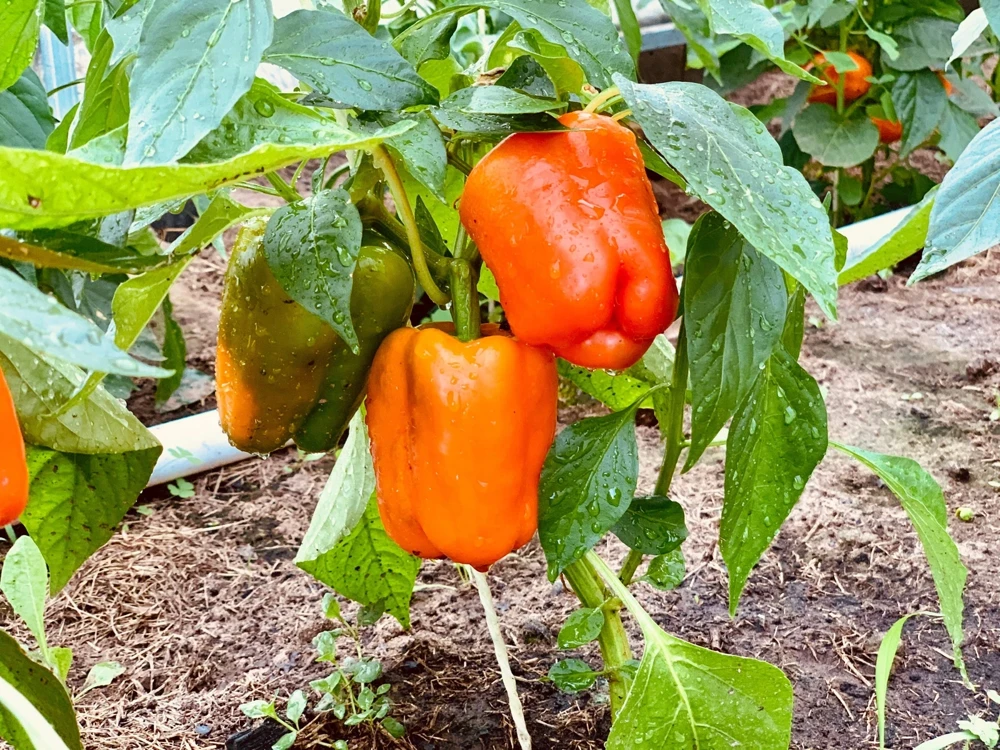
50 Orange Sun Bell Pepper Seeds – Sweet Capsicum Vegetable Seeds
Tree Seeds
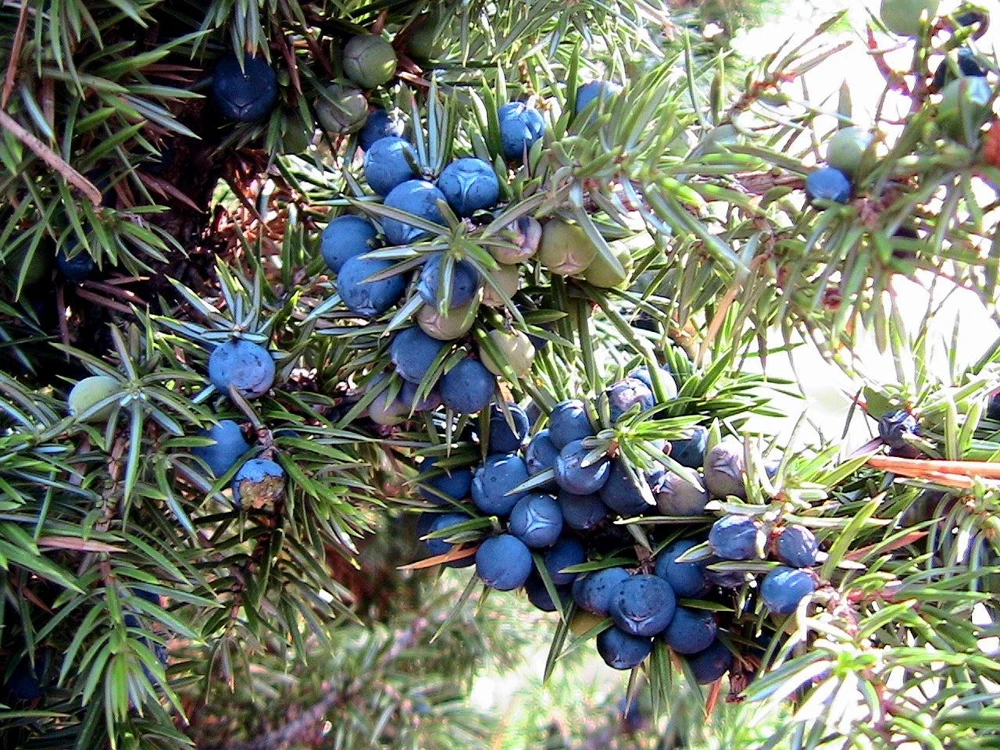
Common Juniper Seeds – Organic Juniperus Communis Tree Shrub Seeds, 60 Seeds (20 Berries)
Reviews
There are no reviews yet.