
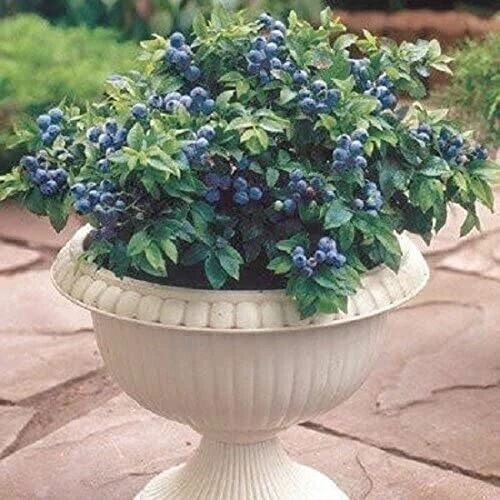
50 Dwarf Bonsai Blueberry Seeds – Edible Mini Planter Bush
Original price was: $49.99.$24.99Current price is: $24.99.
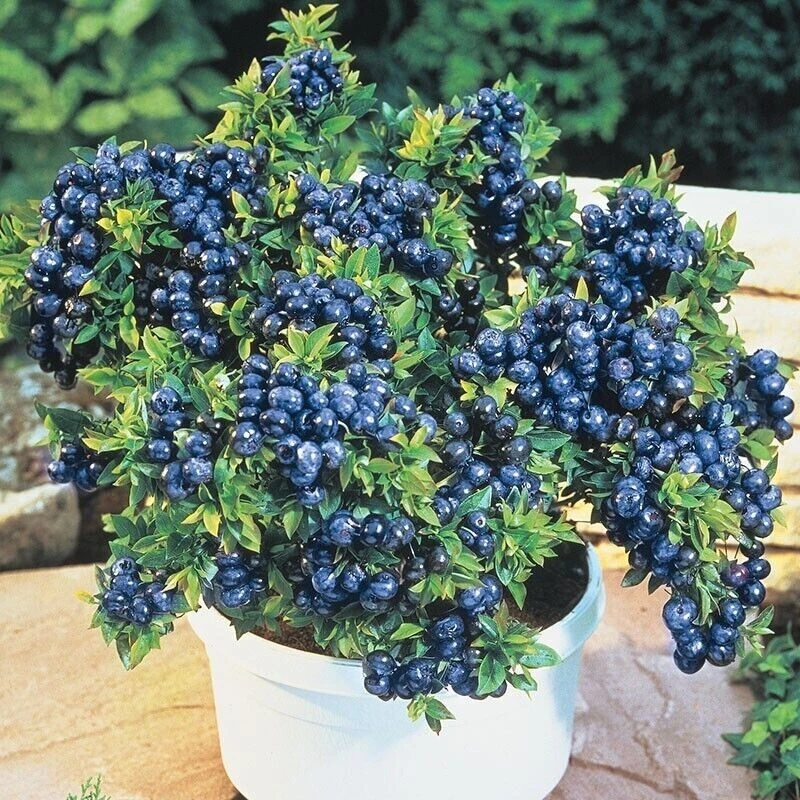
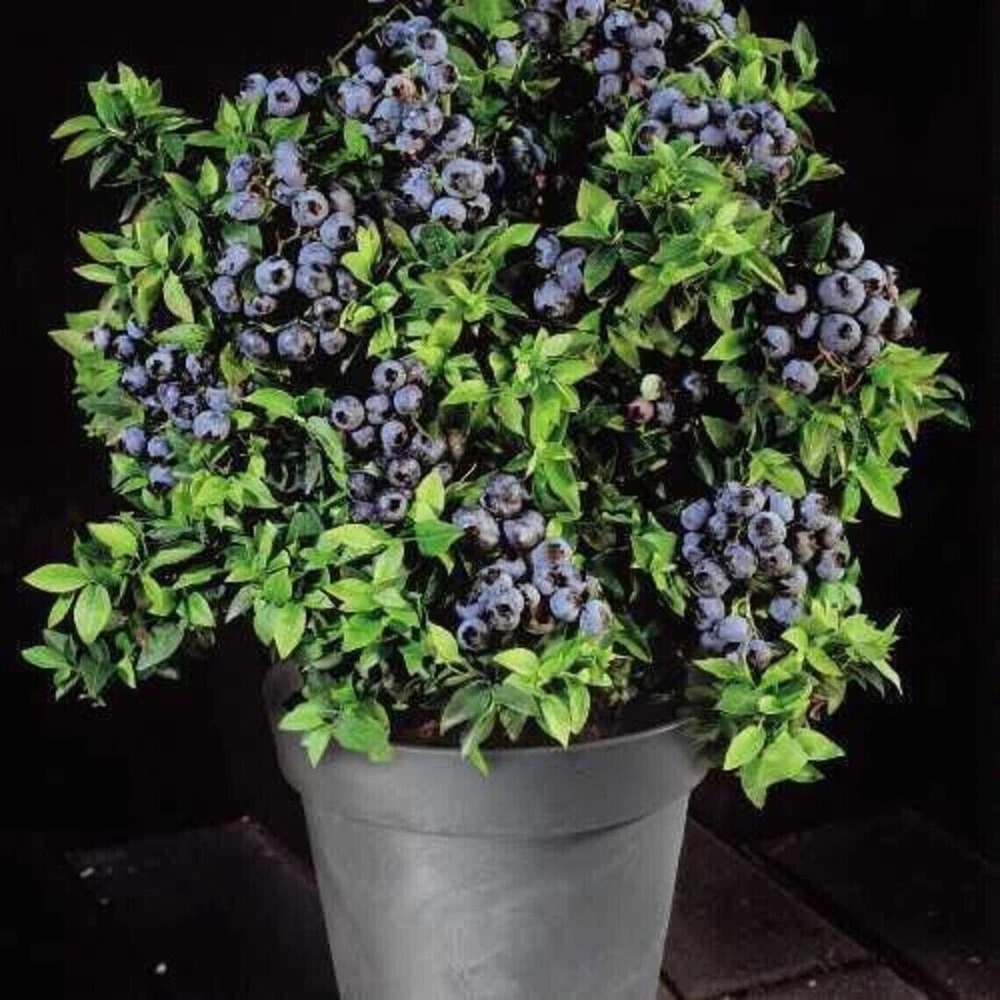
Discover the joy of growing your own miniature fruit with these dwarf bonsai blueberry seeds. Perfect for container gardening, these seeds will sprout into charming, compact bushes that produce delicious, edible blueberries. Ideal for both experienced gardeners and beginners looking for a unique and rewarding project.
Estimated arrival
Oct 27
Nov 01 - Nov 03
Nov 06 - Nov 10
Shop With Confidence
30-Day Plant Health Guarantee
Arrives damaged? We’ll replace it free — see our return policy.
Responsive Support
Email us anytime, we reply within 1 business day.
Expert Packaging
Temperature-controlled shipping to protect your plants in transit.
Secure Checkout
Pay safely with Visa, Mastercard, PayPal.
Plant Specifications
-
USDA Hardiness Zone
USDA zones 4-8 (with winter protection in colder zones) -
Soil Type
Acidic, well-draining soil (pH 4.5-5.5) -
Sunlight Exposure
Full sun (6-8+ hours direct light daily) -
Expected Planting Period
Year-round indoors; early spring outdoors after last frost
Overview
Embark on a delightful gardening journey with our premium collection of dwarf bonsai blueberry seeds. These specially selected seeds offer a unique opportunity to cultivate compact, fruit-bearing blueberry bushes right in your home or garden. Imagine harvesting fresh, sweet blueberries from a charming miniature plant! Perfect for enthusiasts of bonsai, container gardening, or anyone with limited space, these seeds allow you to create an edible landscape feature that is both beautiful and productive. Blueberries (Vaccinium spp.) are renowned for their health benefits and delicious taste, and growing them in a dwarf bonsai form adds an artistic touch to their cultivation. These seeds are fresh and ready to grow, promising a rewarding experience for gardeners of all levels.
Cultivating mini blueberry bush plants from seed is a fulfilling endeavor, allowing you to observe the entire life cycle of these wonderful fruiting plants. Our dwarf variety is specifically chosen to thrive in smaller environments, making it an excellent choice for patios, balconies, or even indoor growing with adequate light. Enjoy the satisfaction of nurturing a plant from a tiny seed into a mature bush that yields tasty berries, adding a touch of natural beauty and fresh produce to your living space.
Key Benefits
Growing dwarf bonsai blueberry seeds offers a multitude of benefits, combining the appeal of miniature gardening with the reward of fresh fruit. Here are some of the advantages you can expect:
- Space-Saving Edible Garden: These seeds grow into compact blueberry bushes, making them perfect for small gardens, patios, balconies, or even windowsills. You don’t need a large plot of land to enjoy fresh, homegrown blueberries.
- Unique Horticultural Project: Cultivating a bonsai blueberry is a fascinating and rewarding project for gardeners. It combines the art of bonsai with the practical aspect of growing edible fruit, offering a truly unique experience.
- Fresh, Healthy Produce: Harvest your own delicious and antioxidant-rich blueberries directly from your plant. Enjoy the superior taste and nutritional value of homegrown fruit, free from pesticides and chemicals.
- Year-Round Enjoyment: Depending on your climate and growing conditions, you can potentially enjoy fresh blueberries for an extended season, or even indoors if properly cared for. The continuous cycle of growth and fruiting is highly satisfying.
- Educational and Therapeutic: The process of nurturing these edible bonsai seeds from germination to fruiting can be a calming and educational activity, perfect for teaching children about plant life or simply unwinding after a long day.
- Attractive Ornamental Plant: Beyond their fruit, dwarf blueberry bushes are attractive plants with delicate foliage and often vibrant autumn colors, making them an appealing addition to any decorative setting.
- Sustainable Gardening: By growing your own blueberries, you contribute to sustainable practices, reducing your carbon footprint and connecting more deeply with nature.
Plant Care & Growing Tips
Successfully growing dwarf bonsai blueberry seeds requires attention to specific conditions to ensure healthy growth and fruit production. Blueberries generally prefer acidic soil, so preparing your growing medium correctly is crucial. Start your seeds indoors in a sterile seed-starting mix, ideally during late winter or early spring. Sow the seeds shallowly, barely covering them with a thin layer of soil, and keep the soil consistently moist but not waterlogged. Germination can be slow and sometimes erratic, so patience is key. Providing bottom heat can often aid in quicker germination.
Once seedlings emerge, provide them with plenty of bright, indirect light. As they grow, gradually introduce them to more light. For established mini blueberry bush plants, full sun (at least 6-8 hours of direct sunlight per day) is ideal for optimal fruiting. If growing indoors, a strong grow light will be necessary. Water regularly, ensuring the soil remains moist but drains well. Blueberries have shallow root systems, so avoid letting the soil dry out completely. Use rainwater or distilled water if your tap water is alkaline, as blueberries are sensitive to high pH.
Maintaining the right soil pH (between 4.5 and 5.5) is paramount for blueberry plant care. You can achieve this by using an acidic potting mix specifically formulated for acid-loving plants, or by amending your soil with peat moss, pine bark, or elemental sulfur. Fertilize sparingly with an acid-forming fertilizer designed for blueberries, typically in spring and early summer. Pruning is essential for maintaining the bonsai shape and encouraging fruit production; focus on removing dead or weak branches and shaping the plant. Protect plants from extreme cold if you are in a colder USDA zone, especially if growing in containers, by bringing them indoors or providing adequate winter protection.
Size & Details
This offering includes 50 dwarf bonsai blueberry seeds, providing ample opportunity to cultivate multiple miniature blueberry bushes. While the exact size of a mature bonsai blueberry can vary based on pruning and growing conditions, these dwarf varieties typically reach a compact height of 1 to 3 feet when mature, making them ideal for container growing and small spaces. They develop a bushy habit with attractive green foliage that often turns vibrant red or orange in the fall, adding seasonal interest. The seeds are fresh and ready for planting, offering the best chance for successful germination and growth. Expect the first fruits to appear within 2-3 years, though some varieties may produce earlier under ideal conditions. The plants are shipped as seeds, providing you with the full experience of nurturing them from their very beginning.
These edible bonsai seeds will grow into plants that can be kept in small pots, allowing for easy movement and placement. The growth rate is moderate, allowing you to gradually shape your bonsai over time. With proper care, these miniature blueberry bushes will become a long-lasting and productive addition to your garden or indoor plant collection, yielding delicious berries for years to come. The compact nature of these plants means they are less demanding on space compared to traditional blueberry bushes, making them accessible to virtually any gardener.
Frequently Asked Questions
- Q: How many dwarf bonsai blueberry seeds are included? A: This package contains 50 dwarf bonsai blueberry seeds, providing a generous quantity for multiple planting attempts or for sharing with fellow gardening enthusiasts.
- Q: Is this an indoor or outdoor plant? A: Dwarf bonsai blueberry plants can be grown both indoors and outdoors. If grown indoors, they will require significant bright light, ideally from a south-facing window or a strong grow light, to ensure proper fruiting. Outdoors, they thrive in full sun.
- Q: How much sunlight does a mini blueberry bush need? A: For optimal growth and fruit production, a mini blueberry bush needs at least 6-8 hours of direct sunlight per day. If growing indoors, supplement with artificial grow lights to meet their light requirements.
- Q: Is this plant easy to care for? A: While growing blueberries from seed and maintaining them as bonsai requires some specific care, such as acidic soil and consistent moisture, it is a manageable project for beginners with a willingness to learn about blueberry plant care.
- Q: What condition will the seeds arrive in? A: The seeds are fresh and carefully packaged to ensure their viability upon arrival, ready for immediate planting or storage.
- Q: How long until it produces fruit? A: Typically, dwarf blueberry bushes grown from seed will begin producing fruit within 2 to 3 years, though some varieties may yield earlier under ideal growing conditions.
- Q: What is the best time to plant these edible bonsai seeds? A: The best time to start your edible bonsai seeds indoors is late winter to early spring. Once established and past the danger of frost, they can be transplanted outdoors or into larger containers.
- Q: What kind of soil is best for growing blueberries from seed? A: Blueberries require highly acidic soil with a pH between 4.5 and 5.5. Use a specialized acidic potting mix or amend your soil with peat moss, pine bark, or elemental sulfur to achieve the correct pH.
- Q: How tall will the dwarf bonsai blueberry plant grow? A: When mature, a dwarf bonsai blueberry plant typically grows to a compact height of 1 to 3 feet, making it perfect for container gardening and small spaces.
- Q: Can I use these blueberries for cooking? A: Yes, the blueberries produced by these plants are fully edible and can be enjoyed fresh, in baking, jams, or any other way you typically use blueberries.
Be the first to review “50 Dwarf Bonsai Blueberry Seeds – Edible Mini Planter Bush”
People Also Viewed
Fruits
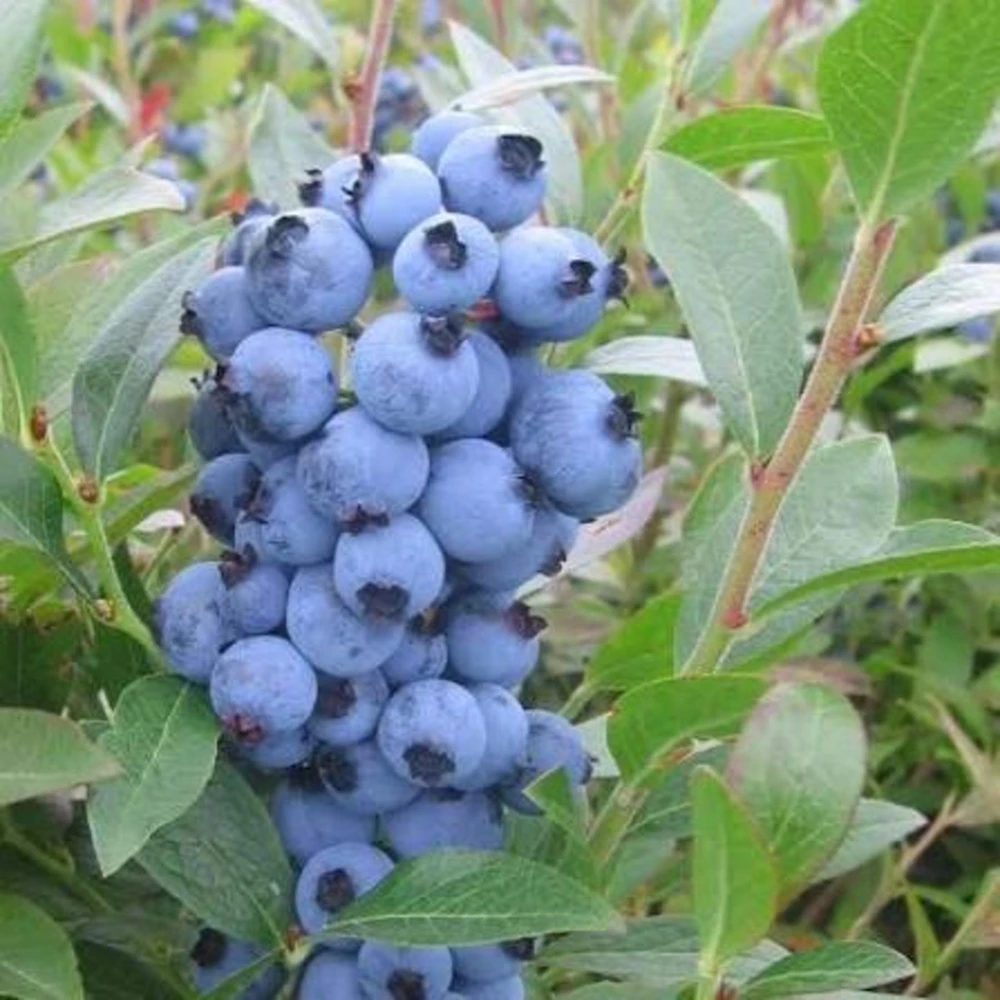
Tophat Dwarf Blueberry Plant – 2 Starter Plugs – Vaccinium angustifolium x corymbosum – Live Bush
Aquatic Plant Seeds
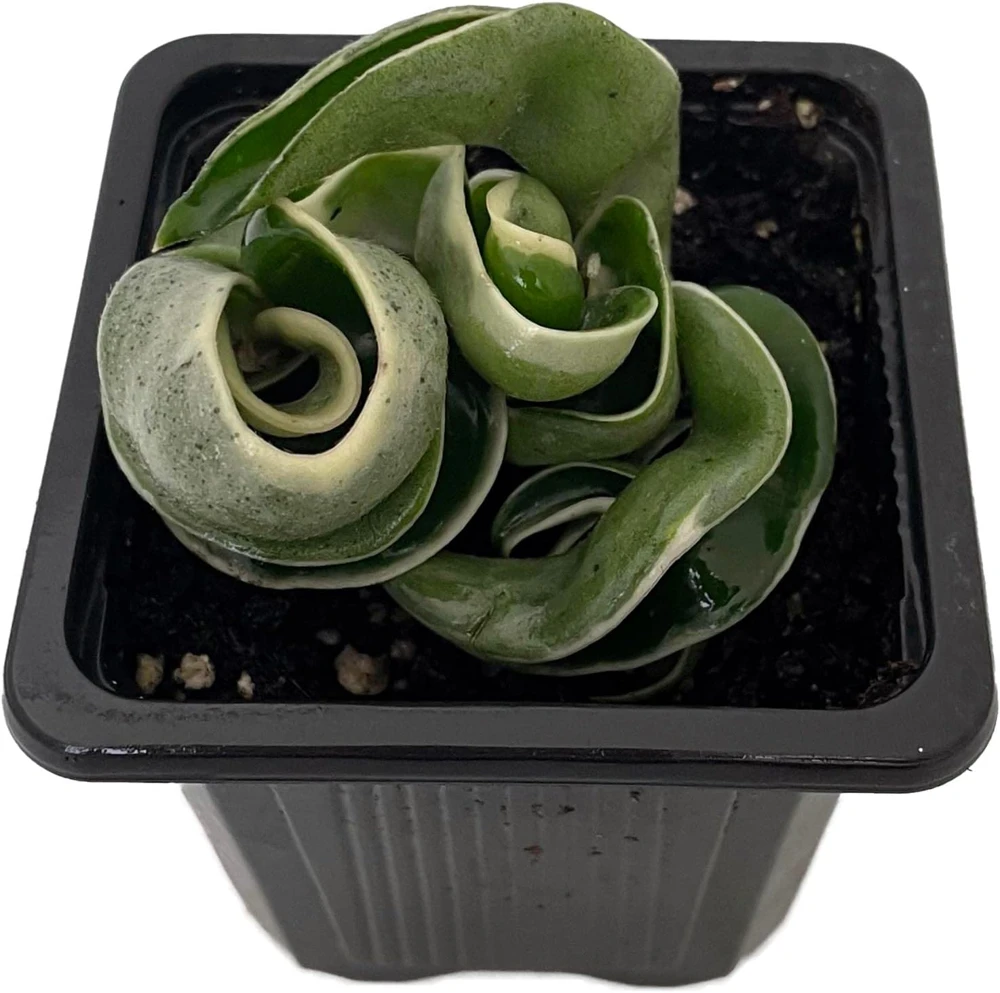
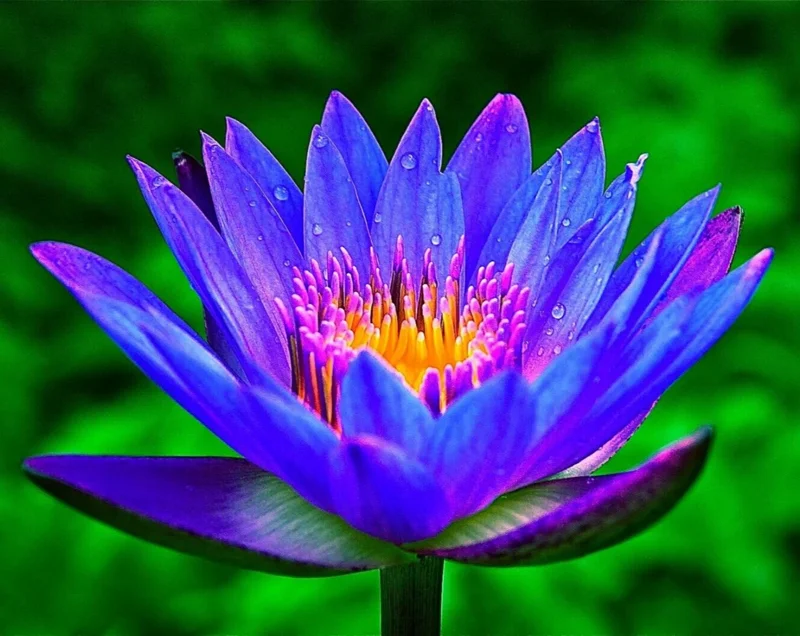
Colorful Lotus Water Lily Bulbs – Easy Grow Perennial Aquatic Plant Seeds

Vegetable Seeds
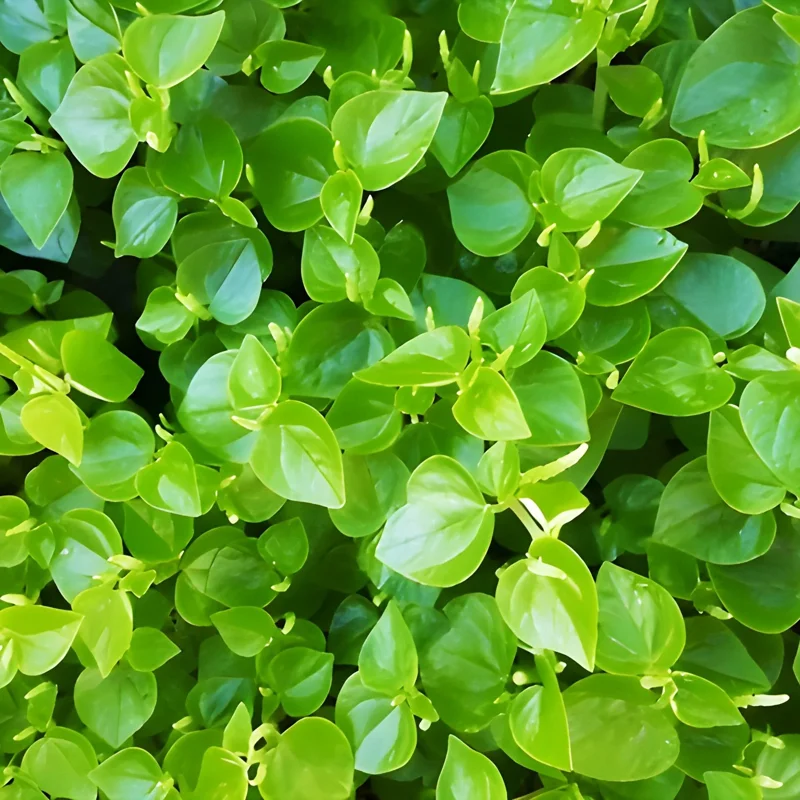
400+ Crab Claw Seeds (Peperomia Pellucida) – Rau Cang Cua Vegetable Seeds, Outdoor, Easy Grow
Reviews
There are no reviews yet.