


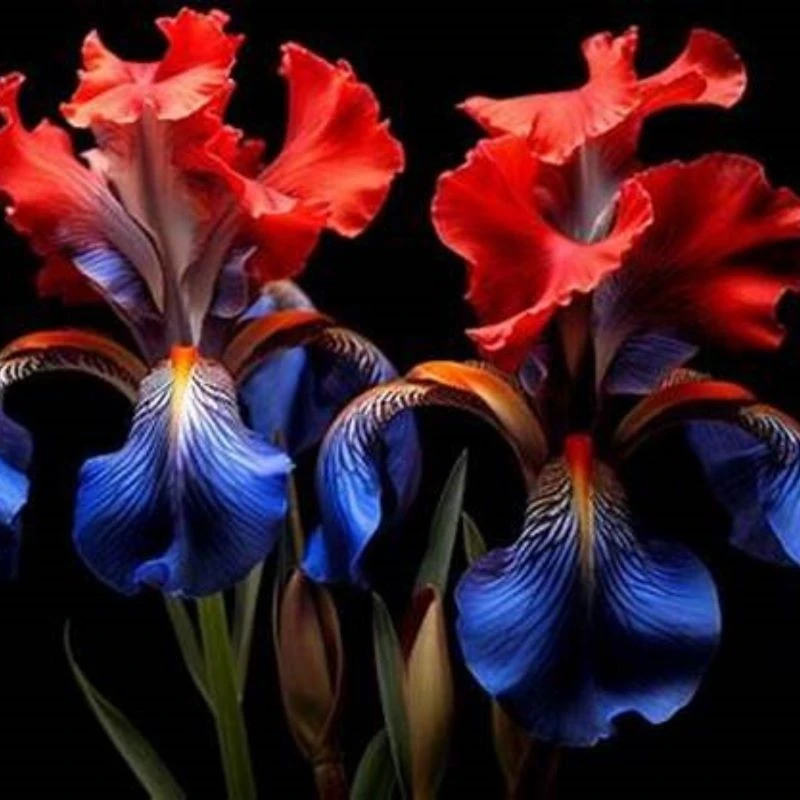
50 Iris Flower Seeds – Fresh & Ready to Grow Perennial Blooms
Original price was: $49.99.$24.99Current price is: $24.99.
Start your own beautiful perennial garden with these iris flower seeds. Each packet contains 50 iris seeds, ready to sprout into vibrant, flowering plants. Enjoy the satisfaction of growing stunning irises from scratch, adding elegance and color to your outdoor space. These are fresh iris seeds, perfect for enthusiasts looking to grow iris from seed.
Estimated arrival
Oct 27
Nov 01 - Nov 03
Nov 06 - Nov 10
Shop With Confidence
30-Day Plant Health Guarantee
Arrives damaged? We’ll replace it free — see our return policy.
Responsive Support
Email us anytime, we reply within 1 business day.
Expert Packaging
Temperature-controlled shipping to protect your plants in transit.
Secure Checkout
Pay safely with Visa, Mastercard, PayPal.
Plant Specifications
-
USDA Hardiness Zone
USDA zones 3-9 (varies by specific iris type) -
Soil Type
Well-draining loamy soil -
Sunlight Exposure
Full sun to partial shade -
Expected Planting Period
Late fall or early spring after stratification
Overview
Cultivate a breathtaking garden with our premium packet of iris flower seeds. This offering provides 50 iris seeds, allowing you to embark on a rewarding gardening journey from the ground up. Irises are beloved perennial flowering plants, known for their intricate and often fragrant blooms that come in a spectacular array of colors. Growing irises from seed is a fulfilling experience, offering a cost-effective way to introduce a multitude of these classic beauties into your landscape. Our fresh iris seeds are carefully selected to ensure viability, giving you the best possible start to nurturing these elegant flowers. Whether you’re an experienced horticulturist or a budding gardener, these seeds are an excellent choice for adding a touch of sophistication to your outdoor living areas. Learn how to grow iris from seed and enjoy the process of watching these magnificent plants mature.
Key Benefits
Choosing to plant iris flower seeds offers a multitude of advantages for any garden enthusiast. These versatile perennials provide long-lasting beauty and require relatively straightforward care, making them a popular choice for various garden styles.
- Stunning Blooms: Irises produce some of the most captivating flowers, often featuring unique patterns and a wide spectrum of colors, from deep blues and purples to vibrant yellows and whites, ensuring your garden stands out.
- Perennial Nature: As perennials, irises return year after year, providing consistent beauty without the need for annual replanting, making them a sustainable and low-maintenance option for your landscape.
- Cost-Effective Gardening: Purchasing iris flower seeds is significantly more economical than buying mature plants or bulbs, allowing you to plant a large quantity of irises and create expansive flower beds on a budget.
- Rewarding Experience: The process of germinating and growing irises from seed is incredibly satisfying, connecting you more deeply with the natural world and the life cycle of plants. It’s a wonderful way to grow iris from seed and witness their full development.
- Attracts Pollinators: The vibrant blooms of irises are a magnet for bees, butterflies, and other beneficial pollinators, contributing to the health and biodiversity of your garden ecosystem.
- Versatile Landscaping: Irises can be used in various garden settings, including borders, rock gardens, cottage gardens, or as focal points, providing flexibility in your garden design.
- Hardy and Resilient: Many iris varieties are known for their hardiness and ability to tolerate a range of growing conditions once established, making them a robust choice for diverse climates. These flowering plant seeds are designed for success.
Plant Care & Growing Tips
To successfully cultivate your iris flower seeds, understanding their basic care requirements is essential. Irises thrive in conditions that mimic their natural habitats, which generally means plenty of sunlight and well-draining soil. Begin by sowing your fresh iris seeds in a prepared seed bed or containers. Stratification (a cold period) is often beneficial, mimicking winter conditions to break dormancy. This can be achieved by refrigerating seeds for several weeks in a moist medium before planting, or by planting outdoors in late fall for natural stratification over winter.
Once germinated, iris seedlings require consistent moisture but should not be waterlogged. A good rule of thumb for watering is to allow the top inch of soil to dry out between waterings. Irises prefer full sun, meaning at least six hours of direct sunlight per day, though some varieties can tolerate partial shade, particularly in hotter climates. The ideal soil for irises is well-draining, slightly acidic to neutral, and rich in organic matter. Avoid heavy clay soils that retain too much moisture, as this can lead to rot. Fertilize sparingly with a balanced fertilizer once established, typically in early spring, to encourage robust growth and abundant blooms. Understanding how to grow iris from seed involves patience, as it can take 2-3 years for seedlings to reach flowering maturity, but the wait is well worth the spectacular display.
Protect young seedlings from pests and diseases by ensuring good air circulation and avoiding overcrowding. Common iris pests include iris borers, which can be managed with appropriate insecticides or by removing affected parts. Fungal diseases like leaf spot can occur in overly humid conditions; ensure proper spacing and avoid overhead watering. These perennial iris seeds, given the right care, will develop into strong, healthy plants that enhance your garden for years to come. For those looking to add vibrant color and elegant form to their garden, learning to grow iris from seed is an incredibly rewarding endeavor.
Size & Details
This product includes 50 iris seeds, providing a generous quantity to start a substantial iris patch or integrate them throughout your garden. The seeds are shipped as fresh, viable seeds, ready for planting. When mature, iris plants typically reach a height of 1 to 3 feet, depending on the specific variety, with a spread of about 1 to 2 feet. The growth rate from seed to flowering plant can take anywhere from 2 to 3 years, as the plant needs time to establish a strong root system and foliage before producing blooms. The exact size and bloom time will vary based on environmental conditions and care. These flowering plant seeds offer the potential for a long-term display of beauty.
Our fresh iris seeds are suitable for a wide range of climates and can be planted in various garden styles. The mature plants will produce elegant flowers, often with a pleasant fragrance, making them ideal for cut flower arrangements as well. Expect these perennial iris seeds to develop into robust plants that contribute significantly to your garden’s aesthetic for many seasons.
Frequently Asked Questions
- Q: How big do iris plants get from these seeds? A: Mature iris plants typically grow to a height of 1 to 3 feet, with a spread of 1 to 2 feet, depending on the variety and growing conditions.
- Q: Is this an indoor or outdoor plant? A: Irises are primarily outdoor plants, thriving in garden beds, borders, and landscapes where they receive ample sunlight. It is best to grow iris from seed directly in outdoor conditions or start them indoors and transplant.
- Q: How much sunlight do these iris seeds need to grow? A: Iris plants prefer full sun, requiring at least 6 hours of direct sunlight per day for optimal growth and flowering. Some varieties can tolerate partial shade, especially in hot climates.
- Q: Is this plant easy to care for? A: Once established, irises are relatively low-maintenance. The initial germination and seedling stages require more attention, but overall, they are considered easy to care for perennial flowers. These flowering plant seeds are a good choice for many gardeners.
- Q: What condition will the seeds arrive in? A: The product consists of 50 iris seeds, arriving as fresh, viable seeds ready for your planting efforts. They are carefully packaged to ensure their quality upon delivery.
- Q: How long until these iris flower seeds bloom? A: It typically takes 2 to 3 years for iris plants grown from seed to reach maturity and produce their first blooms. This is a common timeline for many perennial seeds.
- Q: When is the best time to plant these perennial iris seeds? A: For best results, plant iris flower seeds in late fall to allow for natural cold stratification over winter, or stratify them artificially before spring planting.
- Q: Will these iris plants survive winter in my zone? A: Most iris varieties are quite hardy and can survive winter in a wide range of USDA zones. Ensure proper drainage and mulching in colder zones for added protection.
- Q: What type of soil do these iris seeds prefer? A: Irises thrive in well-draining soil that is rich in organic matter. A slightly acidic to neutral pH is generally preferred for these flowering plant seeds.
- Q: Can I save seeds from the flowers once they bloom? A: Yes, you can collect seeds from your mature iris plants, though the resulting offspring may not be identical to the parent plant due to cross-pollination, offering a fun surprise.
Be the first to review “50 Iris Flower Seeds – Fresh & Ready to Grow Perennial Blooms”
People Also Viewed
Reviews
There are no reviews yet.