


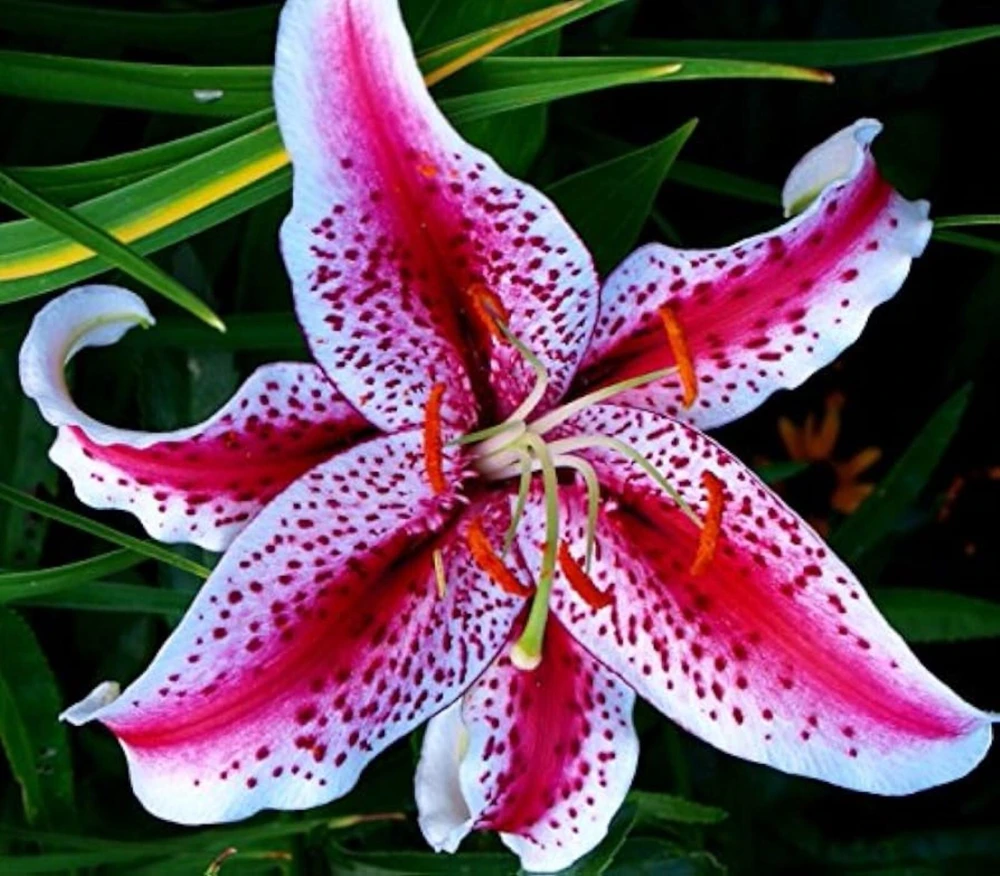
50 Lily Flower Seeds – Easy to Grow, Fragrant Blooms
Original price was: $49.99.$24.99Current price is: $24.99.
Cultivate stunning lilies with this pack of 50 lily flower seeds. Ideal for gardeners looking to grow vibrant, fragrant blooms. These easy to grow lily seeds promise a beautiful display in your garden or containers. Enjoy the simplicity of planting and nurturing these classic flowers from scratch.
Estimated arrival
Oct 27
Nov 01 - Nov 03
Nov 06 - Nov 10
Shop With Confidence
30-Day Plant Health Guarantee
Arrives damaged? We’ll replace it free — see our return policy.
Responsive Support
Email us anytime, we reply within 1 business day.
Expert Packaging
Temperature-controlled shipping to protect your plants in transit.
Secure Checkout
Pay safely with Visa, Mastercard, PayPal.
Plant Specifications
-
USDA Hardiness Zone
USDA zones 4-9 (varies by specific lily variety) -
Soil Type
Well-draining, fertile, rich in organic matter -
Sunlight Exposure
Full sun to partial shade -
Expected Planting Period
Spring, after cold stratification
Overview
Embark on a rewarding gardening journey with our premium selection of lily flower seeds. This generous pack contains 50 lily flower seeds, offering an economical and satisfying way to introduce the timeless elegance of lilies into your landscape. Unlike bulbs, growing lilies from seed allows for a unique experience, observing the full life cycle of these magnificent flowers. Lilies (Lilium spp.) are renowned for their large, often trumpet-shaped or star-shaped flowers, which come in a dazzling array of colors and often exude a captivating fragrance. These seeds are perfect for both seasoned gardeners and enthusiastic beginners eager to cultivate their own beautiful blooms. Freshly harvested and ready to propagate, these seeds provide the foundation for a vibrant and aromatic garden display, transforming your outdoor or indoor space into a haven of natural beauty.
Choosing to grow lily from seed opens up a world of possibilities, allowing you to cultivate a diverse range of lily varieties. Each seed holds the potential for a unique flower, adding an element of surprise and delight to your gardening efforts. Our lily flower seeds are carefully selected to ensure viability and robust growth, providing you with the best chance for successful germination and flourishing plants. Prepare to be enchanted by the sheer number of blooms these seeds can produce, creating a stunning visual impact that will be the envy of your neighborhood. With proper care and a little patience, you’ll soon enjoy a garden filled with the majestic presence of lilies, perfect for cut flower arrangements or simply admiring their natural splendor.
Key Benefits
Growing lilies from seeds offers numerous advantages, from the joy of nurturing plants from their earliest stage to the aesthetic and sensory rewards they bring. Here are some key benefits of cultivating these beautiful flowers:
- Cost-Effective Gardening: Purchasing lily flower seeds is significantly more economical than buying mature bulbs, allowing you to cultivate a large number of plants for a fraction of the cost. This makes it an excellent option for large-scale planting or for those on a budget.
- Rewarding Experience: There is immense satisfaction in watching a plant grow from a tiny seed to a magnificent flowering specimen. The process of cultivating these fragrant lily seeds provides a deeply rewarding and educational experience for gardeners of all levels.
- Variety and Diversity: Growing from seed can sometimes result in unique variations in bloom color and form, offering a wider genetic diversity than propagated bulbs. This can lead to exciting and unexpected discoveries in your garden.
- Long-Lasting Blooms: Lilies grown from seed, once established, can provide a spectacular display of flowers year after year. With proper care, they become a perennial favorite, returning each season to grace your garden.
- Versatile Garden Addition: Lilies are incredibly versatile and can be grown in garden beds, borders, containers, or even as cut flowers. Their striking appearance makes them a focal point in any setting, enhancing both formal and informal designs.
- Attracts Pollinators: The vibrant colors and often strong fragrance of lily flowers are highly attractive to beneficial pollinators such as bees and butterflies, contributing to the health and biodiversity of your garden ecosystem.
- Fragrant Beauty: Many lily varieties are celebrated for their delightful fragrance, which can perfume an entire garden or room. These fragrant lily seeds offer the promise of intoxicating aromas that enhance the sensory appeal of your space.
Plant Care & Growing Tips
Cultivating lily flower seeds requires a bit of patience, but the results are well worth the effort. Lilies generally prefer a location with full sun to partial shade, meaning they need at least 6 hours of direct sunlight per day, especially in cooler climates. In hotter regions, some afternoon shade can prevent scorching of the delicate petals. Good air circulation is also important to prevent fungal diseases. The soil should be well-draining, fertile, and rich in organic matter. A pH between 6.0 and 7.0 is generally ideal. Before planting your lily flower seeds, amend heavy clay soils with compost or sand to improve drainage, and sandy soils with compost to enhance water retention and nutrient availability.
Starting lily flower seeds often requires a period of cold stratification to break dormancy. This can be achieved by placing the seeds in a moist medium (like peat moss or vermiculite) in a sealed plastic bag and refrigerating them for 6-8 weeks. After stratification, sow the seeds shallowly, about 1/4 inch deep, in seed-starting mix. Keep the soil consistently moist but not waterlogged. Germination can be slow and erratic, sometimes taking several weeks or even months. Once seedlings emerge, provide bright, indirect light. As they grow, transplant them into larger pots before ultimately moving them to their permanent outdoor location after the last frost. Regular watering is crucial, especially during dry spells, ensuring the soil remains evenly moist. Avoid overhead watering to minimize the risk of leaf diseases.
Fertilize young lily plants with a balanced, slow-release fertilizer or a liquid feed diluted to half strength every 2-4 weeks during the growing season. As plants mature, you can switch to a fertilizer higher in phosphorus to promote blooming. Protect young seedlings from pests like slugs and snails, which can quickly decimate tender growth. Stake taller varieties to prevent their heavy blooms from flopping over, especially in windy conditions. Deadhead spent flowers to encourage the plant to put energy into bulb development rather than seed production, unless you are intending to collect more lily flower seeds. With these tips, you’ll find it relatively easy to grow lily plants that will become a cherished part of your garden.
Size & Details
This product includes a pack containing 50 lily flower seeds. While the exact size of mature lily plants grown from these seeds can vary depending on the specific lily variety and growing conditions, most garden lilies typically reach a height of 2 to 6 feet (60-180 cm). The spread can range from 1 to 2 feet (30-60 cm) per plant. These seeds will require several months to a year to develop into flowering plants, with some varieties taking up to two or three years to produce their first blooms. When you plant lily seeds, you are investing in a long-term gardening project that yields spectacular results. The seeds will arrive in a protective packet, ready for stratification and planting, providing you with a fresh start for your lily garden.
The form in which the product ships is a packet of dry seeds. Once germinated and established, the plants will develop bulbs underground, which will then produce foliage and flowers. The growth rate is moderate, with initial seedling development being slow. Expect strong root and bulb formation in the first year, followed by more vigorous foliage and flower production in subsequent years. These lily flower seeds are ideal for creating naturalized areas, mixed borders, or for growing in large containers. The eventual size and vigor of your lily plants will be a testament to your dedicated care and the quality of these seeds.
Frequently Asked Questions
- Q: How big do lilies grown from these seeds get? A: Lilies grown from these lily flower seeds typically reach heights of 2 to 6 feet, depending on the specific variety and growing conditions. Their spread can be about 1 to 2 feet wide.
- Q: Is this an indoor or outdoor plant? A: Lilies are primarily outdoor plants, thriving in garden beds and borders. However, they can be grown in large containers on patios or balconies. Some varieties can also be forced indoors for temporary displays.
- Q: How much sunlight do lily seeds need to grow? A: Once germinated, lily plants require full sun to partial shade, meaning at least 6 hours of direct sunlight daily for optimal growth and abundant blooms.
- Q: Is it easy to grow lilies from seed? A: While growing lilies from seed is a rewarding process, it requires patience and specific conditions like cold stratification. It’s generally considered more involved than planting bulbs, but still accessible for gardeners looking for a challenge.
- Q: What condition will the seeds arrive in? A: The lily flower seeds will arrive as dry, fresh seeds in a protective packet, ready for you to begin the stratification and planting process at home.
- Q: How long until these lily seeds bloom? A: Lilies grown from seed can take anywhere from one to three years to produce their first flowers, depending on the variety and growing conditions. Patience is key when you plant lily seeds.
- Q: What’s the best time to plant lily seeds? A: After cold stratification, the best time to sow lily flower seeds is in spring, once the danger of the last frost has passed and soil temperatures have begun to warm up.
- Q: Do these lilies have a fragrance? A: Many lily varieties are known for their beautiful fragrance, and these fragrant lily seeds are selected to potentially produce blooms with delightful aromas, adding a sensory dimension to your garden.
- Q: What kind of soil is best for growing lily seeds? A: Lilies prefer well-draining, fertile soil that is rich in organic matter. A slightly acidic to neutral pH (6.0-7.0) is generally ideal for successful growth.
- Q: Will these lily plants attract pollinators? A: Yes, the vibrant and often fragrant blooms that develop from these lily flower seeds are known to attract beneficial pollinators like bees and butterflies to your garden.
Be the first to review “50 Lily Flower Seeds – Easy to Grow, Fragrant Blooms”
People Also Viewed



Succulents
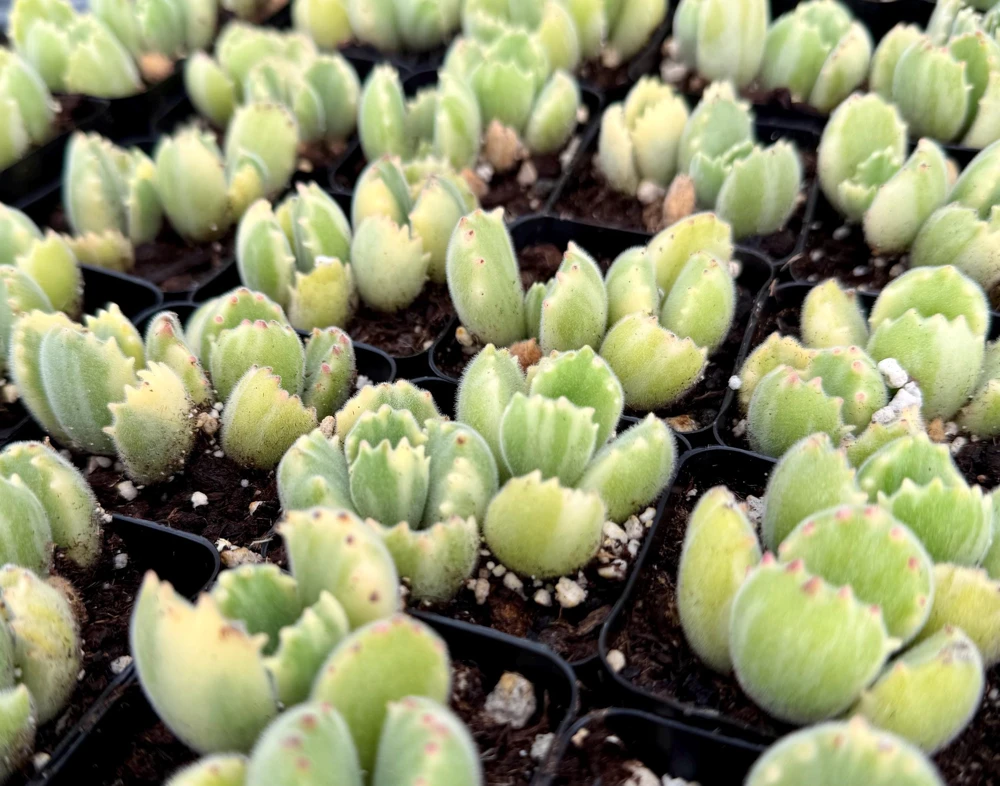
Variegated Bear Paw Succulent Live Plant – Cotyledon tomentosa variegata – 2 Inch or 4 Inch Pot

Reviews
There are no reviews yet.