


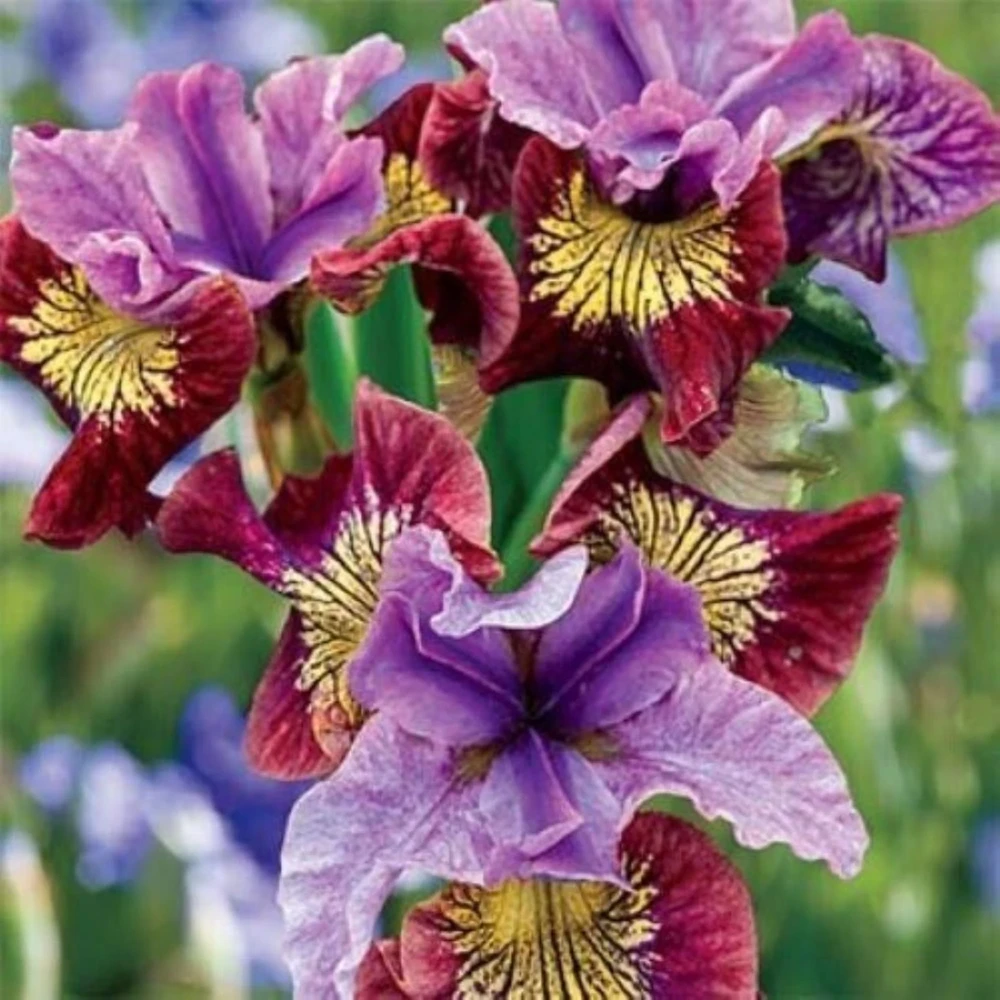
50 Iris Seeds – Flowering Iris Plant Seeds for Garden
Original price was: $49.99.$24.99Current price is: $24.99.
Start your own vibrant iris garden with this pack of 50 Iris seeds. These flowering iris seeds are perfect for cultivating stunning blooms that will enhance any landscape. Enjoy the rewarding process of watching your iris plant care efforts result in beautiful flowers.
Estimated arrival
Oct 27
Nov 01 - Nov 03
Nov 06 - Nov 10
Shop With Confidence
30-Day Plant Health Guarantee
Arrives damaged? We’ll replace it free — see our return policy.
Responsive Support
Email us anytime, we reply within 1 business day.
Expert Packaging
Temperature-controlled shipping to protect your plants in transit.
Secure Checkout
Pay safely with Visa, Mastercard, PayPal.
Plant Specifications
-
USDA Hardiness Zone
USDA Zones 3-9 -
Soil Type
Well-draining, rich in organic matter -
Sunlight Exposure
Full sun to partial shade -
Expected Planting Period
Late fall or early spring (after stratification)
Overview
Embark on a rewarding gardening journey with this generous pack of 50 Iris seeds. These high-quality seeds provide an economical and fulfilling way to cultivate a breathtaking display of iris flowers in your garden. Rather than purchasing mature bulbs, growing irises from seed allows you to experience the entire life cycle of these magnificent plants, from germination to glorious bloom. Irises are renowned for their intricate, vibrant petals and elegant form, making them a favorite among gardeners and flower enthusiasts alike. With proper care, these iris seeds will transform into robust plants, offering a diverse array of colors and patterns to beautify your outdoor space. This method of growing provides a unique opportunity to potentially discover new and exciting iris varieties, adding an element of surprise to your garden.
Whether you are a seasoned gardener or just starting, these flowering iris seeds are an excellent choice for adding perennial beauty to your landscape. The process of sowing and nurturing iris plants from seed is incredibly satisfying, connecting you more deeply with nature. Imagine a garden bursting with the unique charm of irises, attracting pollinators and delighting the senses. These seeds are a fantastic way to expand your existing iris collection or to begin a brand new one, ensuring a continuous cycle of bloom for years to come. Investing in iris seeds is an investment in future beauty and the joy of gardening.
Key Benefits
These iris seeds offer numerous advantages for any gardener looking to enrich their outdoor environment. Cultivating irises from seed is not only a cost-effective method but also provides a deeper connection to the gardening process. Here are some of the key benefits:
- Cost-Effective Gardening: Purchasing iris seeds is significantly more economical than buying mature iris bulbs, allowing you to establish a large iris collection for a fraction of the cost. This makes it an ideal option for gardeners on a budget or those looking to expand their garden extensively.
- Diverse Varieties: Growing irises from seed can sometimes result in unique color combinations and patterns not found in commercially available bulbs, offering a delightful surprise with each bloom. This genetic diversity adds an exciting element to your iris flower garden.
- Rewarding Experience: There is immense satisfaction in watching a plant grow from a tiny seed into a magnificent flowering specimen. The entire process, from germination to bloom, offers a fulfilling and educational gardening experience.
- Adaptability: Iris plants, once established, are relatively hardy and can adapt to various soil types and climates, making them a versatile addition to many garden settings. With good iris plant care, they thrive.
- Long-Lasting Blooms: Irises are perennial plants, meaning they return year after year, providing continuous beauty and color to your garden with minimal effort once established. They are a reliable source of vibrant blooms.
- Pollinator Attraction: The vibrant and fragrant blooms of irises attract beneficial pollinators like bees and butterflies, contributing to the biodiversity and health of your garden ecosystem.
- Landscape Enhancement: Irises are stunning focal points in flowerbeds, borders, and even containers, adding elegance and a touch of sophistication to any garden design. Their striking appearance makes them a standout choice.
Plant Care & Growing Tips
Successful iris plant care begins with proper sowing and continues through thoughtful cultivation. For these iris seeds, preparation is key. Begin by stratifying the seeds, which mimics natural winter conditions and encourages germination. Place the seeds in a moist medium like sand or peat moss, seal them in a plastic bag, and refrigerate for 4-6 weeks. After stratification, sow the seeds in well-draining soil, either directly outdoors in late fall or early spring, or indoors 8-10 weeks before the last frost. Plant seeds about 1/2 inch deep and 2-3 inches apart.
Iris plants thrive in full sun, meaning at least 6 hours of direct sunlight per day, though some varieties can tolerate partial shade, especially in hotter climates. The soil should be well-draining and rich in organic matter. Avoid heavy, waterlogged soils, as this can lead to rot. Once established, irises are relatively drought-tolerant but benefit from regular watering during dry spells, especially when first establishing or during flowering periods. Fertilize sparingly with a balanced, low-nitrogen fertilizer in early spring. Good iris plant care also involves deadheading spent blooms to encourage more flowering and prevent seed formation, unless you wish to collect more iris seeds.
For optimal growth, ensure good air circulation around your iris plants to prevent fungal diseases. Divide overcrowded clumps every 3-5 years to maintain vigor and bloom production. This can be done in late summer after flowering. Irises are generally hardy in USDA zones 3-9, depending on the specific variety, making them suitable for a wide range of climates. With consistent attention to these care guidelines, your flowering iris seeds will develop into a magnificent and enduring feature of your garden, providing joy season after season. Understanding how to grow iris from seed effectively will yield the best results.
Size & Details
This package contains 50 Iris seeds, providing an ample quantity to start a substantial iris patch or experiment with various planting locations. While the initial seed size is small, mature iris plants typically grow to heights ranging from 1 to 3 feet (30-90 cm) and spread about 1 to 2 feet (30-60 cm) wide, depending on the specific iris variety and growing conditions. The growth rate from seed to first bloom can vary, but generally, iris plants started from seed will produce their first flowers within 2 to 3 years. The seeds are shipped in a protective packet, ensuring their viability upon arrival.
Each seed has the potential to develop into a robust plant, offering a diverse palette of colors and forms. While specific color or bloom type cannot be guaranteed from mixed seeds, the excitement of discovering new variations is part of the charm of growing iris from seed. These seeds offer a long-term investment in your garden’s aesthetic, promising years of beautiful blooms. With proper iris plant care, these 50 seeds can establish a significant and stunning presence in your garden.
Frequently Asked Questions
- Q: How big do iris plants get from these seeds? A: Iris plants grown from these iris seeds typically reach heights of 1 to 3 feet tall and spread 1 to 2 feet wide, depending on the specific variety and growing conditions in your garden.
- Q: Is this an indoor or outdoor plant? A: Irises are primarily outdoor plants that thrive in garden beds and borders. They require ample sunlight and space to grow to their full potential.
- Q: How much sunlight do these flowering iris seeds need to grow? A: Iris plants require at least 6 hours of direct sunlight per day to produce abundant blooms. Partial shade can be tolerated in very hot climates but may result in fewer flowers.
- Q: Is this plant easy to care for? A: Once established, iris plants are relatively low-maintenance. The initial care for iris seeds involves stratification and proper sowing, but mature plants are quite hardy with good drainage and sunlight.
- Q: What condition will the seeds arrive in? A: The iris seeds will arrive in a protective packet, ensuring they are fresh and ready for stratification and planting.
- Q: How long until iris plants grown from seed bloom? A: It typically takes 2 to 3 years for iris plants grown from seed to reach maturity and produce their first blooms. Patience is key when you grow iris from seed.
- Q: When is the best time to plant iris seeds? A: After stratification, you can sow iris seeds directly outdoors in late fall or early spring, or start them indoors 8-10 weeks before the last frost.
- Q: What type of soil is best for iris plant care? A: Irises prefer well-draining soil that is rich in organic matter. Avoid heavy clay soils that retain too much moisture, as this can lead to rot.
- Q: Will these irises survive winter in my zone? A: Most iris varieties are hardy in USDA zones 3-9. With proper winter protection, they can thrive in a wide range of temperate climates, making them excellent for an iris flower garden.
- Q: Do I need to stratify these iris seeds? A: Yes, cold stratification for 4-6 weeks in a refrigerator is recommended to break dormancy and improve germination rates for these iris seeds.
Be the first to review “50 Iris Seeds – Flowering Iris Plant Seeds for Garden”
People Also Viewed

Vegetable Seeds
Reviews
There are no reviews yet.