
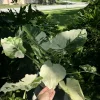
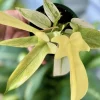
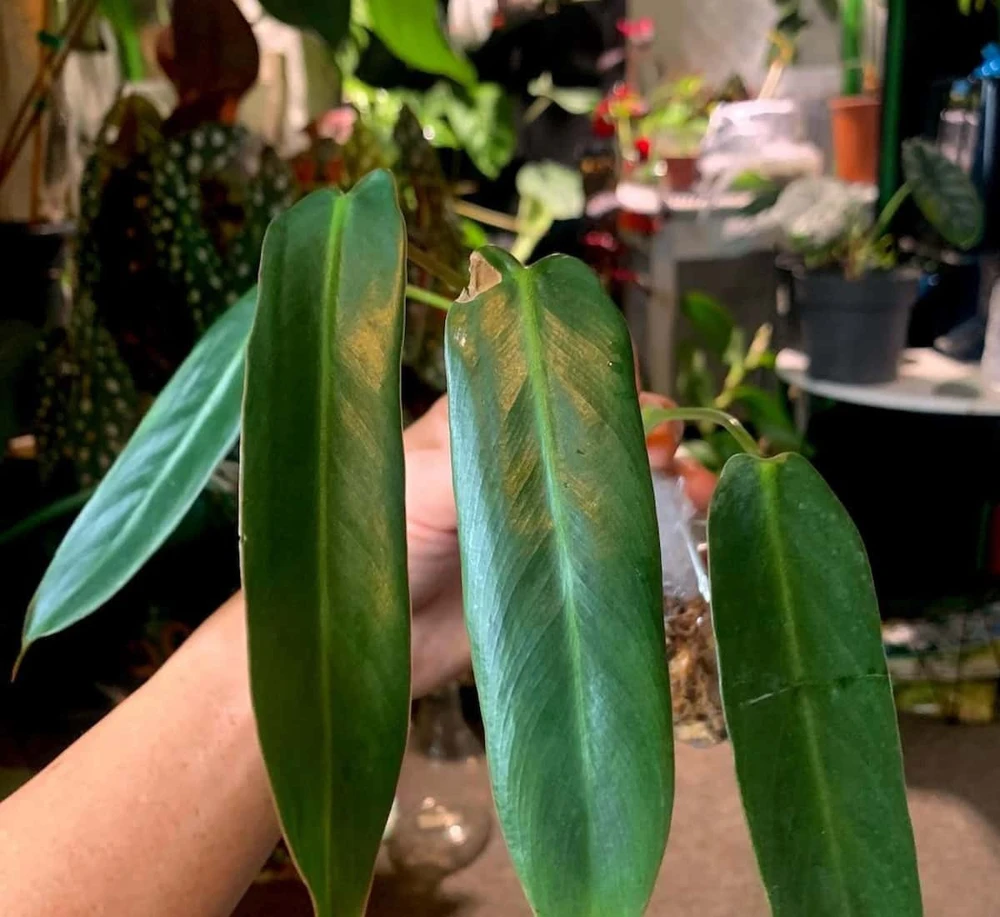
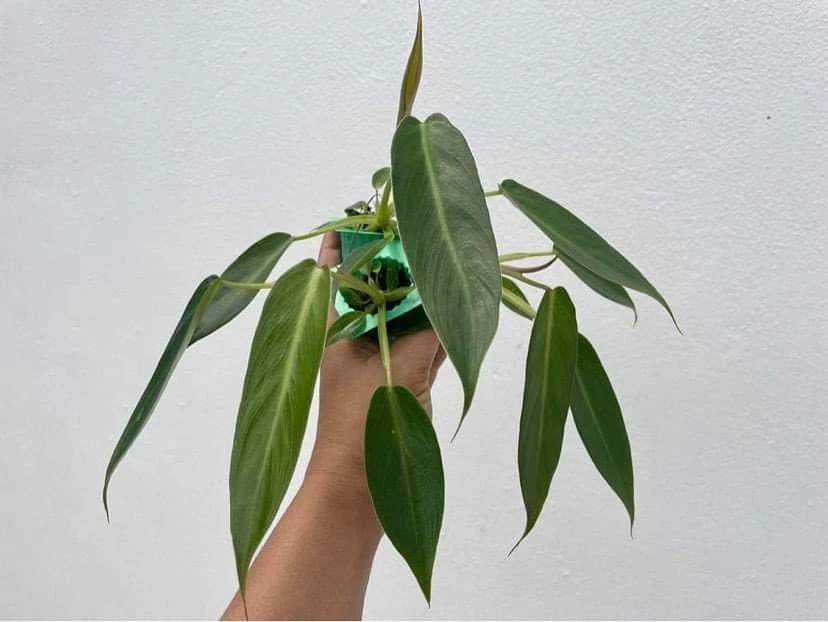
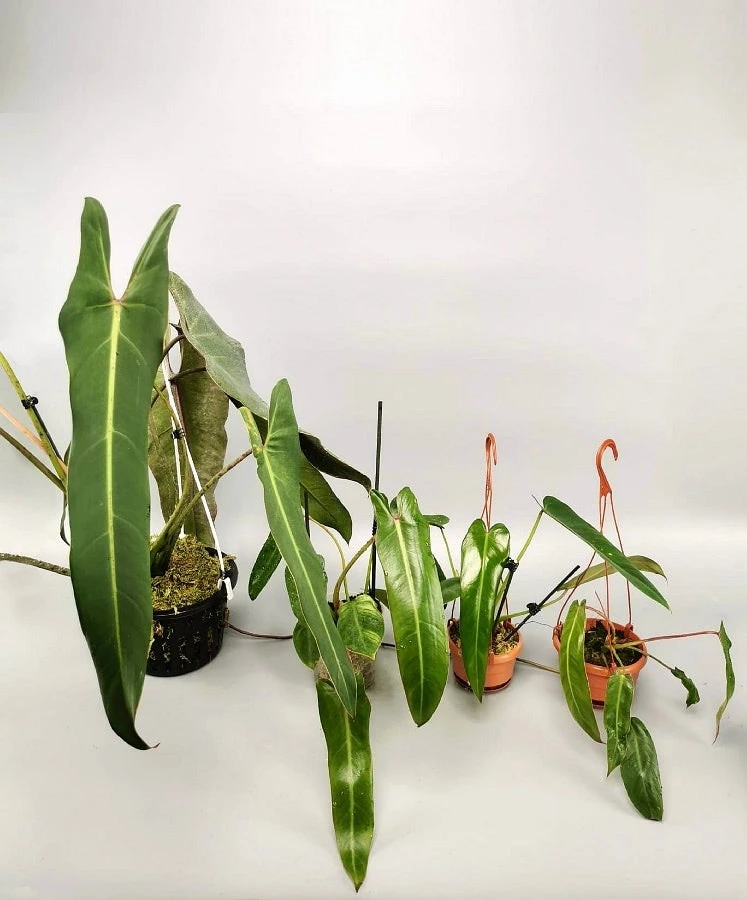
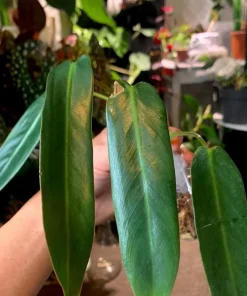
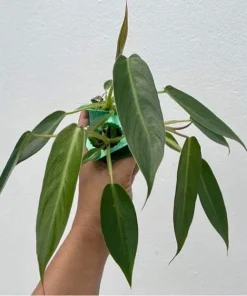
Philodendron Spiritus Sancti Live Plant – Ultra Rare Climbing Aroid Houseplant
Original price was: $108.99.$89.99Current price is: $89.99.
Bring home the majestic Philodendron Spiritus Sancti live plant, an ultra-rare and highly sought-after climbing aroid. This stunning houseplant features long, strap-shaped leaves, adding an exquisite touch of tropical elegance to any indoor collection. Perfect for experienced plant enthusiasts.
Estimated arrival
Oct 27
Nov 01 - Nov 03
Nov 06 - Nov 10
Shop With Confidence
30-Day Plant Health Guarantee
Arrives damaged? We’ll replace it free — see our return policy.
Responsive Support
Email us anytime, we reply within 1 business day.
Expert Packaging
Temperature-controlled shipping to protect your plants in transit.
Secure Checkout
Pay safely with Visa, Mastercard, PayPal.
Plant Specifications
-
USDA Hardiness Zone
year-round indoors (zones 10-11 outdoors) -
Soil Type
well-draining, airy potting mix -
Sunlight Exposure
bright indirect light -
Expected Planting Period
year-round indoors
Overview
Introduce an unparalleled botanical treasure to your collection with the Philodendron Spiritus Sancti live plant. This exceptionally rare and highly coveted climbing aroid is a true marvel, known for its distinctively elongated, strap-shaped leaves that command attention. Originating from the rainforests, the Philodendron Spiritus Sancti is a must-have for serious plant collectors and those seeking unique indoor tropical plants. Its striking appearance and rarity make it a centerpiece in any plant display, offering a glimpse into the incredible diversity of the Philodendron genus. This live plant is carefully cultivated to ensure its health and vitality upon arrival, ready to thrive in its new home.
The allure of the Philodendron Spiritus Sancti lies not only in its scarcity but also in its captivating form. Each leaf unfurls with a delicate beauty, gradually developing its mature, elongated shape. As a climbing philodendron, it will benefit from a support structure to showcase its natural growth habit, allowing its magnificent foliage to cascade or ascend gracefully. Owning a Philodendron Spiritus Sancti live plant is an opportunity to cultivate a piece of living art, a testament to nature’s extraordinary design, and a conversation starter for any visitor.
This exquisite aroid is more than just a plant; it’s an experience. Its presence elevates any indoor space, bringing a touch of the exotic and the serene. With proper care, this rare specimen will flourish, rewarding its owner with continuous growth and an ever-evolving display of its unique leaf structure. For those passionate about rare aroid houseplant varieties, the Philodendron Spiritus Sancti represents the pinnacle of collecting.
Key Benefits
The Philodendron Spiritus Sancti live plant offers a multitude of benefits, making it an exceptional addition to any indoor garden. Its unique characteristics contribute to both aesthetic appeal and a fulfilling plant-parenting experience. This rare specimen is not just a plant but a statement piece.
- Exquisite Rarity: One of the most sought-after and rare aroid houseplant varieties, instantly elevating the status of your plant collection. Its limited availability makes it a true collector’s item.
- Stunning Foliage: Features uniquely elongated, strap-shaped leaves that are unlike any other philodendron, providing a dramatic and elegant visual appeal. Each new leaf is a delight to behold.
- Natural Air Purifier: Like many houseplants, it contributes to improved indoor air quality by filtering out common toxins, creating a healthier living environment.
- Climbing Growth Habit: As a climbing philodendron, it can be trained to grow vertically on a moss pole or trellis, allowing for versatile display options and showcasing its natural form. This also promotes larger leaf development.
- Botanical Conversation Starter: Its extreme rarity and distinctive appearance are sure to captivate guests and fellow plant enthusiasts, sparking intriguing discussions about its origins and unique qualities.
- Rewarding Cultivation: Tending to such a unique and valuable plant provides a deeply rewarding experience for dedicated plant parents, observing its growth and development over time.
- Enhances Interior Aesthetics: Adds a touch of tropical luxury and sophistication to any room, complementing various decor styles from modern minimalist to lush bohemian.
Plant Care & Growing Tips
Caring for your Philodendron Spiritus Sancti live plant requires attention to detail, but with the right environment, it will thrive beautifully. This plant prefers conditions that mimic its native tropical habitat. Providing consistent humidity and appropriate light are crucial for its health and growth. Avoid sudden changes in temperature or humidity, as this can stress the plant. Regular observation of your plant will help you understand its specific needs and allow you to address any issues promptly, ensuring a happy and healthy specimen.
Sunlight requirements: The Philodendron Spiritus Sancti thrives in bright, indirect light. Direct sunlight can scorch its delicate leaves, leading to discoloration and damage. A spot near an east or north-facing window is often ideal, or a few feet away from a south or west-facing window. If natural light is insufficient, a grow light can supplement, ensuring it receives 10-12 hours of light daily. Proper lighting is key for vibrant foliage and robust growth for this indoor tropical plant.
Watering schedule and soil moisture preferences: Water thoroughly when the top 1-2 inches of soil feel dry to the touch. Philodendrons do not like to sit in water, so ensure excellent drainage. Overwatering can lead to root rot, which is detrimental to the plant. Conversely, allowing the soil to dry out completely for extended periods can cause stress. A consistent watering schedule, adjusted seasonally, is essential. The Spiritus Sancti care routine emphasizes balanced moisture.
Soil type and drainage requirements: Use a well-draining, airy potting mix that retains some moisture but allows excess water to escape efficiently. A good mix typically includes perlite, orchid bark, and peat moss or coco coir. This composition provides the necessary aeration for roots and prevents compaction. Adequate drainage is paramount to prevent root issues.
Temperature range and USDA hardiness zone: This tropical plant prefers warm temperatures, ideally between 65-80°F (18-27°C). Avoid temperatures below 60°F (15°C), as this can cause stress and damage. As an indoor plant, USDA hardiness zones are less relevant, but if grown outdoors in a tropical climate, it would align with zones 10-11. Maintain stable temperatures and avoid cold drafts. High humidity, around 60-80%, is highly beneficial. You can increase humidity with a humidifier, pebble tray, or by misting.
Fertilization schedule and type: During the growing season (spring and summer), fertilize every 2-4 weeks with a balanced liquid fertilizer diluted to half strength. Reduce or cease fertilization during the dormant fall and winter months. Over-fertilization can lead to nutrient burn, so always err on the side of caution. Regular feeding supports vigorous growth and the development of its magnificent leaves.
Common problems and solutions: Watch out for common houseplant pests like spider mites, mealybugs, and thrips. Inspect your plant regularly and treat infestations promptly with insecticidal soap or neem oil. Yellowing leaves can indicate overwatering or nutrient deficiency, while browning tips may suggest low humidity or underwatering. Adjust your care routine based on these visual cues to maintain a healthy rare aroid houseplant.
Size & Details
This Philodendron Spiritus Sancti live plant is typically shipped in a nursery pot, ready for you to acclimate and potentially repot into a decorative container. While exact dimensions can vary, young plants generally arrive with several established leaves and a healthy root system, standing approximately 6-12 inches tall, depending on availability. As a climbing aroid, its growth rate is moderate to fast under optimal conditions. With proper support, it can reach impressive lengths, with mature leaves potentially growing over a foot long.
The plant is carefully packaged to ensure safe transit, minimizing stress during shipping. Expect to see new growth emerging once it settles into its new environment. The ultimate size of your Philodendron Spiritus Sancti will depend on its growing conditions, light, and the support provided. It is a long-term commitment that will reward you with continuous beauty. The unique structure of this climbing philodendron makes it a fascinating specimen to observe as it matures.
Frequently Asked Questions
- Q: How big does this plant get? A: The Philodendron Spiritus Sancti live plant is a climbing aroid and can grow quite large with proper support, often reaching several feet in length. Its leaves can also mature to over a foot long under ideal conditions, making it a truly impressive specimen.
- Q: What size pot does it come in? A: The plant typically ships in a standard nursery pot, usually around 4-6 inches in diameter, depending on the plant’s size and stage of growth. We recommend repotting into a slightly larger pot with good drainage once it has acclimated to your home.
- Q: Is this an indoor or outdoor plant? A: The Philodendron Spiritus Sancti is primarily grown as an indoor tropical plant in most climates due to its sensitivity to cold. It can be grown outdoors only in very warm, humid, frost-free climates (USDA zones 10-11) in shaded areas.
- Q: How much sunlight does it need? A: This philodendron thrives in bright, indirect light. Avoid direct sunlight, which can burn its delicate leaves. An east or north-facing window, or a spot a few feet from a south or west-facing window, is usually ideal.
- Q: Is this plant easy to care for? A: While not extremely difficult, the Philodendron Spiritus Sancti care requires consistent attention to humidity, light, and watering. It’s best suited for intermediate to experienced plant enthusiasts who can provide its specific environmental needs.
- Q: What condition will it arrive in? A: Your plant will be carefully packaged to ensure it arrives in the best possible condition. It will be a healthy, live plant with an established root system, though some minor leaf stress from transit is normal and will recover quickly.
- Q: Is it pet-safe? A: No, like many philodendrons, the Philodendron Spiritus Sancti contains calcium oxalates, which can be toxic if ingested by pets or humans. Keep it out of reach of children and pets.
- Q: How often should I water my Spiritus Sancti? A: Water when the top 1-2 inches of soil feel dry to the touch. It’s crucial to allow the soil to dry out slightly between waterings to prevent root rot. Adjust frequency based on ambient temperature and humidity.
- Q: Does this plant need a moss pole? A: Yes, as a climbing philodendron, it greatly benefits from a moss pole, trellis, or other support structure. This encourages larger leaf development and mimics its natural growth habit in the wild.
- Q: What makes this philodendron ultra-rare? A: The Philodendron Spiritus Sancti is considered ultra-rare due to its limited natural habitat, slow propagation, and high demand among collectors. Its unique leaf shape also contributes to its desirability as a rare aroid houseplant.
Be the first to review “Philodendron Spiritus Sancti Live Plant – Ultra Rare Climbing Aroid Houseplant”
People Also Viewed
Flower Bulbs
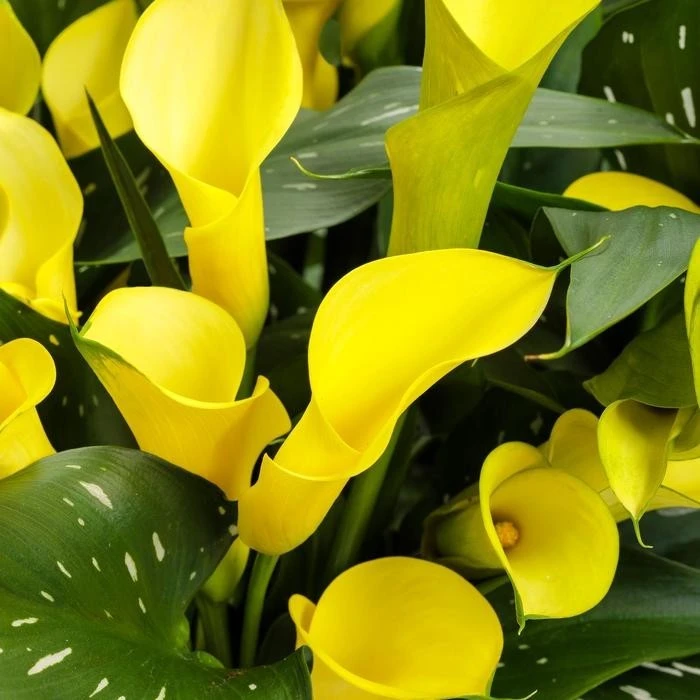
Gold Cup Calla Lily Bulbs – 2 Live Flower Bulbs – Vibrant Yellow Gold, Outdoor Perennial
Reviews
There are no reviews yet.