
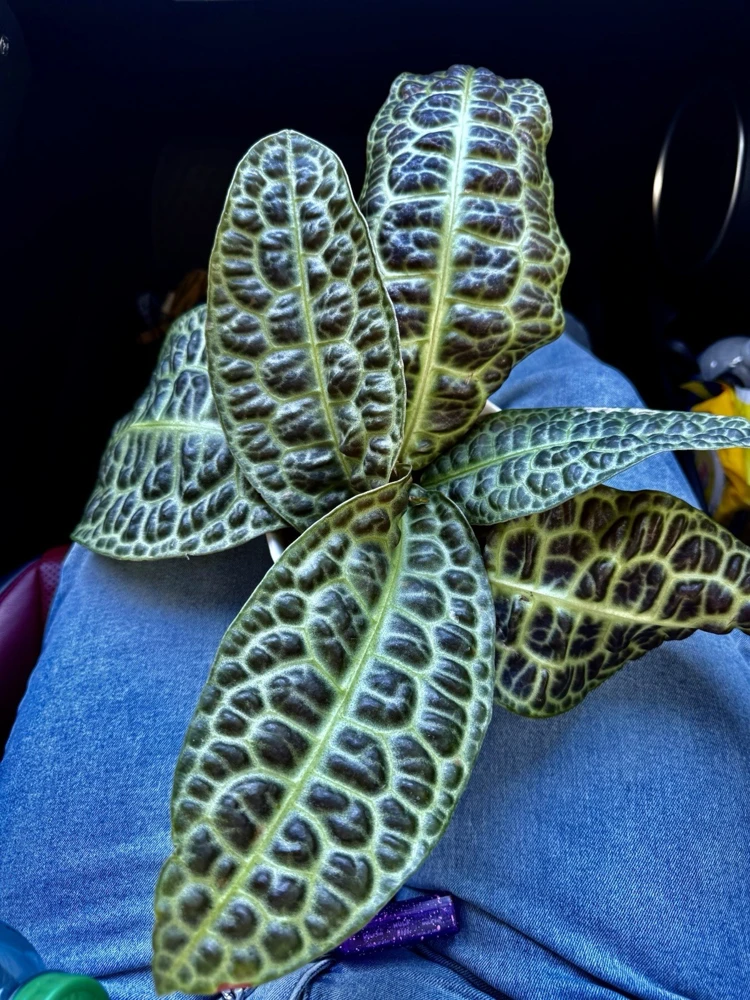
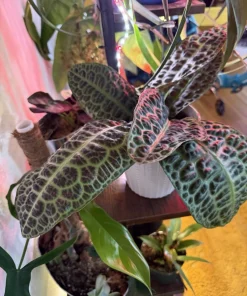
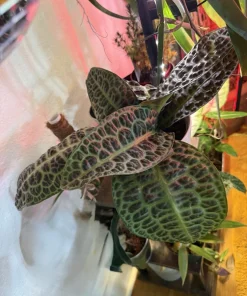
Labisia ‘Turtle Back’ Live Plant – Rare Tropical Foliage Houseplant
Original price was: $132.99.$109.99Current price is: $109.99.
Introduce a touch of the exotic with the stunning Labisia ‘Turtle Back’ live plant. This rare tropical foliage houseplant boasts unique leaf patterns, making it a captivating addition to any indoor plant collection. Ideal for plant enthusiasts seeking something truly special.
Estimated arrival
Oct 27
Nov 01 - Nov 03
Nov 06 - Nov 10
Shop With Confidence
30-Day Plant Health Guarantee
Arrives damaged? We’ll replace it free — see our return policy.
Responsive Support
Email us anytime, we reply within 1 business day.
Expert Packaging
Temperature-controlled shipping to protect your plants in transit.
Secure Checkout
Pay safely with Visa, Mastercard, PayPal.
Plant Specifications
-
USDA Hardiness Zone
unknown (indoor plant) -
Soil Type
well-draining, airy potting mix -
Sunlight Exposure
bright indirect light -
Expected Planting Period
year-round indoors
Overview
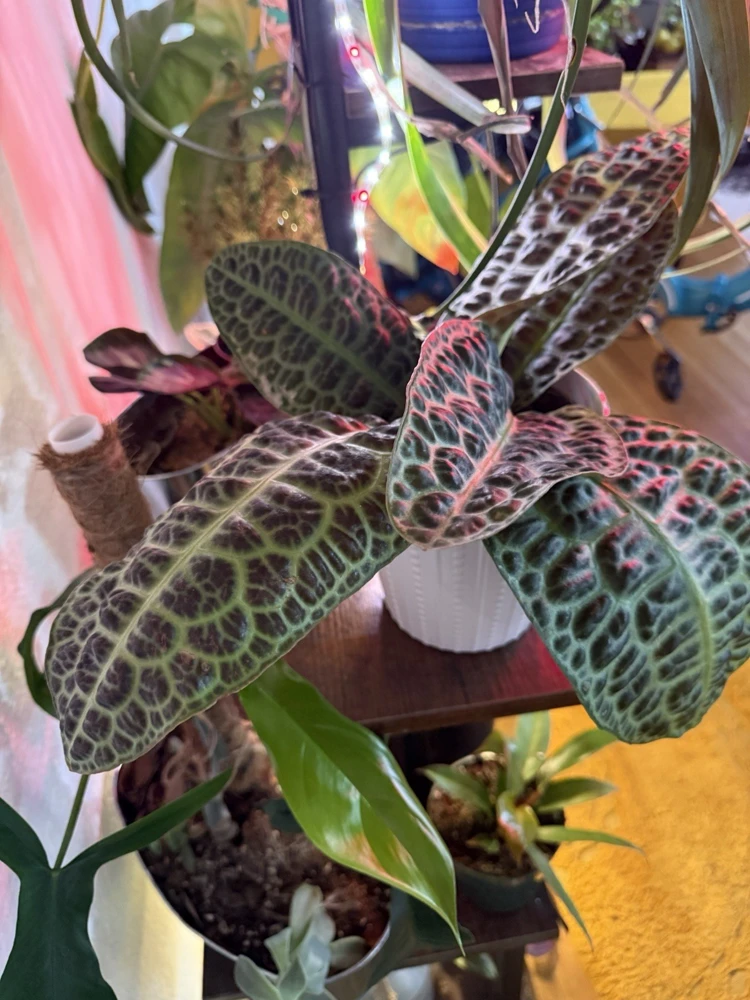
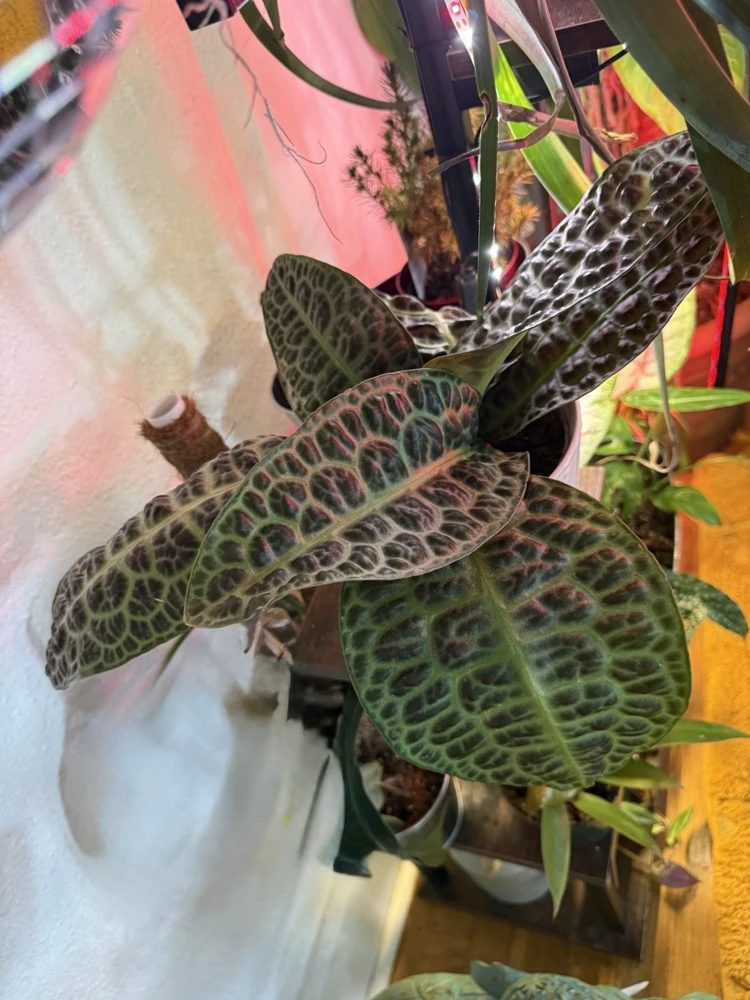
Bring the allure of the rainforest into your home with the exquisite Labisia ‘Turtle Back’ live plant. Known for its distinct, textured foliage resembling a turtle’s shell, this rare tropical houseplant is a true collector’s gem. Originating from the humid undergrowth of Southeast Asian rainforests, the Labisia ‘Turtle Back’ (scientifically known as Labisia pumila ‘Turtle Back’ cultivar) is celebrated for its intricate leaf patterns and vibrant, often iridescent, coloration. Unlike common houseplants, its beauty lies in its unique leaves rather than showy flowers, offering a constant display of natural artistry. This particular cultivar is highly sought after by enthusiasts for its striking appearance and relatively compact growth habit, making it an ideal choice for terrariums or as a standalone statement piece. If you’re looking to expand your collection with a truly rare tropical foliage plant, the Labisia ‘Turtle Back’ is an exceptional choice that promises to be a conversation starter.
The charm of this exotic indoor plant extends beyond its looks; it offers a glimpse into the diverse flora of tropical ecosystems. Its slow growth rate and preference for stable, humid environments make it a rewarding project for those who enjoy creating miniature jungle habitats indoors. The deep green leaves often feature reddish or purple undersides, adding another layer of visual interest. Owning a Labisia ‘Turtle Back’ live plant is not just about having a plant; it’s about cultivating a piece of living art that continuously evolves with new growth.
Key Benefits
The Labisia ‘Turtle Back’ live plant offers numerous advantages for the discerning plant collector and home decorator:
-
Unique Aesthetic Appeal: Its distinctive ‘turtle back’ patterned leaves and rich coloration make it an unparalleled decorative plant. Each leaf is a miniature work of art, providing a focal point in any room. This unique houseplant stands out from more common varieties, adding an element of sophisticated rarity to your collection.
-
Collector’s Item: Due to its rarity and specific care requirements, the Labisia ‘Turtle Back’ live plant is a highly valued specimen among plant enthusiasts. It represents an opportunity to own an uncommon botanical treasure.
-
Compact Growth: This plant maintains a manageable size, making it perfect for smaller spaces, desktops, or enclosed terrariums where its beauty can be admired up close without overtaking the area.
-
Air Purification: Like many houseplants, the Labisia ‘Turtle Back’ contributes to a healthier indoor environment by naturally filtering airborne toxins, improving the air quality in your living space.
-
Low Maintenance Foliage: While it appreciates specific conditions, once established, its primary beauty is in its foliage, requiring no deadheading or seasonal flower care, making Labisia care focused on consistent environmental factors.
-
Terrarium Compatibility: Its preference for high humidity and stable temperatures makes it an excellent candidate for closed terrariums, where it can thrive and showcase its full splendor in a controlled microclimate.
-
Conversation Starter: The unusual appearance of this exotic indoor plant is sure to capture attention and spark curiosity among guests, making it a wonderful talking point in your home.
Plant Care & Growing Tips
Proper Labisia care is crucial for the thriving of your Labisia ‘Turtle Back’ live plant. This tropical beauty flourishes in conditions that mimic its native rainforest understory. It requires consistent warmth, high humidity, and stable temperatures. Avoid sudden changes in its environment, as this can stress the plant. The ideal temperature range is between 65-80°F (18-27°C). Protect it from cold drafts and extreme heat. High humidity, ideally above 60%, is paramount. You can achieve this by using a humidifier, placing the plant on a pebble tray with water, or housing it in a terrarium. Misting can provide temporary relief but is not a substitute for consistent humidity.
When it comes to light, the Labisia ‘Turtle Back’ live plant prefers bright, indirect light. Direct sunlight will scorch its delicate leaves, leading to discoloration and damage. An east-facing window with filtered light or a spot a few feet away from a south or west-facing window is usually ideal. If natural light is insufficient, a grow light can supplement, ensuring it receives about 10-12 hours of light daily. Water thoroughly when the top inch of soil feels dry to the touch, but do not allow the plant to sit in standing water, as this can lead to root rot. Use distilled water or rainwater if your tap water is heavily chlorinated, as these plants can be sensitive to chemicals. A well-draining, airy potting mix that retains some moisture, such as a blend of peat moss, perlite, and orchid bark, is recommended. Fertilize sparingly during the growing season (spring and summer) with a diluted balanced liquid fertilizer, about once a month. Reduce feeding in fall and winter. Repot only when necessary, usually every 1-2 years, to a pot that is just slightly larger than the current one.
Common issues include leaf browning due to low humidity or underwatering, and yellowing leaves from overwatering. Keep an eye out for common houseplant pests like spider mites or mealybugs, especially in dry conditions. Regular inspection and prompt treatment with insecticidal soap can keep your rare tropical foliage plant healthy. With consistent attention to these details, your Labisia ‘Turtle Back’ will reward you with its stunning presence.
Size & Details
The Labisia ‘Turtle Back’ live plant typically grows as a compact understory plant, often reaching a mature height of approximately 6-12 inches (15-30 cm) and a spread of similar dimensions, though some specimens may grow slightly larger under ideal conditions. Its slow growth rate ensures it remains a manageable size for most indoor environments and terrariums. This plant is shipped as a live, established plant, carefully packaged to ensure its safe arrival. The exact pot size may vary but is usually a nursery pot suitable for immediate placement or repotting.
The striking foliage is the main attraction, with individual leaves growing several inches long, showcasing the intricate ‘turtle back’ pattern and often displaying an iridescent sheen. While it does produce small flowers, they are inconspicuous and not the primary ornamental feature. This exotic indoor plant is valued for its year-round foliage display. Expect to receive a healthy specimen ready to thrive in your care, bringing its unique charm to your home or office. The plant will establish itself over several weeks, and new growth will gradually emerge, revealing its full potential.
Frequently Asked Questions
- Q: How big does the Labisia ‘Turtle Back’ live plant get? A: This plant typically grows to a compact size, usually reaching about 6-12 inches (15-30 cm) in height and spread, making it ideal for tabletops, shelves, or terrariums. Its slow growth rate means it won’t quickly outgrow its space.
- Q: Is this an indoor or outdoor plant? A: The Labisia ‘Turtle Back’ live plant is primarily an indoor plant, thriving in stable tropical conditions. It cannot tolerate cold temperatures and requires high humidity, making it unsuitable for most outdoor climates in the US unless grown in a very controlled greenhouse environment.
- Q: How much sunlight does it need? A: This plant prefers bright, indirect light. Direct sunlight can scorch its leaves. An east-facing window or a spot a few feet away from a brighter window is usually perfect. Avoid deep shade as it can lead to leggy growth.
- Q: Is this plant easy to care for? A: While not considered a beginner plant due to its specific humidity and temperature requirements, experienced plant enthusiasts will find Labisia care rewarding. Once its environmental needs are met, it is relatively low maintenance.
- Q: What condition will my rare tropical foliage plant arrive in? A: Your plant will arrive as a healthy, live specimen, carefully packaged in a nursery pot with soil. We take great care to ensure it reaches you in excellent condition, ready to be acclimated to its new home.
- Q: What kind of soil is best for Labisia ‘Turtle Back’? A: A well-draining, airy, and moisture-retentive potting mix is best. A blend containing peat moss, perlite, and orchid bark or coco coir works well to provide the right balance for this unique houseplant.
- Q: Is this exotic indoor plant pet-safe? A: Information on the toxicity of Labisia pumila to pets is somewhat limited. It’s generally a good practice to keep all houseplants out of reach of curious pets, especially if you are unsure of their toxicity.
- Q: How often should I water my Labisia ‘Turtle Back’? A: Water when the top inch of the soil feels dry to the touch. It’s better to slightly underwater than to overwater, as root rot can be a significant issue. Always ensure good drainage.
- Q: Does it need high humidity? A: Yes, high humidity is crucial for the Labisia ‘Turtle Back’ live plant. Aim for above 60% relative humidity. Use a humidifier, pebble tray, or grow it in a terrarium to provide the necessary moisture.
- Q: Can I propagate this plant? A: Propagation of Labisia ‘Turtle Back’ is typically done through stem cuttings or by dividing established clumps. It can be a slow process and requires patience and consistent high humidity for successful rooting.
Be the first to review “Labisia ‘Turtle Back’ Live Plant – Rare Tropical Foliage Houseplant”
People Also Viewed

Reviews
There are no reviews yet.