
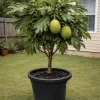
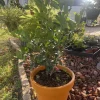
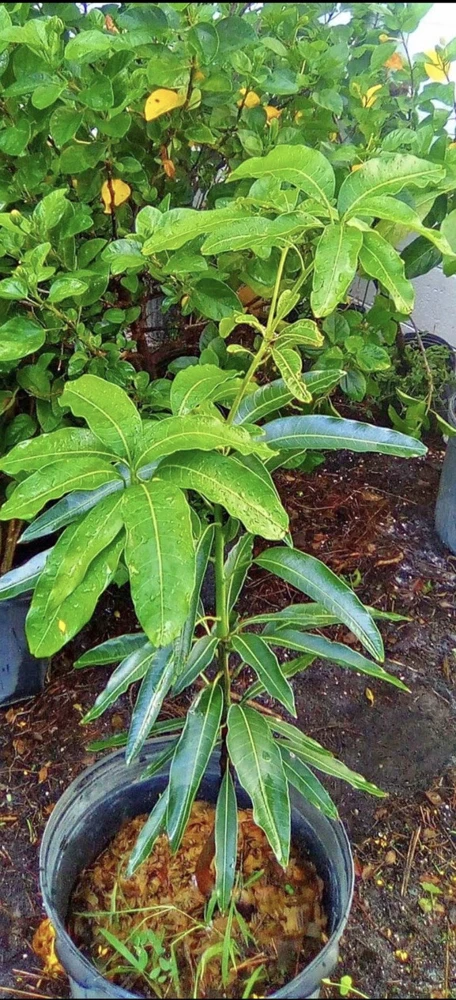
Organic Dwarf Mango Tree Live Plant – Potted Tropical Fruit Tree, Medium Size
Original price was: $96.99.$79.99Current price is: $79.99.
Cultivate your own delicious fruit with this dwarf mango tree live plant. This medium-sized, potted organic mango tree is perfect for adding a tropical touch to your garden or patio. Enjoy fresh, home-grown mangoes with proper mango plant care.
Estimated arrival
Oct 27
Nov 01 - Nov 03
Nov 06 - Nov 10
Shop With Confidence
30-Day Plant Health Guarantee
Arrives damaged? We’ll replace it free — see our return policy.
Responsive Support
Email us anytime, we reply within 1 business day.
Expert Packaging
Temperature-controlled shipping to protect your plants in transit.
Secure Checkout
Pay safely with Visa, Mastercard, PayPal.
Plant Specifications
-
USDA Hardiness Zone
USDA Zones 9-11 (outdoors), suitable for indoor cultivation in all zones -
Soil Type
Well-draining, slightly acidic to neutral potting mix -
Sunlight Exposure
Full sun (6-8+ hours direct sunlight) -
Expected Planting Period
Year-round indoors; spring to summer outdoors
Overview
Introduce a taste of the tropics to your home or garden with this exquisite dwarf mango tree live plant. This medium-sized, potted specimen offers the exciting opportunity to grow your own organic mangoes, even in smaller spaces. Known for its compact growth habit, a dwarf mango tree live plant is an ideal choice for container gardening on patios, balconies, or in smaller yards. Imagine harvesting sweet, juicy fruit directly from your own tree! This particular variety is selected for its robust growth and ability to thrive in a variety of conditions, making it a rewarding addition for both novice and experienced gardeners eager to cultivate a tropical fruit tree.
Mangoes (Mangifera indica) are celebrated worldwide for their vibrant flavor and nutritional benefits. This organic offering ensures that your homegrown fruit is free from synthetic pesticides and fertilizers, providing you with a healthier and more sustainable harvest. The beauty of a potted mango tree extends beyond its fruit; its lush green foliage adds an exotic, ornamental appeal to any setting. Whether you’re looking to enhance your edible landscape or simply enjoy the unique charm of a tropical plant, this dwarf mango tree live plant is an excellent choice.
Key Benefits
Growing your own dwarf mango tree live plant comes with a multitude of benefits, from fresh produce to enhancing your living space. Here are some of the standout advantages:
- Fresh Organic Fruit: Enjoy the unparalleled taste of homegrown, organic mangoes, free from commercial chemicals. This means you get to savor the purest flavor and maximum nutritional value from your tropical fruit tree.
- Space-Saving Design: As a dwarf variety, this mango tree is perfectly suited for smaller gardens, patios, or even indoor cultivation, making it accessible for urban gardeners. The compact nature of a potted mango tree allows for flexibility in placement.
- Ornamental Appeal: Beyond its fruit, the glossy green leaves and attractive growth habit of the mango tree add a beautiful, exotic touch to any landscape or indoor setting. It acts as a natural focal point.
- Rewarding Gardening Experience: Nurturing a fruit-bearing tree from a live plant offers immense satisfaction and a deep connection to nature. Witnessing the tree’s growth and eventual fruiting is a truly gratifying process.
- Health Benefits: Mangoes are rich in vitamins, minerals, and antioxidants, contributing to a healthy diet. Having them readily available from your own organic mango tree encourages healthier eating habits.
- Adaptability: While tropical, many dwarf varieties can be successfully grown in containers and moved indoors during colder months, extending their reach beyond traditional warm climates. This makes mango plant care more versatile.
- Educational Value: Growing a fruit tree provides a fantastic learning opportunity for children and adults alike, teaching about plant life cycles, cultivation, and sustainable living.
Plant Care & Growing Tips
Proper mango plant care is essential for a thriving and productive dwarf mango tree live plant. These tropical beauties prefer warm, sunny conditions. For optimal growth and fruit production, ensure your tree receives at least 6-8 hours of direct sunlight daily. If growing indoors, place it near a south-facing window or supplement with a grow light. Adequate light is crucial for the tree’s overall health and the development of sweet fruit. When it comes to watering, consistency is key. Water thoroughly when the top 2-3 inches of soil feel dry to the touch, but avoid overwatering, which can lead to root rot. Good drainage is paramount for a healthy potted mango tree.
The ideal soil for an organic mango tree is a well-draining, slightly acidic to neutral potting mix (pH 6.0-7.0). A mix designed for citrus or palms often works well. During the growing season (spring and summer), fertilize every 2-4 weeks with a balanced, slow-release organic fertilizer. Reduce fertilization in fall and winter. Mango trees are sensitive to cold; protect them from temperatures below 40°F (4°C). If you live in a region with cold winters, growing your tropical fruit tree in a container allows you to bring it indoors when temperatures drop. Pruning should be done to maintain size and shape, encourage branching, and remove any dead or diseased wood, typically after the fruiting season.
Common issues include fungal diseases and pests like scale or mealybugs. Regular inspection and prompt treatment with organic solutions can keep your dwarf mango tree live plant healthy. Ensure good air circulation around the plant to deter fungal growth. With consistent care and attention to its specific needs, your organic mango tree will reward you with delicious fruit and a beautiful presence in your home or garden. Understanding the nuances of mango plant care will lead to a successful and bountiful harvest.
Size & Details
This dwarf mango tree live plant is a medium-sized specimen, typically arriving ready to thrive in its new environment. While exact dimensions can vary, these trees are cultivated to remain compact, making them ideal for container growth. They are shipped as a healthy, established plant in a nursery pot, ensuring a smooth transition upon arrival. Dwarf mango varieties are known for reaching a mature height of approximately 6-10 feet in containers, significantly smaller than their full-sized counterparts, which can reach 30-60 feet. This manageable size allows for easier harvesting and winter protection.
The tree’s growth rate is moderate, and with proper mango plant care, you can expect to see significant development over the seasons. While fruiting time varies by variety and growing conditions, many dwarf mango trees can begin to produce fruit within 2-4 years from planting. The plant is carefully packed to ensure it arrives in excellent condition, ready for you to transplant into a larger pot or your garden if your climate permits. This potted mango tree offers the convenience of immediate enjoyment and the long-term reward of fresh, organic fruit.
Frequently Asked Questions
- Q: How big does this dwarf mango tree live plant get? A: This dwarf variety typically grows to a manageable height of 6-10 feet when grown in a container, making it suitable for patios and smaller gardens. Its compact size is one of its main advantages for home growers.
- Q: Is this an indoor or outdoor plant? A: This organic mango tree can be grown outdoors in USDA Zones 9-11 year-round. In colder climates, it is best grown in a container and moved indoors during the winter months to protect it from frost, ensuring consistent mango plant care.
- Q: How much sunlight does a potted mango tree need? A: Mango trees thrive in full sun, requiring at least 6-8 hours of direct sunlight per day for optimal growth and fruit production. If growing indoors, place it in your brightest window or use supplemental grow lights.
- Q: Is this plant easy to care for? A: While it requires specific conditions like ample sunlight and well-draining soil, with consistent watering and feeding, a dwarf mango tree is moderately easy to care for. It’s a rewarding project for gardeners of all levels.
- Q: What condition will the tropical fruit tree arrive in? A: Your dwarf mango tree live plant will arrive as a healthy, established plant in a nursery pot, carefully packaged to ensure its safe transit and readiness for planting upon arrival.
- Q: How long until it produces fruit? A: With proper care, dwarf mango trees typically begin producing fruit within 2-4 years after planting. Fruit production can depend on variety and growing conditions.
- Q: What is the best soil for an organic mango tree? A: Mango trees prefer a well-draining, slightly acidic to neutral soil mix. A high-quality potting mix amended with some perlite or sand for drainage is recommended when growing in containers.
- Q: Will this dwarf mango tree live plant survive winter in my zone? A: Mango trees are tropical and cannot tolerate frost. If you are in a zone colder than USDA 9, you must bring your potted mango tree indoors for winter protection.
- Q: Can I use the fruit from this tropical fruit tree in cooking? A: Absolutely! Once your tree produces fruit, you can enjoy fresh, organic mangoes in a variety of culinary applications, from smoothies and desserts to savory dishes.
- Q: What kind of fertilizer should I use for mango plant care? A: Use a balanced, slow-release organic fertilizer during the growing season. Look for formulations specifically designed for fruit trees or tropical plants.
Be the first to review “Organic Dwarf Mango Tree Live Plant – Potted Tropical Fruit Tree, Medium Size”
People Also Viewed
Reviews
There are no reviews yet.