

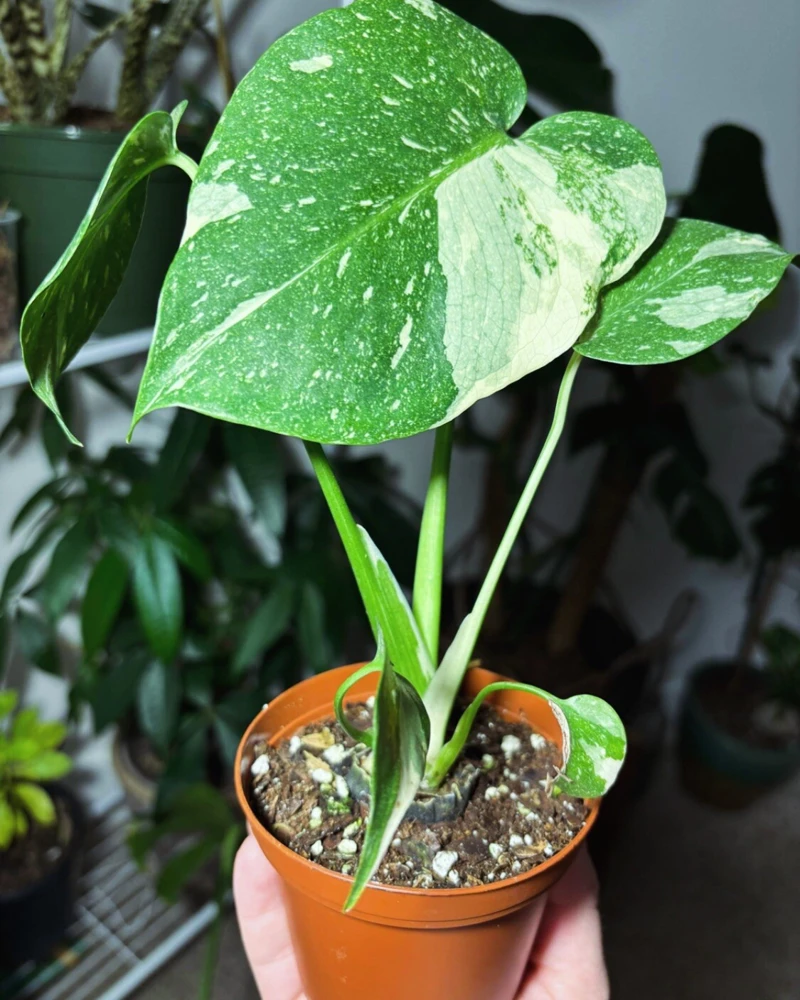
Monstera Thai Constellation Live Plant, Rare Variegated Swiss Cheese Houseplant
Original price was: $60.99.$49.99Current price is: $49.99.
Estimated arrival
Oct 27
Nov 01 - Nov 03
Nov 06 - Nov 10
Shop With Confidence
30-Day Plant Health Guarantee
Arrives damaged? We’ll replace it free — see our return policy.
Responsive Support
Email us anytime, we reply within 1 business day.
Expert Packaging
Temperature-controlled shipping to protect your plants in transit.
Secure Checkout
Pay safely with Visa, Mastercard, PayPal.
Plant Specifications
“`json { “meta_title”: “Monstera Thai Constellation Live Plant – Rare Variegated Houseplant”, “google_title”: “Monstera Thai Constellation Live Plant – Rare Variegated Indoor Houseplant”, “meta_description”: “Discover the stunning Monstera Thai Constellation live plant, a rare variegated houseplant known for its unique speckled leaves. Perfect for indoor plant enthusiasts.”, “meta_focus_keyword”: “Monstera Thai Constellation live plant, rare variegated monstera, Swiss Cheese Plant indoor, Monstera care guide, fenestrated monstera”, “categories”: “HousePlants”, “google_product_category_path”: “Home & Garden> Plants> Indoor & Outdoor Plants> Potted Houseplants”, “google_product_category_id”: “unknown”, “short_description”: “
Bring home a rare botanical treasure with the Monstera Thai Constellation live plant. This stunning variegated houseplant features dark green leaves speckled with creamy white and yellow patterns. Ideal for adding a touch of exotic elegance to any indoor space, it’s a true collector’s item with distinctive fenestrations as it matures.
“, “long_description”: “
Overview
n
Introduce a piece of living art into your home with the magnificent Monstera Thai Constellation live plant. This highly sought-after houseplant is celebrated for its unique and mesmerizing variegation, featuring splashes and speckles of creamy white and light yellow across its deep green, glossy leaves. Unlike other variegated Monsteras, the ‘Thai Constellation’ boasts a stable, star-like pattern that is consistent and breathtaking, making each leaf a miniature masterpiece. Originating from tissue culture in Thailand, this cultivar of Monstera deliciosa brings a touch of the tropics to your indoor sanctuary. Known commonly as the Swiss Cheese Plant due to its characteristic leaf fenestrations, this particular variety elevates the aesthetic with its celestial-like markings. It is a must-have for both novice and experienced plant collectors looking for a truly special and rewarding addition to their collection.
n
The allure of the Monstera Thai Constellation live plant lies in its dramatic foliage and impressive growth habit. As it matures, its large leaves develop the iconic splits and holes, known as fenestrations, which give it an exotic, jungle-like appearance. This plant not only serves as a stunning decorative element but also contributes to a vibrant, natural indoor environment. Its rarity and distinctive beauty make it a focal point in any room, sparking conversations and admiration. Embrace the joy of nurturing this extraordinary plant and watch as its unique patterns unfold with every new leaf.
nn
Key Benefits
n
The Monstera Thai Constellation live plant offers a multitude of benefits, making it an exceptional choice for any indoor garden. Its striking appearance and relatively straightforward care requirements contribute to its popularity and desirability:
n
- n
- Aesthetic Appeal: Features stunning, stable variegation with creamy white and yellow speckles on dark green leaves, creating a dramatic visual impact that enhances any interior decor. It’s a true showstopper.
- Air Purification: Like many houseplants, the Monstera Thai Constellation helps improve indoor air quality by absorbing toxins and releasing fresh oxygen, contributing to a healthier living environment.
- Collector’s Item: Due to its rarity and unique genetic variegation, this plant is highly prized by collectors and enthusiasts, adding significant value and prestige to your plant collection.
- Unique Fenestrations: As the plant matures, its leaves develop characteristic splits and holes, earning it the nickname Swiss Cheese Plant indoor, which adds to its exotic and sculptural beauty.
- Relatively Low Maintenance: Despite its exotic appearance, this Monstera is surprisingly forgiving and manageable for those who understand its basic needs, making it a rewarding plant to care for.
- Growth & Vining Habit: With proper care, it can grow into a large, impressive specimen with a vining habit, allowing you to train it on a moss pole or trellis for an even more striking display.
- Stress Reduction: Studies show that houseplants can reduce stress and improve mood, and the beauty of a rare variegated monstera like this one can be particularly uplifting.
n
n
n
n
n
n
nn
Plant Care & Growing Tips
n
Caring for your Monstera Thai Constellation live plant involves understanding its specific needs to ensure its vibrant variegation thrives. This plant prefers bright, indirect light. Place it near a window where it receives plenty of ambient light but is shielded from direct, harsh sunlight, which can scorch its delicate variegated leaves. An east or north-facing window is often ideal, or a few feet back from a south or west-facing window. Insufficient light can lead to less pronounced variegation and slower growth, while too much direct sun can burn the white parts of the leaves.
n
Watering is crucial for a healthy Monstera. Allow the top 2-3 inches of soil to dry out completely between waterings. Monsteras are sensitive to overwatering, which can lead to root rot. When you do water, do so thoroughly until water drains from the bottom of the pot. Ensure your pot has drainage holes. Humidity is also important for this tropical plant; aim for 60-80% humidity. You can achieve this by misting regularly, using a pebble tray, or placing a humidifier nearby. For soil, a well-draining, airy potting mix is essential. A good mix typically includes peat moss, perlite, and orchid bark to provide adequate aeration and drainage. Fertilize every 2-4 weeks during the growing season (spring and summer) with a balanced liquid fertilizer diluted to half strength. Reduce or stop fertilizing in fall and winter when growth slows. The ideal temperature range for a healthy Monstera Thai Constellation is between 65-85°F (18-29°C), and it should be protected from drafts and sudden temperature fluctuations. Understanding this Monstera care guide will ensure your plant flourishes.
n
Pruning can help maintain shape and encourage bushier growth. Remove any yellowing or damaged leaves at the base. You can also propagate your Monstera from stem cuttings, allowing you to expand your collection or share with friends. Keep an eye out for common pests like spider mites, mealybugs, and thrips. Inspect your plant regularly and treat any infestations promptly with insecticidal soap or neem oil. Providing a moss pole or trellis will allow your Monstera to climb, mimicking its natural habitat and encouraging larger leaves with more prominent fenestrations. This support is vital for the development of a mature and impressive fenestrated monstera.
nn
Size & Details
n
The Monstera Thai Constellation live plant typically ships as a young, established plant, ready to thrive in its new home. It will arrive as a rooted plant in a nursery pot, carefully packaged to ensure safe transit. While initial size may vary, these plants are known for their moderate to fast growth rate under optimal conditions. Expect your plant to arrive with several beautifully variegated leaves, showcasing the signature speckles and splashes. As it matures, it can reach impressive sizes, with leaves growing to 1-2 feet across and the plant itself vining several feet long indoors, making it a truly grand specimen.
n
The growth rate and ultimate size of your Monstera Thai Constellation live plant will depend on environmental factors such as light, humidity, and consistent care. With adequate support, such as a moss pole, it will develop stronger aerial roots and larger, more deeply fenestrated leaves. This plant does not produce showy flowers indoors; its beauty lies entirely in its magnificent foliage. It is a long-lived perennial houseplant, providing years of enjoyment with proper attention. We recommend repotting it into a slightly larger pot with fresh, well-draining soil every 1-2 years or when it becomes root-bound.
nn
Frequently Asked Questions
n
- n
- Q: How big does this plant get? A: A mature Monstera Thai Constellation live plant can grow quite large indoors, with leaves reaching 1-2 feet in diameter and vines extending several feet. Its ultimate size depends on growing conditions and whether it’s given support to climb.
- Q: What size pot does it come in? A: The plant typically arrives in a standard nursery pot, usually a 4-inch or 6-inch pot, suitable for its initial size and ready for you to transplant into a decorative container.
- Q: Is this an indoor or outdoor plant? A: The Monstera Thai Constellation live plant is primarily an indoor houseplant in most climates. It thrives in warm, humid conditions and is not tolerant of frost. It can be moved outdoors in shaded areas during warm summer months in suitable climates.
- Q: How much sunlight does it need? A: This plant requires bright, indirect light. Direct sunlight can scorch its variegated leaves, while too little light can reduce the vibrancy of its patterns and slow growth.
- Q: Is this plant easy to care for? A: While it’s a rare plant, the Monstera care guide is relatively straightforward. It’s considered moderately easy to care for, requiring consistent watering, high humidity, and bright, indirect light. It’s a rewarding plant for those with some houseplant experience.
- Q: What condition will it arrive in? A: Your rare variegated monstera will be carefully packaged to ensure it arrives in excellent condition, typically as a healthy, rooted plant with several leaves. Some minor leaf stress during transit is normal, but the plant should recover quickly.
- Q: Is it pet-safe? A: No, like many Monsteras, the Thai Constellation is toxic to pets if ingested due to calcium oxalates. Keep it out of reach of curious animals.
- Q: How long until it develops fenestrations? A: Fenestrations, the characteristic splits and holes, usually begin to appear on the leaves as the plant matures, typically when it’s about 1-2 years old and has developed a strong root system and larger leaves.
- Q: What kind of soil does it prefer? A: A well-draining, airy potting mix is crucial. A blend of peat moss, perlite, and orchid bark is ideal to prevent waterlogging and promote healthy root development for your fenestrated monstera.
- Q: What’s the minimum temperature it can tolerate? A: This tropical plant prefers temperatures between 65-85°F (18-29°C). It should not be exposed to temperatures below 60°F (15°C) for extended periods, as this can cause stress and damage.
n
n
n
n
n
n
n
n
n
n
“, “key_features”: { “usda_zone”: “unknown”, “soil_type”: “well-draining, airy potting mix”, “sunlight_exposure”: “bright indirect light”, “expected_planting_period”: “year-round indoors” } } “`
Be the first to review “Monstera Thai Constellation Live Plant, Rare Variegated Swiss Cheese Houseplant”
People Also Viewed
Shrubs
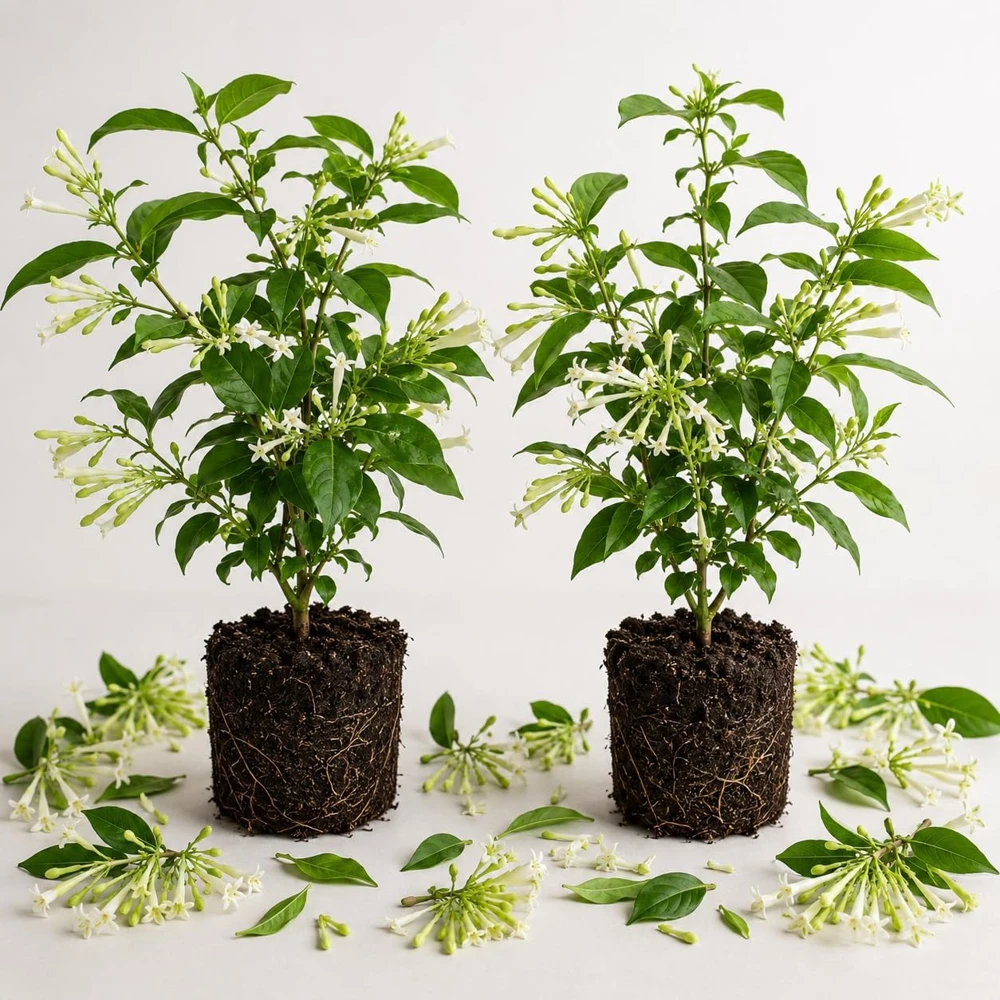
Night Blooming Jasmine Live Plants, Set of 2, 4-6 Inch Tall, Fragrant White Flowers, Outdoor Shrub


Houseplants
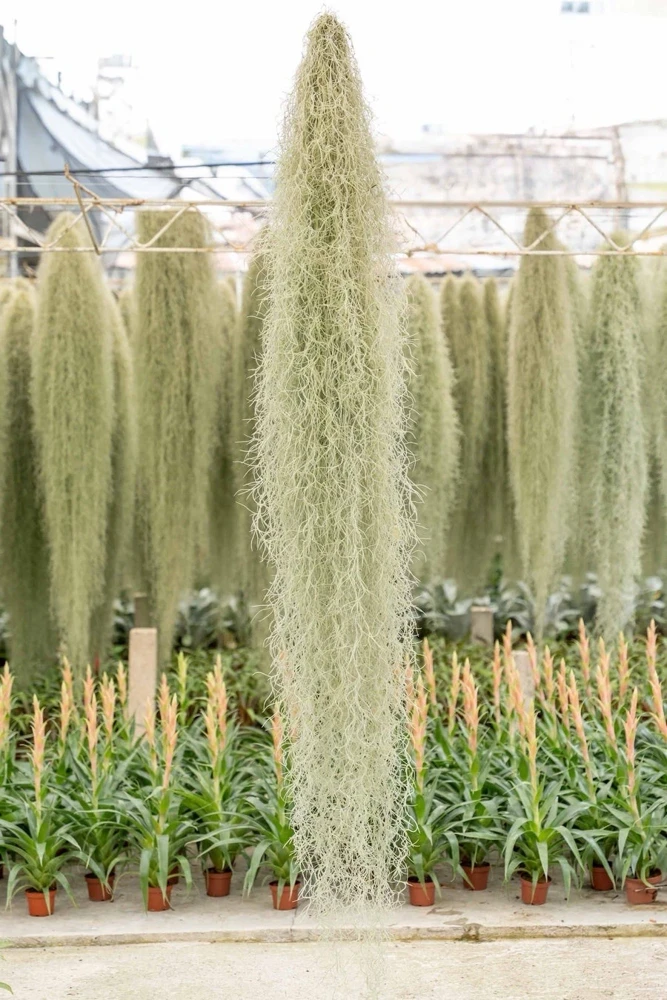
Spanish Moss Air Plant Live – Tillandsia Usneoides Giant Clump – Easy Care Indoor/Outdoor

Reviews
There are no reviews yet.