
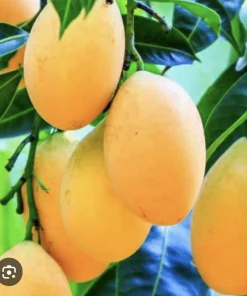
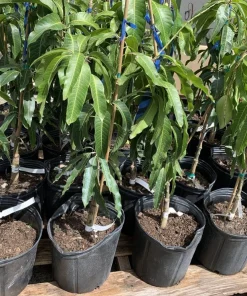
Organic Mango Tree Live Plant – Alphonso or Palmer Variety – Tropical Fruit Tree
Original price was: $84.99.$69.99Current price is: $69.99.
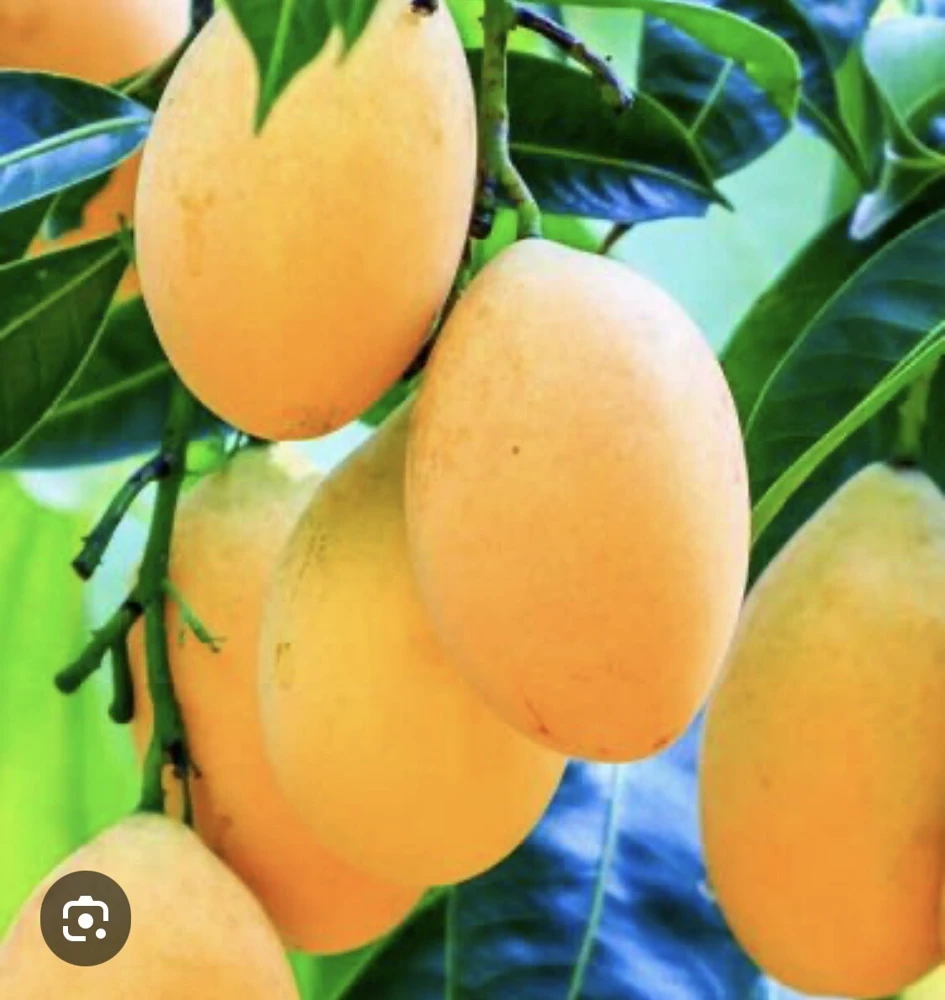
Bring the tropics to your home with an organic mango tree live plant. Select your preferred variety, either the famously sweet Alphonso mango tree or the rich and fibrous Palmer mango tree. Perfect for growing your own delicious, fresh fruit.
Estimated arrival
Oct 27
Nov 01 - Nov 03
Nov 06 - Nov 10
Shop With Confidence
30-Day Plant Health Guarantee
Arrives damaged? We’ll replace it free — see our return policy.
Responsive Support
Email us anytime, we reply within 1 business day.
Expert Packaging
Temperature-controlled shipping to protect your plants in transit.
Secure Checkout
Pay safely with Visa, Mastercard, PayPal.
Plant Specifications
-
USDA Hardiness Zone
USDA zones 9–11 -
Soil Type
Well-draining, slightly acidic soil -
Sunlight Exposure
Full sun -
Expected Planting Period
Spring to early summer
Overview
Cultivate your very own slice of paradise with an organic mango tree live plant. These magnificent trees are renowned for their luscious, sweet fruit, bringing a taste of the tropics directly to your garden or patio. We offer two highly sought-after varieties: the exquisite Alphonso and the robust Palmer. The Alphonso mango tree is often hailed as the “King of Mangoes” for its unparalleled sweetness, creamy texture, and vibrant golden-orange flesh. Alternatively, the Palmer mango tree is a fantastic choice, known for its large, firm, and flavorful fruit with a beautiful red blush. Both varieties are grown organically, ensuring you receive a healthy, vibrant plant ready to thrive. Growing a tropical fruit tree like a mango can be a rewarding experience, providing not only delicious harvests but also an attractive addition to your landscape.
This live plant arrives ready for planting, offering a head start on establishing your own fruit-bearing tree. Whether you’re an experienced gardener or just starting out, a mango tree offers a unique and engaging growing journey. Imagine plucking ripe, juicy mangoes off your own tree, a luxury that store-bought fruit often can’t match in freshness and flavor. Our organic cultivation methods mean you can enjoy your harvest with peace of mind, knowing your fruit is free from synthetic pesticides and fertilizers. Embrace the joy of homegrown produce with these exceptional mango tree varieties.
Key Benefits
Adding an organic mango tree live plant to your garden offers a multitude of benefits, from aesthetic appeal to culinary delights. These trees are not just fruit producers; they are also beautiful specimens that can enhance the beauty of your outdoor space. Here are some key advantages:
- Delicious Homegrown Fruit: Enjoy the unparalleled taste of fresh, ripe mangoes picked directly from your tree. The flavor and aroma of homegrown fruit far surpass most store-bought options.
- Organic Cultivation: Our mango trees are grown organically, meaning no synthetic pesticides or harmful chemicals are used, ensuring healthier fruit for you and your family.
- Choice of Premium Varieties: Select between the renowned Alphonso mango tree, famous for its intense sweetness, or the vigorous Palmer mango tree, known for its large, flavorful fruit.
- Tropical Aesthetic: Mango trees feature lush green foliage and can grow into attractive, shade-providing trees, adding a tropical ambiance to your yard or garden.
- Rewarding Gardening Experience: Watching your mango tree grow and eventually bear fruit is an incredibly satisfying and educational experience for gardeners of all levels.
- Potential for Shade: As they mature, mango trees can provide excellent shade, making your outdoor living areas more comfortable during hot summer months.
- Health Benefits: Mangoes are packed with vitamins, minerals, and antioxidants, contributing to a healthy diet. Growing your own ensures a fresh supply of these nutritious fruits.
Plant Care & Growing Tips
Caring for your organic mango tree live plant is essential for a bountiful harvest. Mango trees thrive in warm, tropical, and subtropical climates. They require full sun, meaning at least 6-8 hours of direct sunlight per day. If planting in a pot, ensure it’s a large container with excellent drainage. For soil, a well-draining, slightly acidic to neutral soil (pH 6.0-7.0) is ideal. Amending heavy clay soils with organic matter like compost can improve drainage and fertility. When planting, dig a hole twice as wide as the root ball and just as deep, ensuring the top of the root ball is level with the soil surface.
Watering should be consistent, especially during dry periods and when the tree is young. Allow the top few inches of soil to dry out between waterings to prevent root rot. Once established, mango trees are moderately drought-tolerant but will produce better fruit with regular moisture. Fertilize your tropical fruit tree with a balanced fertilizer specifically formulated for fruit trees, following package instructions. Young trees benefit from more frequent, lighter applications. Protect young trees from frost, as they are very sensitive to cold temperatures. In colder climates, consider growing your mango tree in a large container that can be moved indoors during winter. Pruning is typically done after harvest to maintain shape, size, and encourage better fruit production. Look out for common pests like scale and mealybugs, and treat with organic insecticidal soaps if necessary to maintain an organic mango tree live plant.
Size & Details
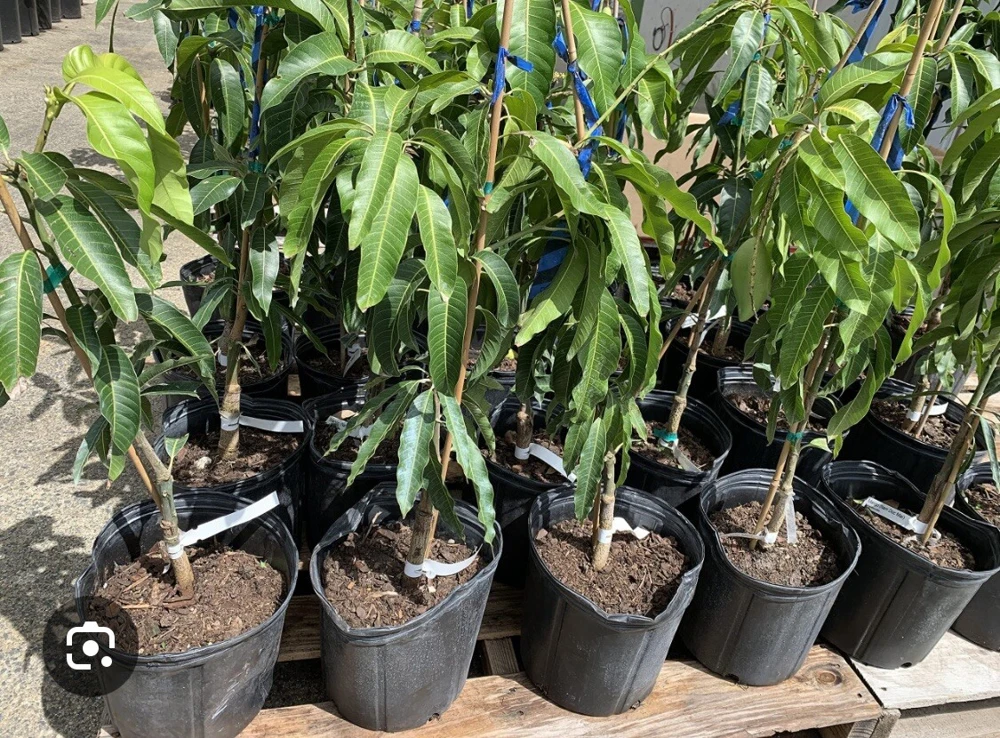
This offering is for one organic mango tree live plant, available in either the Alphonso or Palmer variety. The plant will arrive in a nursery pot, typically between 1-3 gallons in size, and will be a young, healthy specimen ready for transplanting. Exact height and age will vary depending on the specific stock, but you can generally expect a plant that is 1 to 3 feet tall, with a well-developed root system. Mango trees are relatively fast-growing, and with proper care, they can begin to bear fruit within 3-5 years from planting. The ultimate size of the tree can range from 10 to 30 feet tall, depending on the variety, growing conditions, and pruning practices. For container growing, regular pruning will be necessary to manage its size. These trees are typically shipped in their nursery containers to minimize stress during transit, ensuring they arrive in optimal condition for planting. The vigorous growth of a growing mango tree will quickly transform your space.
Frequently Asked Questions
- Q: How big does this plant get? A: An organic mango tree live plant can grow anywhere from 10 to 30 feet tall when planted in the ground, depending on the variety and growing conditions. If grown in a container, its size can be managed with regular pruning.
- Q: What size pot does it come in? A: The mango tree will arrive in a nursery pot, typically between 1 to 3 gallons, ensuring it has adequate space for its initial growth and a healthy root system for transplanting.
- Q: Is this an indoor or outdoor plant? A: Mango trees are tropical plants that thrive outdoors in USDA zones 9-11. In colder climates, they can be grown in large containers and moved indoors during winter, making it a versatile tropical fruit tree.
- Q: How much sunlight does it need? A: An organic mango tree live plant requires full sun, meaning at least 6-8 hours of direct sunlight per day, to produce the best fruit and maintain vigorous growth.
- Q: Is this plant easy to care for? A: Mango trees require moderate care, including consistent watering, adequate sunlight, and occasional fertilization. They are not difficult for experienced gardeners but may require attention for beginners, especially for successful fruit production.
- Q: What condition will it arrive in? A: Your organic mango tree live plant will be carefully packaged and shipped in its nursery pot to ensure it arrives healthy and ready for planting, minimizing transplant shock.
- Q: How long until it blooms and produces fruit? A: With good care, your growing mango tree can start blooming and producing fruit within 3-5 years after planting. Fruit production timing can vary based on variety and environmental factors.
- Q: When is the best time to plant a mango tree? A: The best time to plant a mango tree is in the spring or early summer, after the last threat of frost has passed, allowing it ample time to establish before cooler weather.
- Q: Will it survive winter in my zone? A: Mango trees are sensitive to frost. They will survive winter outdoors only in USDA Hardiness Zones 9-11. In colder zones, they must be protected from freezing temperatures or brought indoors.
- Q: What’s the minimum temperature it can tolerate? A: Mango trees generally cannot tolerate temperatures below 30°F (-1°C) for extended periods. Young trees are even more susceptible to cold damage.
- Q: What’s the difference between Alphonso and Palmer varieties? A: The Alphonso mango tree is famed for its incredibly sweet, non-fibrous, creamy flesh. The Palmer mango tree produces large, firm, and juicy fruit with a good flavor and less fiber than some other varieties, often with a beautiful red blush.
Be the first to review “Organic Mango Tree Live Plant – Alphonso or Palmer Variety – Tropical Fruit Tree”
People Also Viewed
Succulents
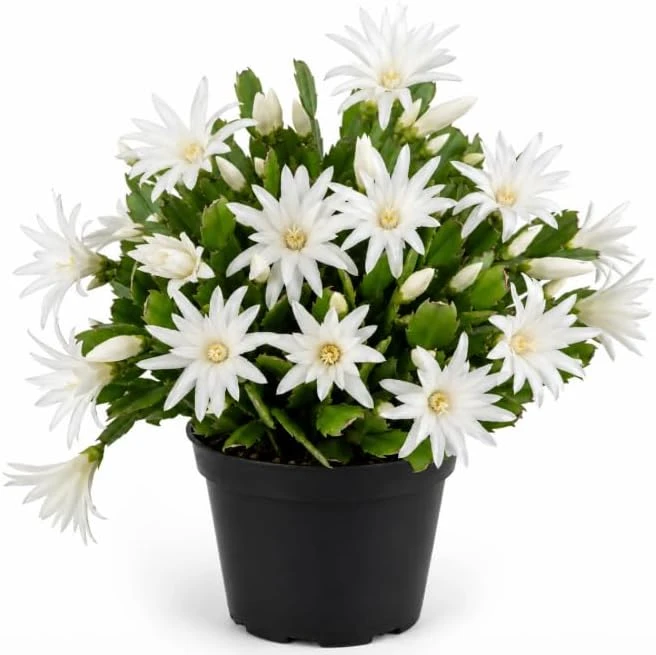
White Easter Cactus Live Plant – Spring Blooming Succulent – 4-6 Inch Tall – Indoor/Outdoor
Shrubs
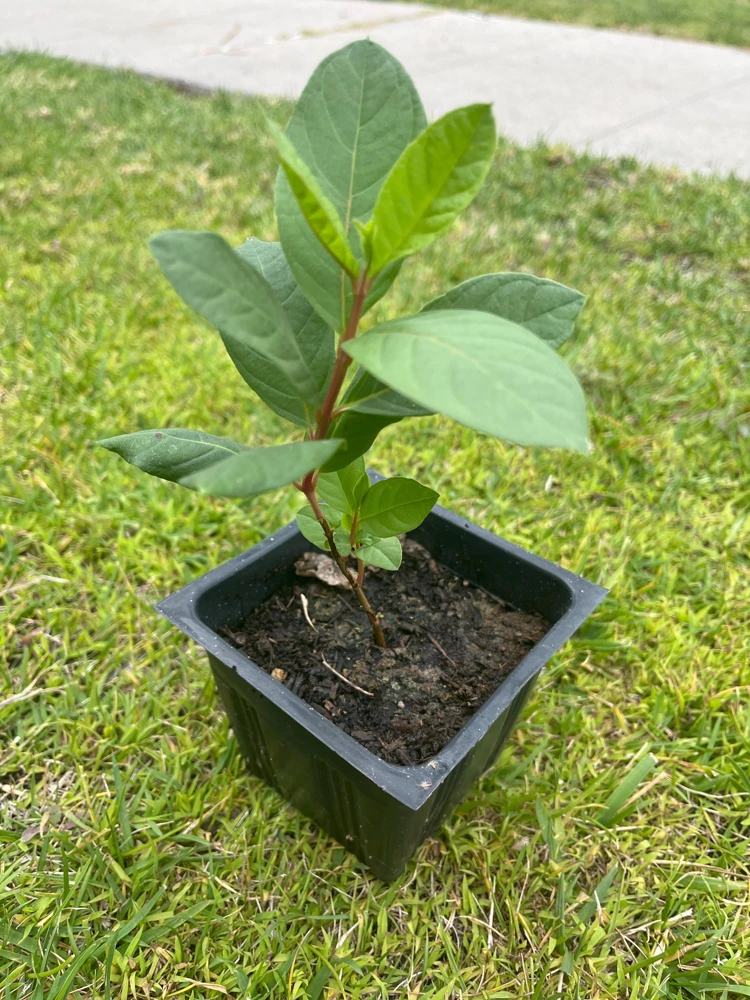
Blue False Indigo Live Plant – 2 Bush Set – 10-16″ Tall – Wild Indigo Perennial Shrub – Outdoor
Reviews
There are no reviews yet.