
Peace Lily Live Plant – Spathiphyllum Air Purifying Indoor Houseplant
Original price was: $34.99.$27.99Current price is: $27.99.
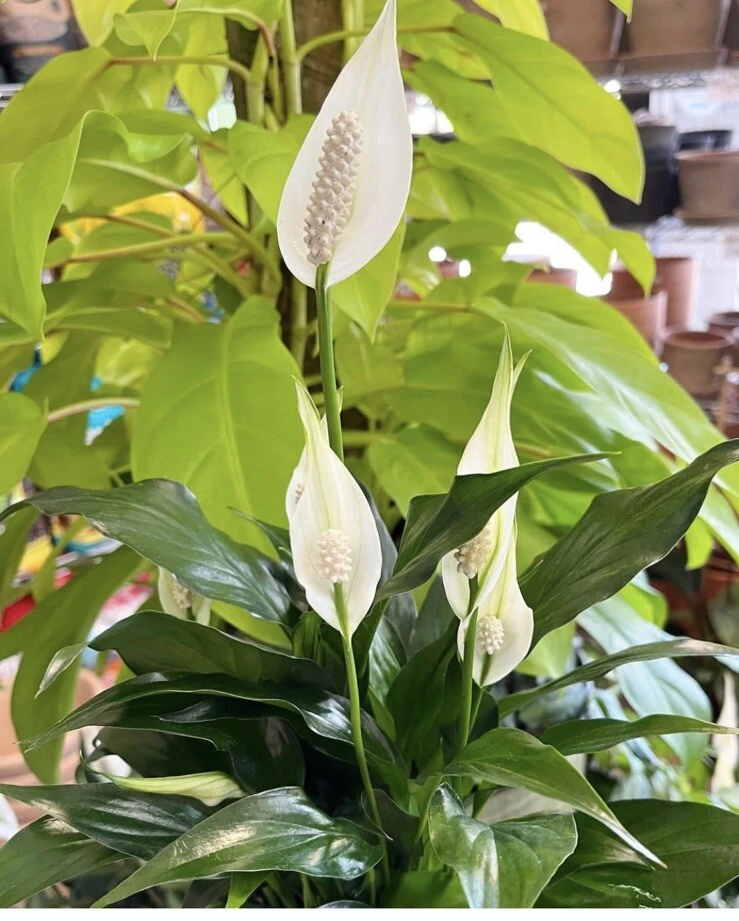
Bring tranquility and clean air into your home with a Peace Lily live plant. This elegant Spathiphyllum houseplant is renowned for its beautiful white blooms and exceptional air-purifying qualities, making it an ideal easy care indoor plant for any space.
Estimated arrival
Oct 27
Nov 01 - Nov 03
Nov 06 - Nov 10
Shop With Confidence
30-Day Plant Health Guarantee
Arrives damaged? We’ll replace it free — see our return policy.
Responsive Support
Email us anytime, we reply within 1 business day.
Expert Packaging
Temperature-controlled shipping to protect your plants in transit.
Secure Checkout
Pay safely with Visa, Mastercard, PayPal.
Plant Specifications
-
USDA Hardiness Zone
year-round indoors (USDA zones 10-11 outdoors) -
Soil Type
well-draining potting mix -
Sunlight Exposure
bright indirect light -
Expected Planting Period
year-round indoors
Overview
Introduce a touch of natural elegance and improved air quality to your living space with this beautiful Peace Lily live plant. Scientifically known as Spathiphyllum, this popular houseplant is celebrated for its striking white, spathe-like flowers that emerge gracefully from glossy, dark green foliage. The Peace Lily is not just a decorative addition; it’s also a powerhouse when it comes to cleansing the air in your home. This resilient and visually appealing plant thrives in indoor environments, bringing a sense of calm and freshness to any room. It’s an excellent choice for both seasoned plant enthusiasts and those new to gardening, offering significant aesthetic and health benefits.
The Spathiphyllum houseplant is native to tropical rainforests of America and southeastern Asia, where it grows as an understory plant, accustomed to dappled light. This makes it perfectly suited for indoor conditions where direct, harsh sunlight is often limited. Its common name, Peace Lily, comes from its white flower, which resembles a white flag of peace. This plant is a wonderful way to add natural beauty and a serene atmosphere to your home or office.
Key Benefits
The Peace Lily offers a multitude of benefits beyond its stunning appearance, making it a highly desirable addition to any indoor setting. Its comprehensive advantages contribute to both the aesthetic and health aspects of your environment:
- Air Purifying Qualities: The Peace Lily live plant is highly effective at removing common household toxins such as formaldehyde, benzene, and carbon monoxide from the air, contributing to a healthier indoor environment.
- Elegant Aesthetics: With its lush green leaves and distinctive white, flag-like flowers, the Peace Lily adds a sophisticated and serene touch to any room, enhancing your home’s decor year-round.
- Easy Care Indoor Plant: Known for its resilience and adaptability, this easy care indoor plant requires minimal attention, making it perfect for beginners or those with busy lifestyles. It’s quite forgiving of occasional neglect.
- Natural Humidity Booster: As it transpires, the Peace Lily releases moisture into the air, helping to increase indoor humidity levels, which can be beneficial for both people and other plants, especially in dry climates or during winter months.
- Stress Reduction: The presence of plants like the Peace Lily has been shown to reduce stress levels, improve mood, and increase focus, creating a more calming and productive atmosphere.
- Flowering Houseplant: Unlike many foliage-only houseplants, the Peace Lily regularly produces beautiful white flowers, adding dynamic interest and a pop of color to your indoor garden. This makes it a truly rewarding flowering houseplant.
- Visual Indicator for Watering: Peace Lilies are excellent communicators; their leaves will visibly droop when they need water, making it easy to know when it’s time to hydrate them.
Plant Care & Growing Tips
Caring for your Peace Lily live plant is straightforward, making it an ideal choice for both novice and experienced plant owners. They thrive in consistent conditions and will reward you with lush foliage and elegant blooms. For optimal health, place your Spathiphyllum in a location where it receives bright, indirect light. Direct sunlight can scorch its leaves, leading to yellowing or browning, while too little light may inhibit flowering. A north or east-facing window is often ideal, or a few feet away from a brighter window. Rotate the plant occasionally to ensure even growth and light exposure.
Watering is crucial for a healthy Spathiphyllum houseplant. Peace Lilies prefer consistently moist soil but do not like to sit in standing water, which can lead to root rot. Water thoroughly when the top inch of soil feels dry to the touch. A good indicator is when the leaves begin to slightly droop; this is your plant telling you it’s thirsty. Ensure the pot has drainage holes to prevent waterlogging. During the winter months, reduce watering slightly as the plant’s growth slows. Use filtered or distilled water if your tap water contains high levels of chlorine or other chemicals, as Peace Lilies can be sensitive.
Peace Lilies flourish in well-draining potting mix that retains some moisture. A standard indoor potting mix with added perlite or coco coir works well. They prefer temperatures between 65-80°F (18-27°C) and high humidity, mimicking their natural tropical habitat. You can increase humidity by misting the leaves regularly, placing the pot on a pebble tray with water, or using a humidifier. Fertilize every 2-4 weeks during the growing season (spring and summer) with a balanced liquid fertilizer diluted to half strength. Reduce or stop fertilizing in fall and winter. Regularly wipe the leaves with a damp cloth to remove dust and allow for better photosynthesis. The air purifying plant benefits greatly from this simple maintenance.
Size & Details
This Peace Lily live plant typically ships in a nursery pot, ready for you to transplant into your decorative container of choice. The plant usually stands between 10-18 inches tall from the base of the pot upon arrival, with mature plants reaching heights of 1-3 feet tall and spreads of 1-2 feet. Its growth rate is moderate, allowing it to fill out beautifully over time. The plant’s leaves are large, glossy, and dark green, providing a lush backdrop for the elegant white spathes. Expect flowers to appear periodically throughout the year, especially with proper care and lighting conditions. This makes it a rewarding flowering houseplant that consistently adds beauty to your home.
Frequently Asked Questions
- Q: How big does this plant get? A: A mature Peace Lily live plant can typically reach a height of 1 to 3 feet and spread 1 to 2 feet wide, depending on the variety and growing conditions. It is considered a medium-sized houseplant.
- Q: What size pot does it come in? A: The plant typically arrives in a standard nursery pot, usually a 4-inch or 6-inch diameter, which is suitable for initial growth. You may wish to repot it into a slightly larger decorative pot upon arrival.
- Q: Is this an indoor or outdoor plant? A: The Peace Lily is primarily an indoor plant in most climates. It thrives in typical home temperatures and humidity. While it can be grown outdoors in very warm, humid, and shaded tropical environments (USDA zones 10-11), it is best suited for indoor cultivation.
- Q: How much sunlight does it need? A: This Spathiphyllum houseplant prefers bright, indirect light. Avoid direct sunlight, which can scorch its leaves. A spot near a north or east-facing window is often ideal, or a few feet away from a brighter window.
- Q: Is this plant easy to care for? A: Yes, the Peace Lily is considered an easy care indoor plant, making it excellent for beginners. It’s quite forgiving and will visibly droop when thirsty, indicating when it needs attention.
- Q: What condition will it arrive in? A: Your plant will arrive carefully packaged, healthy, and ready to thrive. It will be a live, established plant in a nursery pot, with soil to ensure its well-being during transit.
- Q: Is the Peace Lily an air purifying plant? A: Absolutely! The Peace Lily is renowned for its ability to filter common indoor air pollutants, making it an excellent air purifying plant that contributes to a healthier home environment.
- Q: How often should I water my Peace Lily? A: Water your Peace Lily when the top inch of soil feels dry to the touch, or when you notice the leaves beginning to slightly droop. Ensure good drainage to prevent root rot.
- Q: Is the Peace Lily pet-safe? A: Peace Lilies contain calcium oxalate crystals, which can cause irritation if ingested. It is generally considered mildly toxic to pets and humans if eaten, so it’s best to keep it out of reach of curious pets and children.
- Q: When does this flowering houseplant bloom? A: With proper care, the Peace Lily can bloom multiple times throughout the year, though its primary blooming season is typically in the spring and summer. Its distinctive white spathes can last for several weeks.
Be the first to review “Peace Lily Live Plant – Spathiphyllum Air Purifying Indoor Houseplant”
People Also Viewed

Houseplants
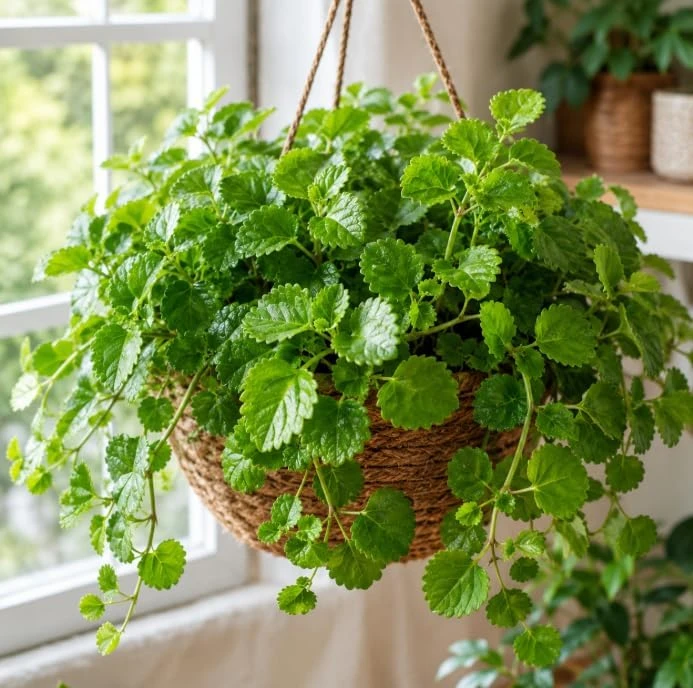
Green Swedish Ivy Live Plant – 2 Plants, 3-6 Inch Tall, 4 Inch Pot, Indoor Trailing Houseplant
Reviews
There are no reviews yet.