
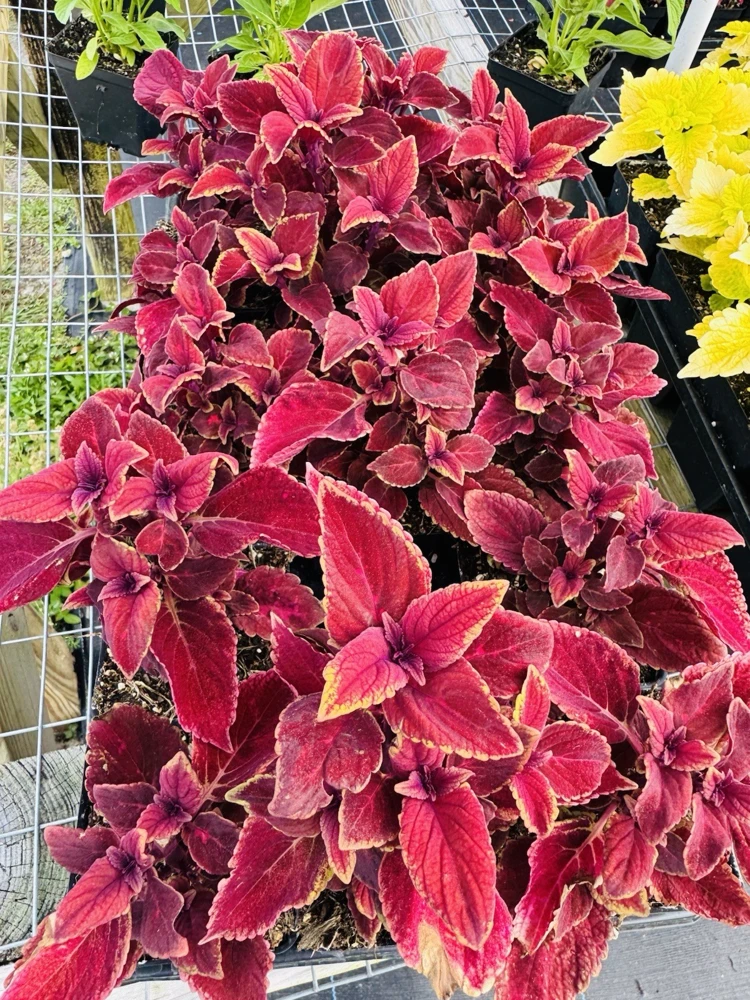
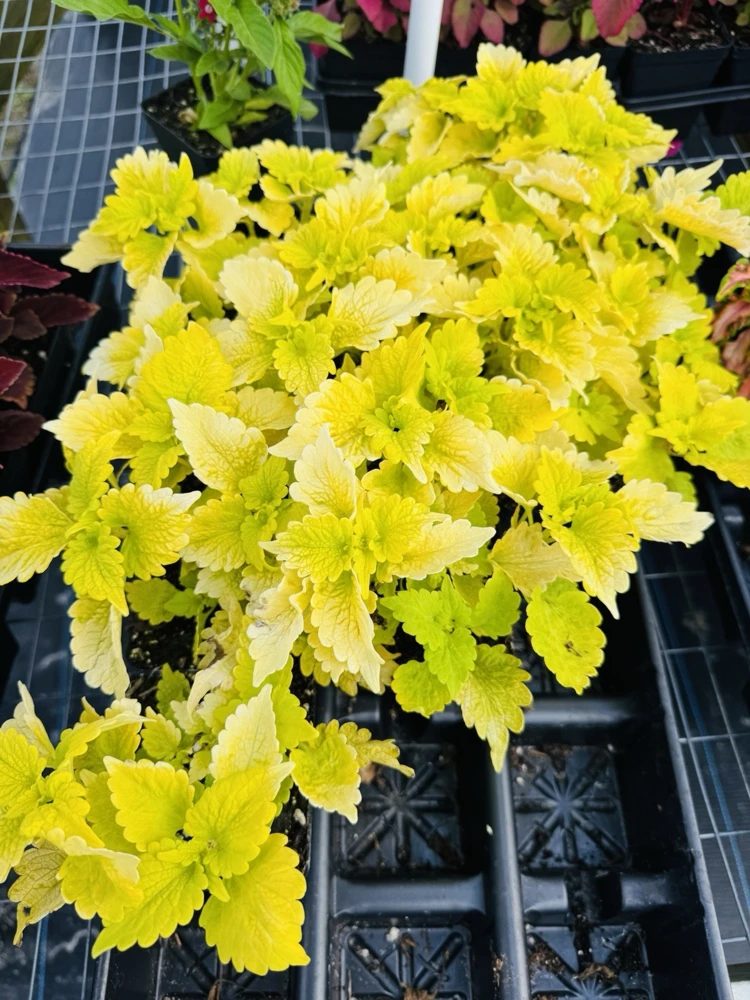
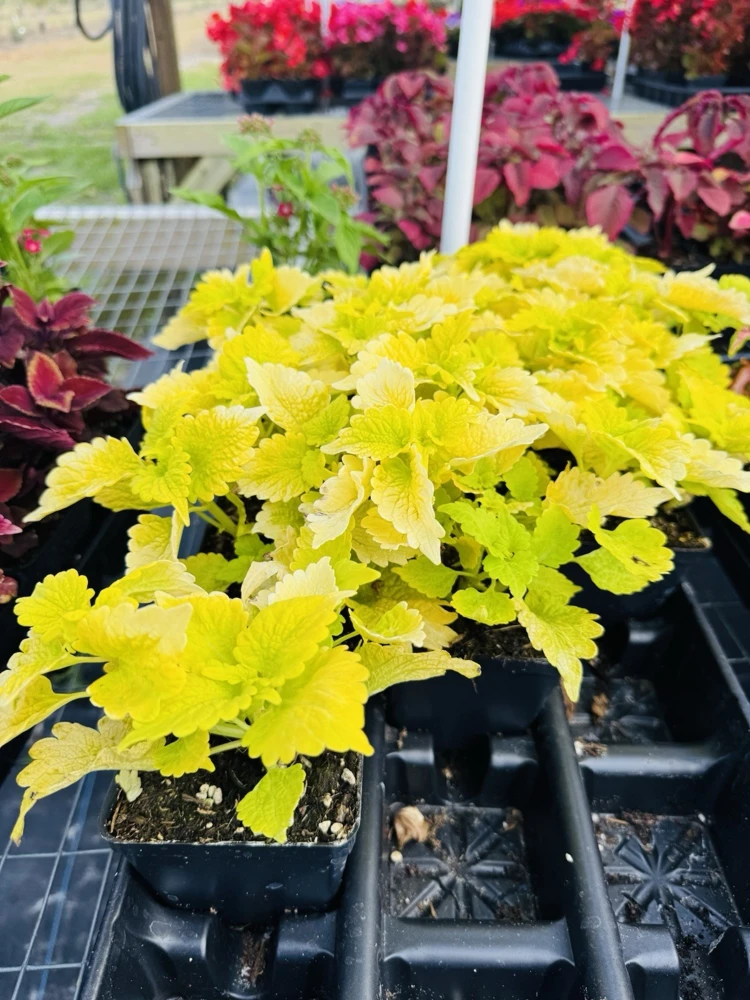
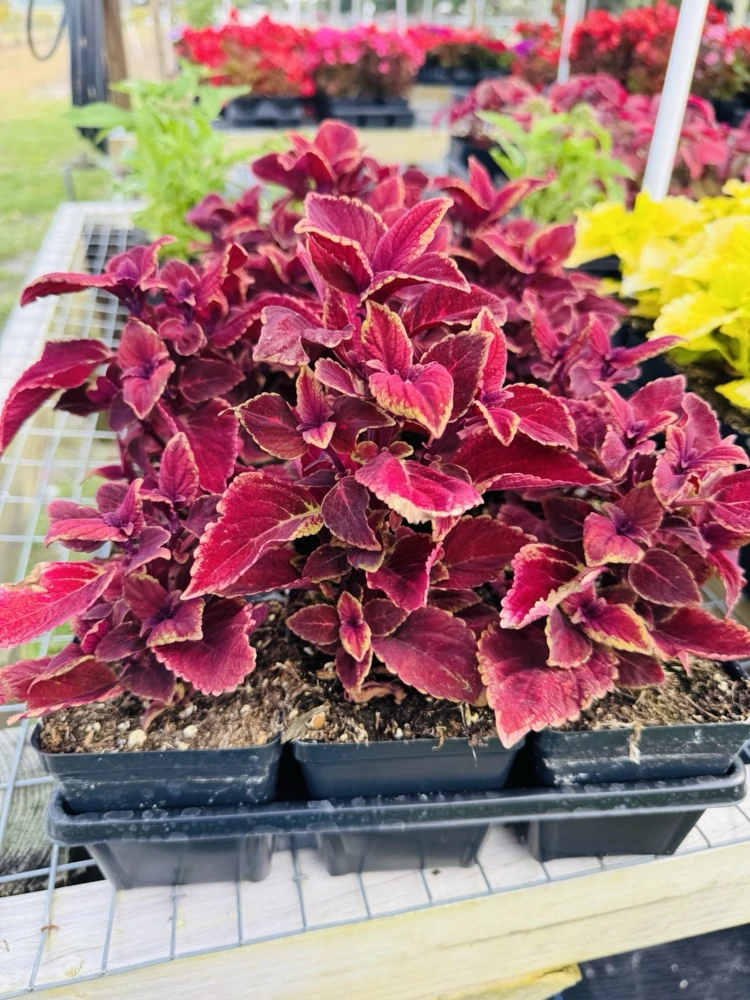
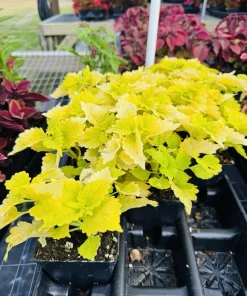
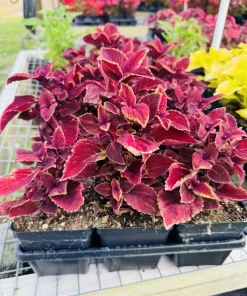
Coleus Live Plant – Colorful Painted Nettle Foliage – Shade Garden
Original price was: $26.99.$21.99Current price is: $21.99.
Add a burst of vibrant color to your shaded areas with this beautiful coleus live plant. Known as Painted Nettle, these plants feature striking foliage patterns and are easy to grow.
- Ideal for shade gardens
- Vibrant, colorful leaves
- Low maintenance
Estimated arrival
Oct 27
Nov 01 - Nov 03
Nov 06 - Nov 10
Shop With Confidence
30-Day Plant Health Guarantee
Arrives damaged? We’ll replace it free — see our return policy.
Responsive Support
Email us anytime, we reply within 1 business day.
Expert Packaging
Temperature-controlled shipping to protect your plants in transit.
Secure Checkout
Pay safely with Visa, Mastercard, PayPal.
Plant Specifications
-
USDA Hardiness Zone
USDA zones 10-11 (as perennial), annual in other zones -
Soil Type
Well-draining, rich potting mix -
Sunlight Exposure
Partial to full shade, bright indirect light -
Expected Planting Period
Year-round indoors, spring to early summer outdoors
Overview
Discover the beauty of the coleus live plant, a stunning addition to any garden or indoor space. Often referred to as Painted Nettle, this plant is cherished for its incredibly vibrant and diverse foliage, which can feature a kaleidoscope of colors including reds, greens, yellows, pinks, and purples. Unlike many flowering plants, Coleus provides continuous color through its leaves, making it a reliable choice for long-lasting visual interest. These versatile plants thrive in shaded conditions, making them an excellent solution for brightening up areas where other sun-loving plants might struggle. Whether you’re looking to create a striking border, fill a container, or simply add a touch of natural artistry to your home, a coleus live plant offers an unparalleled display of natural artistry.
Originating from tropical and subtropical regions, Coleus plants are prized by gardeners worldwide for their ease of care and spectacular visual impact. They are typically grown as annuals in cooler climates but can be perennial in warmer zones or kept as houseplants. Their unique patterns and textures make them a favorite for mixed plantings, providing a dramatic contrast to greener foliage. The common name, Painted Nettle, perfectly describes the intricate and often variegated leaf designs, which truly look like they’ve been hand-painted by nature. This plant is not only beautiful but also relatively hardy, offering a rewarding experience for both novice and experienced gardeners.
Key Benefits
Bringing a coleus live plant into your garden or home offers numerous advantages beyond its obvious beauty. These plants are a fantastic choice for anyone seeking low-effort, high-impact greenery.
- Continuous Color: Unlike many flowering plants that bloom seasonally, Coleus provides vibrant leaf color all season long, ensuring your garden or indoor space always looks lively. The diverse range of colorful coleus varieties means there’s a perfect match for any aesthetic.
- Shade Tolerance: One of the most significant benefits is its ability to thrive in shaded areas. This makes it an ideal choice for northern exposures, under trees, or in corners of your garden that receive limited direct sunlight, where many other plants might fail.
- Versatility: Coleus can be grown in various settings – as bedding plants, in containers, hanging baskets, or even as indoor houseplants. Its adaptability allows for creative landscaping and interior design possibilities.
- Easy to Grow: Known for being low maintenance, Coleus plants are forgiving and resilient. They are an excellent choice for beginners or those with busy schedules who still want a beautiful garden.
- Air Purification: Like many houseplants, Coleus contributes to a healthier indoor environment by helping to filter the air and increase humidity, making your living space more comfortable.
- Attracts Pollinators (Indirectly): While not primarily a flowering plant, the vibrant colors can attract beneficial insects to your garden, contributing to a healthy ecosystem.
- Variety of Textures and Patterns: The sheer diversity in leaf shapes, sizes, and patterns among colorful coleus varieties ensures endless combinations and visual interest, adding depth to any plant arrangement.
Plant Care & Growing Tips
Caring for your coleus live plant is straightforward, ensuring a rewarding experience with minimal fuss. Understanding its basic needs will help your plant flourish, displaying its best colors and growth. Coleus thrives in partial to full shade; while some varieties can tolerate more sun, too much direct, intense sunlight can scorch the leaves and fade their vibrant colors. Aim for a location that receives bright, indirect light or morning sun with afternoon shade. If growing indoors, place it near a window that gets bright, filtered light.
Watering is crucial for a healthy painted nettle plant. Coleus prefers consistently moist soil but not waterlogged conditions. Check the soil regularly; when the top inch feels dry to the touch, it’s time to water thoroughly until water drains from the bottom of the pot. Reduce watering slightly in cooler months or if growing indoors during winter. Good drainage is essential to prevent root rot. Use a well-draining potting mix that retains some moisture. A general-purpose potting mix amended with some compost or perlite works well. The ideal temperature range for Coleus is between 65-75°F (18-24°C). They are sensitive to cold and will not tolerate frost, so bring them indoors or treat them as annuals in colder climates. Fertilize your coleus for shade garden every 2-4 weeks during the growing season (spring and summer) with a balanced liquid fertilizer diluted to half strength. Pinching back the growing tips regularly will encourage bushier growth and prevent the plant from becoming leggy. This also helps to remove any small flower spikes that may appear, as flowering can divert energy from leaf production, diminishing the vibrant foliage.
Size & Details
This coleus live plant is shipped as a healthy, established plant, ready to be transplanted into your garden or preferred container. Typically, Coleus plants can grow anywhere from 1 to 3 feet tall and wide, depending on the variety and growing conditions. The exact size of the plant upon arrival will vary slightly but will be well-rooted and actively growing. These plants are known for their relatively fast growth rate, quickly filling out spaces with their lush foliage. They are often grown for their ornamental leaves, which can reach several inches in length, showcasing intricate patterns and colors. Expect to see significant growth and vibrant coloration within a few weeks of planting, especially with proper care and adequate shade. This plant is a fantastic choice for creating immediate impact in your landscape or as a stunning focal point in a patio pot.
Frequently Asked Questions
- Q: How big does this coleus live plant get? A: Coleus plants typically grow 1 to 3 feet tall and wide, depending on the specific variety and growing conditions. With proper care and pinching, you can encourage a bushier, more compact growth habit.
- Q: Is this an indoor or outdoor plant? A: Coleus is incredibly versatile and can be grown both indoors as a houseplant or outdoors in containers and garden beds. In most climates, it’s treated as an annual outdoors, but it can be a perennial in warmer USDA zones.
- Q: How much sunlight does a painted nettle plant need? A: Coleus thrives in partial to full shade, preferring bright, indirect light. Too much direct sun can scorch its delicate leaves and cause the colors to fade, especially in hotter climates.
- Q: Is this plant easy to care for? A: Yes, Coleus is known for being relatively low maintenance, making it an excellent choice for beginner gardeners. Consistent watering and occasional pinching are the main requirements for a thriving plant.
- Q: What condition will the coleus live plant arrive in? A: Your Coleus plant will arrive as a healthy, established plant, carefully packaged to ensure its safety during transit. It will be ready for immediate transplanting into its new home.
- Q: When is the best time to plant Coleus outdoors? A: The best time to plant Coleus outdoors is after all danger of frost has passed in spring, when nighttime temperatures consistently stay above 50°F (10°C).
- Q: Will my coleus for shade garden survive winter? A: In USDA zones below 10-11, Coleus is typically grown as an annual and will not survive winter outdoors. However, you can bring it indoors before the first frost and grow it as a houseplant.
- Q: What kind of soil does coleus plant care require? A: Coleus prefers a well-draining, rich potting mix. A standard all-purpose potting soil amended with some organic matter or perlite for improved drainage works very well.
- Q: Can I grow colorful coleus varieties in a hanging basket? A: Absolutely! Many trailing and mounding varieties of Coleus are perfect for hanging baskets, spilling over the sides with their vibrant foliage and creating a stunning display.
- Q: Are Coleus plants pet-safe? A: It’s generally advised to keep Coleus plants away from pets, as they can be mildly toxic if ingested, potentially causing digestive upset.
Be the first to review “Coleus Live Plant – Colorful Painted Nettle Foliage – Shade Garden”
People Also Viewed

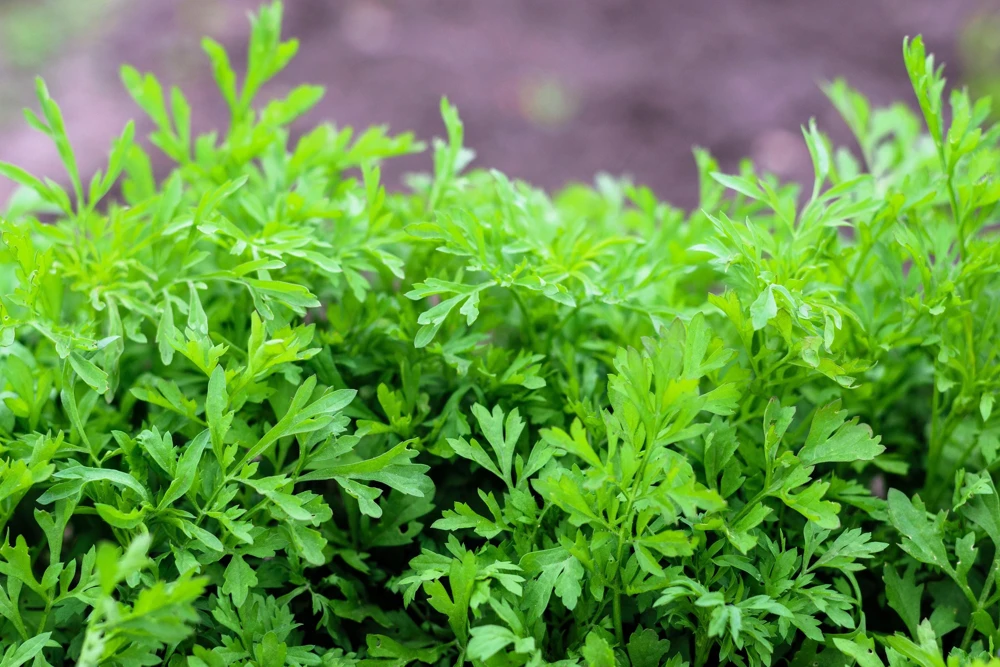
Vegetable Seeds
Wrinkled Crinkled Cress Seeds – 1500 Count, Garden Cress, Annual Vegetable Seeds for Salads
Vegetable Seeds
Hungarian Black Pepper Seeds – 10 Count – Mildly Hot Chili Seeds
Reviews
There are no reviews yet.